

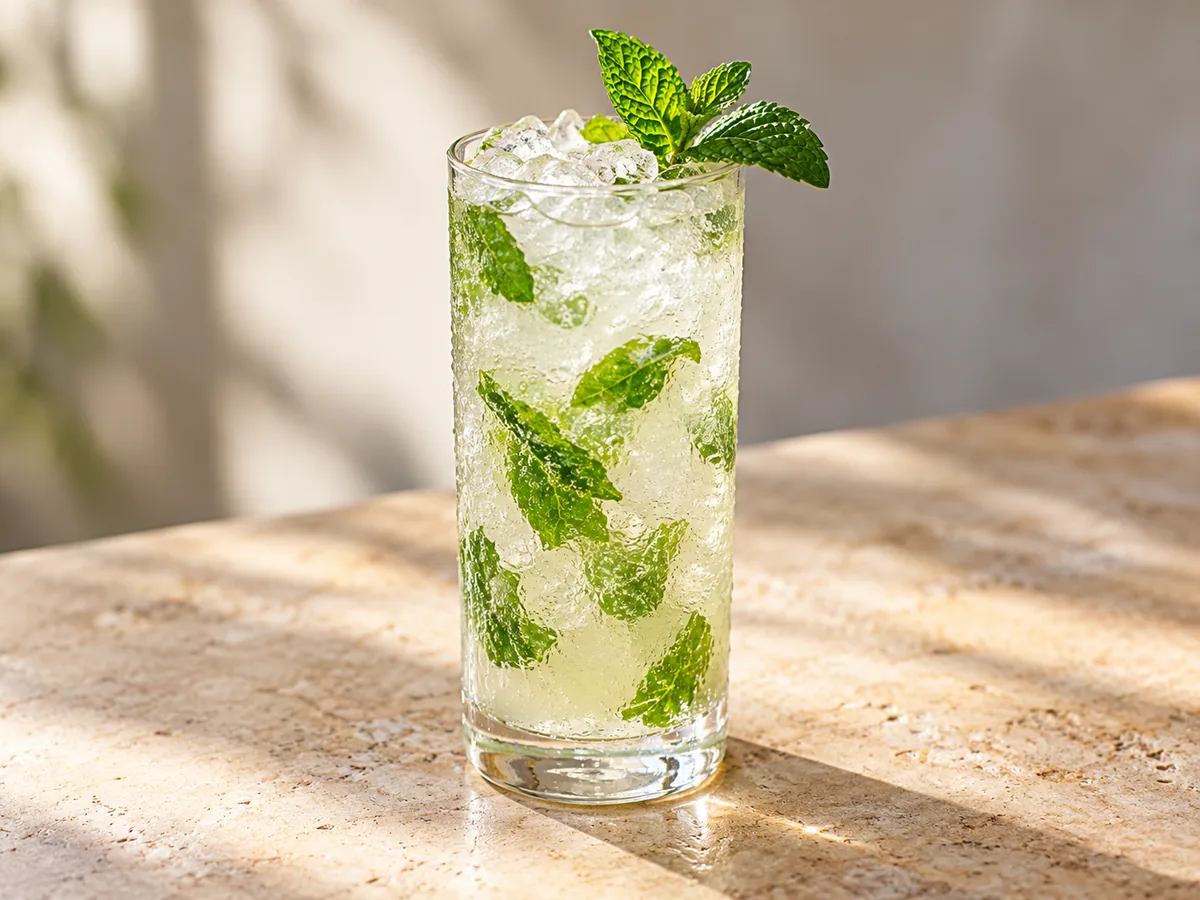
 AI-generated
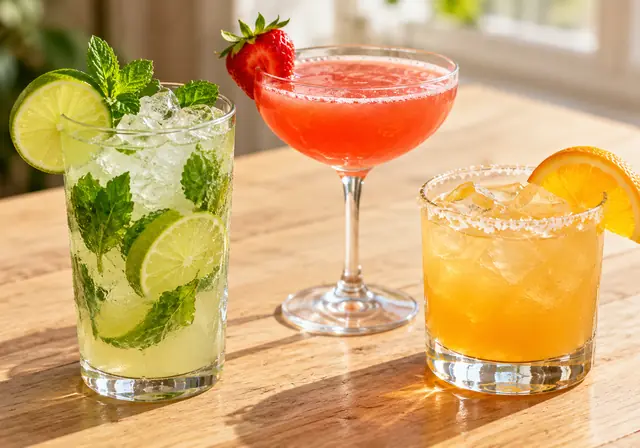 AI-generated
Cocktails
Cocktails add a sense of occasion to an evening with friends, whether fruity, sparkling or pleasantly bitter.
Classic and modern mixed drinks each have their own character.
Cocktails span a wide range of flavours
Cocktails are mixed drinks with many different traditions, ingredients and serving styles. Some emphasise citrus and freshness, while others are bitter, aromatic, sweet or particularly rich. Their character cannot be predicted simply from the shape of the glass or the colour of the drink. A cocktail may contain spirits or other alcoholic ingredients with very different strengths. When exploring the category, think about which flavours appeal to you and whether the drink is intended to accompany food or stand on its own. Accurate information about ingredients and alcohol content matters more than a fashionable name or an elaborate garnish.
Distinguish sweetness, acidity and bitterness
A fruit-forward cocktail can taste gentle even when its alcohol content is substantial. Similarly, a bitter or herb-led drink may taste intense without being stronger than other options. Sweetness, acidity and aromatics affect the sensory experience, not the amount of ethanol in a predictable way. A useful category description distinguishes these elements and avoids treating colourful drinks as automatically mild. For an evening meal, consider whether the flavour should complement the food or be enjoyed separately. The specific recipe and serving size are essential when making that choice.
Social occasions and alcohol-free alternatives
Cocktails are often associated with celebrations, but a gathering does not require alcoholic drinks. A well-considered alcohol-free selection can provide comparable variety in citrus, herb and bitter flavours without relying on spirits. Guests may avoid alcohol for many personal, medical or practical reasons, and they should not need to explain them. For drinks containing alcohol, appropriate age restrictions and clear labelling remain important. Think about the people attending rather than assuming that one colourful mixed drink suits everyone. A welcoming drinks selection allows different preferences to be respected.
What ingredients and portions tell you
The actual alcohol strength depends on the proportions and kinds of alcoholic ingredients, as well as serving size. Visual appearance gives little indication of either. Mixers, dairy-based ingredients, eggs, nuts or other additions may also introduce allergens and dietary considerations. A cocktail that looks fruity might still contain substantial alcohol, and a creamy one cannot be assumed lactose-free. Check the full composition instead of relying on a familiar name. Accurate descriptions let adults make informed choices, while offering alcohol-free alternatives is a straightforward part of responsible hosting.
Which cocktail fits the occasion?
Start by identifying a flavour profile: fresh and acidic, gently sweet, herbal, bitter or deeply aromatic. Then consider whether the drink will be served with a meal, at a celebration or as one option among many. If it contains alcohol, the amount and serving size deserve attention independently of taste. A drink should not be recommended because it supposedly improves health or makes socialising easier. Choosing not to drink alcohol is always a valid alternative. The value of a recipe category is in explaining the differences clearly rather than encouraging consumption.
Colour does not reveal alcohol strength
A pale, transparent cocktail can contain a high proportion of spirits, while a dark or vividly coloured drink may have a different composition. Neither appearance nor sweetness is a reliable safety indicator. This distinction is particularly important where alcoholic and alcohol-free versions are served together. Accurate naming, ingredient information and separation help prevent confusion. A mixed-drink category should describe taste and culinary context without claiming that one recipe is harmless. Alcohol entails health risks, and individual circumstances can make avoidance especially important.
Explore all recipes
ⓘ Ratings come exclusively from approved community contributions.