

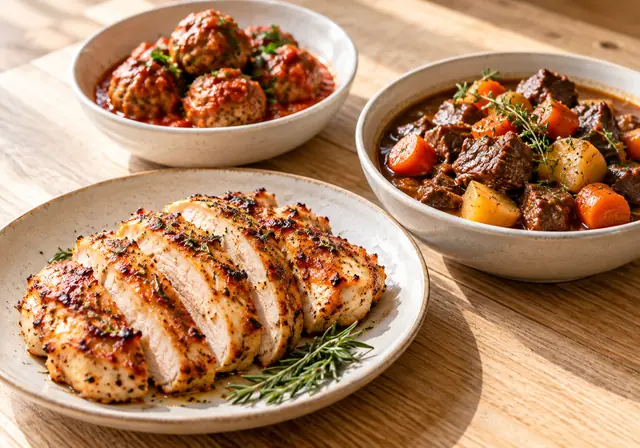
 Meat dishes
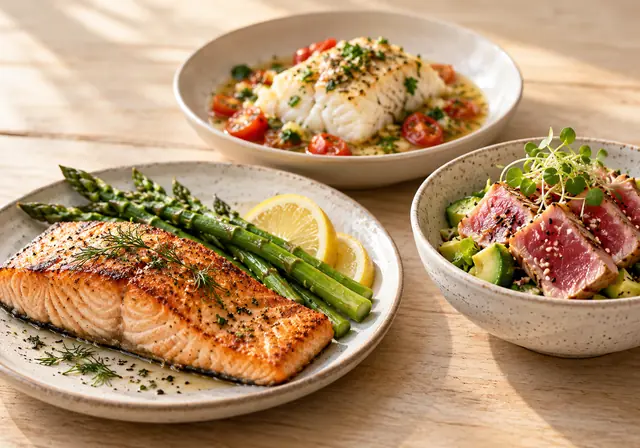 Fish dishes
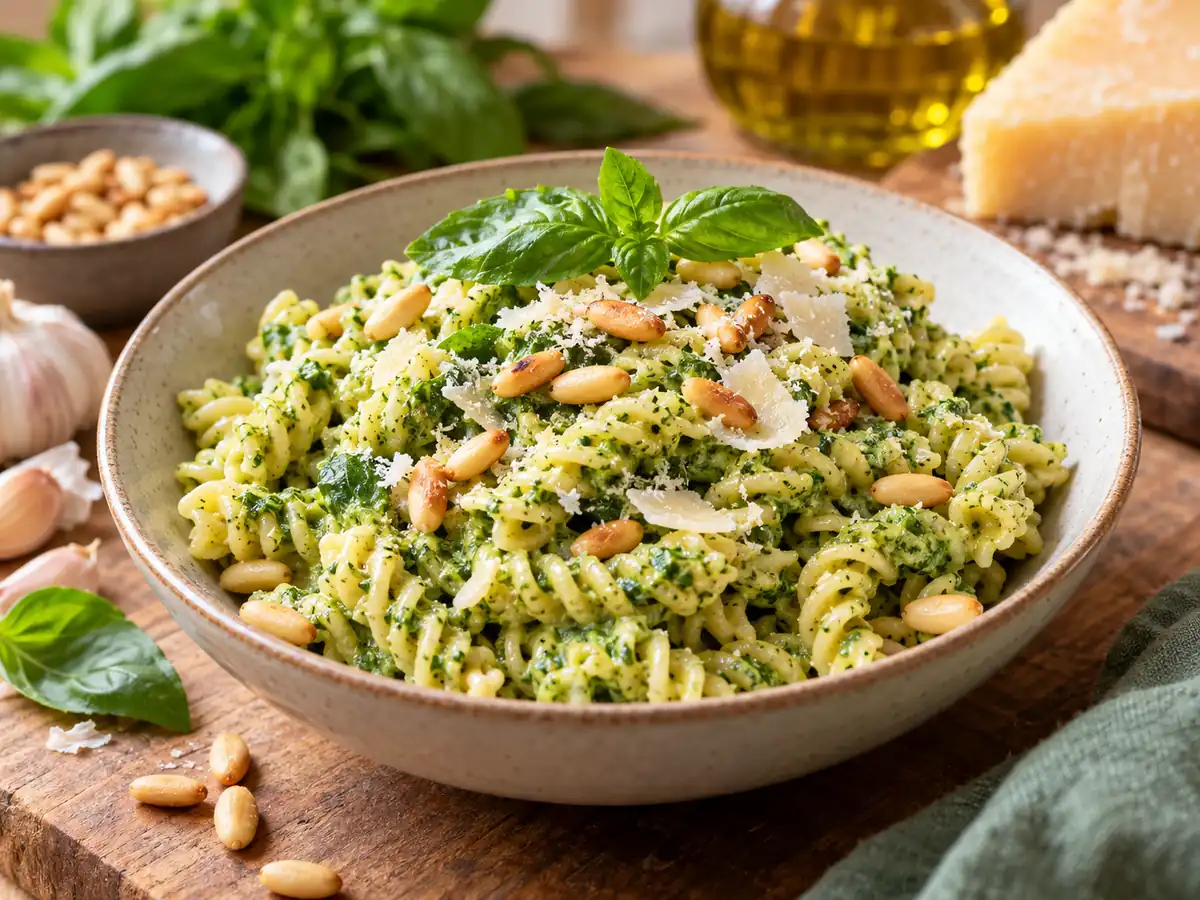
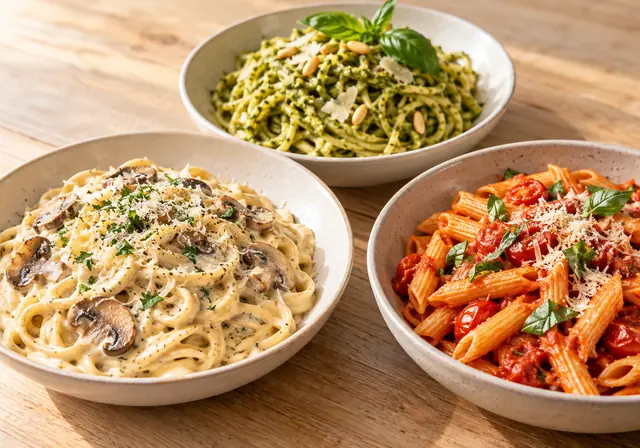 Pasta & noodles
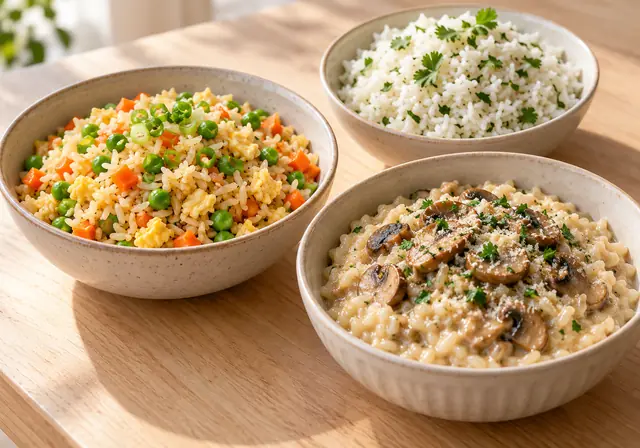 Rice dishes
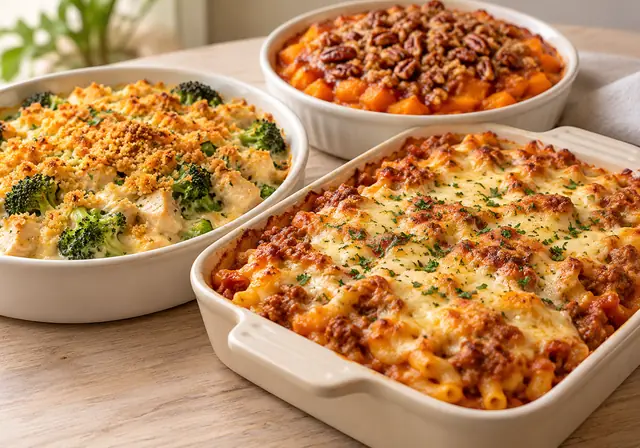 Casseroles & gratins
 AI-generated
Subcategories
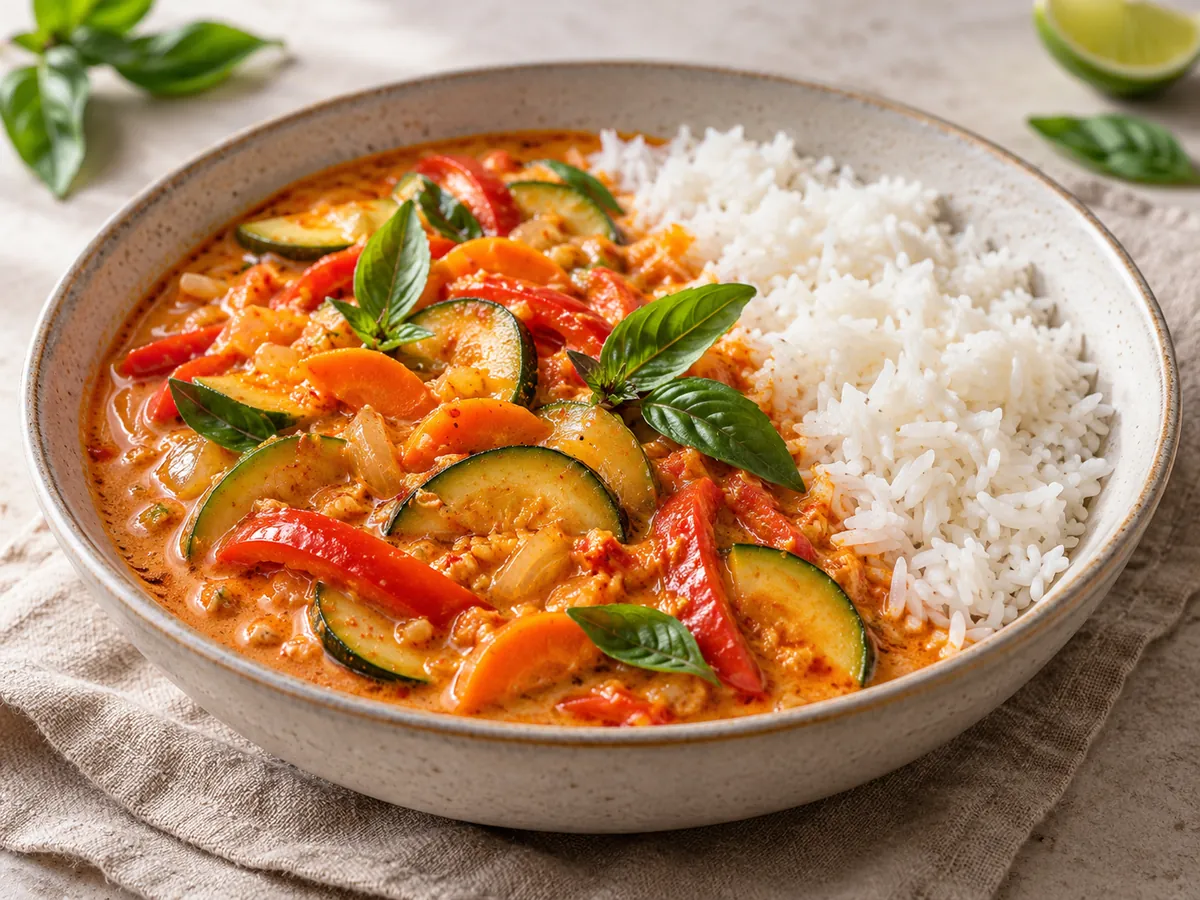
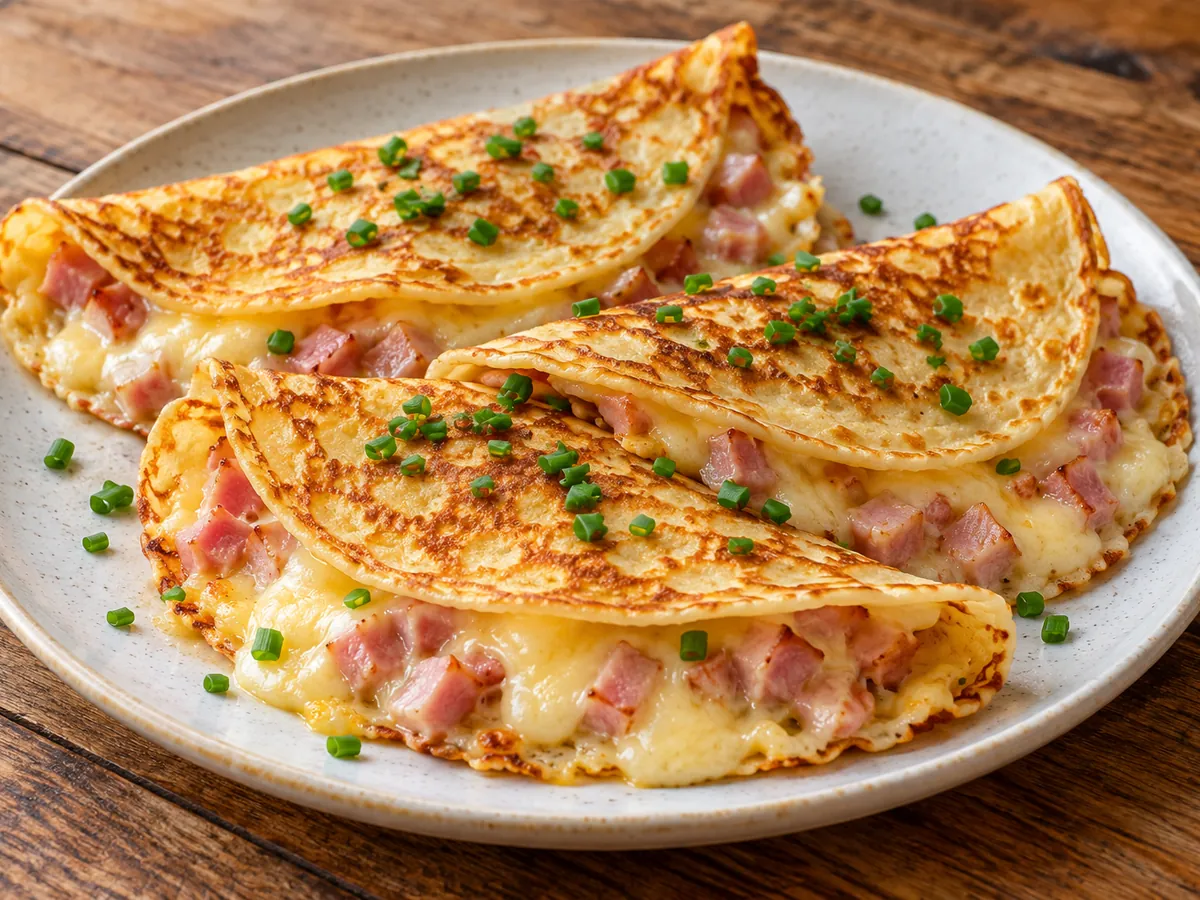

Main courses
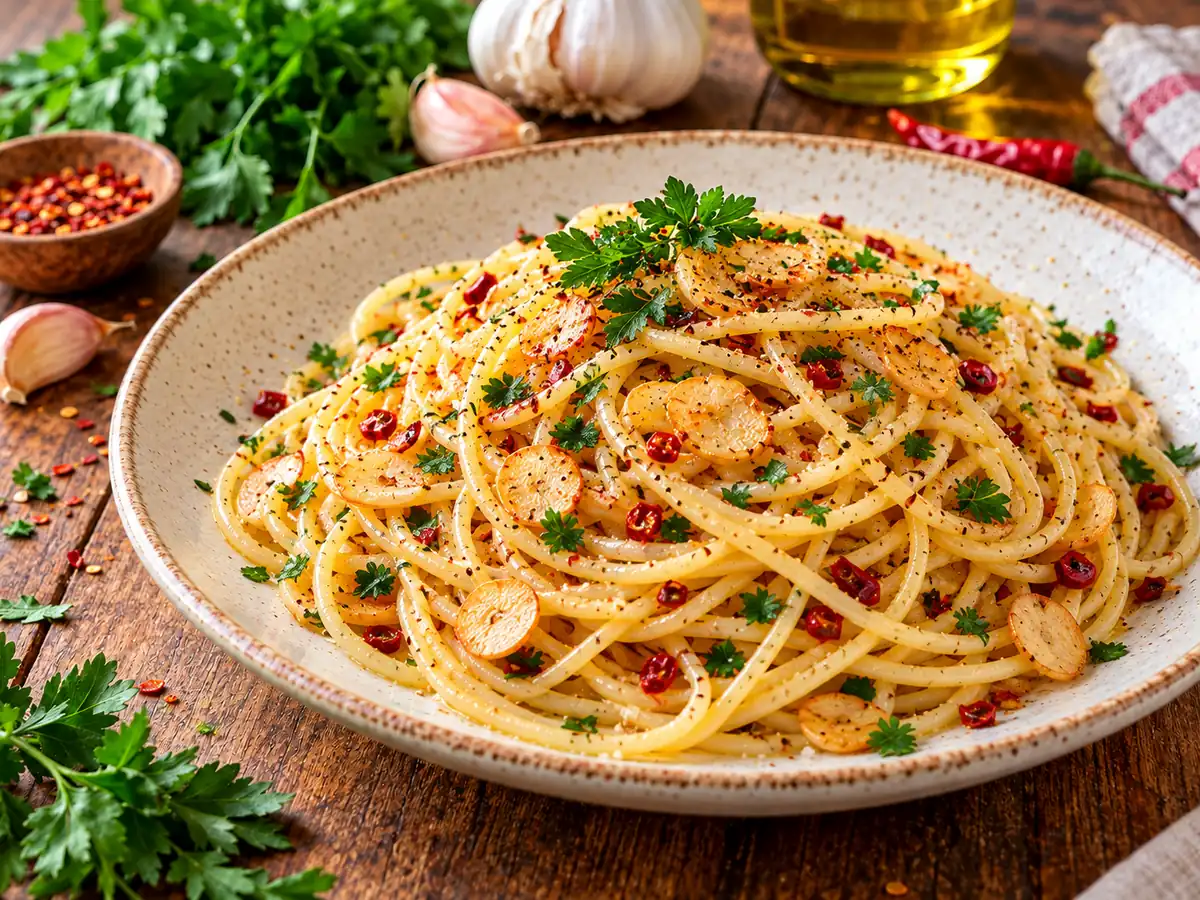
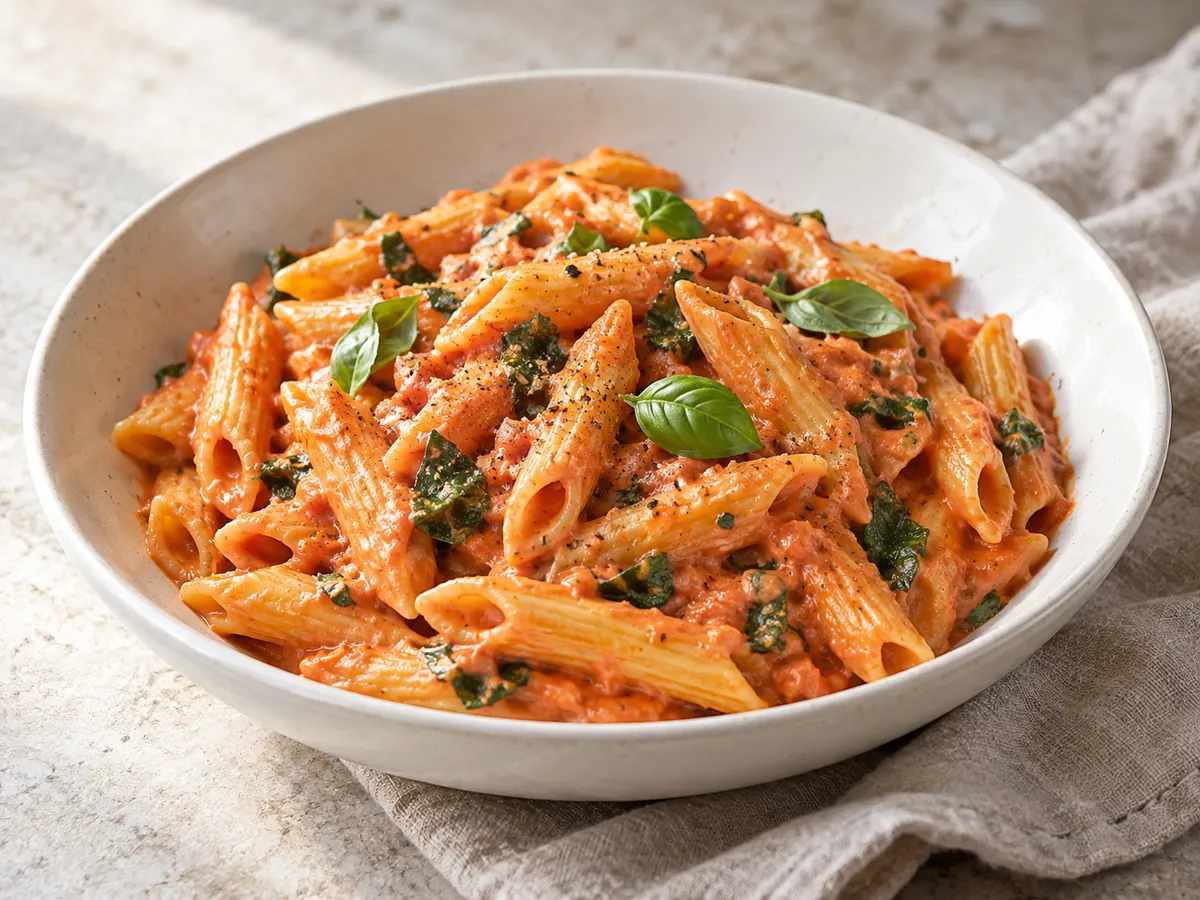
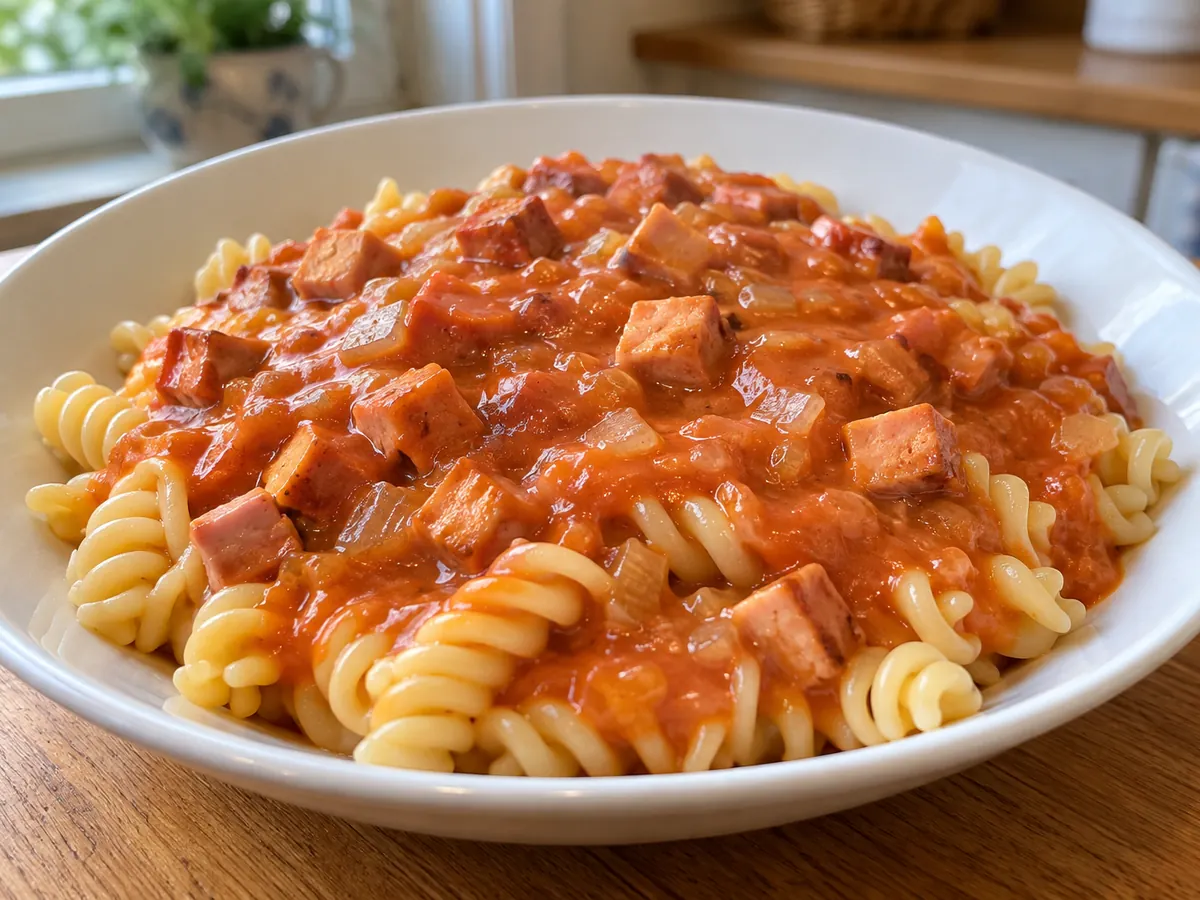
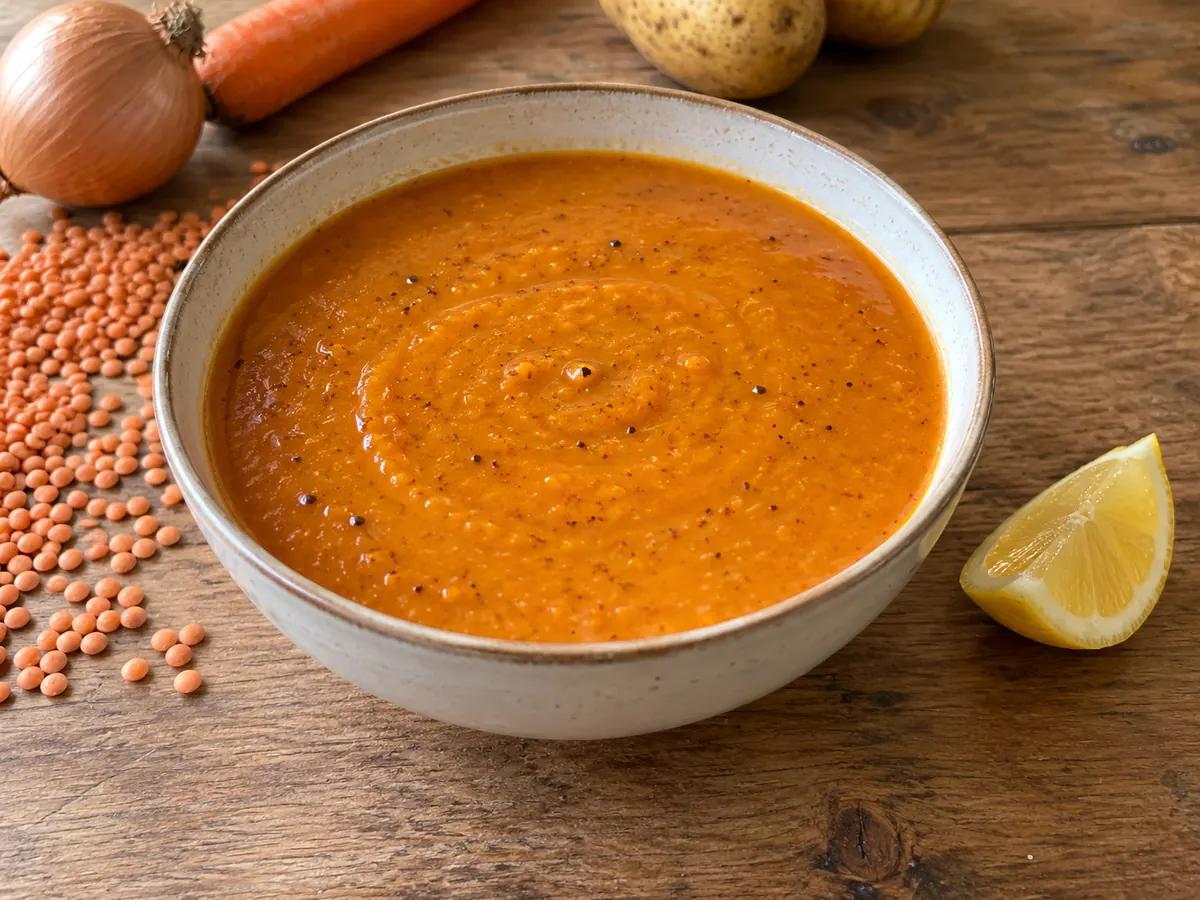
Main courses are the centre of a meal, from hearty roasts and fragrant curries to pasta and rice dishes. These are the recipes that bring everyone to the table.
A quick weekday dinner calls for something different from a leisurely Sunday lunch. The right sides and sauces can turn one dish into a complete meal.
Main courses should fit the people eating them
A main course is usually the focal point of a meal, but it need not be elaborate or especially rich. A relaxed weekday dinner calls for different choices from a meal for visitors or a special celebration. Think first about what you want to eat, how many people will share it and whether the dish needs separate accompaniments. A vegetable-centred meal, a hearty stew or a substantial grain dish can all fill this role. The category helps you compare those possibilities without declaring one kind of dinner universally best.
Choose between different foundations
Pasta, rice, potatoes, vegetables, pulses, meat and fish create very different eating experiences. The main ingredient affects texture and flavour, while sauces, herbs and additional components change the final balance. Some main courses are complete in themselves; others work best with a fresh salad or simple side. When exploring recipes, consider whether you want a mild, comforting meal, something aromatic and spicy or a lighter combination. Choosing by flavour and ingredients is often more useful than searching for one familiar dish name.
Discover regional approaches to a full meal
Different regions have distinct ideas about how a meal is assembled. Rice may be the centre of one culinary tradition while bread, pasta or pulses play a larger role in another. These patterns vary within countries and change through cultural exchange. A category of main courses can introduce you to those differences without pretending every recipe represents an unchanged national tradition. If regional authenticity matters to you, look for a precise origin and ingredients that support the description. Modern interpretations can be enjoyable too, provided they are labelled honestly.
Plan sides and guest requirements carefully
A main course can already contain several components, so additional sides are not always necessary. If the principal dish is particularly rich, a fresh vegetable accompaniment may introduce a useful contrast. For a group, check portion counts and whether different dietary patterns are represented. Vegetarian does not necessarily mean vegan, and a dish featuring naturally gluten-free ingredients may contain wheat elsewhere in its sauce or toppings. Food allergies demand attention to every component, including optional additions. A clear ingredient list is more important than an appealing category label.
How do I pick a main course for tonight?
Start with the appetite and preferences of the people at the table. Then consider the time available, desired level of spice and the role of any sides or sauces. If you are cooking for one person, the best choice may be different from a dish intended for a larger gathering. Explore the subcategories to compare pasta, rice, vegetable, meat and fish directions, then read the actual recipe for portions and ingredients. The aim is a satisfying, well-matched meal, not an unnecessarily complicated menu.
Explore all recipes
ⓘ Ratings come exclusively from approved community contributions.