
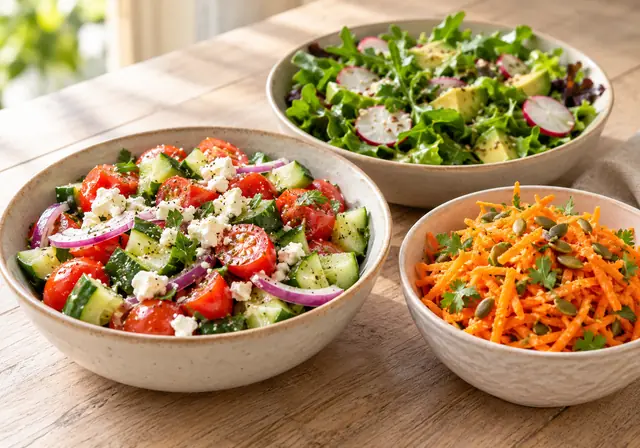
 Vegan
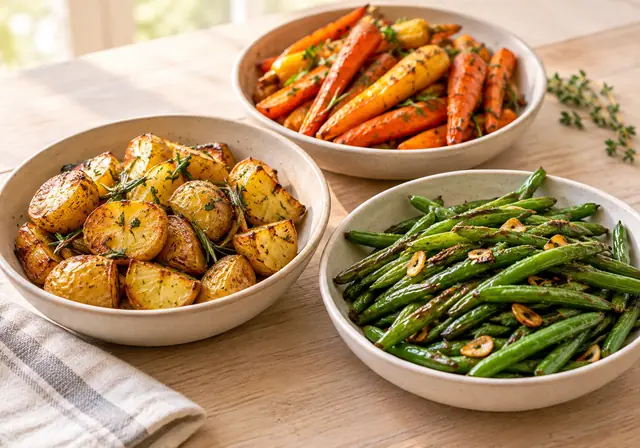 Vegetarian
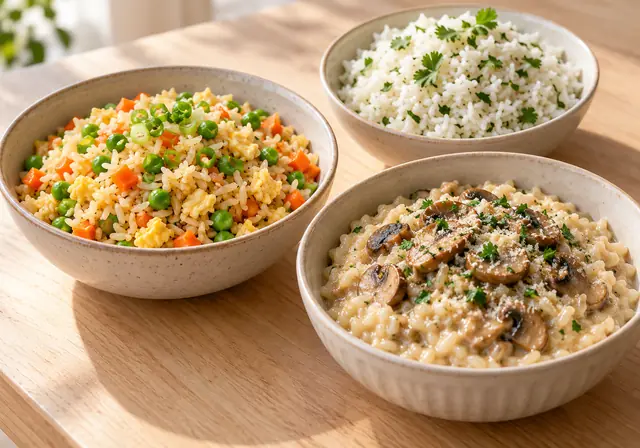 Gluten-free
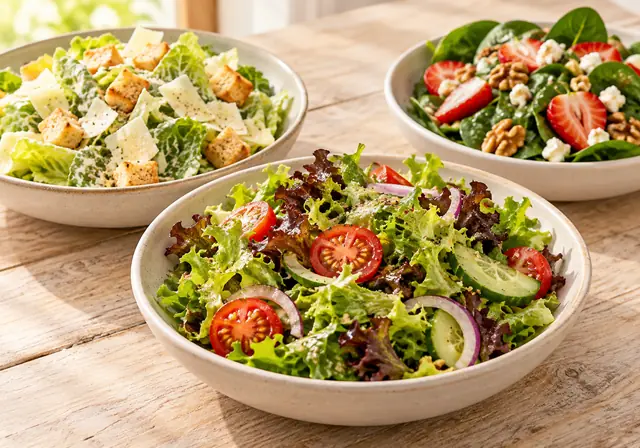 Lactose-free
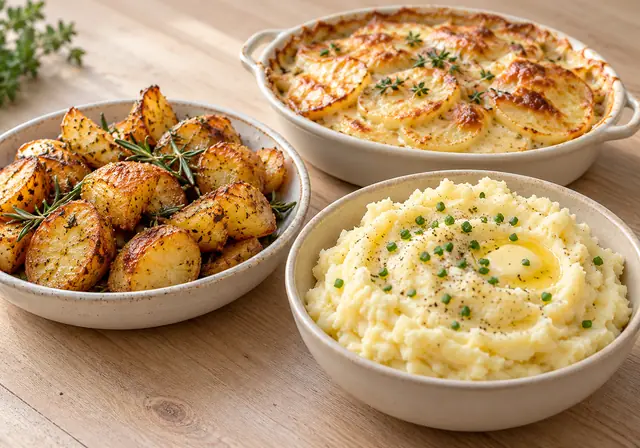 Low-histamine
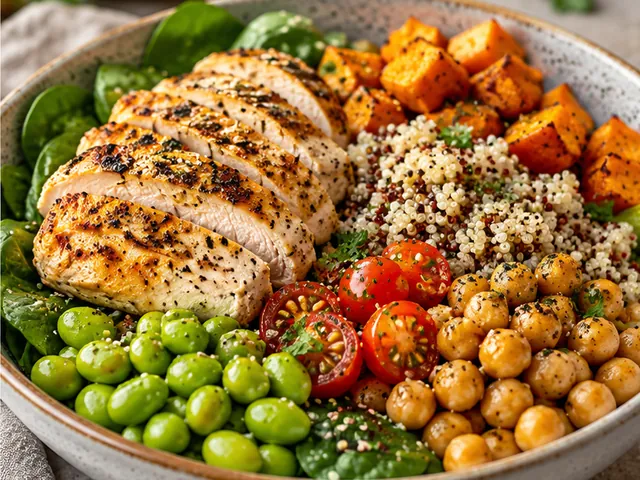 High-Protein
 AI-generated
Subcategories
AI-generated AI-generated
 AI-generated
 AI-generated
 AI-generated
 AI-generated
 AI-generated
 AI-generated
 AI-generated
 AI-generated
 AI-generated
 AI-generated
 AI-generated
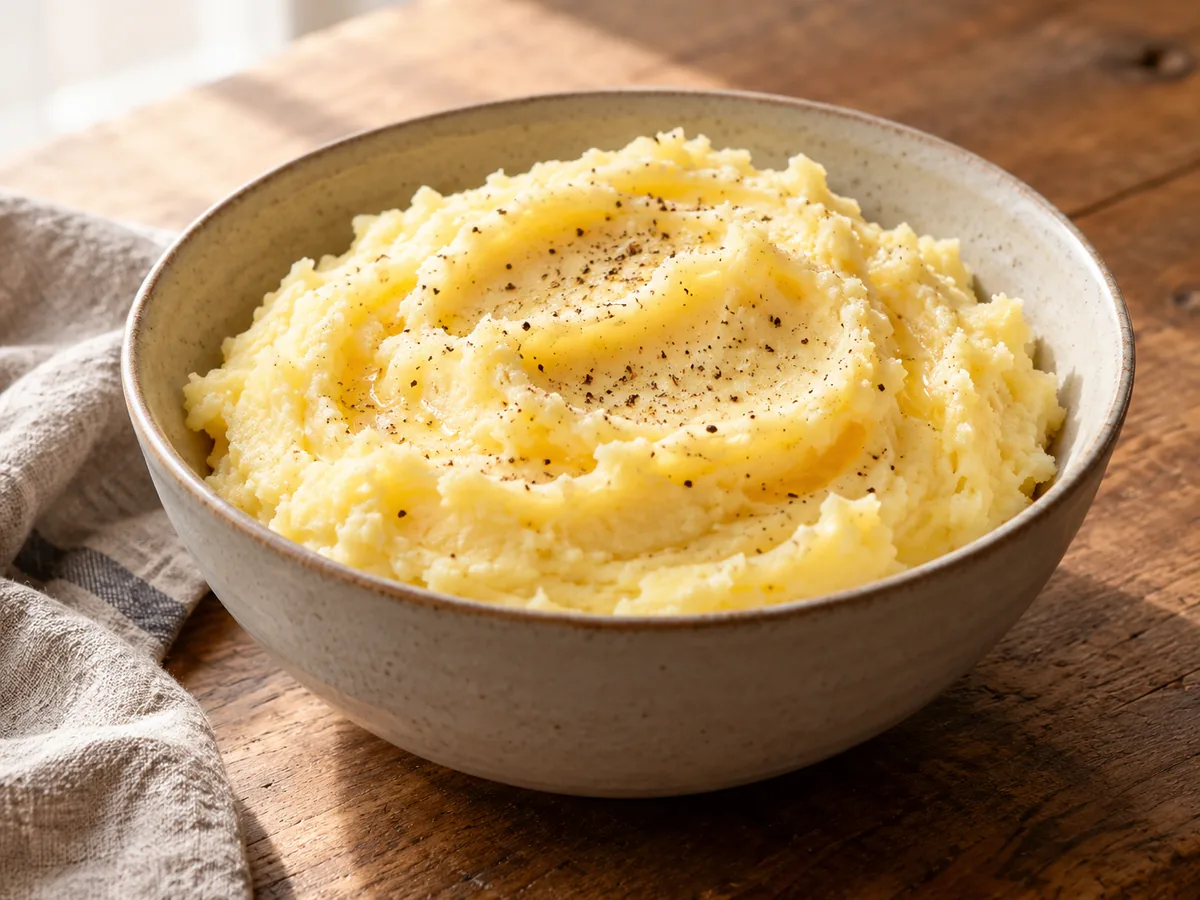 AI-generated
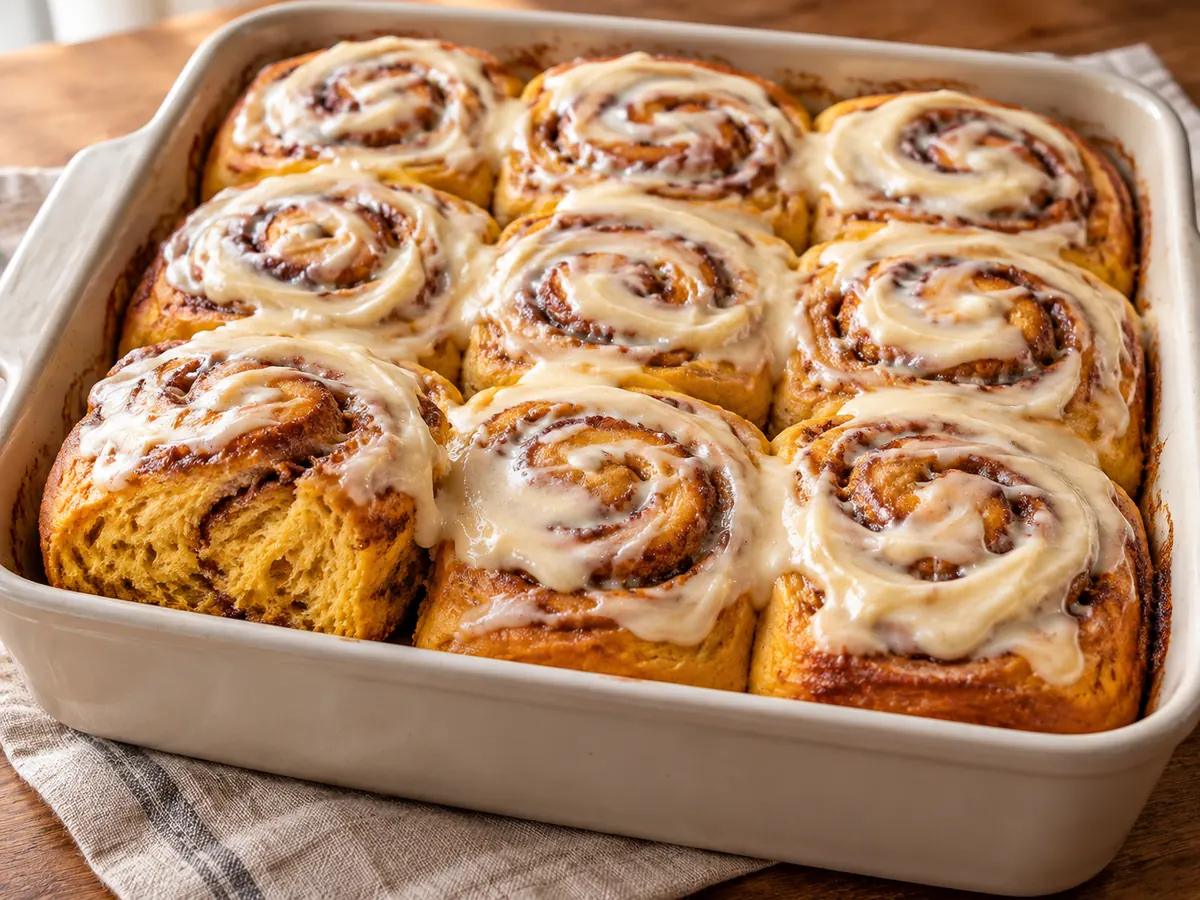 AI-generated
 AI-generated
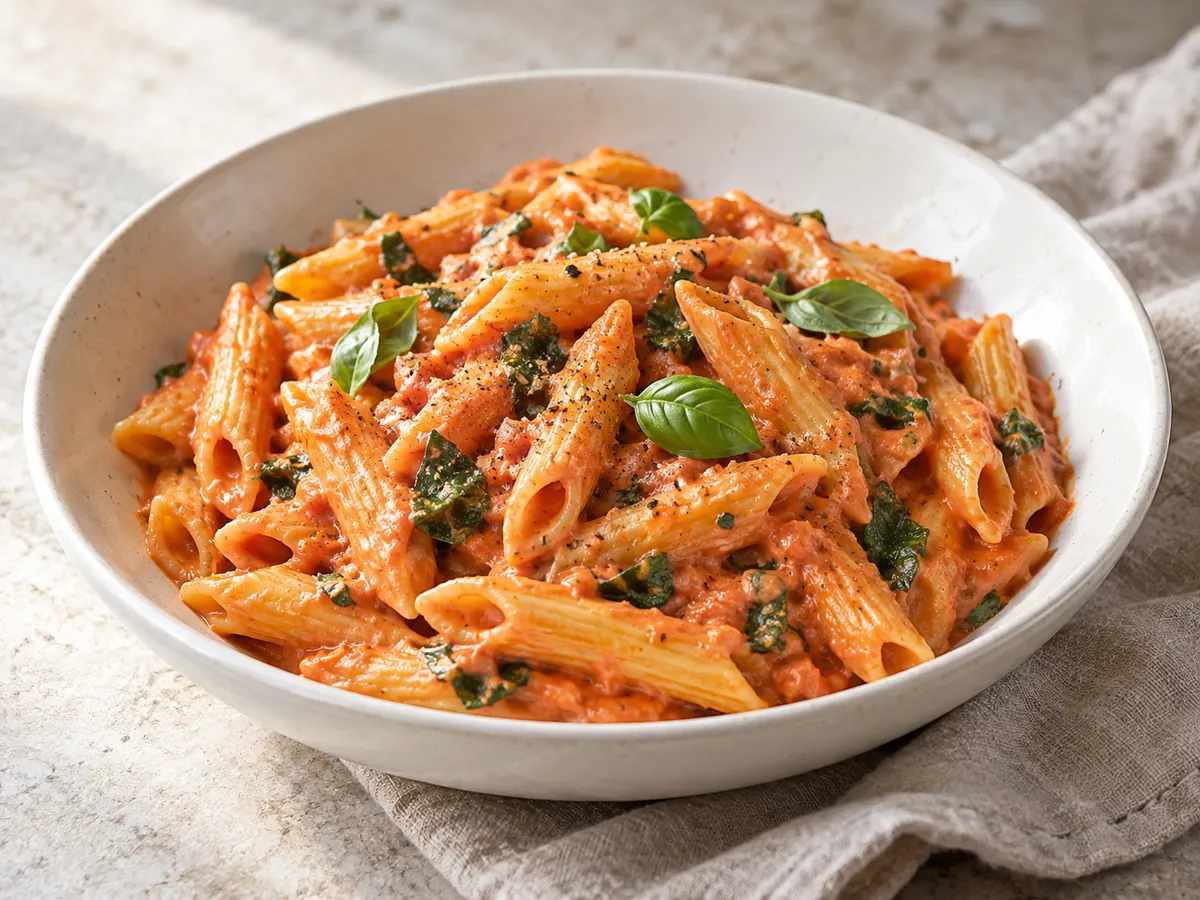 AI-generated
 AI-generated
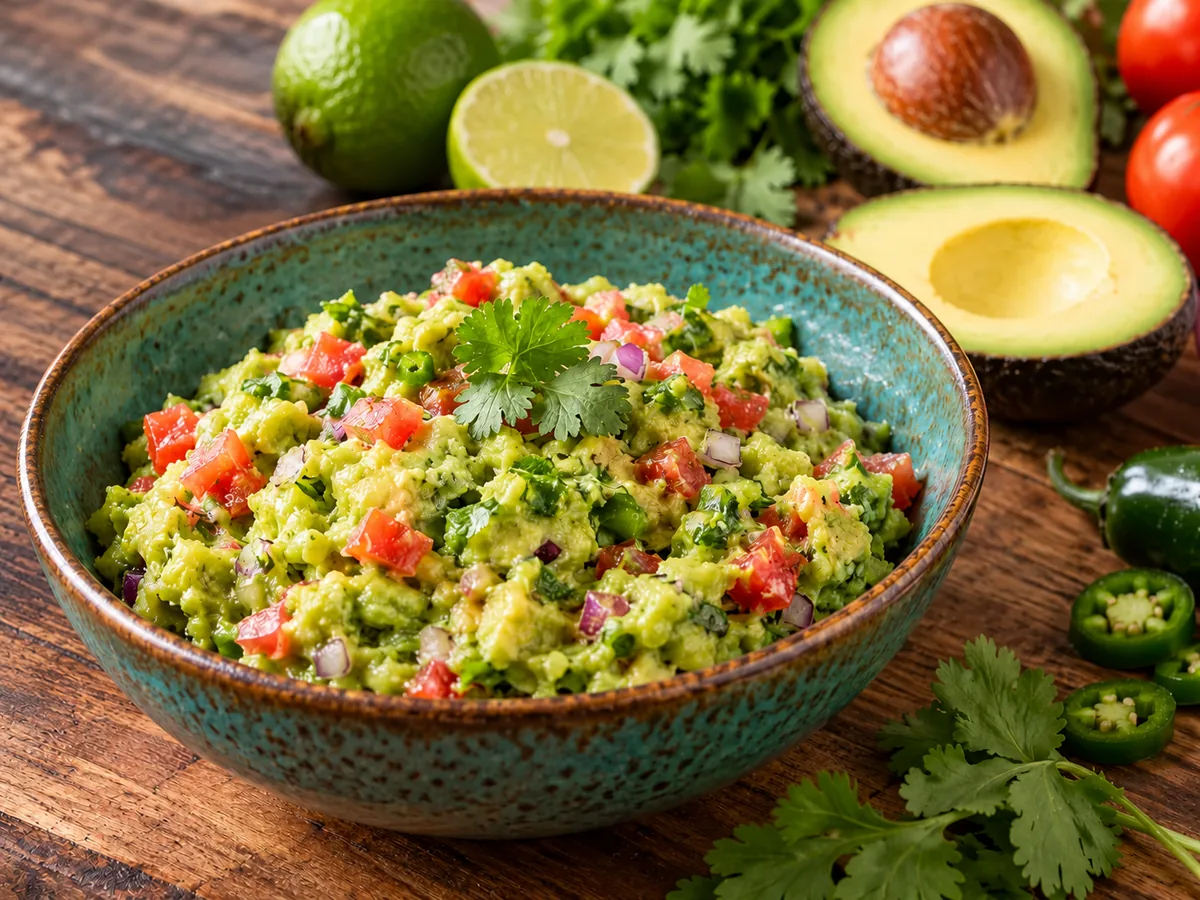 AI-generated
 AI-generated
 AI-generated
 AI-generated
 AI-generated
 AI-generated
 AI-generated
 AI-generated
 AI-generated
 AI-generated
 AI-generated
 AI-generated
 AI-generated
 AI-generated
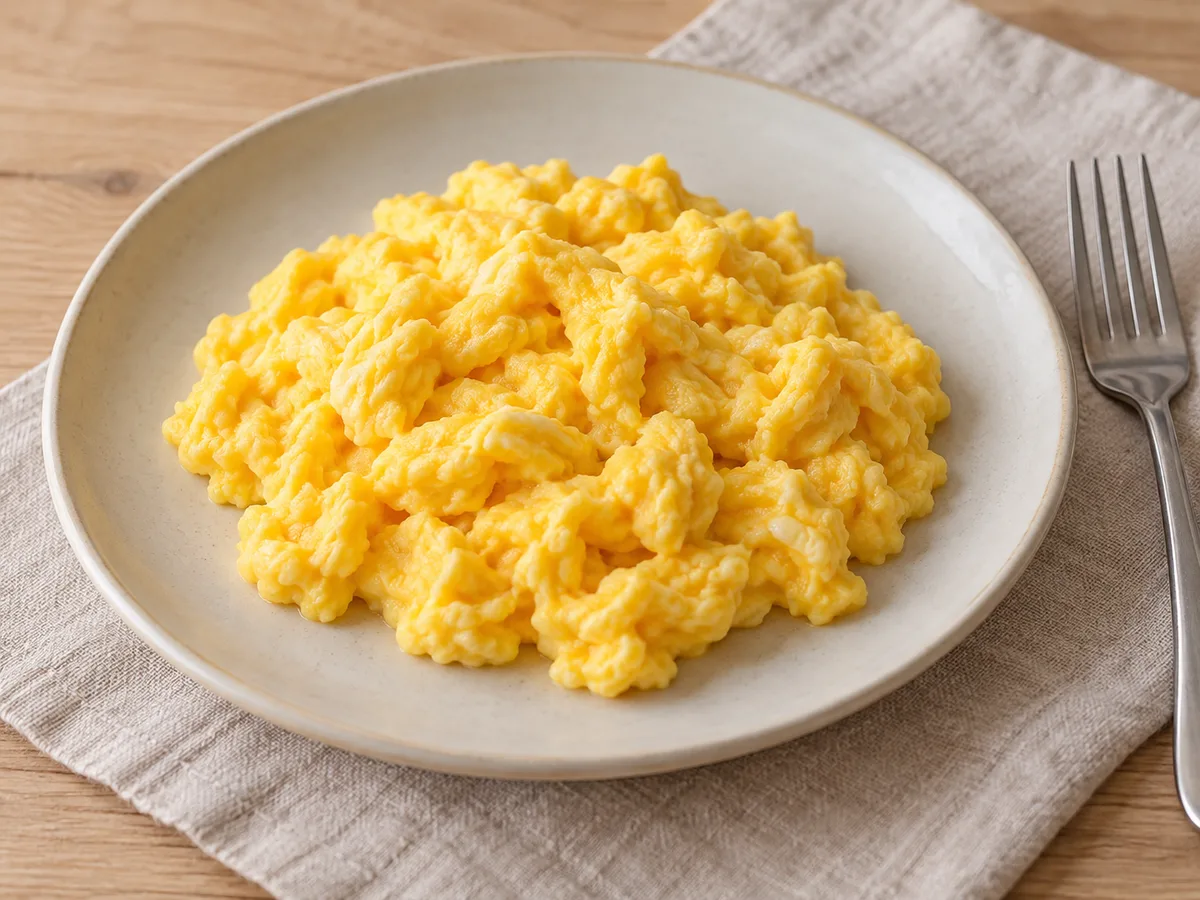 AI-generated
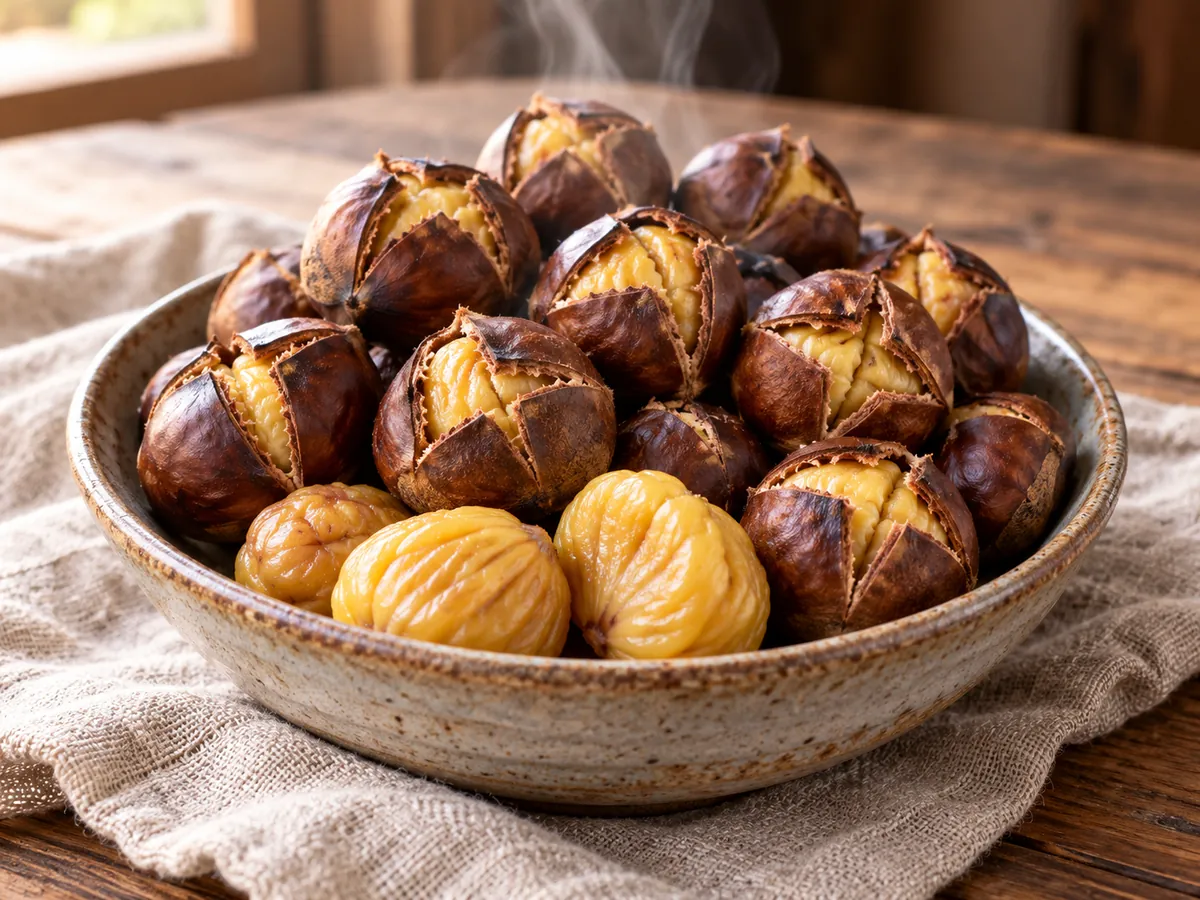 AI-generated
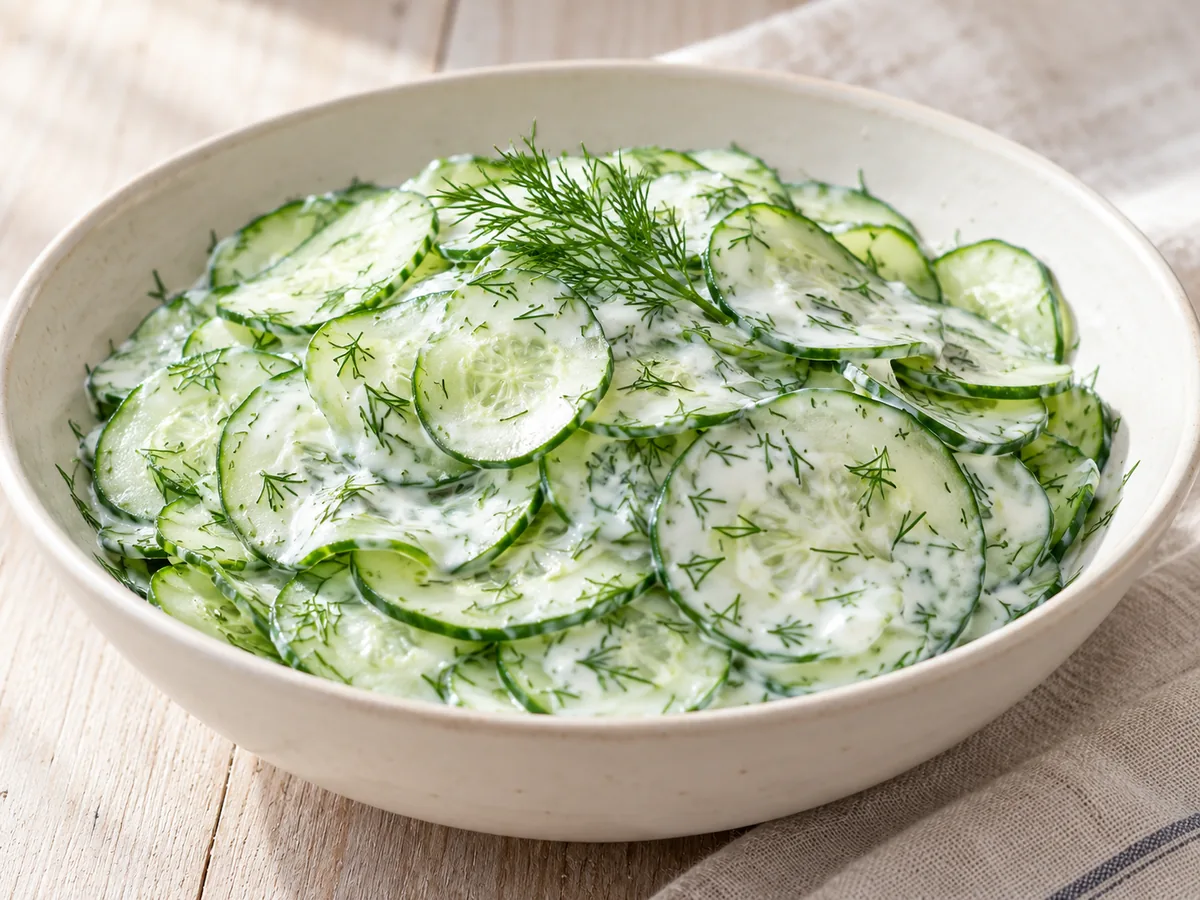 AI-generated
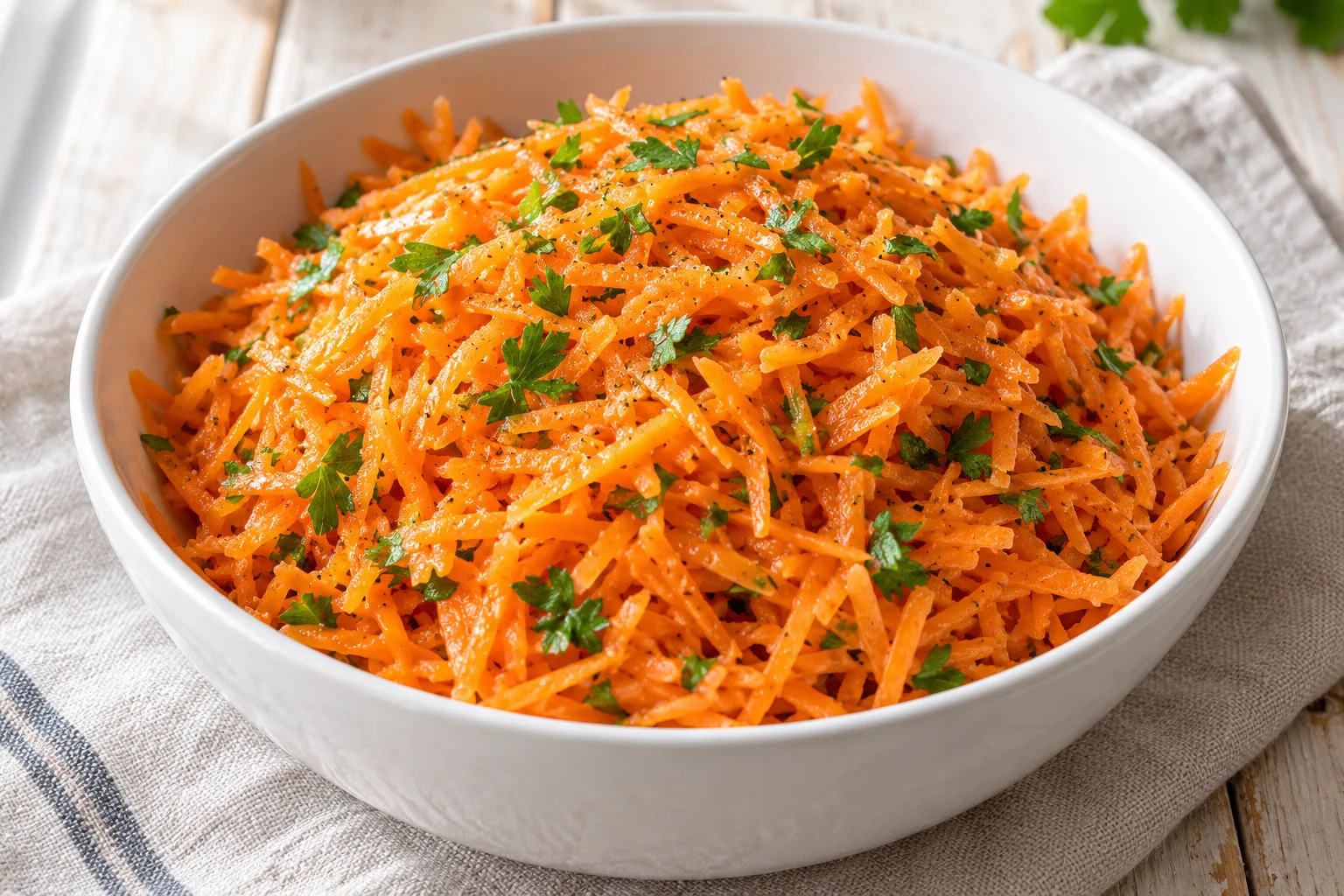 AI-generated
 AI-generated
 AI-generated
 AI-generated
 AI-generated
 AI-generated
 AI-generated
 AI-generated
 AI-generated
 AI-generated
 AI-generated
 AI-generated
Dietary preferences
Explore vegan, vegetarian, gluten-free and high-protein recipes.
Browse dietary preferences and check ingredients and product labels for your needs.
Dietary categories answer different questions
People choose dietary patterns for ethical, personal, cultural or medical reasons. Those motives cannot be treated as equivalent. Vegetarian and vegan identify different approaches to animal-derived ingredients; gluten-free and lactose-free respond to particular substances; histamine-related dietary restrictions demand careful individual assessment. A collection organised by dietary preference can help you find relevant food, but it should not imply that all these labels mean the same thing. Each recipe needs to be considered in the context of the ingredients it actually contains.
Understand vegetarian and vegan distinctions
Vegetarian food excludes meat and fish but may include eggs and dairy, depending on the individual's approach. Vegan food excludes animal-derived ingredients more broadly, including eggs, dairy and honey. Some ingredients are easy to overlook: gelatine, stocks and certain cheeses can matter even when vegetables are prominent. A complete meal may also include optional sauces or sides that change its dietary classification. Checking the full composition is therefore more useful than trusting the appearance or title of one component.
Gluten and lactose require different checks
Gluten is found in wheat, rye, barley and related ingredients. People with coeliac disease also need to consider cross-contact and appropriate product labelling; rice or potatoes being naturally gluten-free does not guarantee an entire dish is safe. Lactose is milk sugar, and lactose intolerance is not the same as milk-protein allergy. A lactose-free dairy product may still contain milk proteins. These differences matter when preparing food for guests. The relevant product labels and individual requirements should take precedence over a broad category badge.
Treat histamine-related labels cautiously
Histamine-related food sensitivities are complex and do not follow one universal list of safe ingredients. Storage, fermentation, other biogenic amines and individual responses can influence whether a food is tolerated. A recipe collection cannot promise symptom-free eating on the basis of a simple tag. Anyone considering a substantially restrictive diet because of symptoms should seek qualified medical guidance. Clear ingredients and an honest account of uncertainty are more valuable than a reassuring but unsupported safety claim.
How do I choose food for a particular diet?
Begin with the actual reason for the restriction, then use the corresponding category as a way to discover possible options. One dish can fit several labels, but the labels should be checked independently. Vegan does not automatically mean gluten-free or nut-free. When making food for someone else, ask about their needs rather than inferring them from the name of a diet. Use the individual recipe ingredients and any component choices to make a considered decision. The category is a navigation tool, not a substitute for specialist advice.
Explore all recipes
ⓘ Ratings come exclusively from approved community contributions.