

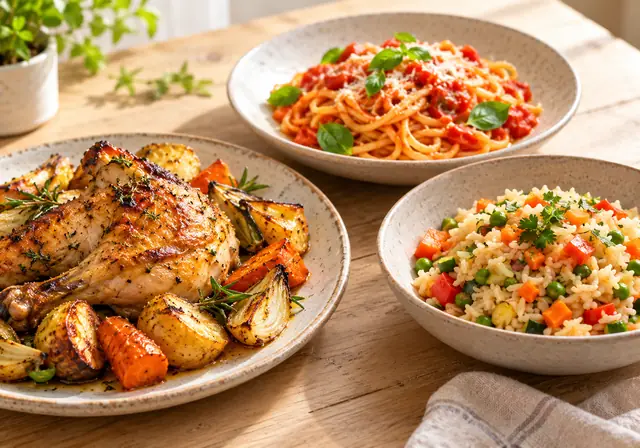
 Main courses
 Baking
 Desserts
 Ice cream & frozen treats
 Breakfast
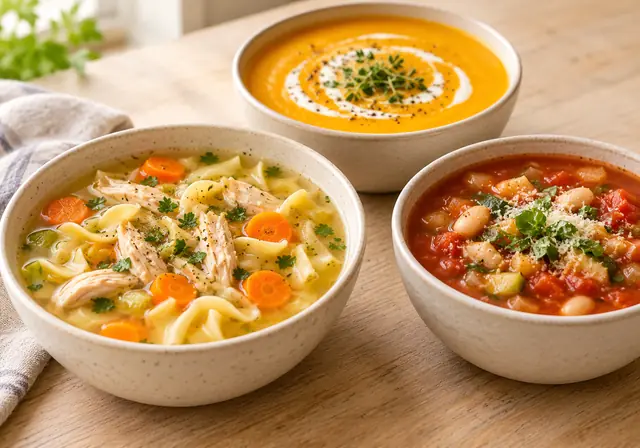 Soups
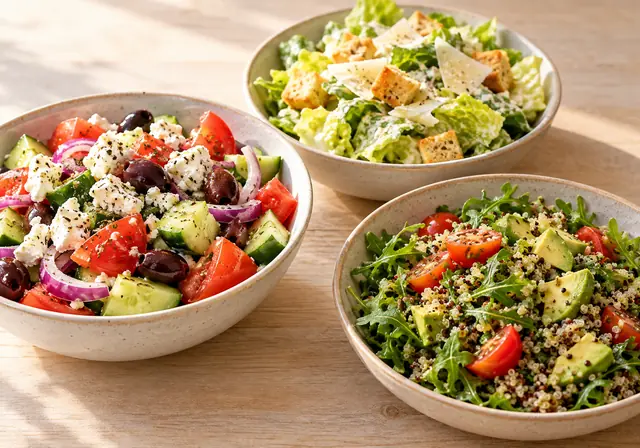 Salads
 Drinks
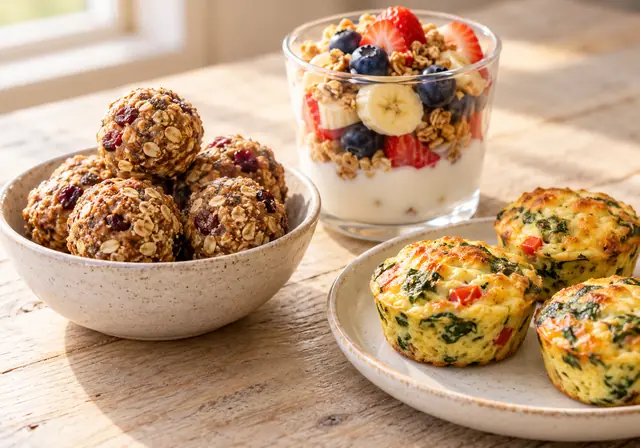 Snacks
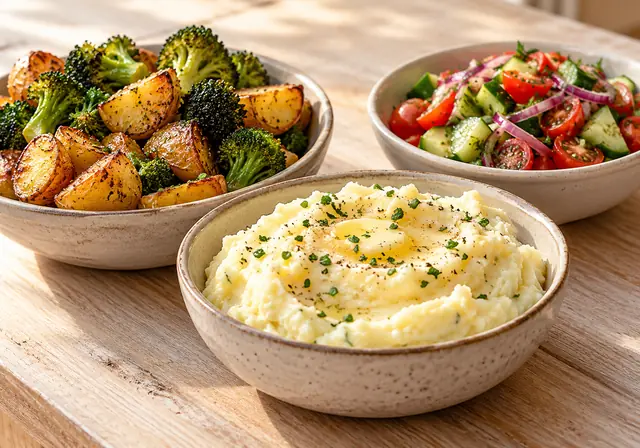 Side dishes
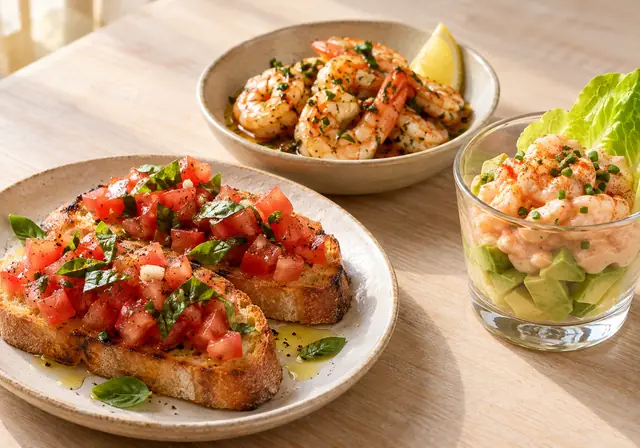 Starters
 AI-generated
All recipes
Categories
AI-generated AI-generated
 AI-generated
 AI-generated
 AI-generated
 AI-generated
 AI-generated
 AI-generated
 AI-generated
 AI-generated
 AI-generated
 AI-generated
 AI-generated
 AI-generated
 AI-generated
 AI-generated
 AI-generated
 AI-generated
 AI-generated
 AI-generated
 AI-generated
 AI-generated
 AI-generated
 AI-generated
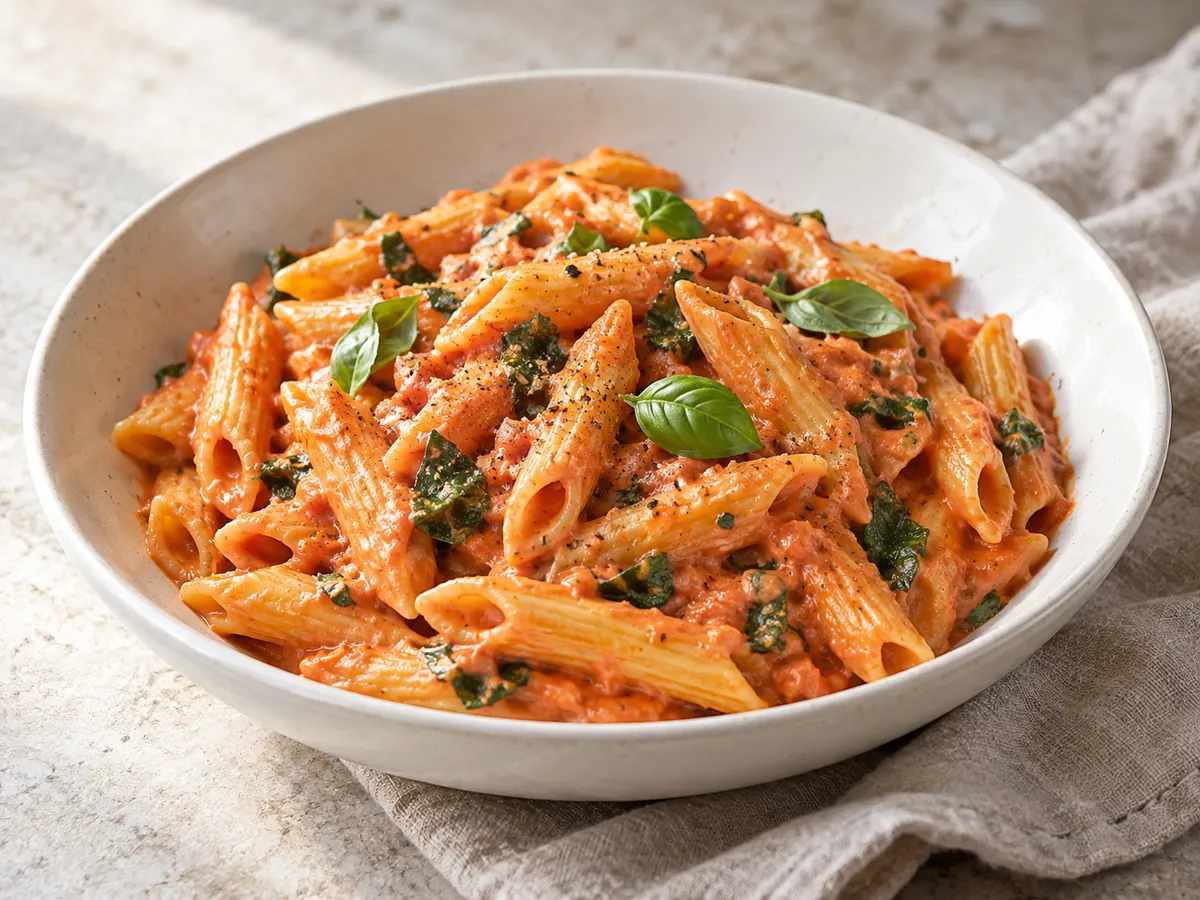 AI-generated
 AI-generated
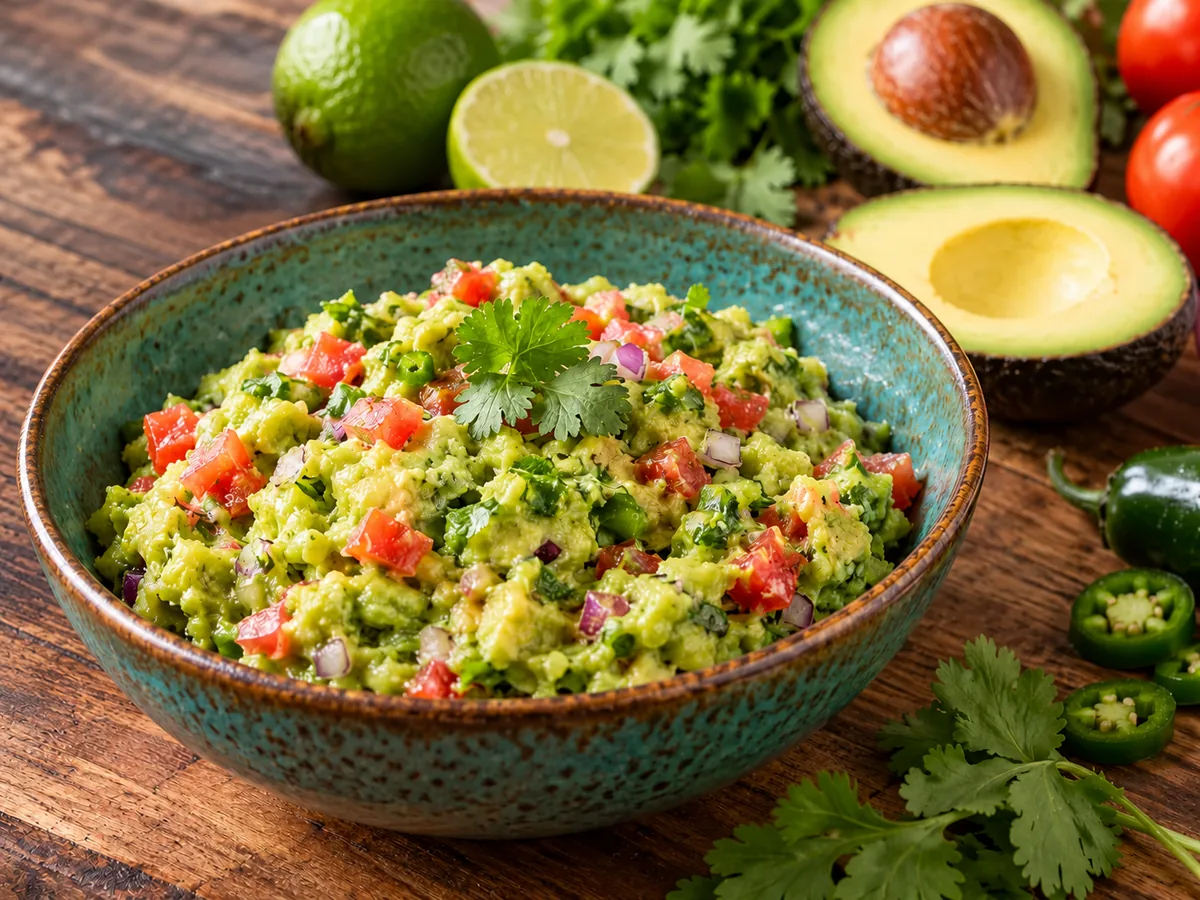 AI-generated
 AI-generated
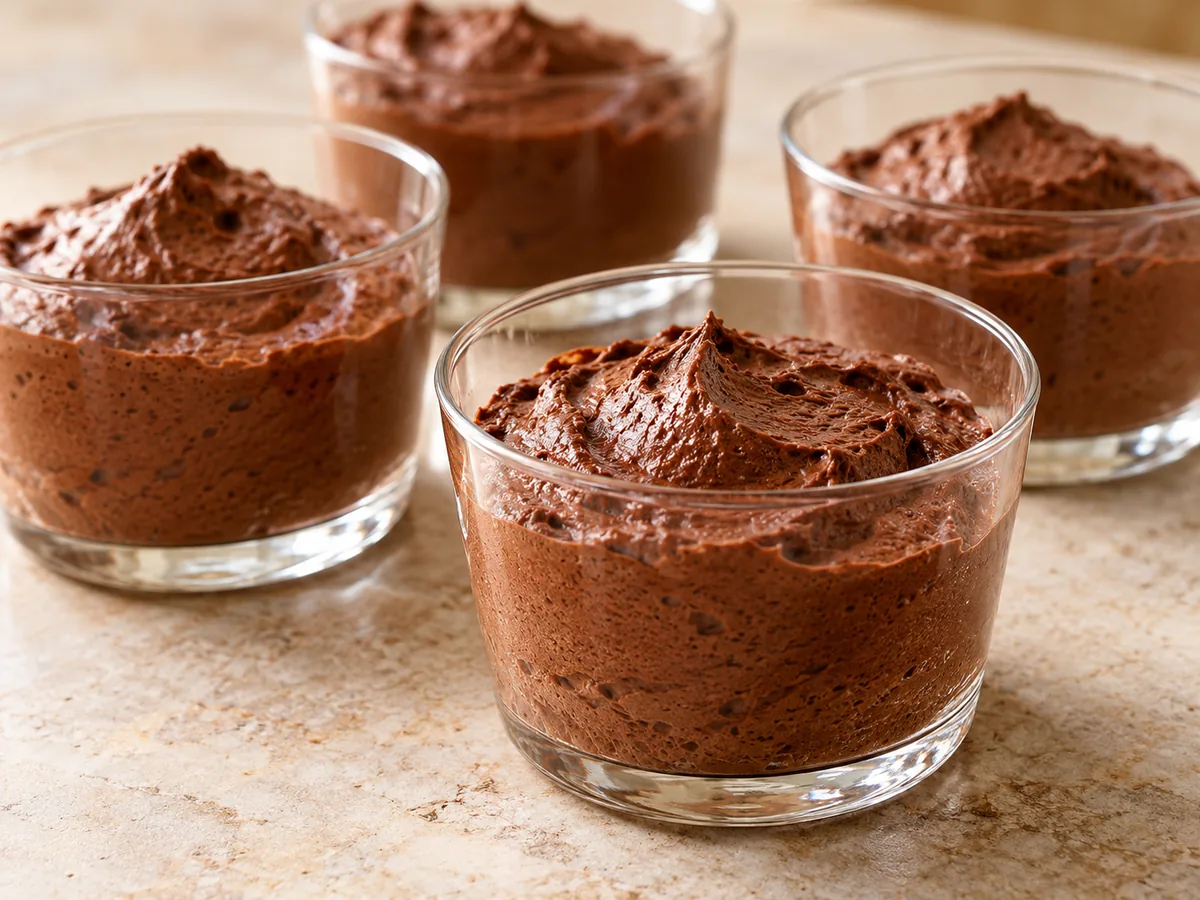 AI-generated
 AI-generated
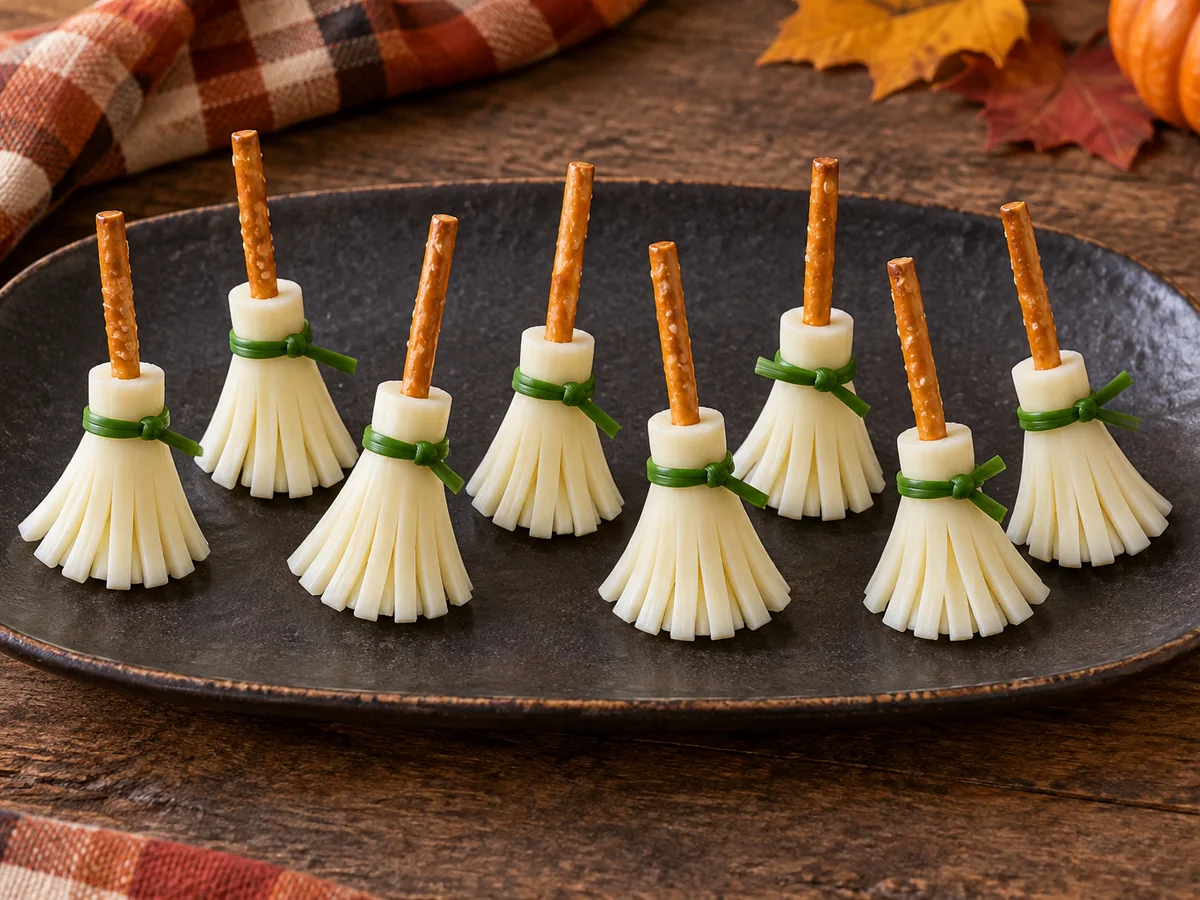 AI-generated
 AI-generated
 AI-generated
 AI-generated
 AI-generated
 AI-generated
 AI-generated
 AI-generated
 AI-generated
 AI-generated
 AI-generated
 AI-generated
 AI-generated
 AI-generated
 AI-generated
 AI-generated
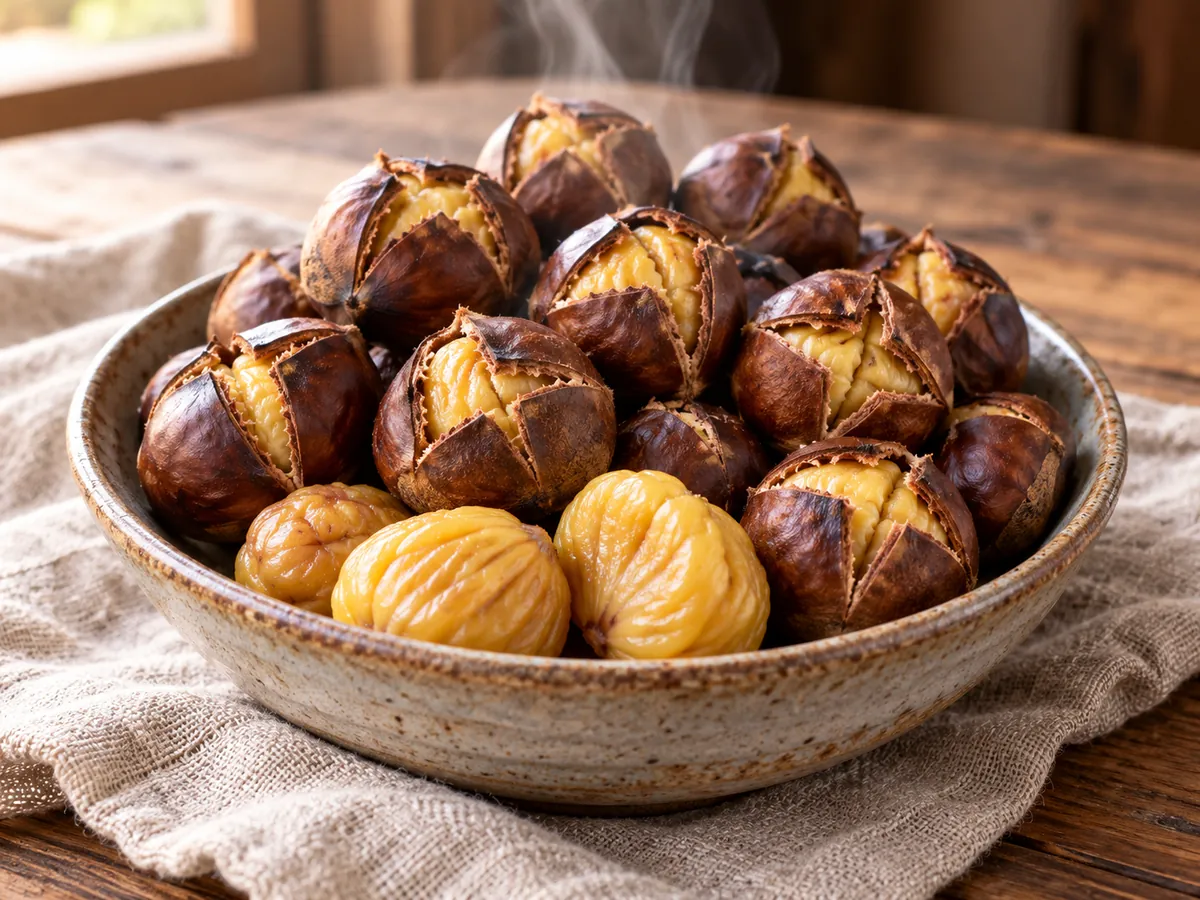 AI-generated
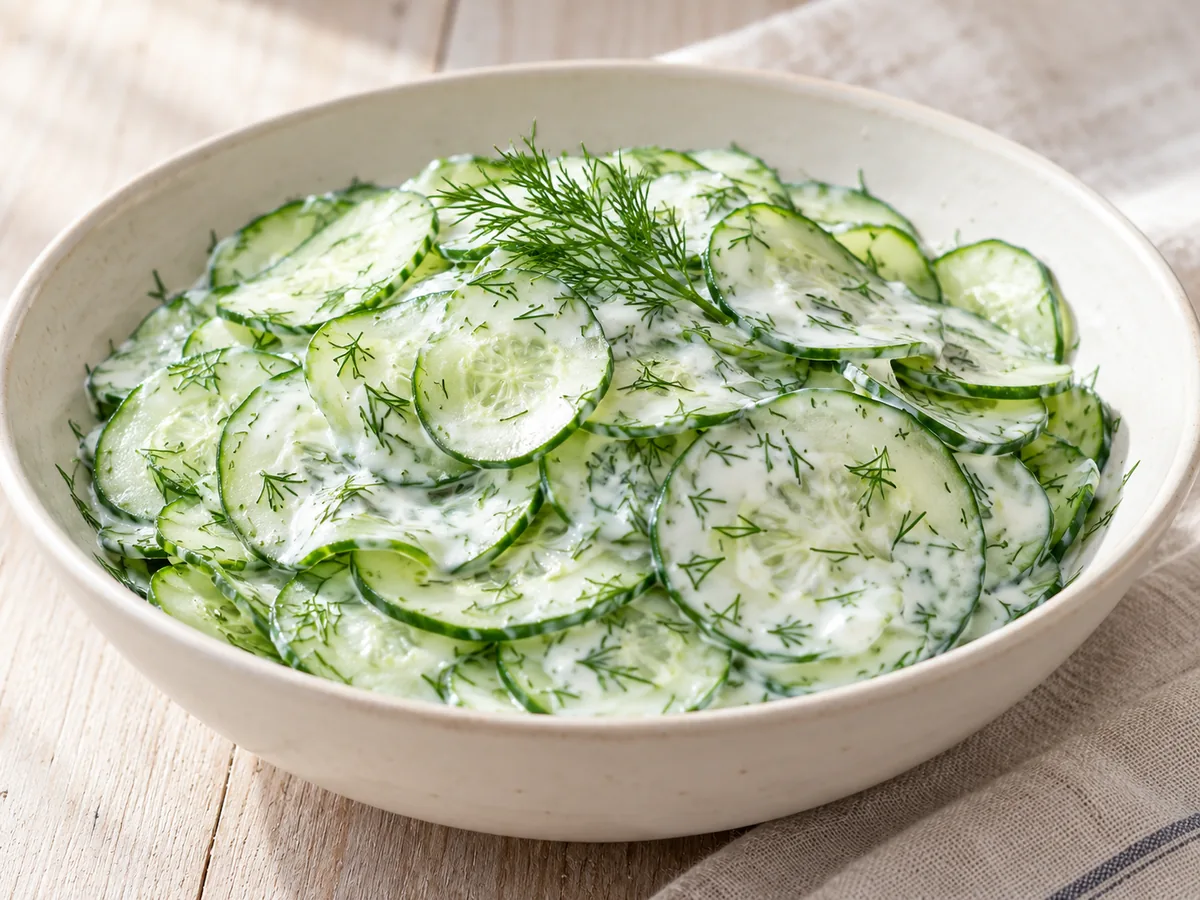 AI-generated
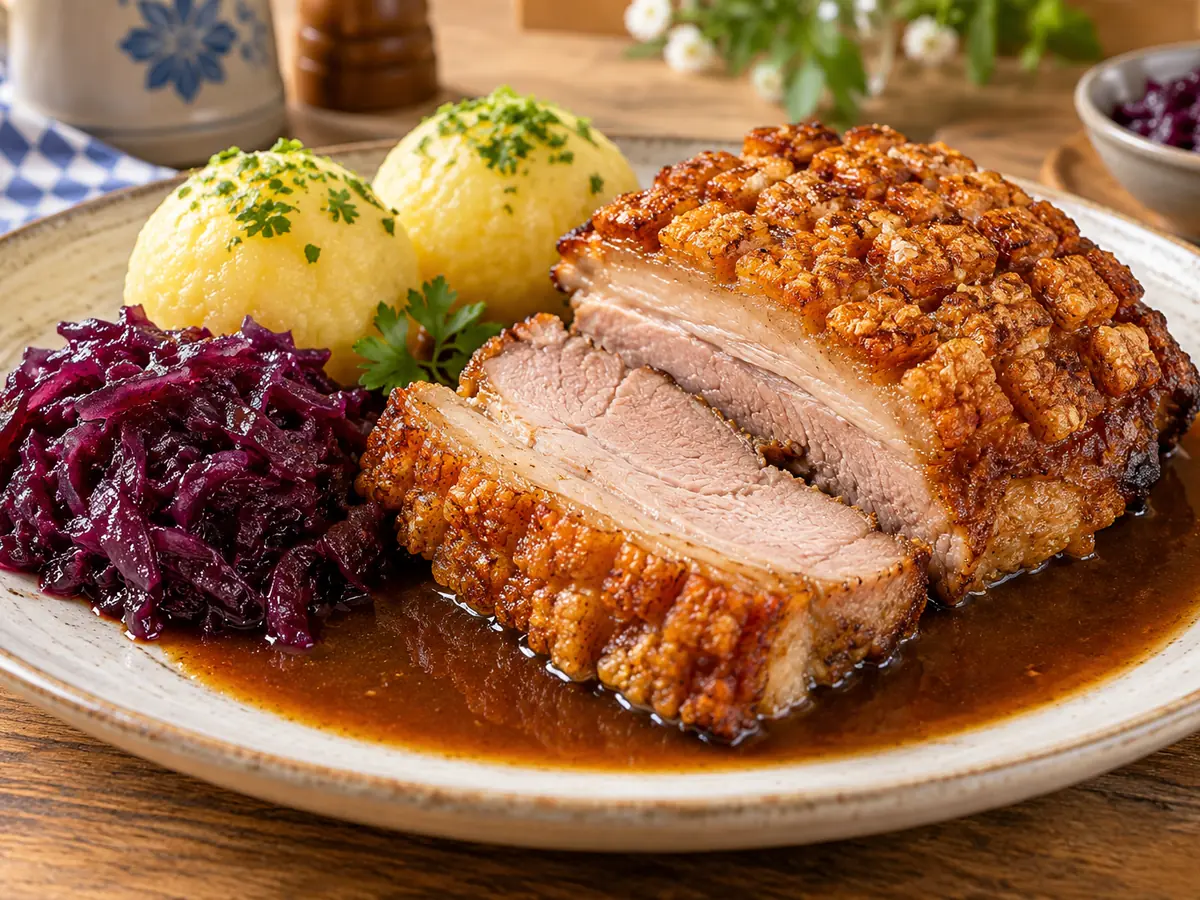 AI-generated
 AI-generated
Find recipes to suit your kitchen and taste
Choose what to cook, bake or serve by starting with a dish category or exploring a world cuisine. Browse the available recipes and compare their ingredients and flavours before deciding what to make.
Use filters to narrow your selection, then check total time, ingredients and servings. Open a recipe for quantities and step-by-step preparation. If you follow a particular diet, check the recipe ingredients and product labels as well as the dietary tags.
Find recipes with a purpose
A large recipe collection is easier to use when you start with the type of food you need. Someone planning dinner has different priorities from someone arranging a birthday dessert or a selection of cold drinks. The recipe catalogue separates mains, baking, soups, salads, desserts, snacks and other areas so that you can explore them directly. Within each group, ingredients, portions and intended role can still differ considerably. The aim is to identify useful options without having to know every recipe by name before you begin looking.
Choose between a whole meal and a supporting dish
Main courses, starters and sides each have a different role, although some dishes can serve more than one purpose. A hearty soup might be lunch by itself, while a smaller portion works before another course. A salad can add freshness to a rich meal or become a substantial option with additional ingredients. Desserts and baked goods meet different needs from savoury mains, and beverages deserve their own choices. Considering how dishes work together makes it easier to plan a varied meal rather than collecting several very similar items.
Use cuisines and occasions to narrow the choices
A cuisine category can reveal particular ingredients, regional traditions and flavour combinations, but it should never be treated as a stereotype. Food from one country may vary widely by region and family. Occasion categories answer a different question: will the food be shared at a brunch, served at a formal celebration or carried to a picnic? A practical selection depends on how the meal will be eaten, how many guests there are and what those guests enjoy. Combining these filters can make a broad catalogue much more relevant.
Read dietary labels as guidance, not guarantees
Vegan and vegetarian classifications describe different restrictions on animal ingredients. Gluten-free and lactose-free refer to other specific requirements, while histamine-related sensitivities can involve substantial individual variation. A filter can help locate promising recipes but cannot guarantee a safe outcome for someone with an allergy or medical condition. Stocks, sauces, toppings and optional sides may introduce ingredients that are not obvious from a dish's title. Check the complete recipe and the labels of the actual products used, especially when cross-contact is a concern.
Which sorting and filtering options should you use?
Start with a category, then consider how much time you have, the number of servings and the flavours you prefer. Sorting by recent additions can reveal new ideas; sorting by genuine user ratings answers a different question. Neither replaces looking at the recipe itself. When results feel too broad, choose a narrower food type or dietary requirement rather than scanning everything. The catalogue is intended to make those decisions transparent and manageable, while leaving room for experimentation and personal preference.
Explore all recipes
ⓘ Ratings come exclusively from approved community contributions.