

 Birthday
 Breakfast
 Brunch
 Barbecue
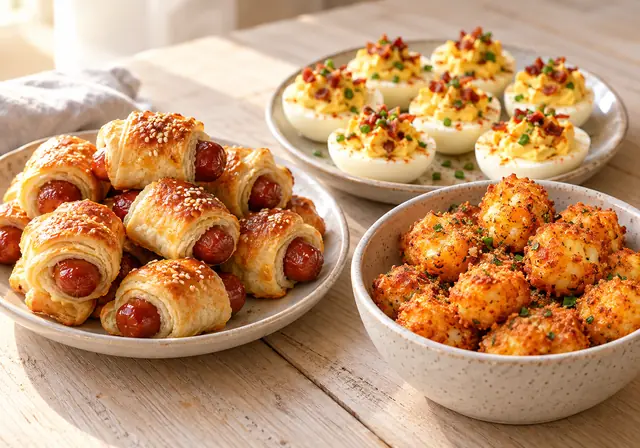 Party
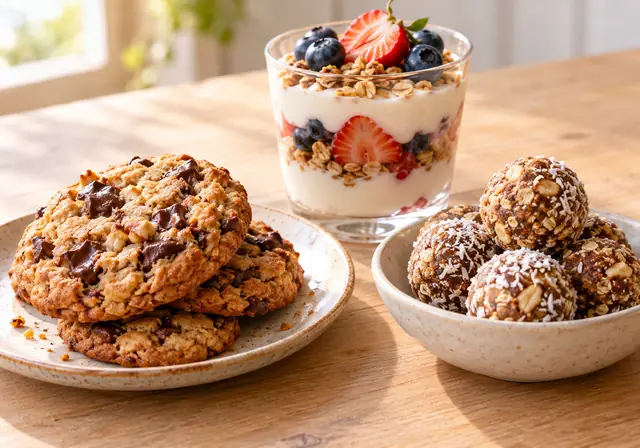 For kids
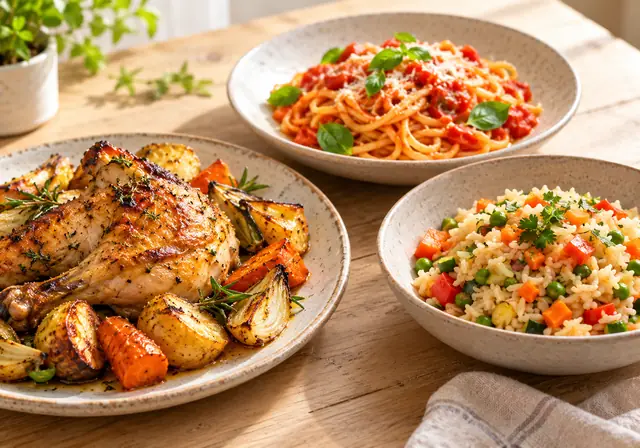 Everyday
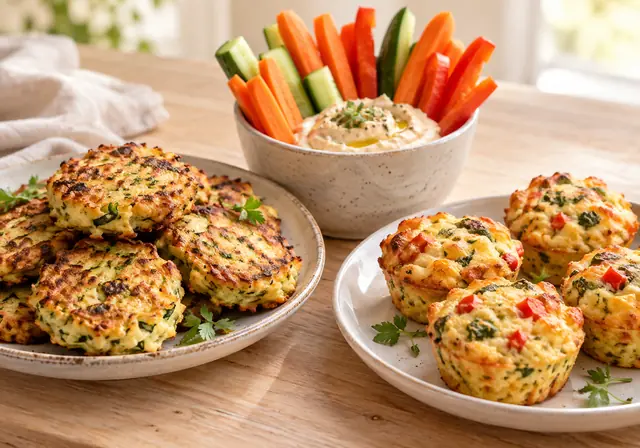 Picnic
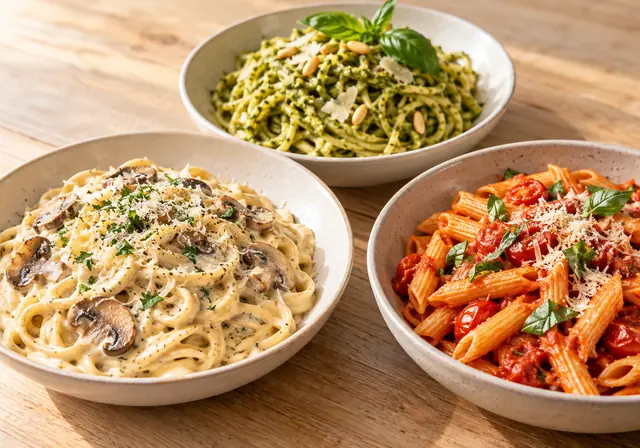 Date night
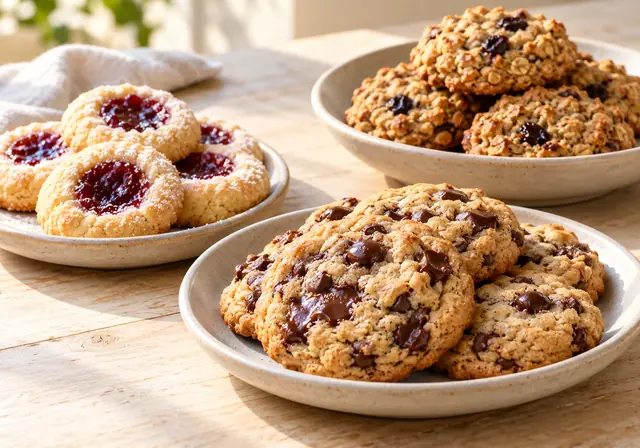 Christmas
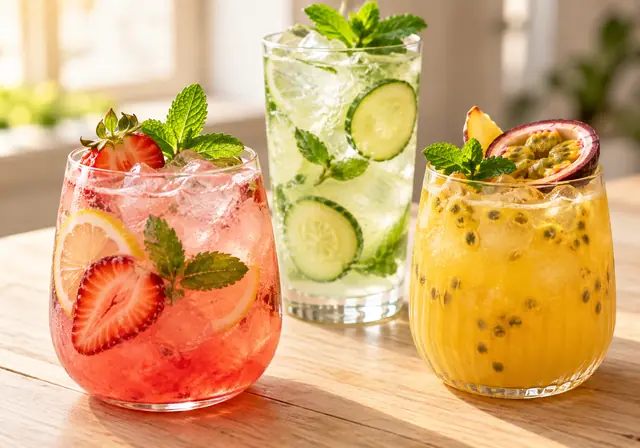 New Year
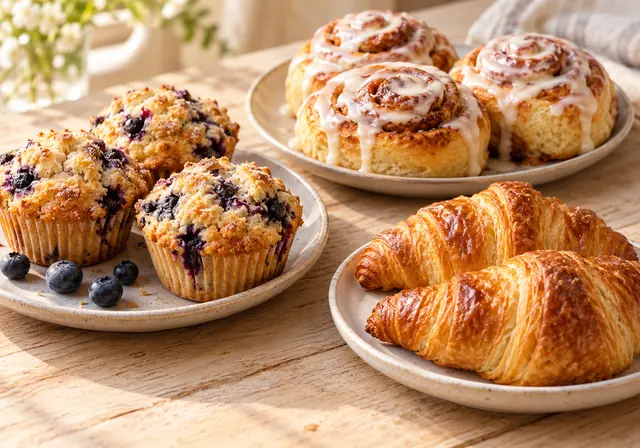 Easter
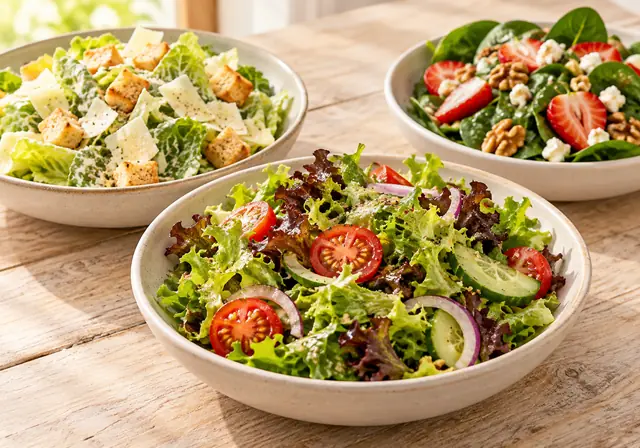 Spring
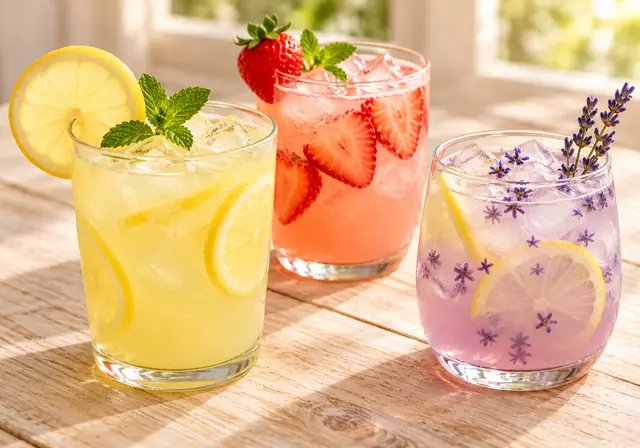 Summer
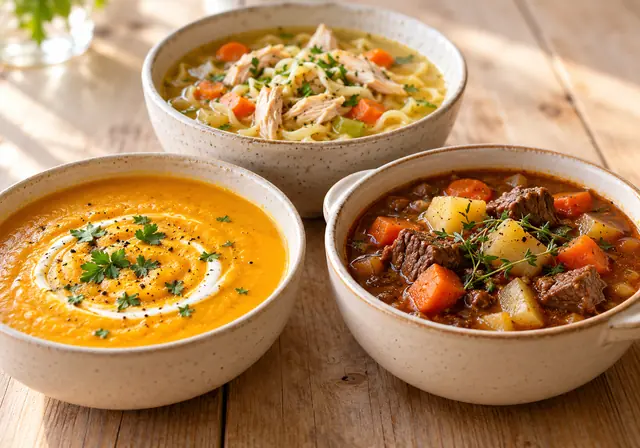 Autumn
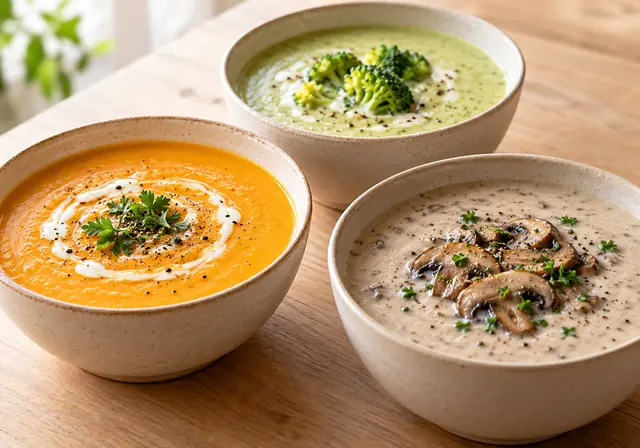 Winter
 AI-generated
Subcategories
AI-generated AI-generated
 AI-generated
 AI-generated
 AI-generated
 AI-generated
 AI-generated
 AI-generated
 AI-generated
 AI-generated
 AI-generated
 AI-generated
 AI-generated
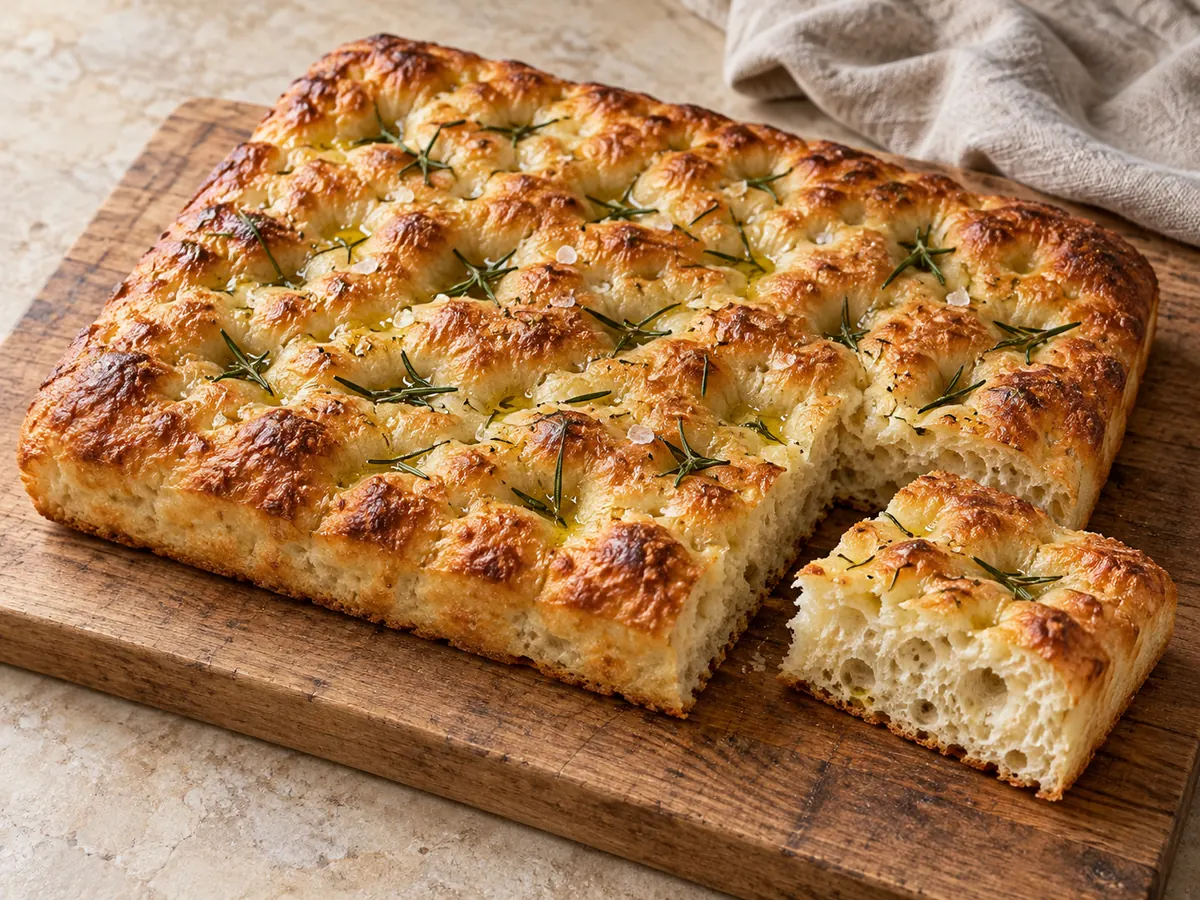 AI-generated
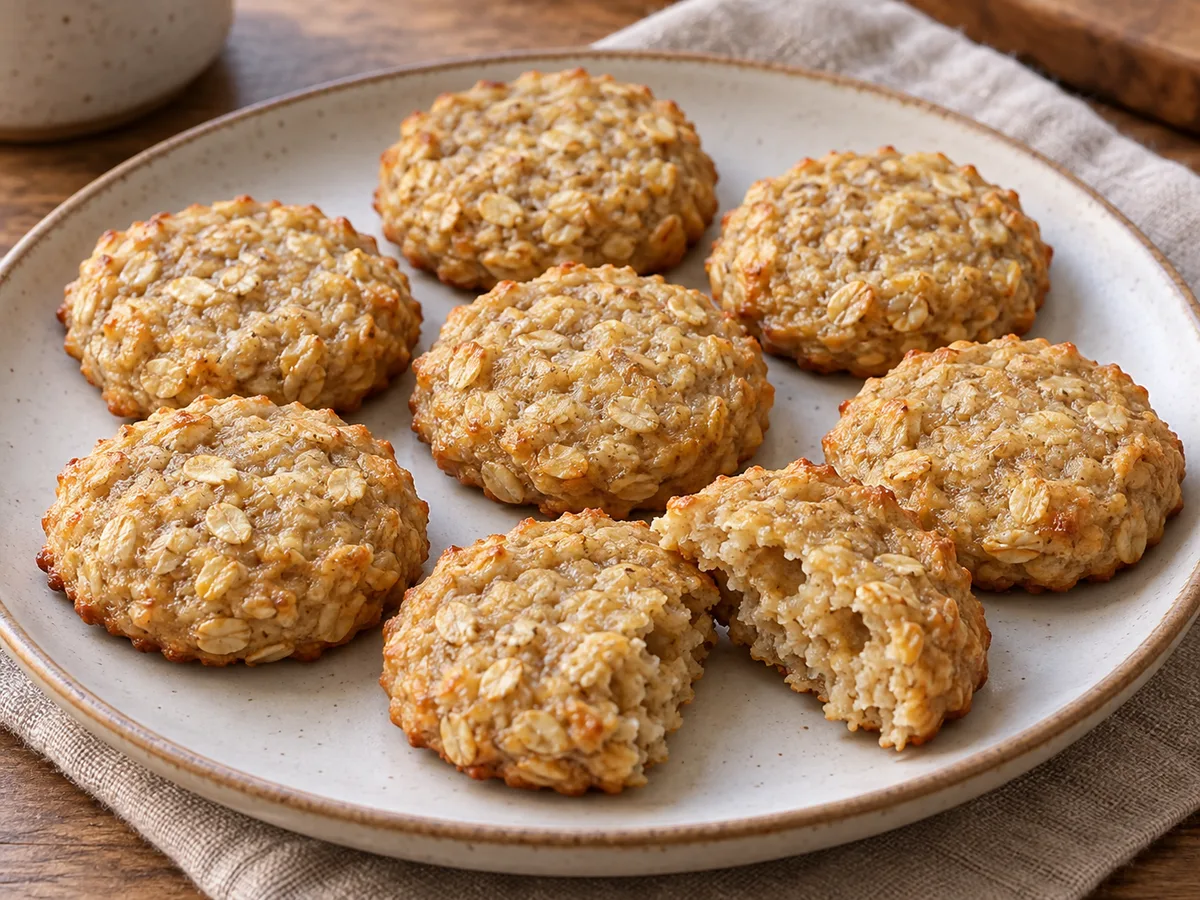 AI-generated
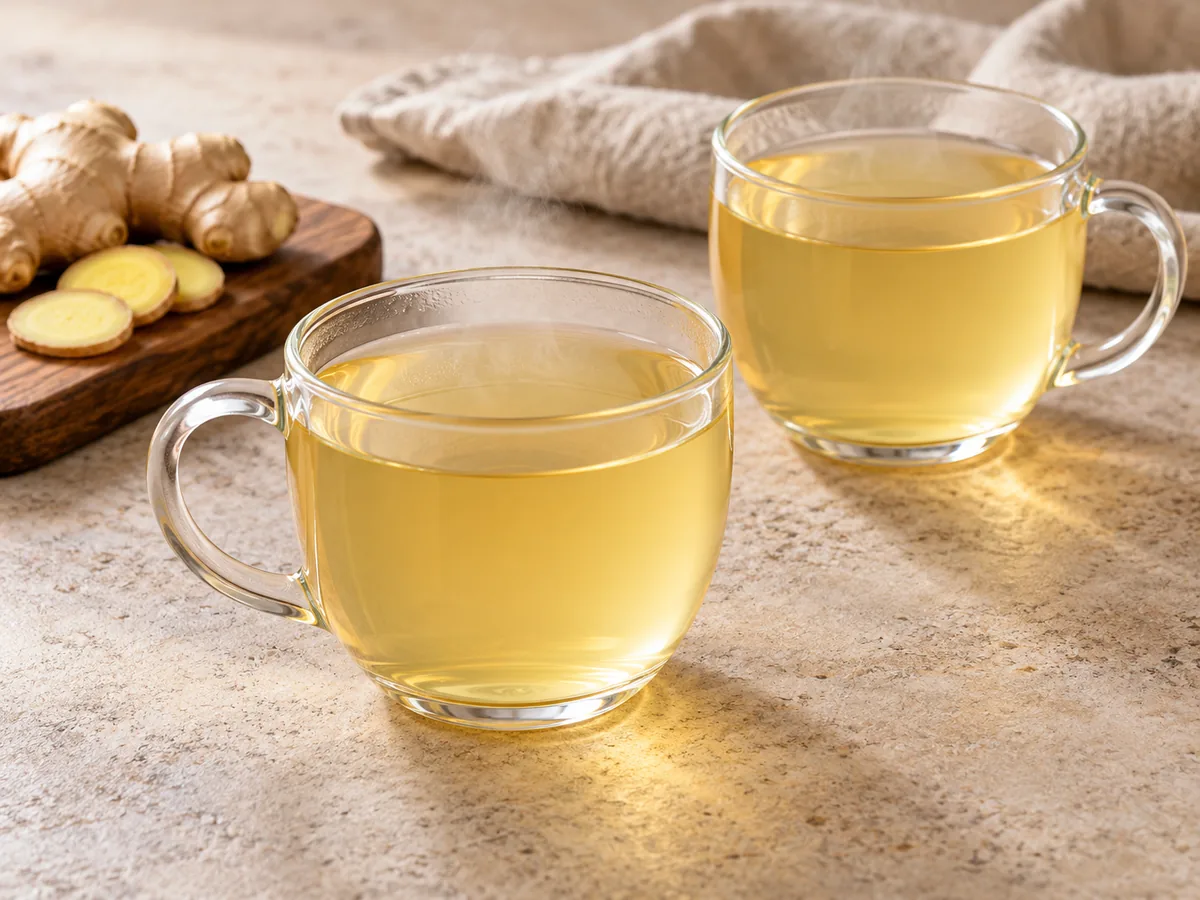 AI-generated
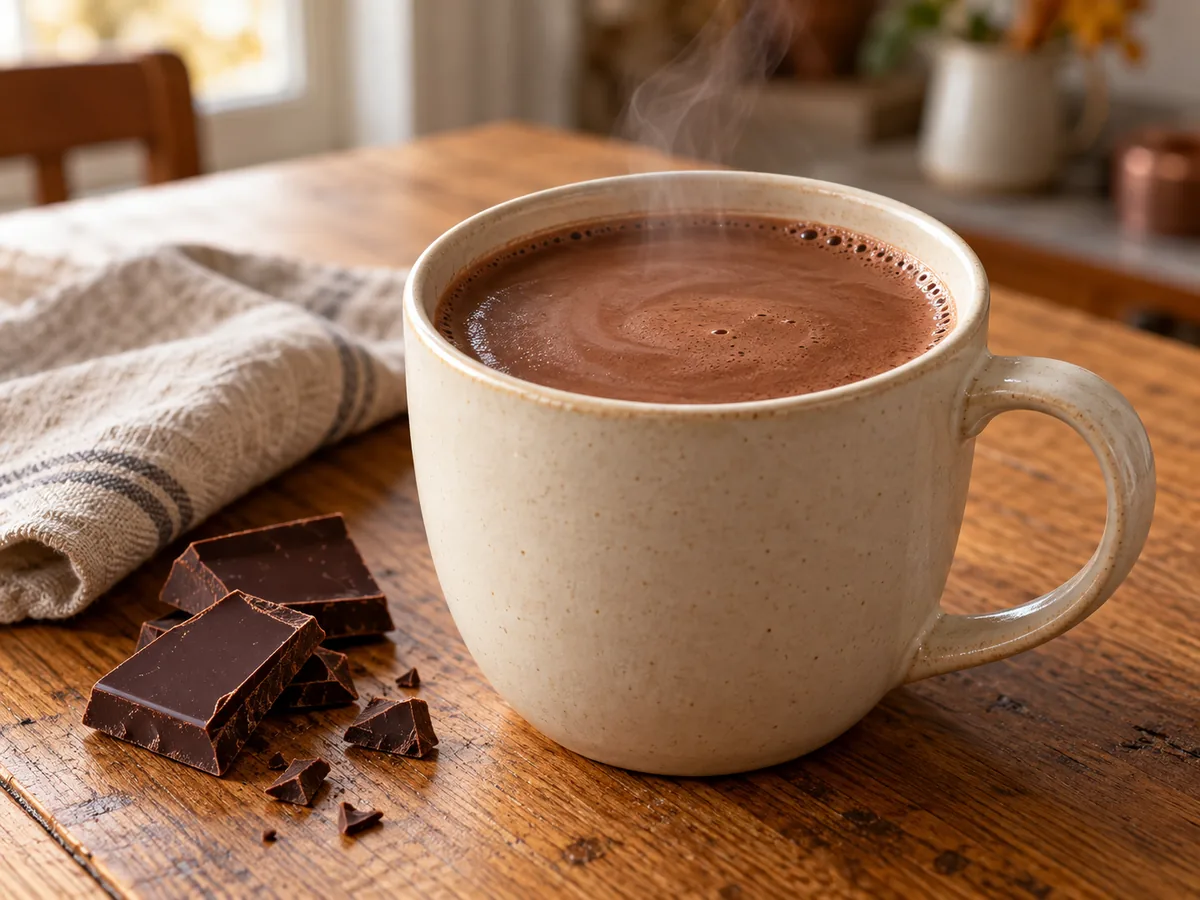 AI-generated
 AI-generated
 AI-generated
 AI-generated
 AI-generated
 AI-generated
 AI-generated
 AI-generated
 AI-generated
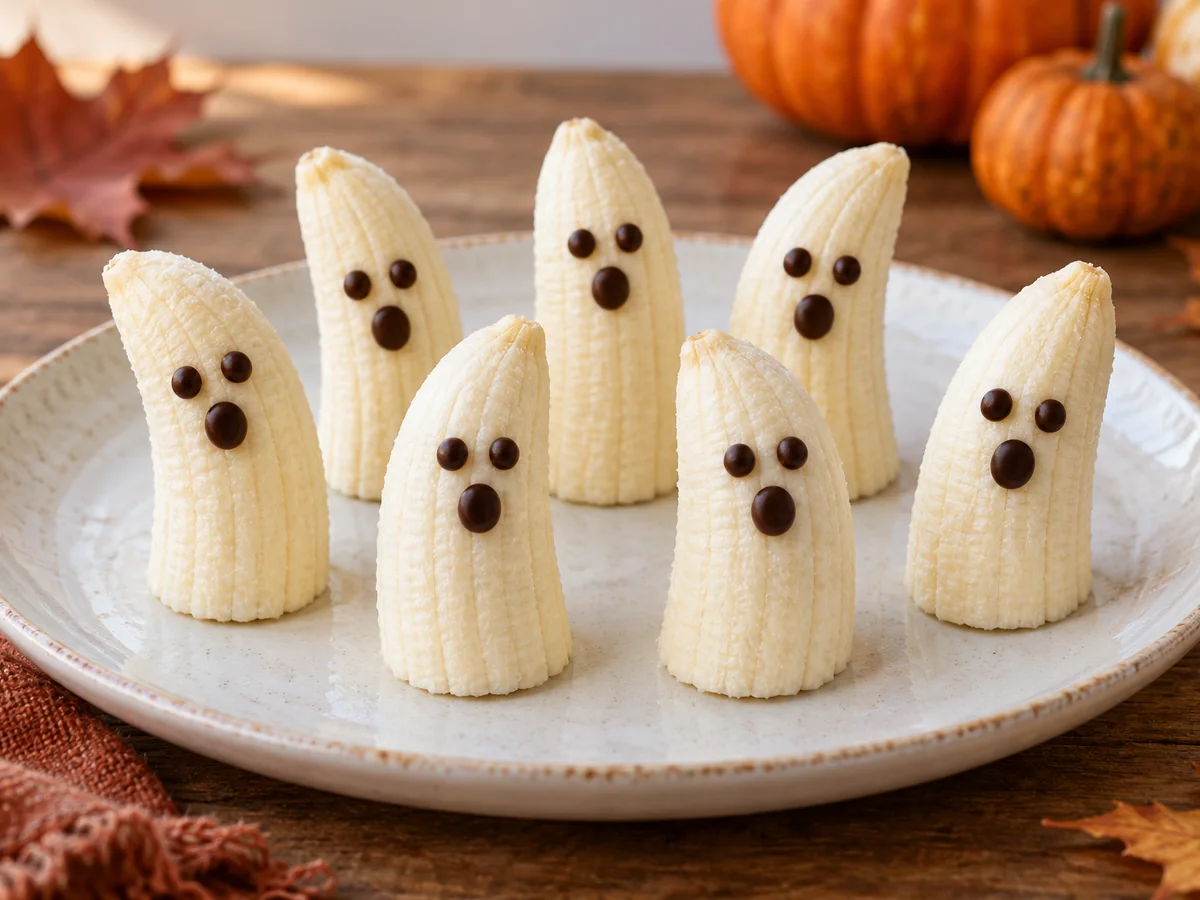 AI-generated
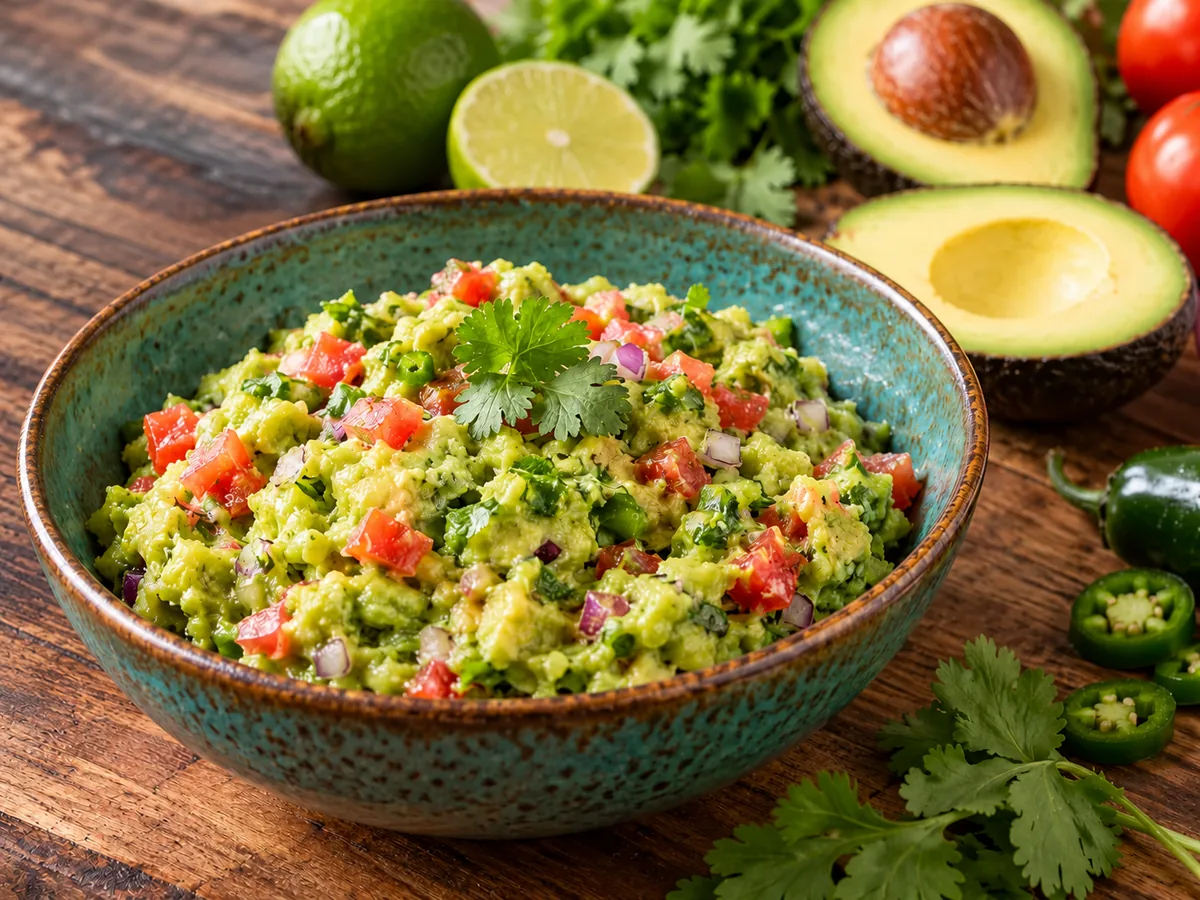 AI-generated
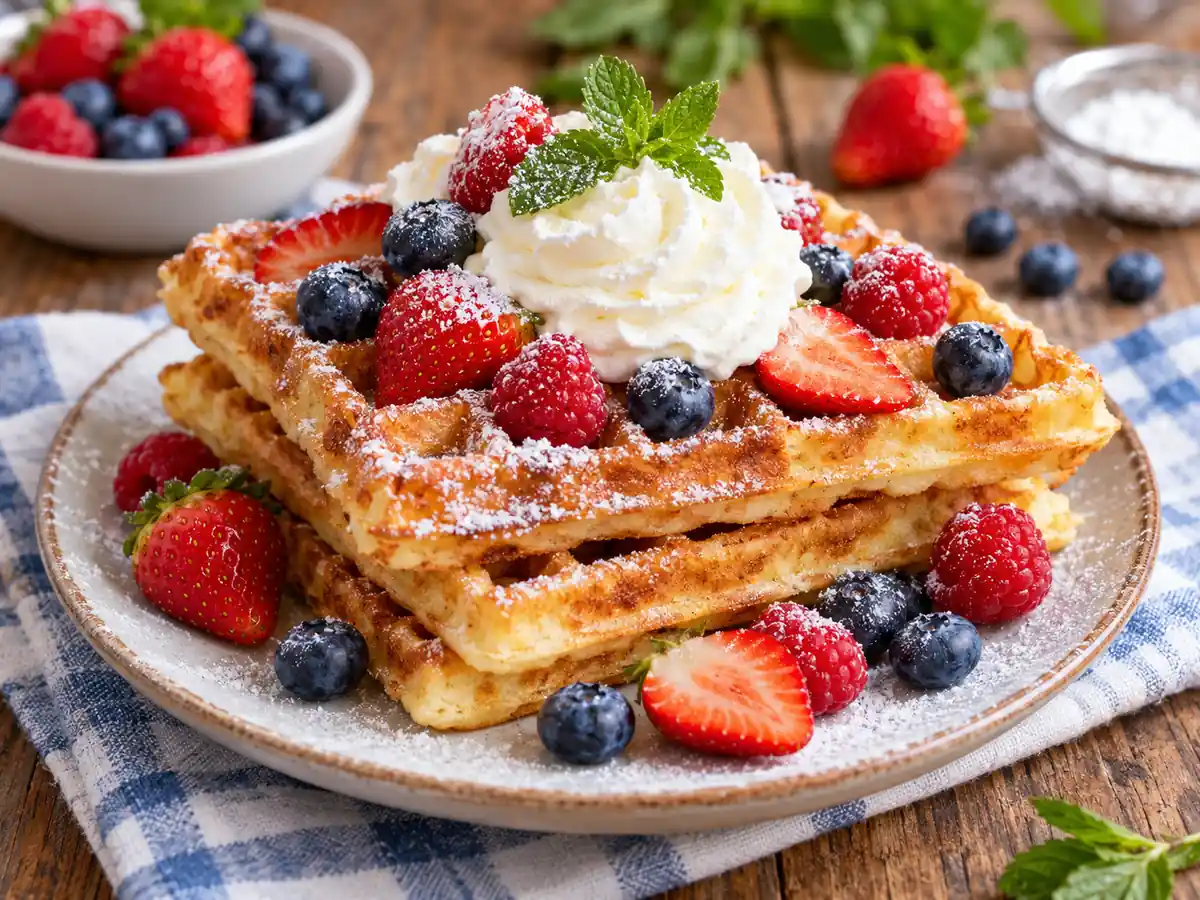 AI-generated
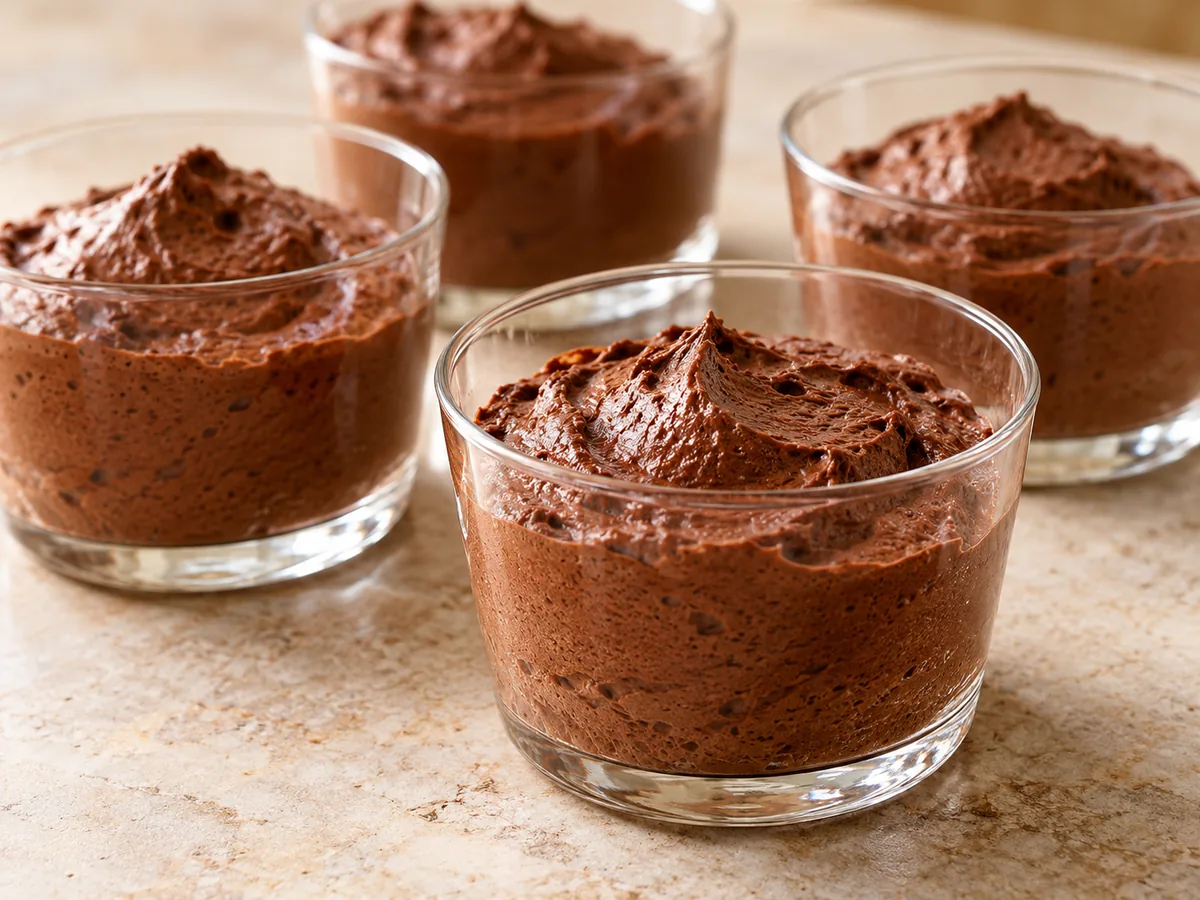 AI-generated
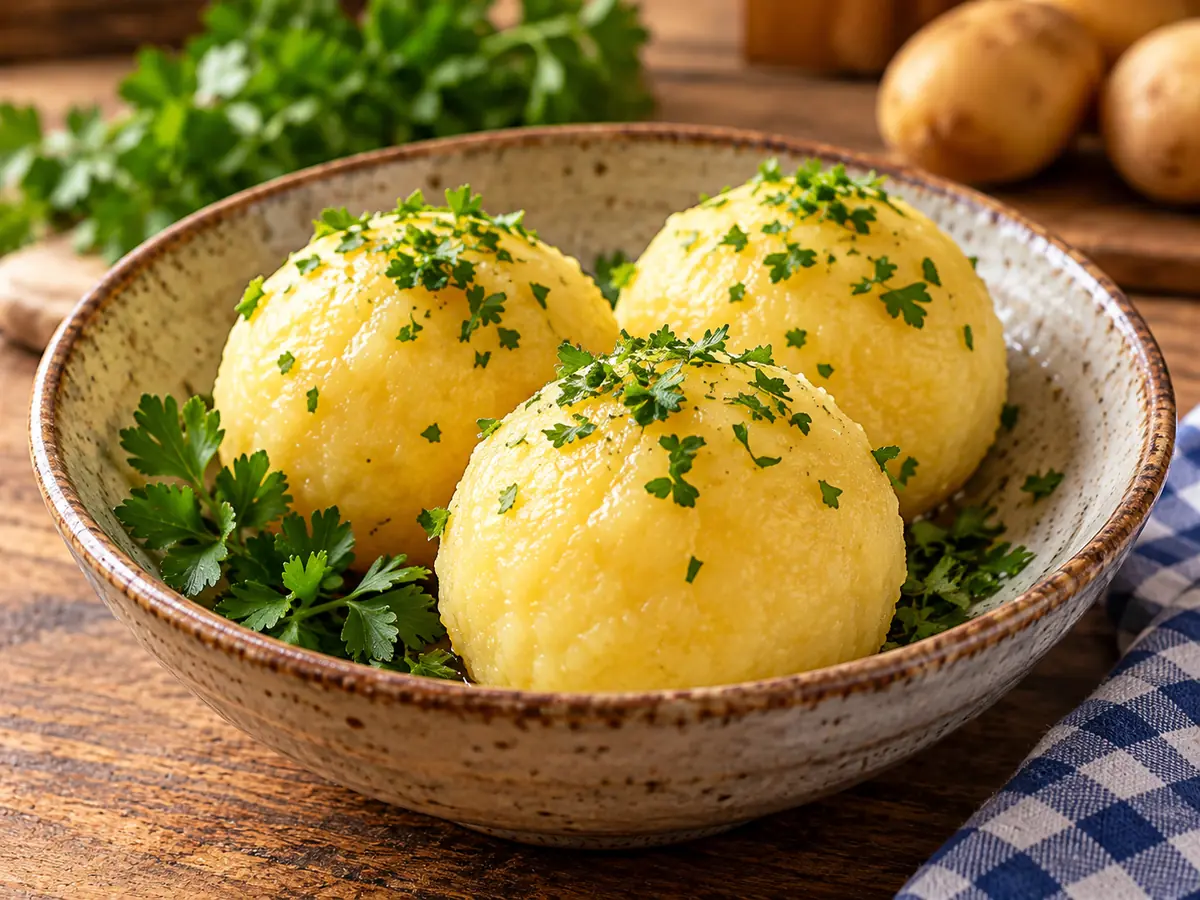 AI-generated
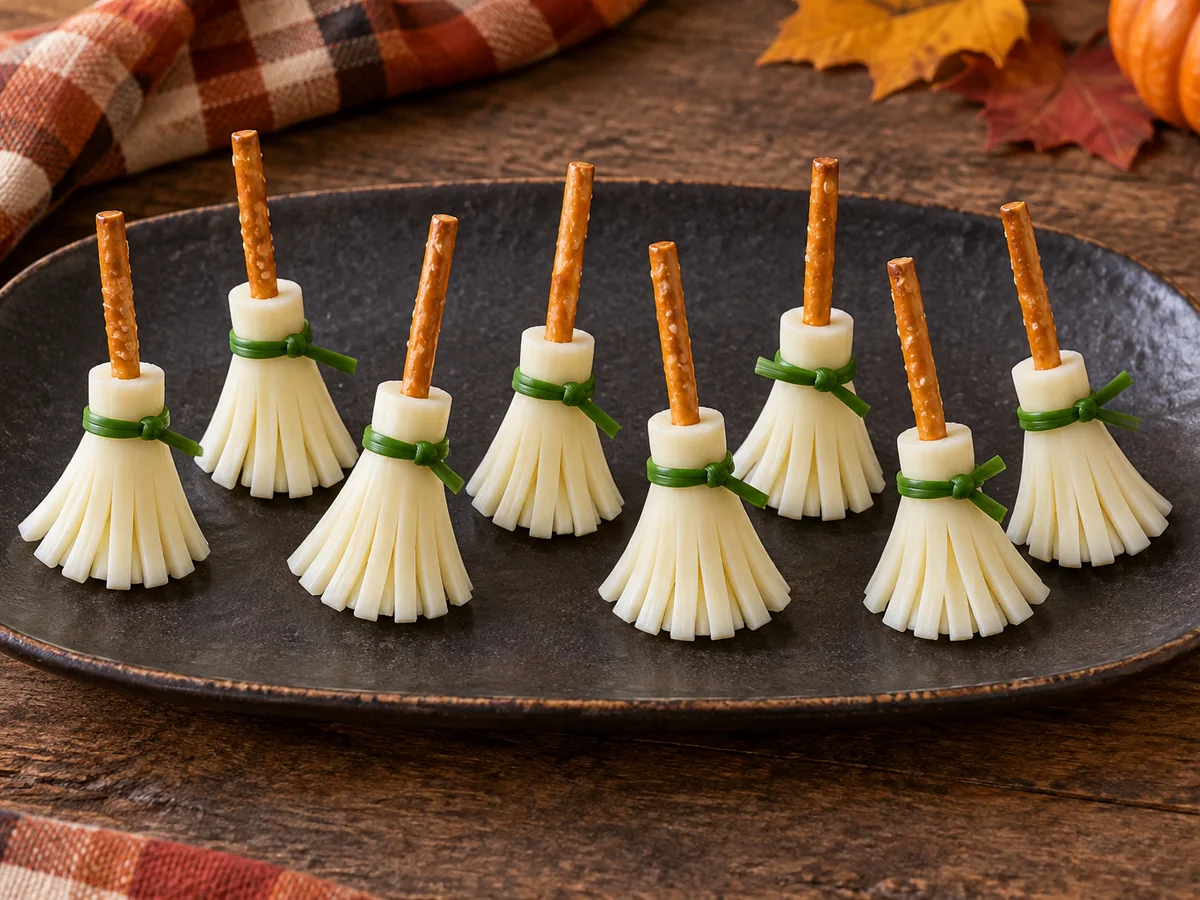 AI-generated
 AI-generated
 AI-generated
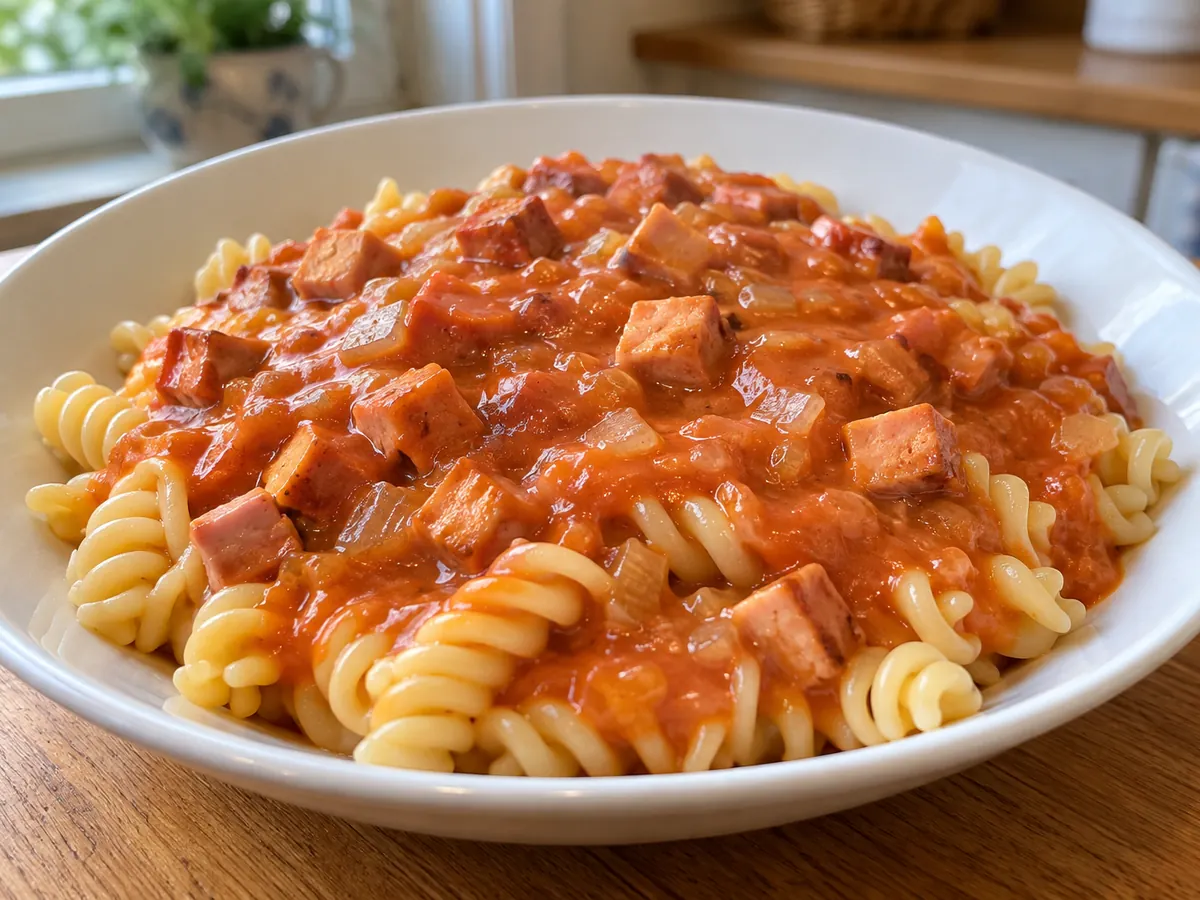 AI-generated
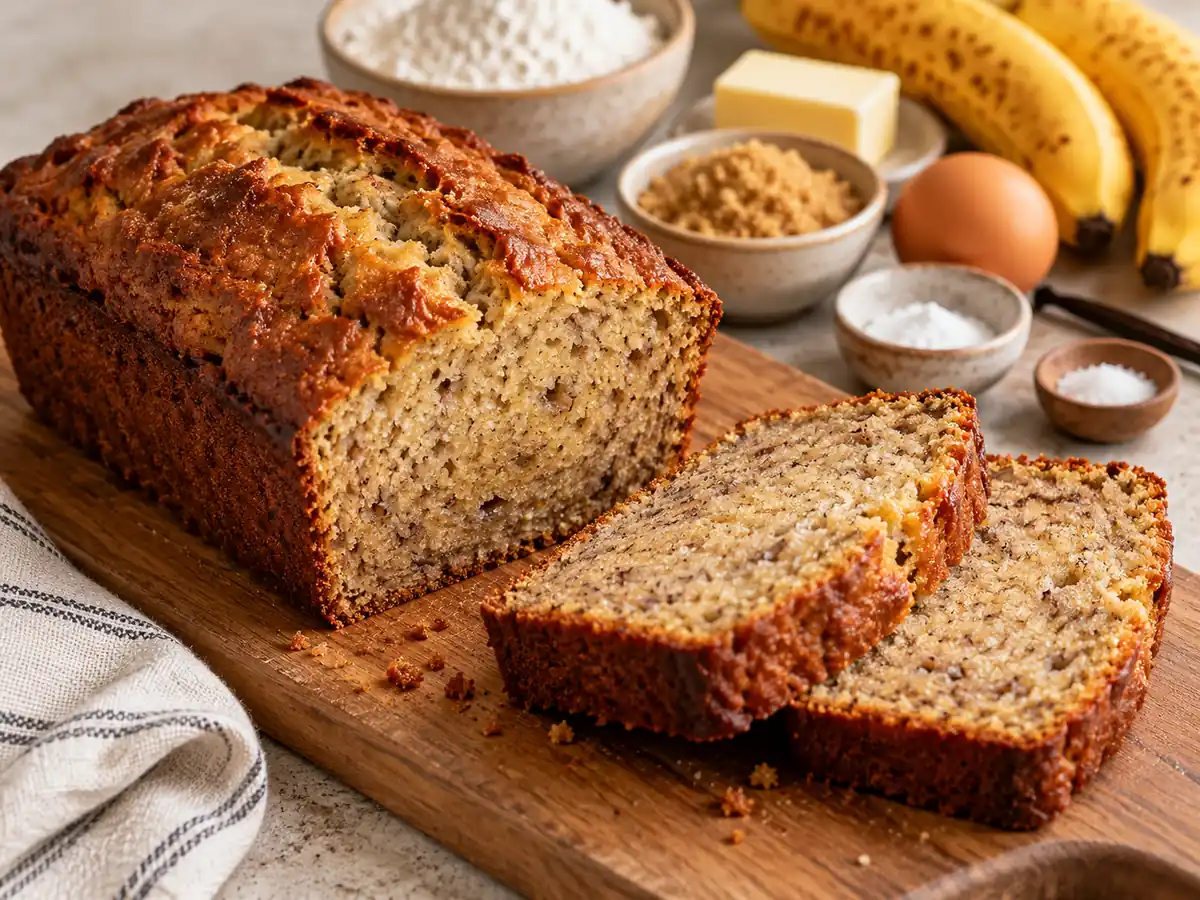 AI-generated
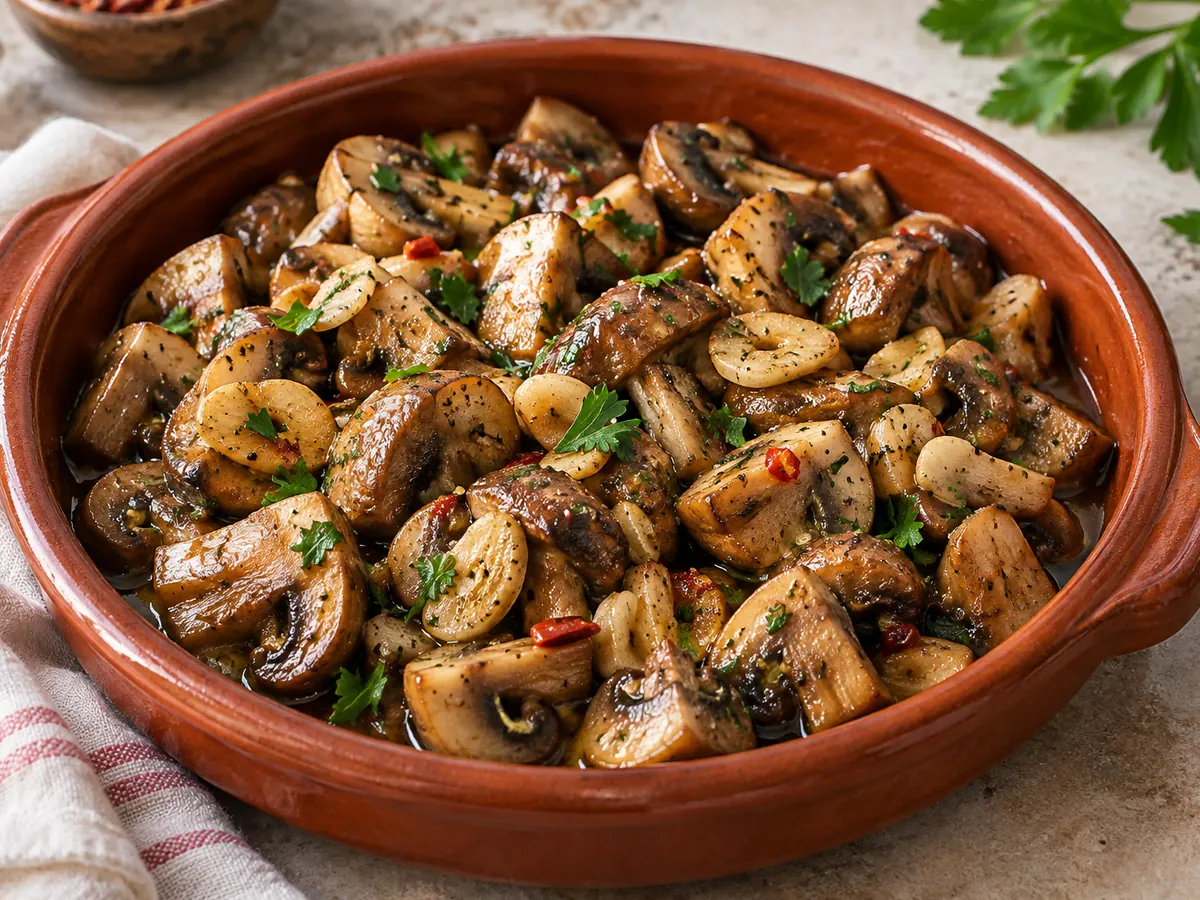 AI-generated
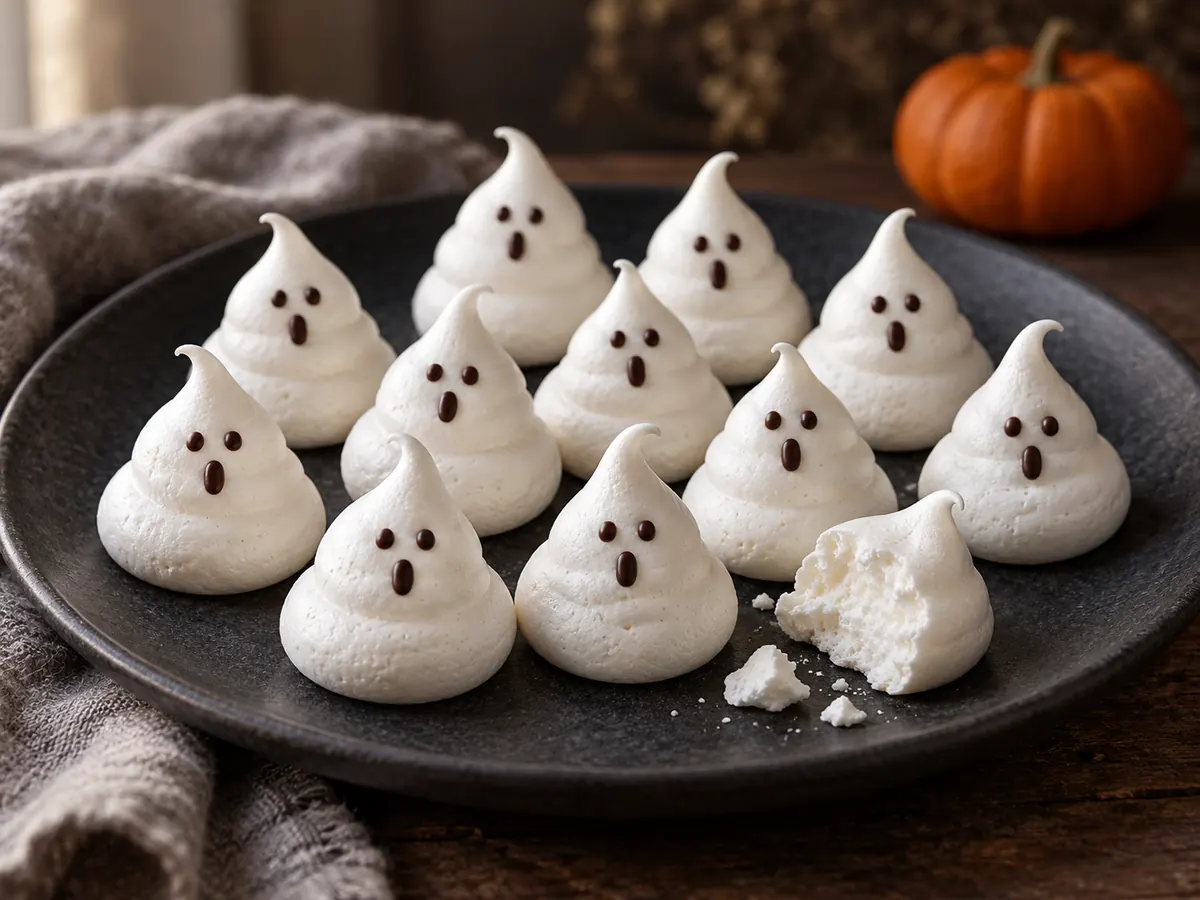 AI-generated
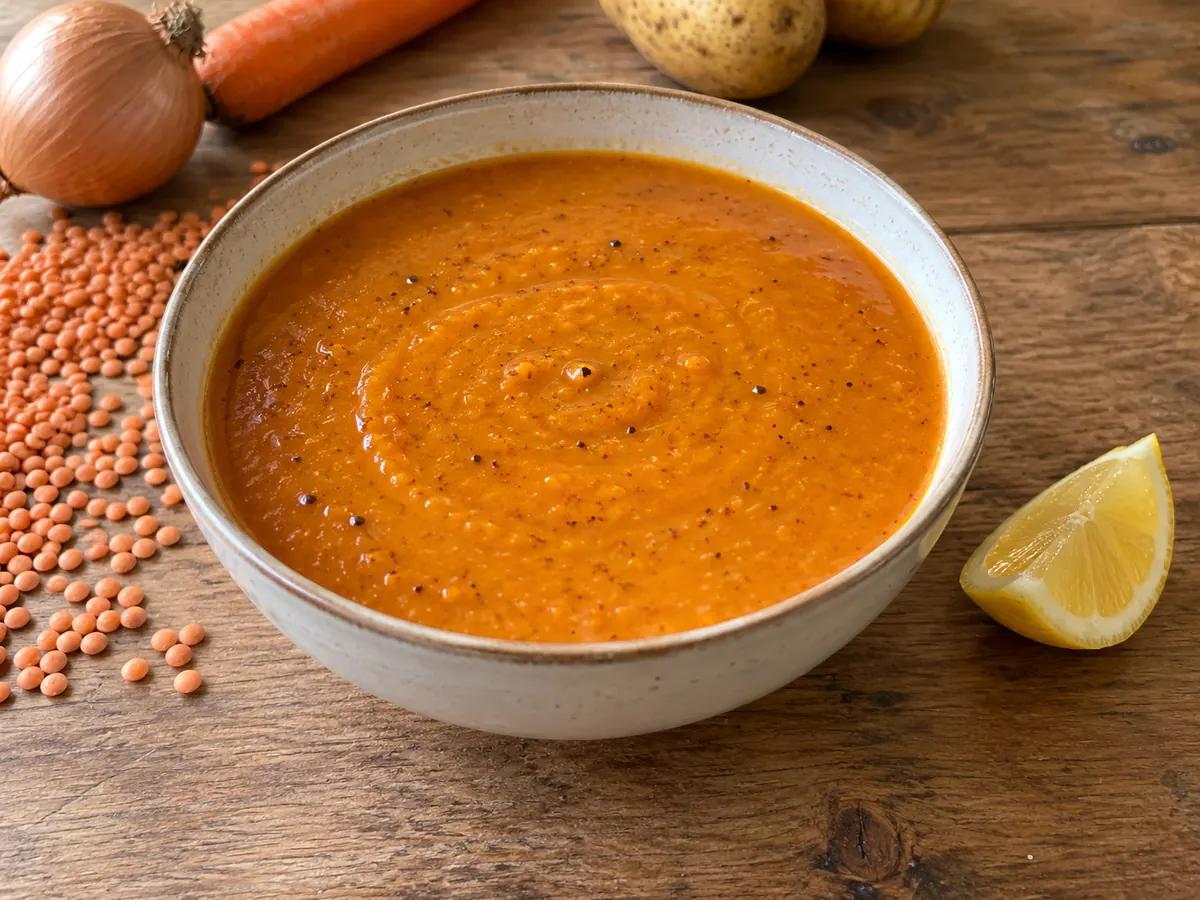 AI-generated
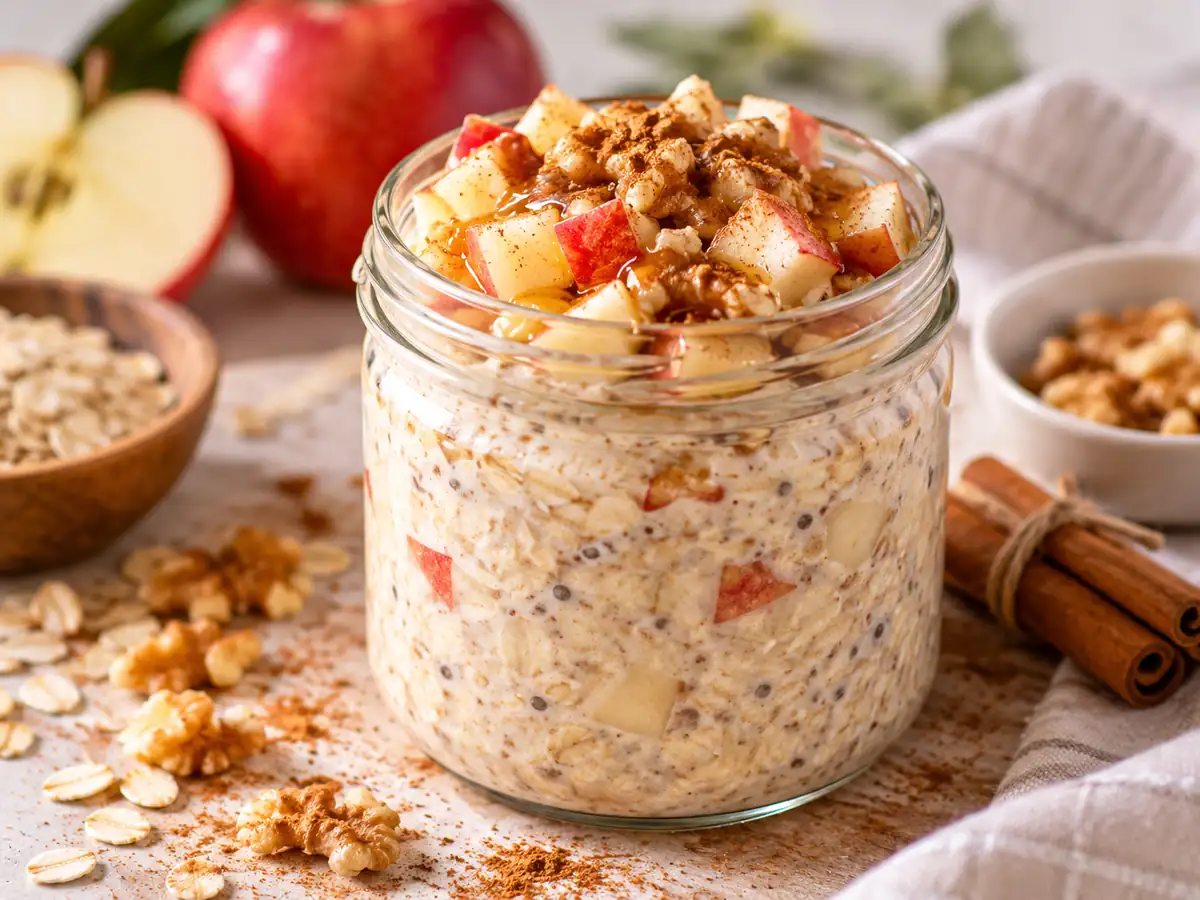 AI-generated
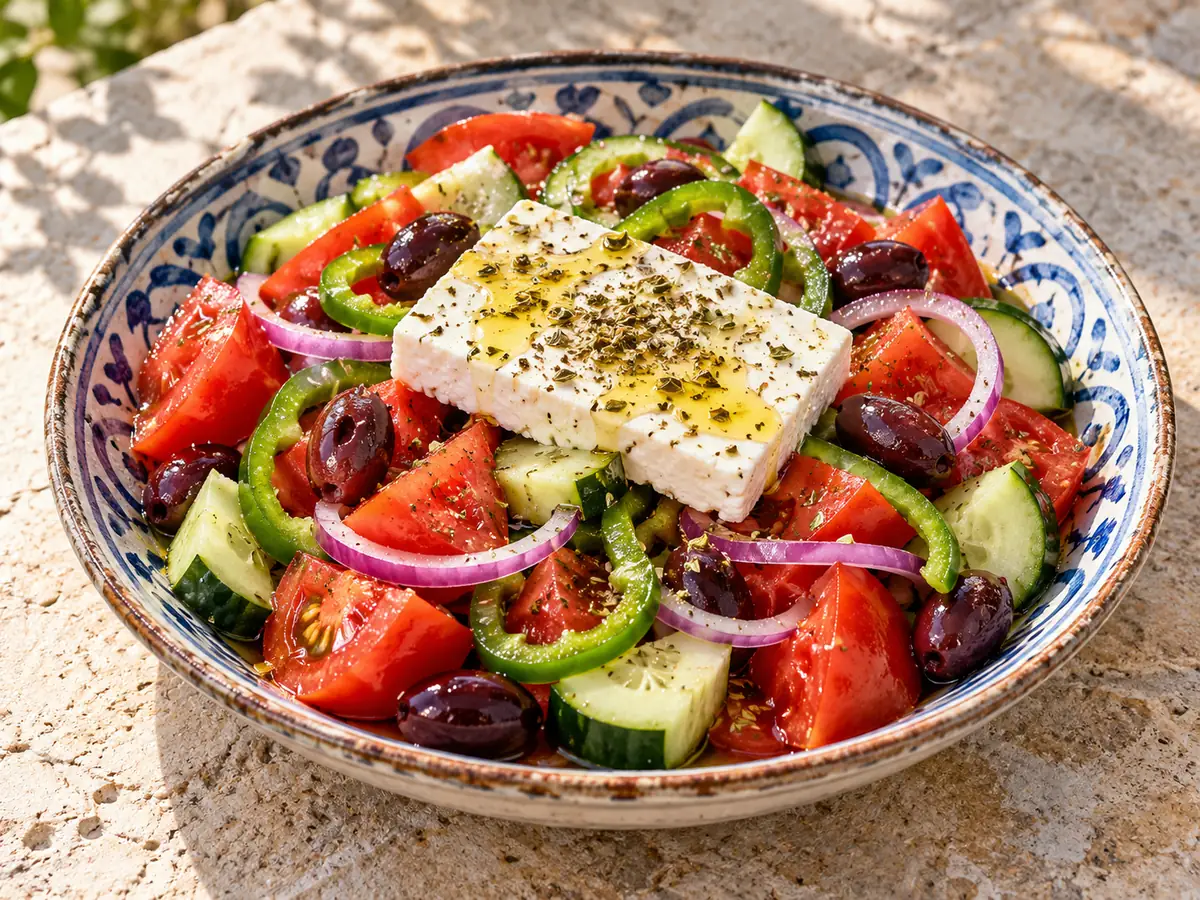 AI-generated
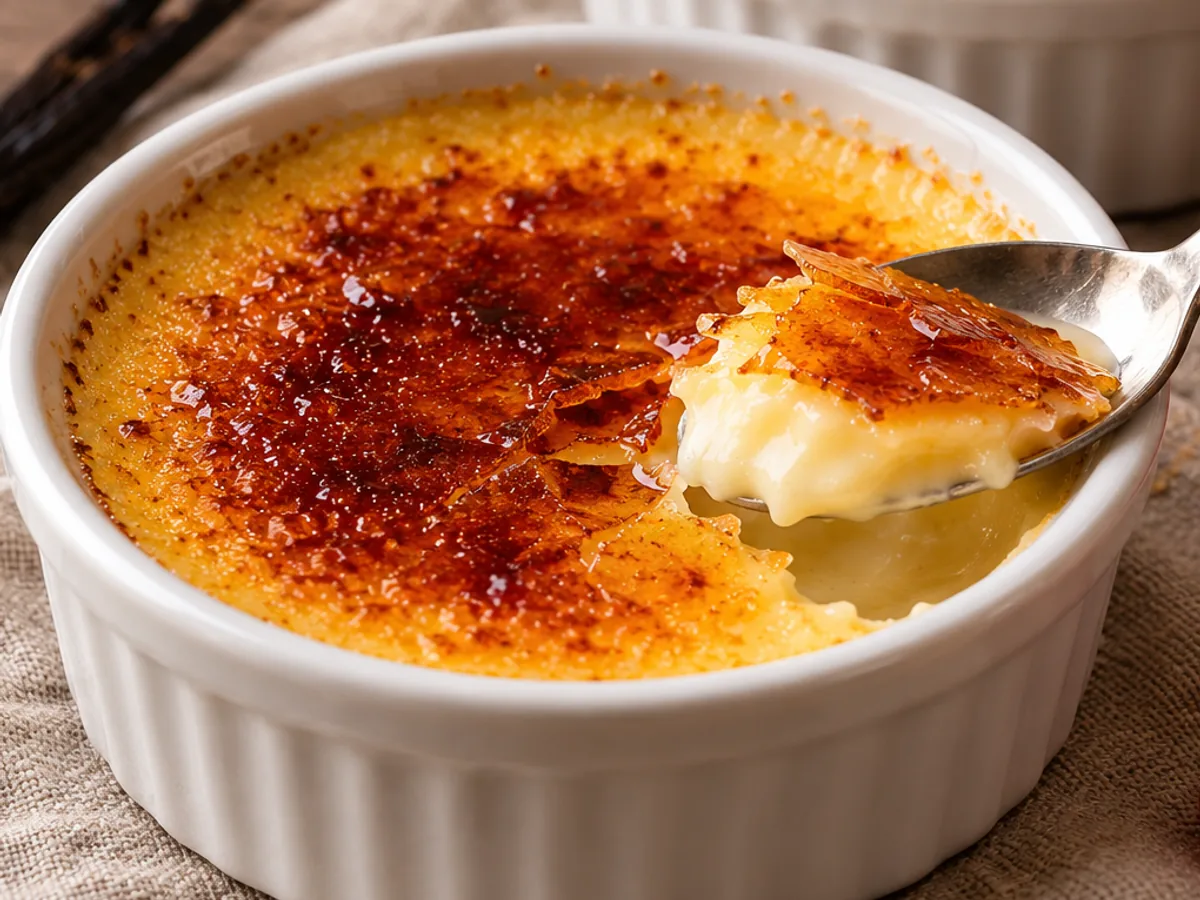 AI-generated
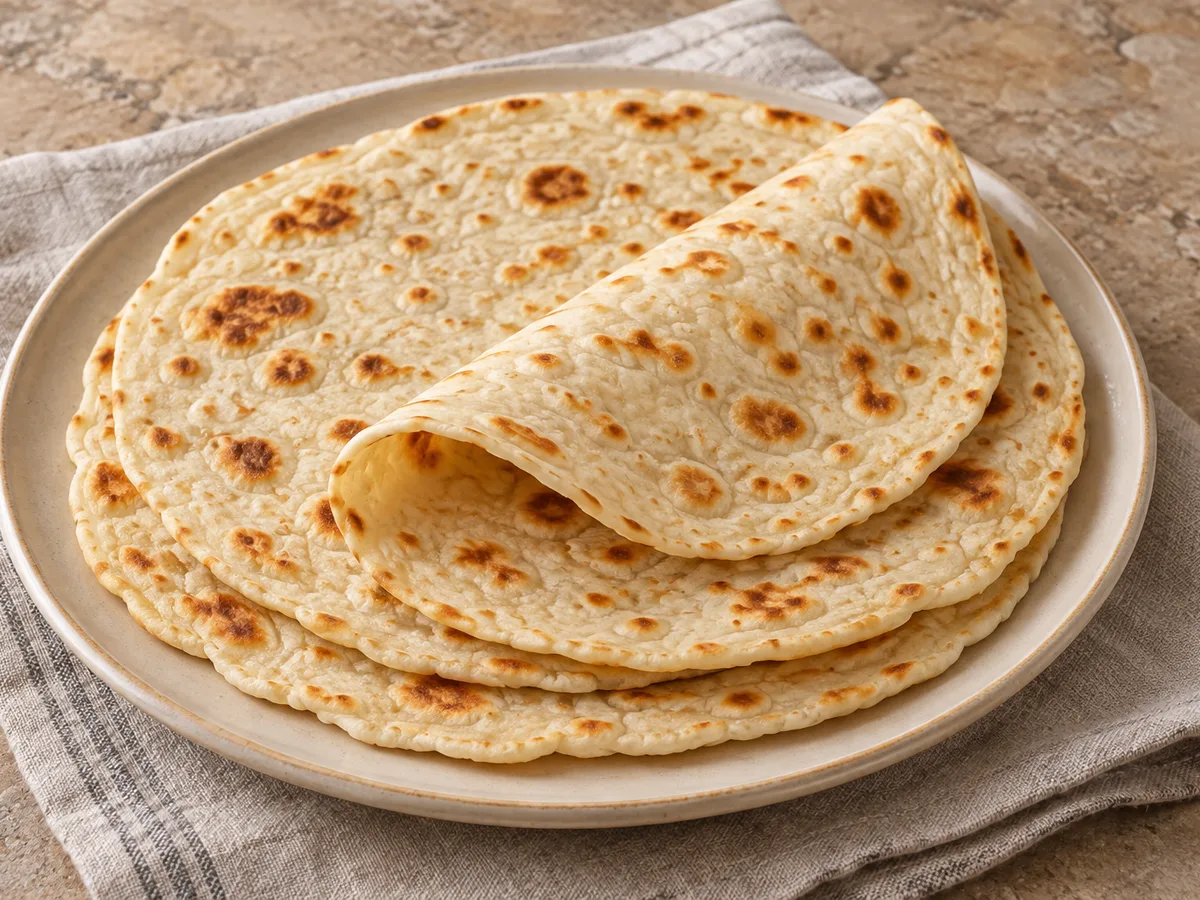 AI-generated
 AI-generated
 AI-generated
 AI-generated
 AI-generated
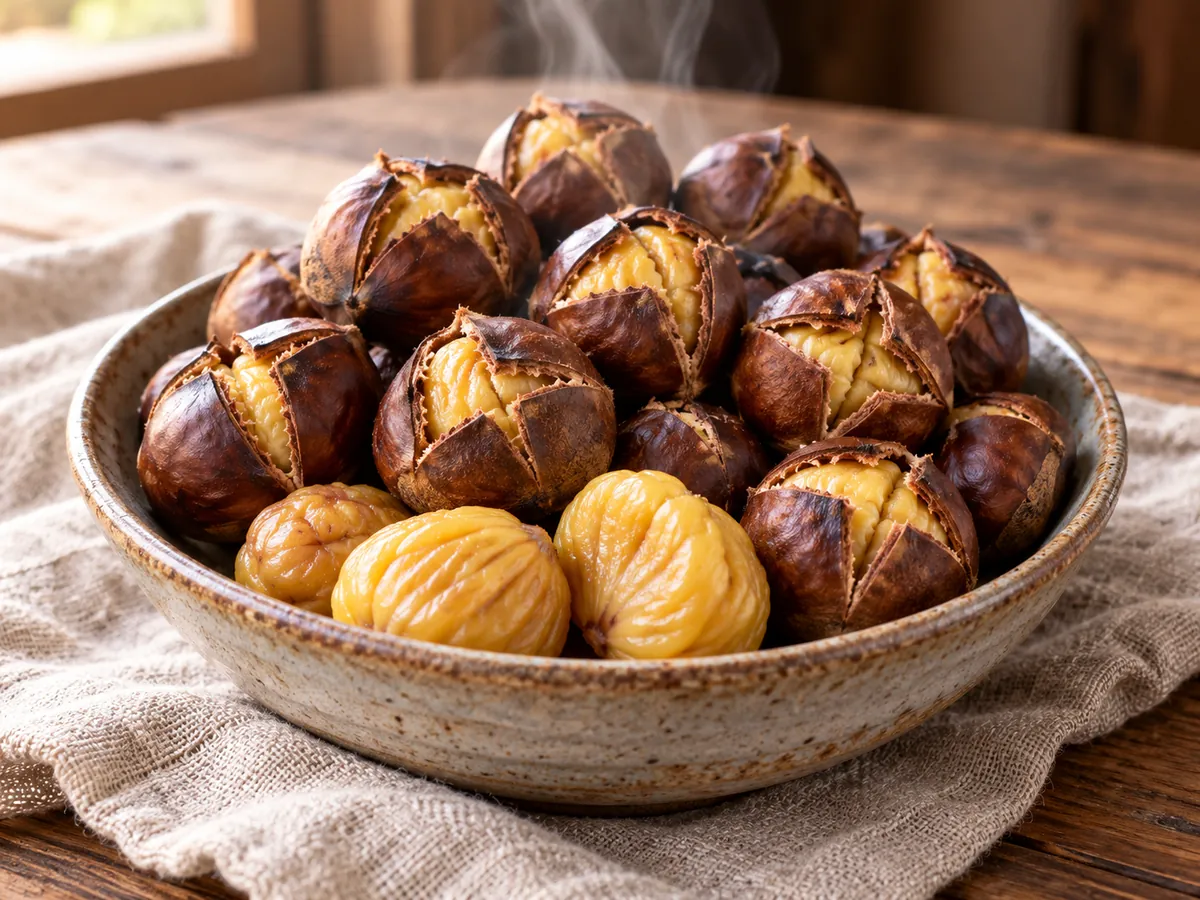 AI-generated
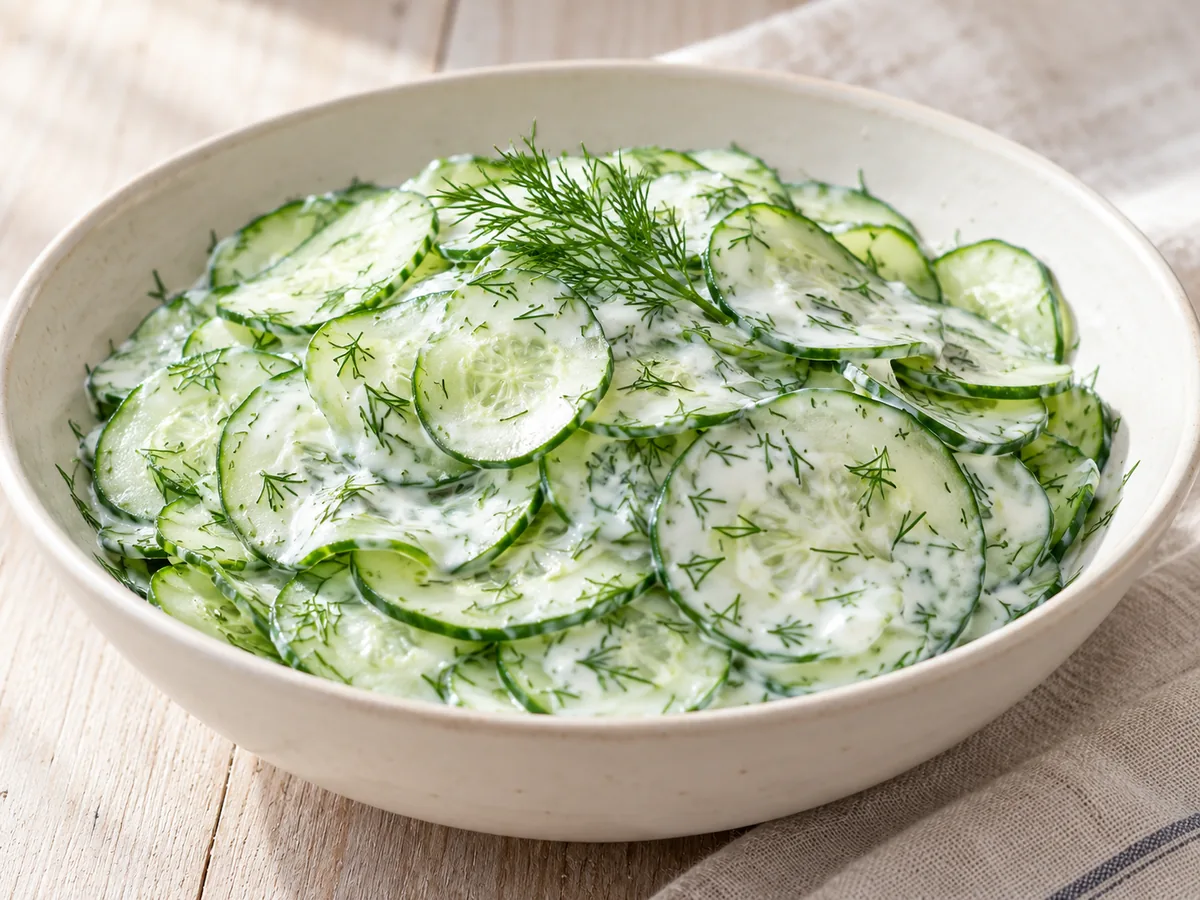 AI-generated
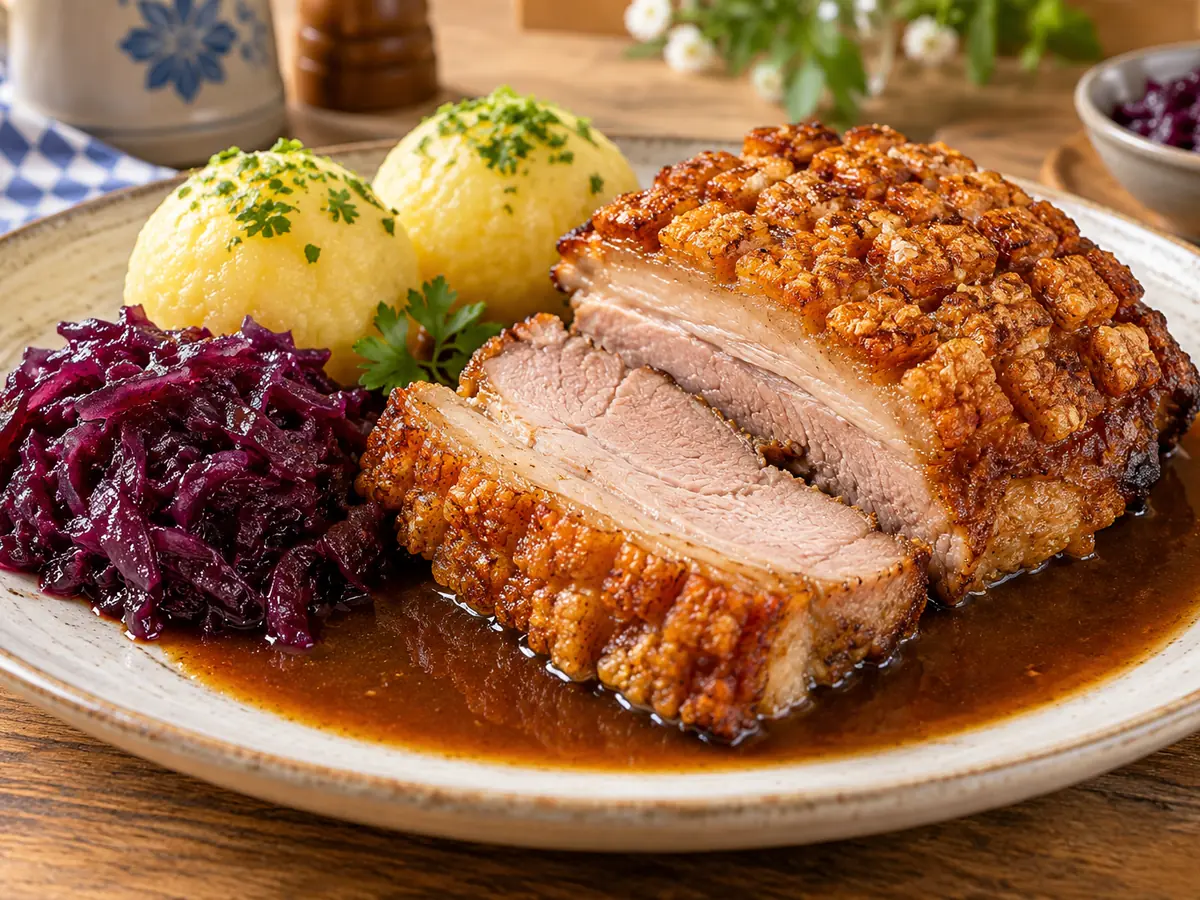 AI-generated
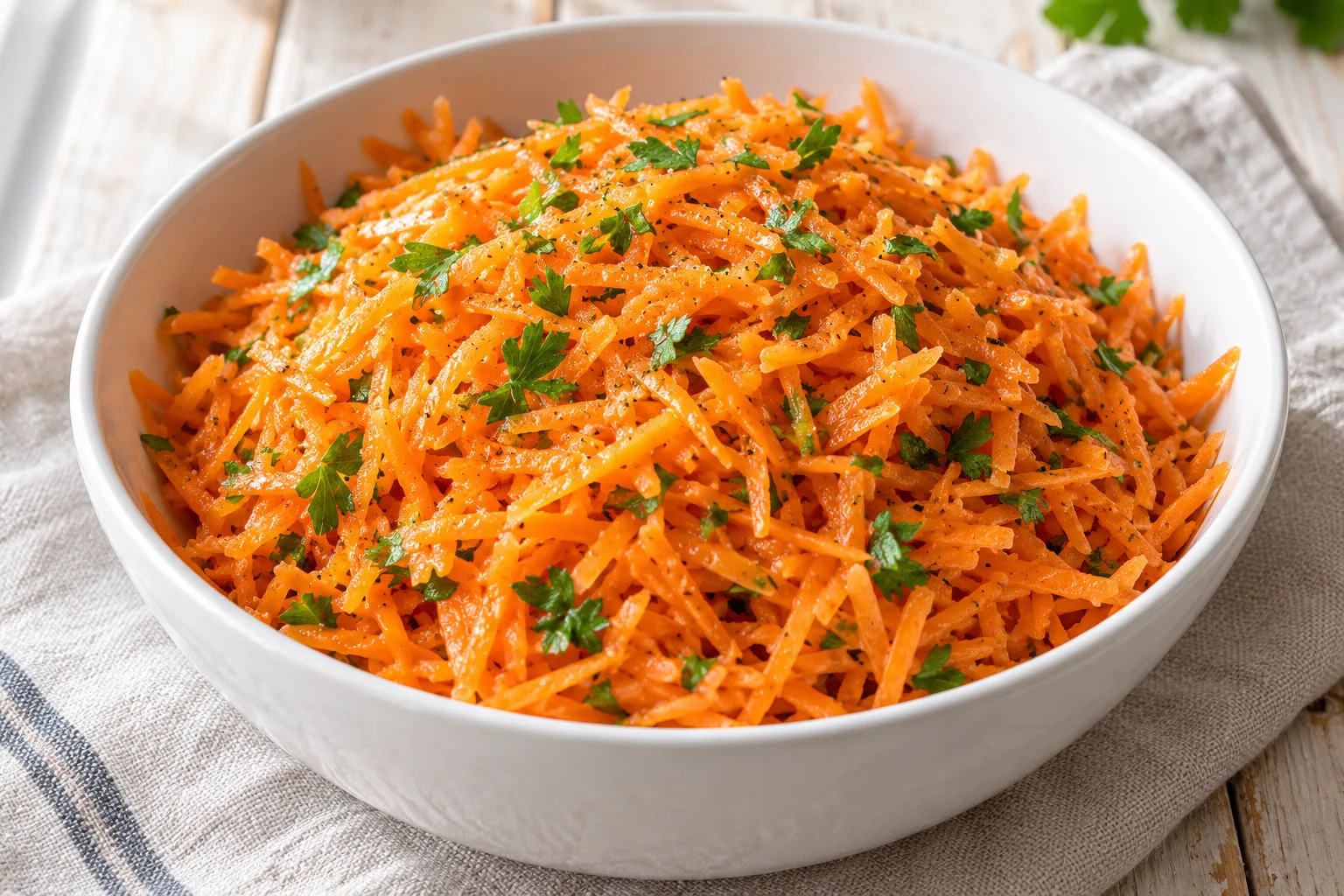 AI-generated
Occasions
Find food and drink recipes for birthdays, Christmas, picnics, barbecues and everyday meals.
Compare ingredients and timings to plan your occasion.
Different occasions call for different meals
A shared breakfast, children's birthday, garden party and formal wedding dinner offer very different eating experiences. What matters first is the atmosphere and the people involved, not a compulsory list of dishes. Some gatherings work well with a single meal served at the table, while others benefit from small portions that guests can choose themselves. A useful occasion category helps you plan how food will fit into the event. It should leave space for personal traditions, regional customs and changing tastes rather than prescribing one ideal celebration.
Plan portions for the way guests will eat
An extended buffet requires a different selection from a short afternoon gathering. Small, clearly described portions help guests explore varied flavours without committing to a large serving immediately. For a seated dinner, the relationship between starter, main course and dessert may be more important. A picnic raises questions about transport, while an outdoor summer gathering makes food storage especially relevant. Thinking about these practical differences early often helps more than simply adding more dishes to the menu.
Balance flavours and different preferences
Not everyone at an event wants strongly spiced food, very sweet desserts or the same texture. A varied selection can combine mild and more assertive flavours, fresh components and substantial dishes. Vegetarian and other dietary options should be planned as satisfying choices rather than afterthoughts. When allergies are involved, guests need clear information about all ingredients, including sauces, fillings and toppings. Sharing a meal should feel welcoming without requiring anyone to guess whether a dish is suitable.
Respect seasonal and cultural traditions
Christmas, Easter, New Year and other celebrations have different meanings and food customs in different communities. No single recipe represents every family's tradition. Seasonal produce can inspire a menu, but availability depends on climate and region. A winter meal need not always be heavy, and summer food is not limited to cold salads. Choose elements that suit the weather, the gathering and the people attending, while describing cultural influences accurately rather than treating one local custom as universal.
What should I cook for my occasion?
Start with guest numbers, the time of day and whether food will be the centre of the occasion or one part of a longer gathering. Consider how people will eat, whether there are dietary restrictions and what level of variety feels appropriate. Include appealing non-alcoholic drinks as a normal choice at celebrations. A successful menu does not need an excessive number of dishes; a few well-matched flavours may be more enjoyable. The occasion categories offer possibilities while leaving the final decision to your own tastes and traditions.
Explore all recipes
ⓘ Ratings come exclusively from approved community contributions.