

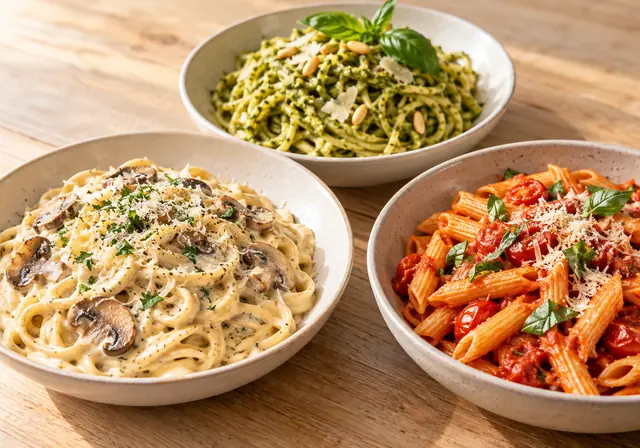
 Italian
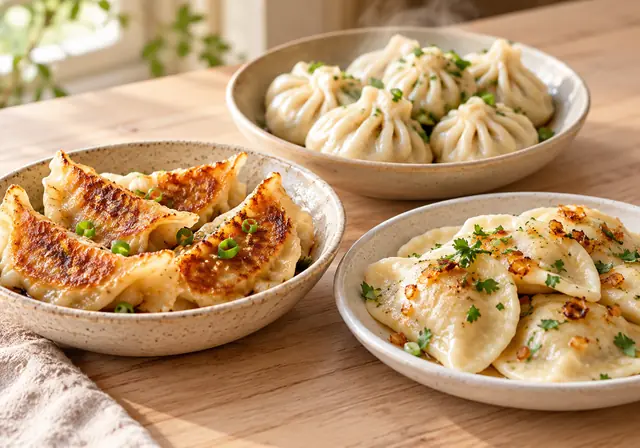 German
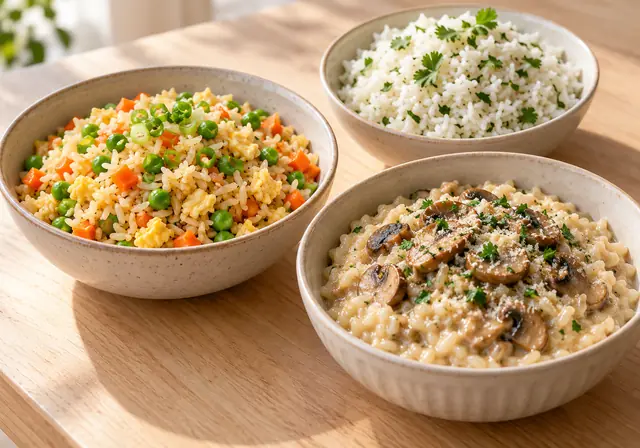 Chinese
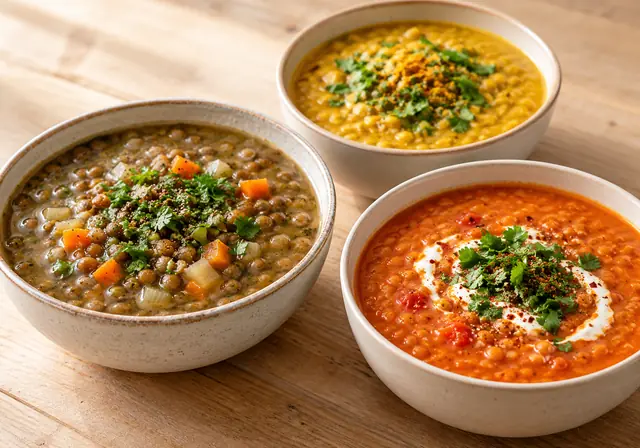 Turkish
 Thai
 Japanese
 American
 Mexican
 Greek
 French
 Spanish
 Vietnamese
 Korean
 Mediterranean
 Lebanese
 Portuguese
 British
 Brazilian
 Caribbean
 European
 International
 AI-generated
Subcategories
AI-generated AI-generated
 AI-generated
 AI-generated
 AI-generated
 AI-generated
 AI-generated
 AI-generated
 AI-generated
 AI-generated
 AI-generated
 AI-generated
 AI-generated
 AI-generated
 AI-generated
 AI-generated
 AI-generated
 AI-generated
 AI-generated
 AI-generated
 AI-generated
 AI-generated
 AI-generated
 AI-generated
 AI-generated
 AI-generated
 AI-generated
 AI-generated
 AI-generated
 AI-generated
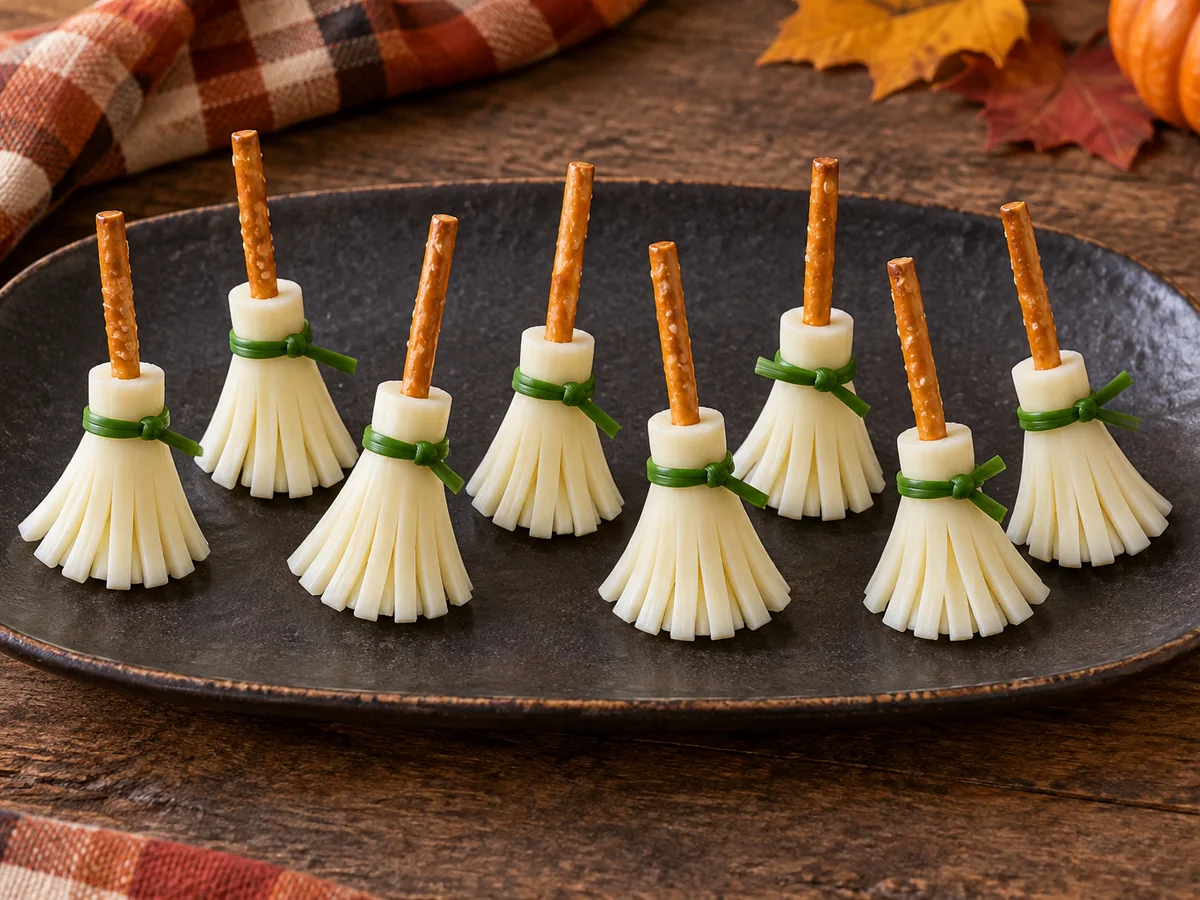 AI-generated
 AI-generated
 AI-generated
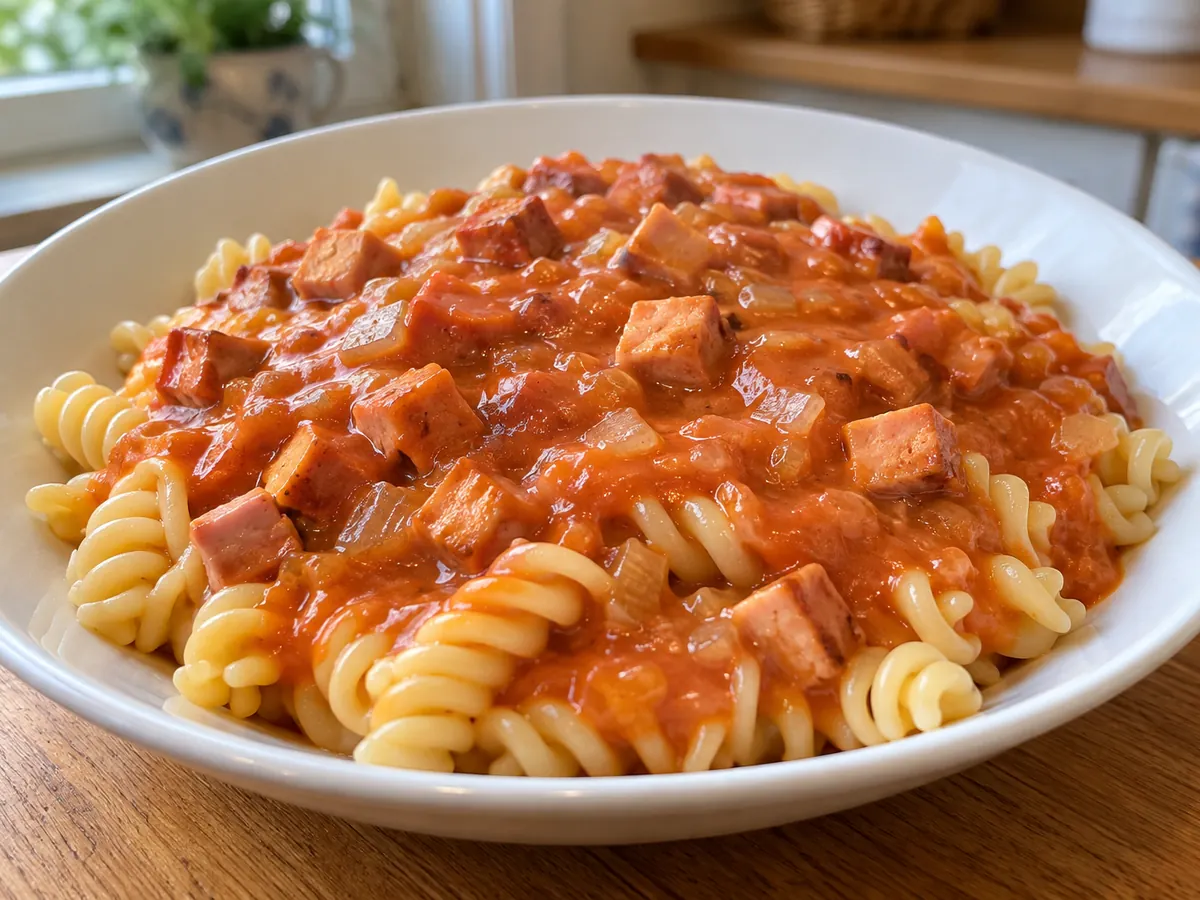 AI-generated
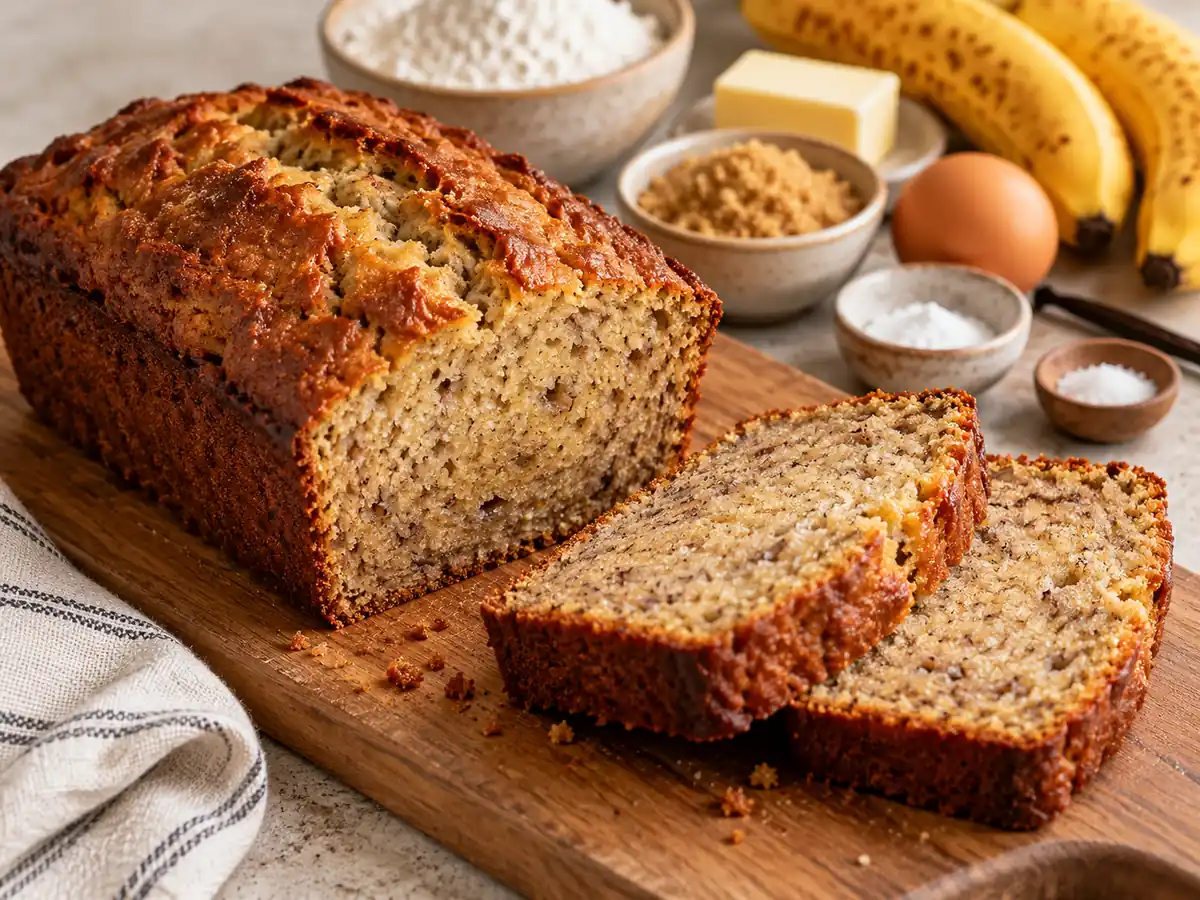 AI-generated
 AI-generated
 AI-generated
 AI-generated
 AI-generated
 AI-generated
 AI-generated
 AI-generated
 AI-generated
 AI-generated
 AI-generated
 AI-generated
 AI-generated
 AI-generated
 AI-generated
 AI-generated
Recipes by region
Explore recipes from Italian, German, Thai, Japanese and other world cuisines.
Compare ingredients, seasoning and cooking methods for your next dish.
Regional food tells more than a national story
Food traditions are influenced by agriculture, geography, migration, trade and family habits. A country name may cover many different cuisines, each with distinctive ingredients and meal customs. Northern and southern Italian traditions, for example, cannot be reduced to one pasta style, and India's regional kitchens differ in grains, pulses and spice combinations. A cuisine category is therefore an entry point into a wider history. When a dish has a specific origin, naming that region can be more informative than relying on a broad national label.
Ingredients reveal how places differ
Coastal areas often have different food traditions from mountain and inland regions, although no general rule explains every dish. Local grains, legumes, vegetables, seafood, dairy products and herbs shape the character of meals. The same ingredient can also be used differently in neighbouring cultures. Looking at what a recipe contains can tell you more about its likely flavour than an imprecise word such as exotic. Regional cooking is worth exploring for these concrete differences, not because every dish from a place supposedly tastes the same.
Distinguish tradition from modern interpretation
Recipes evolve as people move, ingredients become available and cooks experiment. A modern dish inspired by a regional cuisine may be delicious without reproducing a historical local preparation. That distinction does not make either approach invalid, but it deserves honest language. Claiming a dish is an ancient original without evidence can distort its background. When exploring culinary traditions, be open to modern adaptations while recognising the people and communities that developed earlier forms of the food.
Avoid stereotypes about heat and health
No entire national cuisine is uniformly spicy, mild, heavy or healthy. Within one region, dishes can range from vegetable-centred meals to rich desserts, and the use of chilli varies considerably. Likewise, adding olive oil does not automatically make a dish an example of a particular dietary pattern. Practical choices should be based on the full ingredients and your own preferences. Allergens may be hidden in stocks, sauces, fermented seasonings, nuts or dairy even when a dish appears mostly plant-based.
Which cuisine should I explore first?
Begin with flavours and ingredients you already enjoy: fresh herbs, warm spices, beans, grains, seafood or vegetables. Then explore regions where those ingredients are used in different combinations. If you are cooking for a group, take dietary needs and preferred intensity into account. A useful cuisine collection should help you discover both similarities and meaningful distinctions across cultures. It should not treat countries as interchangeable labels or elevate one familiar international dish into a definition of an entire food tradition.
Explore all recipes
ⓘ Ratings come exclusively from approved community contributions.