

 Puddings
 Dessert creams
 Mousses
 Sweet dishes
 AI-generated
Subcategories








Desserts
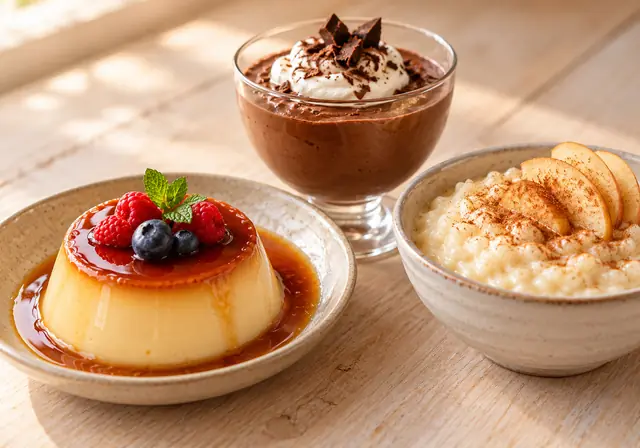
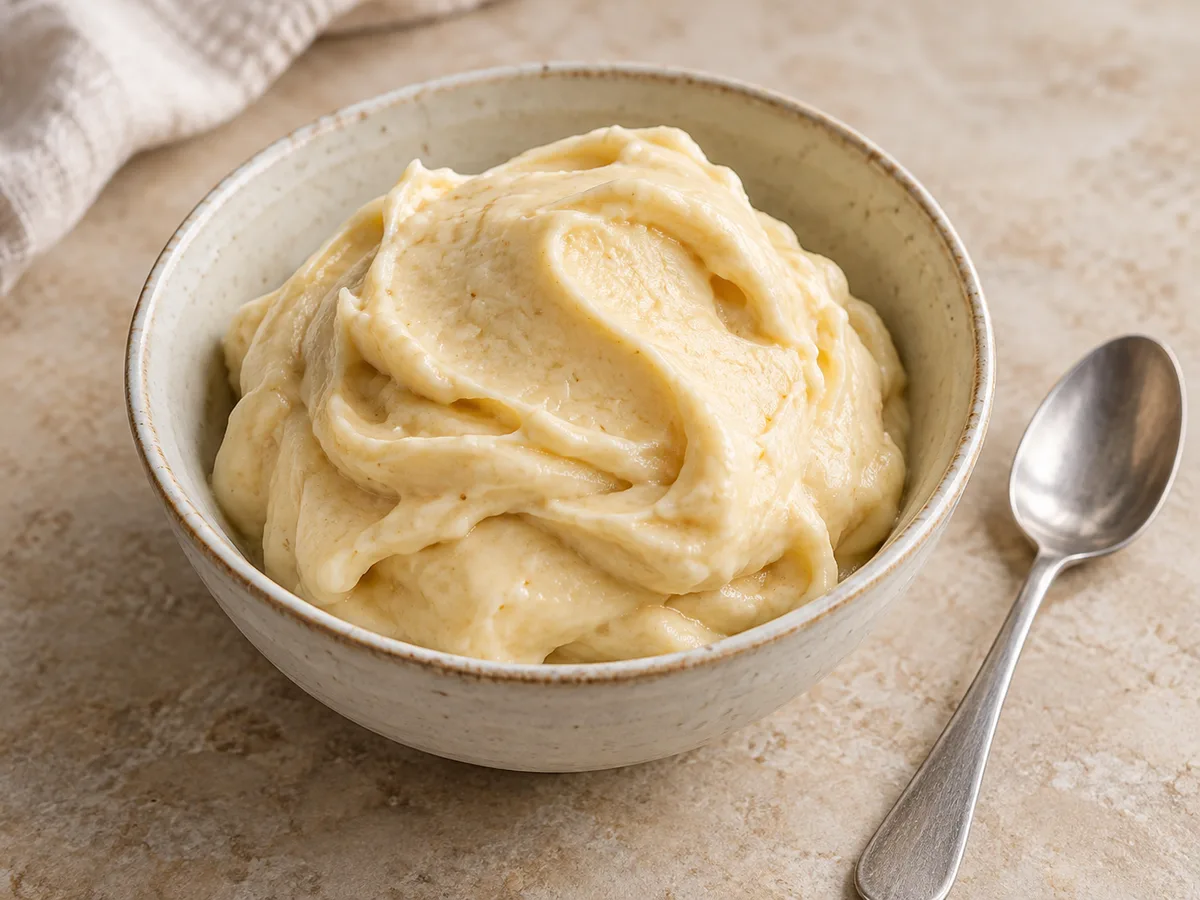
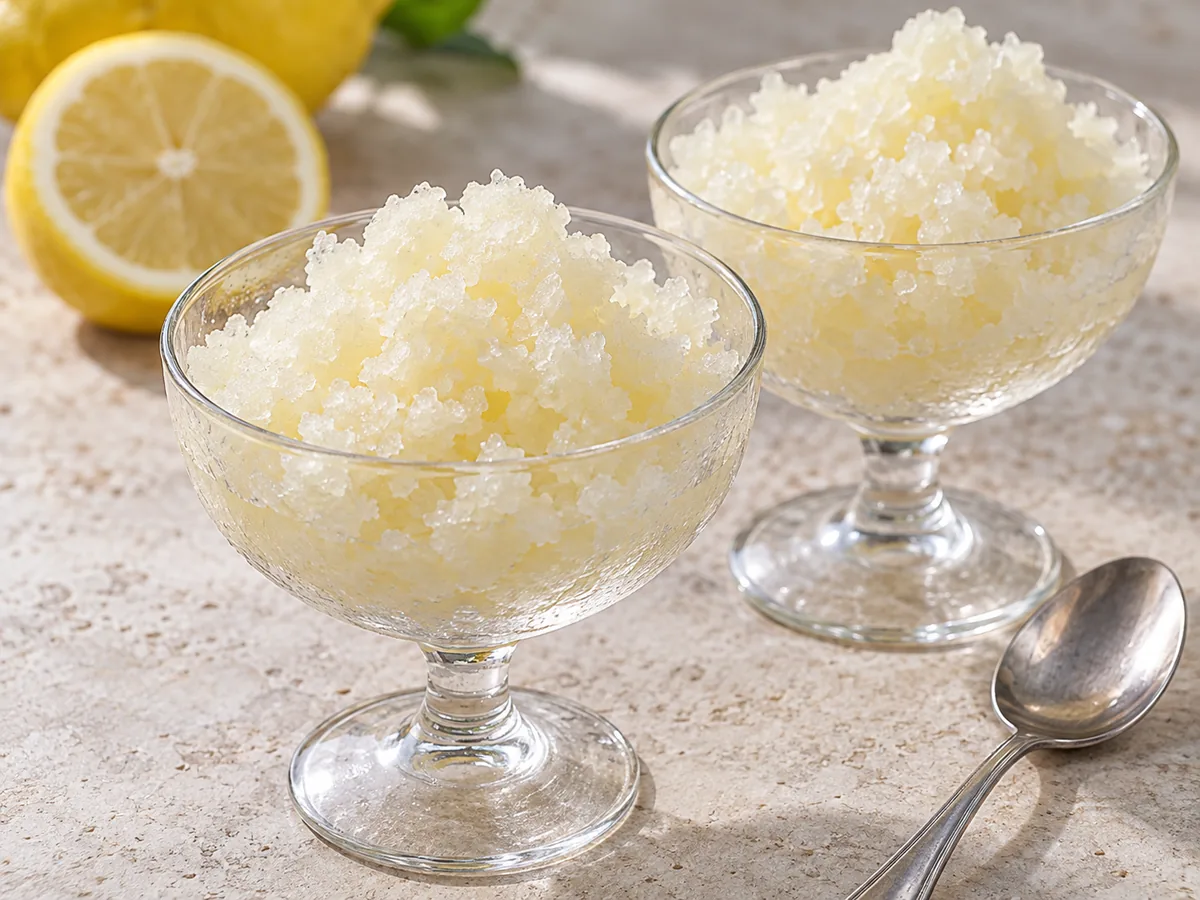
Desserts are the sweet finale to a meal or a little treat between meals. Puddings, creams, mousses and familiar sweet dishes each bring their own pleasures.
Choose something fruity, chocolaty or gently sweet depending on the occasion. A small everyday dessert can be just as appealing as a festive finale.
Dessert is not one texture or flavour
Desserts can be creamy, airy, fruity, crisp, rich or refreshingly light in character. Puddings, mousses, sweet dishes and other dessert families each offer a different experience. Some make a modest ending to a larger meal; others become a centrepiece at a celebration. The right choice depends on how much food has already been served and what flavours people enjoy. A dessert does not have to be elaborate to feel special, and a simple fruit-forward option may suit an occasion better than an intensely sweet one.
Understand different dessert families
Pudding is often associated with a smooth, set consistency, while mousse is usually appreciated for its aerated feel. Dessert creams can be silky or dense, and sweet dishes sometimes serve as a meal rather than a small final course. These names overlap in everyday use but offer useful clues about texture. A person who enjoys something soft and creamy may choose differently from someone looking for a crisp contrast. The individual ingredients and description give the clearest idea of how a dessert will actually taste.
Balance sweetness, fruit and richer notes
Berries, citrus and other fruits can introduce fresh acidity to sweet dishes. Chocolate, nuts, vanilla and different spices create their own intensity and character. When planning a dessert selection, it can be more effective to offer a few contrasting flavours than numerous versions of the same sweet profile. A rich main course may be followed comfortably by a small, fresher dessert. For an afternoon gathering, a more substantial sweet treat may become part of the event itself. Personal preferences remain the most important guide.
Consider portions and allergens
Desserts frequently contain ingredients that need careful identification, especially milk products, eggs, nuts and gluten-containing grains. A fruit-based appearance does not guarantee that a dish is vegan or dairy-free; additional components may alter its classification. Serving smaller portions can allow guests to sample a range of flavours, but it does not remove the need for clear ingredient information. If someone has an allergy, check the exact recipe and the products used, including sauces and garnishes, rather than relying on the dessert category.
Which dessert should I choose?
First decide whether you want a fresh, fruity finish, a smooth and creamy texture or a more substantial sweet course. Then consider serving size, the preceding meal and the guests' dietary needs. A celebratory dessert may need a different role from a small everyday treat. Browse the individual dessert families to find meaningful differences in texture and flavour. The best dessert is one that feels right for the occasion, not simply the most elaborate or richly decorated option.
Explore all recipes
ⓘ Ratings come exclusively from approved community contributions.