

 AI-generated
 AI-generated
Lemonades
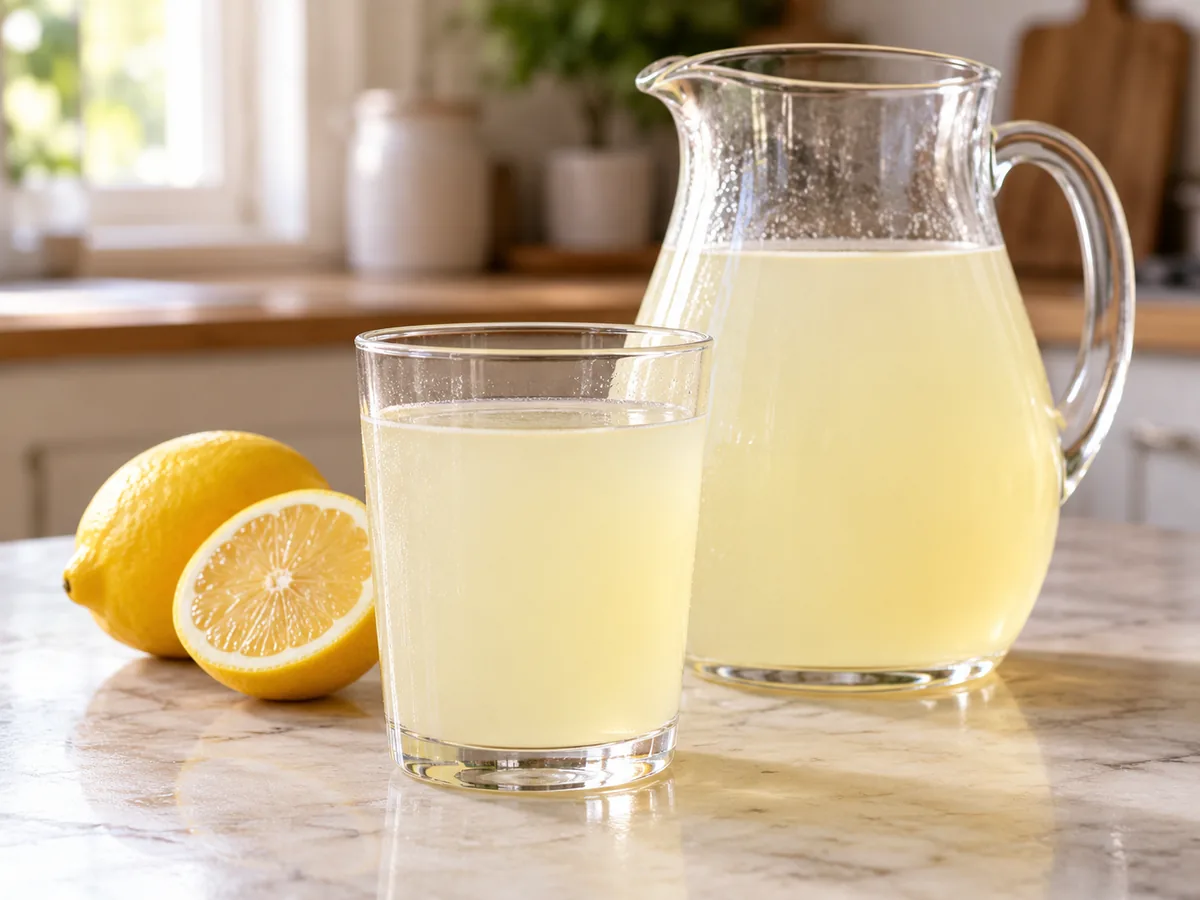
Lemonade is a refreshing favourite built around citrus and other fruity flavours.
Sweet-tart and sparkling varieties suit sunny days.
Lemonade brings lively, refreshing flavours
Lemonade is associated with citrus, acidity and sweetness, often accompanied by a sparkling sensation. Modern varieties may include other fruit flavours, herbs or a gentler, less sweet profile. The term can describe different beverages in different countries, so a clear ingredient description is helpful. A bright lemonade can be enjoyable at an outdoor gathering or as a refreshing choice with food. Its appeal lies in the balance of flavour and bubbles, not a claim that one variety is automatically better for health than another.
Balance tartness and sweetness
Citrus acidity gives many lemonades their characteristic liveliness, while sweet ingredients soften the sharp edges. Different fruit additions can shift the drink toward berry, tropical or more herbal notes. Some people enjoy a pronounced tang, while others prefer a rounder, milder flavour. Sparkling and still lemonades also have different characters. When choosing, think about the level of sweetness and acidity that suits you rather than assuming all lemonades are equally sugary or equally sour. The actual recipe and ingredients make those differences clear.
Lemonade for everyday refreshment and parties
At a garden party, family gathering or relaxed lunch, lemonade can provide a bright alternative to other soft drinks. A selection that includes less sweet or less acidic options may serve varied preferences. Its vivid appearance should not be used to infer which fruit is present or how much sugar it contains. For guests with dietary restrictions, check additions, concentrates and flavourings. A beverage does not become a health treatment because it contains lemon or herbs. Accurate descriptions and sensible serving options make the category more useful.
Ingredients matter more than health claims
Lemonade recipes can differ in fruit content, sweeteners, acidity and other ingredients. A homemade-style name or the addition of ginger does not establish a special medical benefit. People who monitor sugar intake need information about the actual drink rather than an assumption based on colour or taste. Likewise, fruit flavour does not guarantee the presence of a particular quantity of fruit. The category should focus on what the beverage tastes like and contains, without repeating unsupported detox or immunity promises.
Choose lemonade for your guests
Think about the setting and the meal. A tart, sparkling lemonade may contrast with rich food, while a softer fruit flavour can accompany a light afternoon snack. For children and adults, sweetness preferences vary, so it can be useful to offer another drink alongside lemonade. If there are allergy concerns or other special needs, accurate product information remains essential. The most inviting choice is not necessarily the brightest-coloured or most elaborate drink; it is one whose taste and contents suit the people sharing it.
Lemonade and spritzers are different ideas
A spritzer commonly combines juice with sparkling water, while lemonade may rely on citrus flavour and a distinct balance of sweetness and acidity. The terms are not exact synonyms, and usage can change across countries. Neither name automatically reveals the sugar content or proportion of fruit. If you want a gentler fruit flavour, a spritzer may offer a different experience from a classic tangy lemonade. Clear distinctions help readers compare refreshments honestly instead of presenting every sparkling fruit drink as the same category.
Explore all recipes
ⓘ Ratings come exclusively from approved community contributions.