

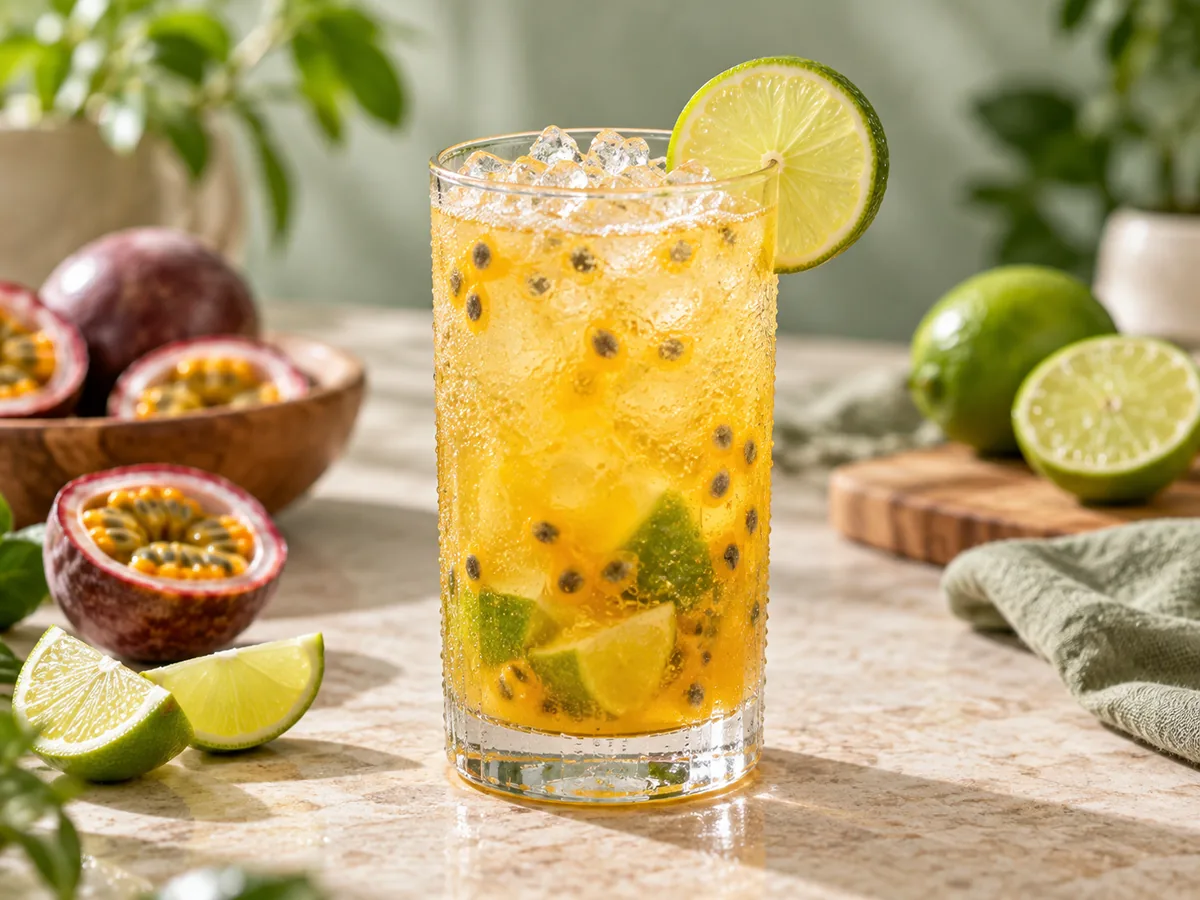
 AI-generated
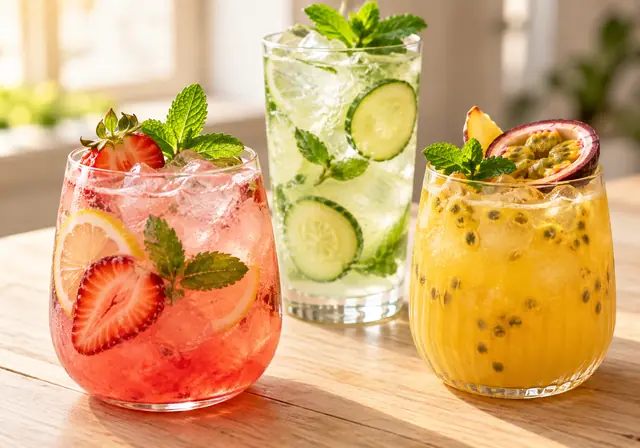 AI-generated
Mocktails
Mocktails bring colourful, festive drinks to the table without added alcohol.
Fruit-forward combinations suit dinner parties and warm afternoons alike.
Mocktails offer mixed-drink flavours without added spirits
Mocktails take inspiration from mixed-drink culture while focusing on beverages made without added alcoholic spirits. They can be fruity, herbal, gently bitter, sparkling or richly aromatic. The appeal is the combination of flavours and the sense of occasion, not an attempt to make every alcohol-free drink taste identical to a cocktail. A mocktail may accompany dinner, provide a festive choice at a party or offer something more distinctive than an everyday soft drink. Look at the actual ingredients because the term alone does not establish the alcohol content of every possible component.
Beyond purely sweet fruit drinks
A mocktail need not be dominated by juice or sweetness. Citrus acidity can provide brightness, botanical flavours can introduce complexity and a pleasantly bitter element can change the whole impression. More mellow fruit combinations remain welcome, especially when serving people with different preferences. The best choice depends on what will be eaten alongside it and whether the drink should feel light or substantial. By comparing flavour rather than colour alone, you can find options that suit both everyday meals and special gatherings without relying on alcohol for a festive appearance.
Mocktails belong at shared celebrations
An appealing non-alcoholic drinks selection is useful for birthdays, family meals and adult gatherings alike. Guests may avoid alcohol because of age, pregnancy, health, driving, religion or personal preference, and none should be pressured to explain. A mocktail can offer a thoughtfully flavoured option without suggesting that a person is missing out on an essential part of the event. Consider different levels of sweetness and acidity so the selection does not consist solely of sugary fruit drinks. Clear ingredients are important, particularly when special dietary needs or allergies are involved.
Alcohol-free is not always identical to 0.0 percent
The wording on fermented ingredients and alcohol-free products may have different legal meanings depending on location. Some ingredients used in mixed drinks can contain traces of alcohol. A strict no-alcohol requirement therefore calls for accurate labels and careful ingredient selection rather than assuming that the word mocktail guarantees absolute zero. Similarly, caffeine, sugar and allergens are separate questions that the category name does not resolve. A trustworthy description provides enough detail for readers to assess what is actually in the glass.
Which mocktail suits the meal?
For a rich dinner, a fresh and acidic flavour may create an enjoyable contrast, while more restrained ingredients can accompany delicate food. A fruity, sparkling drink may suit a summer gathering, and a warmly aromatic one can belong at a different type of celebration. These are choices, not rules that every menu must follow. Think about sweetness, portion size and the people drinking. If someone must avoid specific ingredients, consider the entire beverage, including syrups, garnishes and any fermented mixers.
A mocktail is more than diluted juice
Juice can be one ingredient in a mocktail, but the broader category is about a deliberate combination of flavours and the mixed-drink experience. Herbs, acidity, bitters designed for alcohol-free use and different fruit notes can give a drink its character. Not all products marketed as mixers are alcohol-free, so the actual label matters. The category is most useful when it explains distinct taste profiles without promising wellness benefits or assuming that the appearance of a cocktail establishes its composition.
Explore all recipes
ⓘ Ratings come exclusively from approved community contributions.