

 AI-generated
 AI-generated
 AI-generated
Egg dishes
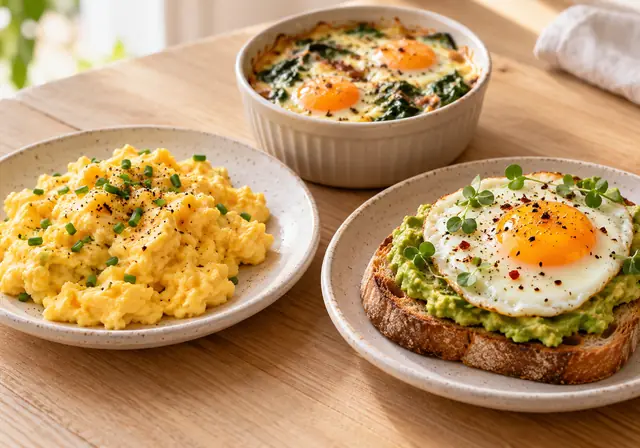
Egg dishes include scrambled eggs, omelettes and breakfast favourites from many countries. They're a savoury part of breakfast and a regular brunch choice.
Egg dishes suit a quick breakfast as well as a leisurely brunch. Their savoury flavours make them welcome alongside bread and a colourful selection of vegetables.
Egg dishes at breakfast and brunch
Eggs appear in many breakfast traditions, from quick individual meals to generous shared brunches. Their flavour is usually mild enough to accompany vegetables, bread and herbs, but the finished dishes can differ markedly in richness and texture. A small egg-based breakfast may be satisfying without elaborate accompaniments, while a larger spread may feature eggs as just one element. The useful question is how you want the meal to feel: light, soft, substantial or deeply savoury. Exploring those differences helps more than assuming every breakfast egg dish follows one familiar style.
Texture changes the whole experience
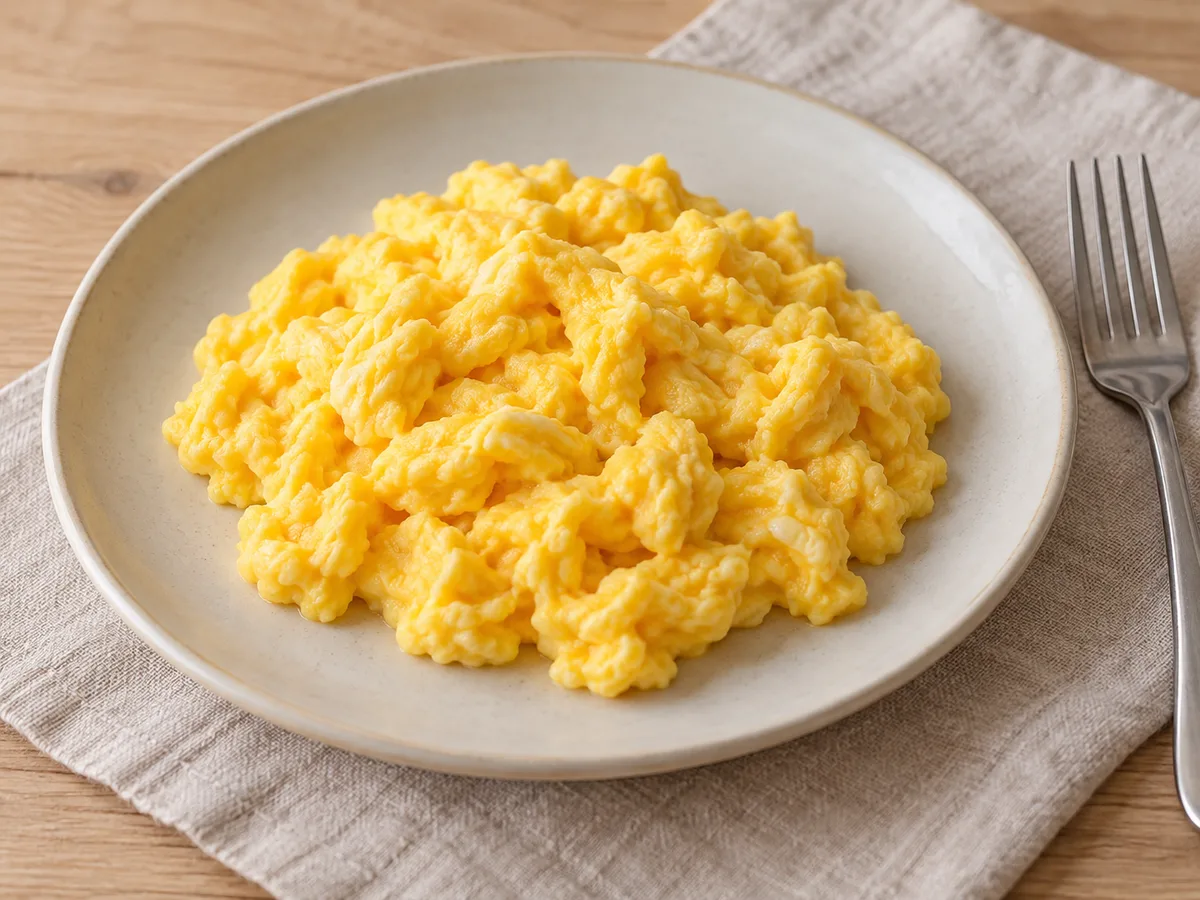
Egg dishes vary from tender and softly set to comparatively firm. That difference can be just as important as the seasonings used. Herbs, vegetables, cheese and other accompaniments may give each dish its character, while the egg itself contributes a recognisable but relatively versatile flavour. A rich combination can feel like a complete main dish; a modest serving may fit alongside other breakfast foods. Preferences for texture are personal, and food safety requirements must not be confused with taste. People who need particular precautions should follow appropriate safe-handling and preparation guidance rather than relying on a general category description.
Different occasions invite different egg meals
A weekday breakfast usually has different practical needs from a long weekend brunch or a meal shared with visiting family. Eggs can be the focus of a small plate or one option among several dishes. When planning for guests, consider whether everyone eats eggs and whether vegetarian choices might still need to exclude particular dairy or meat additions. Portions matter, but so do the accompaniments: a very rich bread or potato side may change how substantial the meal feels. A breakfast selection works best when the components complement each other instead of repeating the same texture.
Choose an egg dish to suit your taste
Decide first whether you prefer a softer or firmer texture and whether the overall meal should be mild or more savoury. Then think about the accompaniments. Vegetables may add freshness, cheese may bring richness and herbs can alter the aroma without dominating the plate. The role of bread, potatoes or salad depends on how much else will be served. For a family table, simple flavours can be flexible, but there is no reason to assume everyone likes the same form of cooked egg. The individual recipe will give more useful detail than the name alone.
Eggs and dietary preferences
Eggs are animal-derived ingredients, so a dish containing them is not vegan, even when vegetables make up most of the plate. Eggs are also an allergen for some people, and a dish that looks plain may contain dairy, wheat or other additions in its sides or fillings. If you are planning food for someone else, confirm their requirements rather than guessing. The appeal of an egg-based breakfast does not depend on unsupported health promises; it comes from its flavour, texture and versatility. Accurate ingredient information is essential when distinguishing vegetarian, dairy-free and other dietary choices.
Explore all recipes
ⓘ Ratings come exclusively from approved community contributions.