

 AI-generated
 AI-generated
Granita
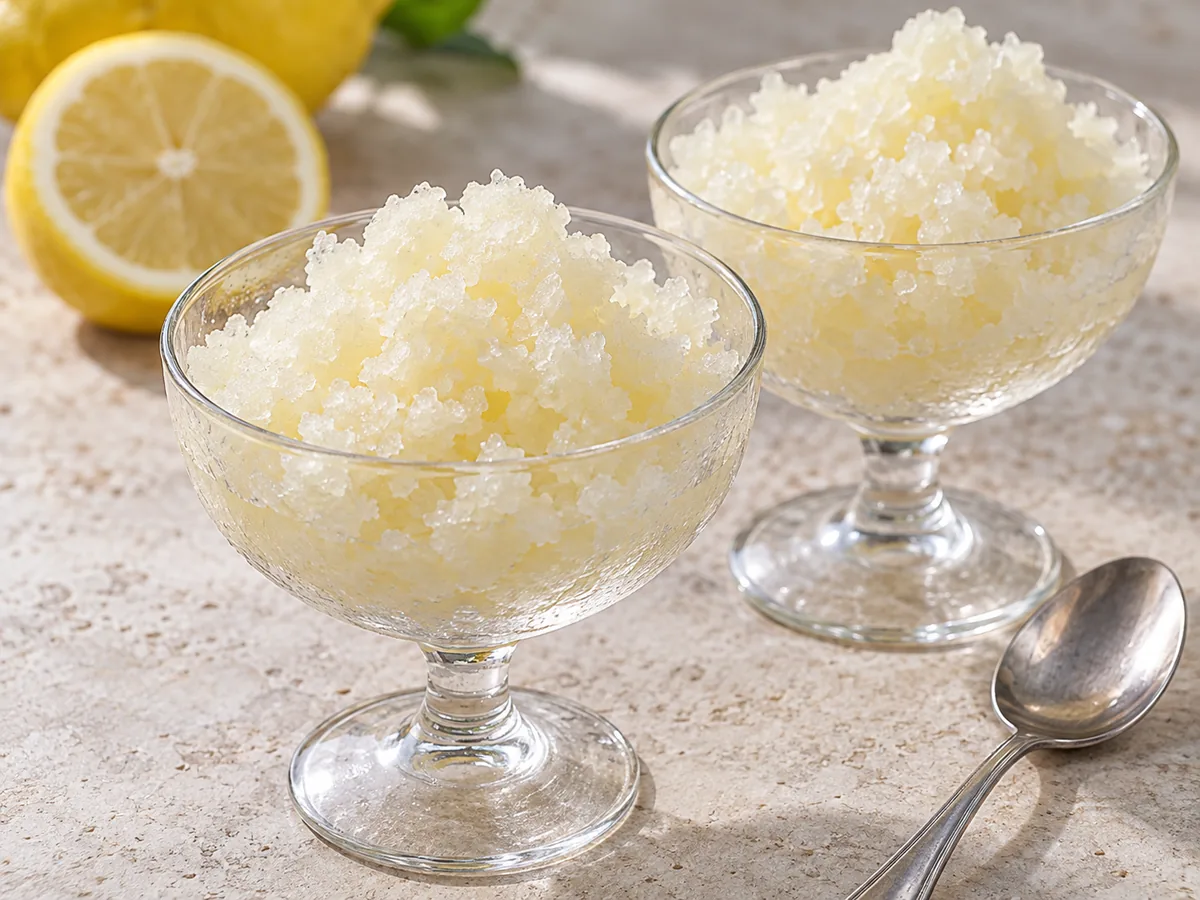
Granita is a Sicilian speciality with delicate, loose ice crystals. Lemon is a classic flavour, bringing a lively balance of sweet and tart.
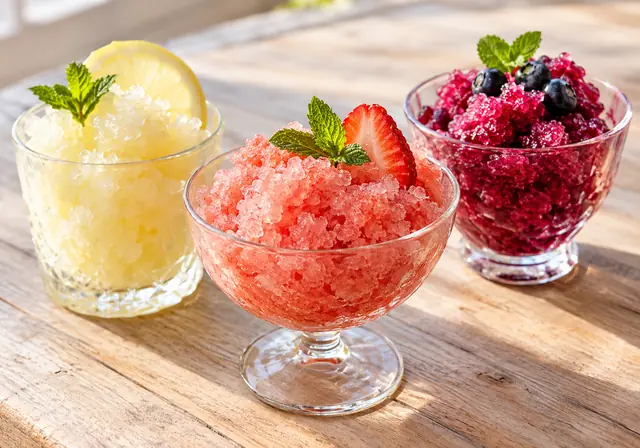
This Sicilian favourite is especially welcome on hot days as a refreshing alternative to creamy ice cream. Citrus and other fruit flavours give it plenty of variety.
Granita offers a crystalline kind of refreshment
Granita has an ice-crystal structure that varies in fineness between local styles; some Sicilian versions are notably soft and fine, so a coarse texture is not a universal requirement. Its small ice crystals create a light, refreshing sensation, and its flavours may be citrusy, fruity or gently aromatic. The dessert has an important place in Sicilian food culture, where local customs and occasions influence how it is enjoyed. When browsing granita, look beyond the fact that it is frozen. Texture is central to the experience, and the range from fine, soft styles to more perceptibly crystalline versions is part of its diversity.
Crystal structure and variations in texture
The pleasure of granita comes in part from the way its frozen crystals meet on the spoon. Its texture may be fine and soft as well as more noticeably crystalline; it should not be defined only by coarse ice or equated with dairy ice cream. Different flavourings give that texture contrasting personalities: citrus may seem brisk, fruit can add fragrance and other ingredients may create more rounded notes. A person who enjoys a strongly refreshing dessert may find granita especially appealing, while someone seeking a softer texture may appreciate one of its finer local styles rather than assuming that all granita must be coarse. The category helps identify those differences without treating one texture as superior to another.
Granita and Sicilian traditions
Granita has historical and cultural associations with Sicily, but the region itself includes varied traditions and flavours. It should not be reduced to a single standard flavour or a generic Mediterranean label. In some local settings, granita is enjoyed as part of breakfast or a social break as well as a dessert. Those habits may be unfamiliar elsewhere, which makes clear cultural context useful. Modern variations can exist alongside established styles without claiming an invented historical identity. Respecting the specificity of the Sicilian tradition adds more meaning than simply describing granita as crushed ice.
Who might choose granita?
Granita can appeal to anyone looking for a cold sweet with a recognisably crystalline texture and a vivid flavour. It may offer an interesting contrast to soft cakes and creamy desserts, especially when a menu already contains rich components. Portion size and flavour intensity help decide how it should be served. If you are choosing for guests with dietary needs, do not assume that a grainy appearance means all ingredients are suitable. Syrups, flavourings and accompaniments can vary, and only accurate information about the particular granita can establish its composition.
Granita is more than a generic frozen drink
A slushy beverage and a Sicilian-style granita may appear similar at a glance, but they do not necessarily share the same culinary context or serving experience. Granita is identified with a distinct ice-crystal texture and longstanding regional associations. Its role at the table can differ from that of a drink, a scoop of ice cream or a fruit sorbet. Fruit, coffee and other flavours are interpreted differently across local traditions. When describing the category, it is important to recognise both the crystalline texture and the specific cultural background rather than assuming every partially frozen sweet is interchangeable.
Explore all recipes
ⓘ Ratings come exclusively from approved community contributions.