

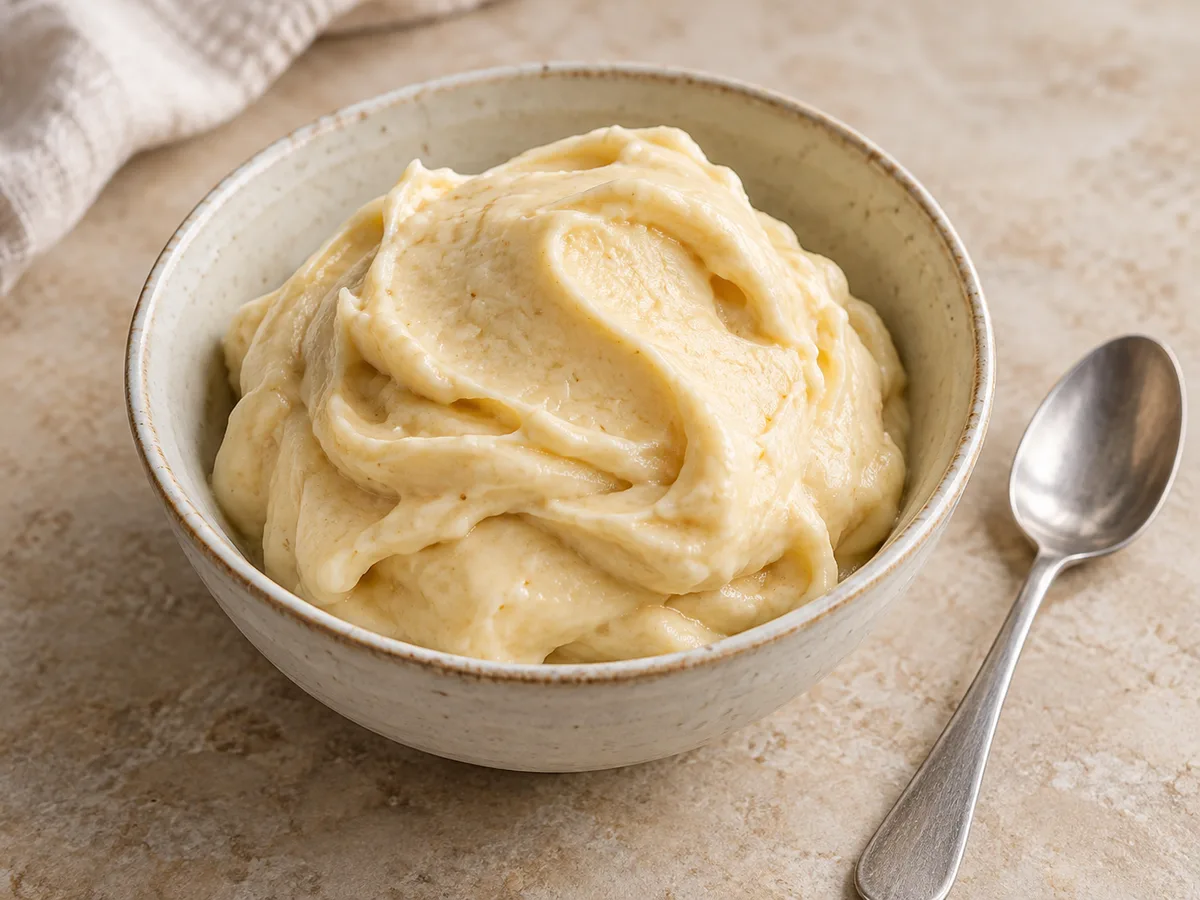
 AI-generated
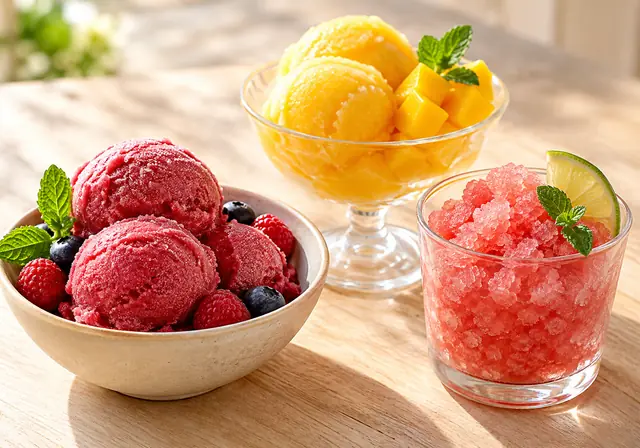 AI-generated
Fruit ice cream
Fruit ice cream puts the character of the fruit centre stage. Strawberries, mangoes, raspberries and bananas suggest colourful frozen favourites with a fresh, fruity taste.
Fruit ice cream suits a sunny afternoon, a light treat or the sweet end of a summer meal. Flavours range from gently sweet to bright and pleasantly tart.
Fruit takes centre stage in fruit ice cream
Fruit ice cream draws much of its character from the fruit flavour, whether bright and citrusy, mellow and sweet or distinctly tart. Different fruit varieties create different impressions, and the balance between sweetness and acidity matters more than any single ideal recipe. Some fruit ice creams have a soft and creamy texture; others feel particularly refreshing. The category is about fruity frozen enjoyment, not a particular named dessert or a compulsory preparation method. When choosing, think about the fruit notes you most enjoy and whether you would prefer them gentle, vivid or pronounced.
Sweetness and acidity shape the flavour
Fruit naturally differs in acidity, aroma and perceived sweetness. A sharp berry or citrus flavour can feel especially refreshing, while riper or milder fruit profiles bring a softer sensation. Additional sweet ingredients may change that balance, and a frozen treat can taste different from the fruit itself. There is no universal rule that one fruit makes a better ice cream than another. Combining fruity and creamy impressions can also change the overall character. The most useful way to browse is to distinguish tart, fragrant, tropical and gently sweet directions without reducing everything to a generic summer flavour.
Fruit ice cream is not the same as sorbet
Fruit ice cream, fruit-based frozen desserts and sorbet are closely related in everyday conversation, but they are not always made from the same kinds of ingredients. Some fruit ice creams contain dairy or other creamy bases; sorbet is more commonly associated with fruit, water and sweetening ingredients. The precise definitions may vary under local food standards. An intense fruit flavour does not establish whether milk, eggs or other ingredients are present. Anyone choosing for a dairy-free or vegan diet needs to verify the actual recipe rather than relying on the word fruit in the title.
When does fruit ice cream fit best?
Fruity frozen desserts are often linked to warm afternoons and outdoor gatherings, yet they can also offer a bright conclusion to a meal in any season. A tangy flavour may contrast with rich cakes or chocolate desserts, while mellow fruit can be pleasant on its own. Consider the people being served, the portion size and whether other sweets already provide similar flavours. Children and adults do not necessarily share the same preferences for acidity or sweetness. A varied selection works best when different flavours offer recognisably different experiences.
What does the name fruit ice cream really mean?
The term is used broadly in ordinary speech, while ingredient requirements and product descriptions can differ by region and applicable food rules. The presence of fruit flavour alone does not tell you the proportion of fruit or whether the ice cream includes dairy. Nor can appearance or colour reliably identify the ingredients. This matters both for informed taste expectations and for allergies. A detailed ingredient list provides more than a category label, particularly when fruit concentrates, flavourings or coatings are involved. Choose for genuine flavour preference without assuming that every fruity frozen sweet has the same composition.
Explore all recipes
ⓘ Ratings come exclusively from approved community contributions.