

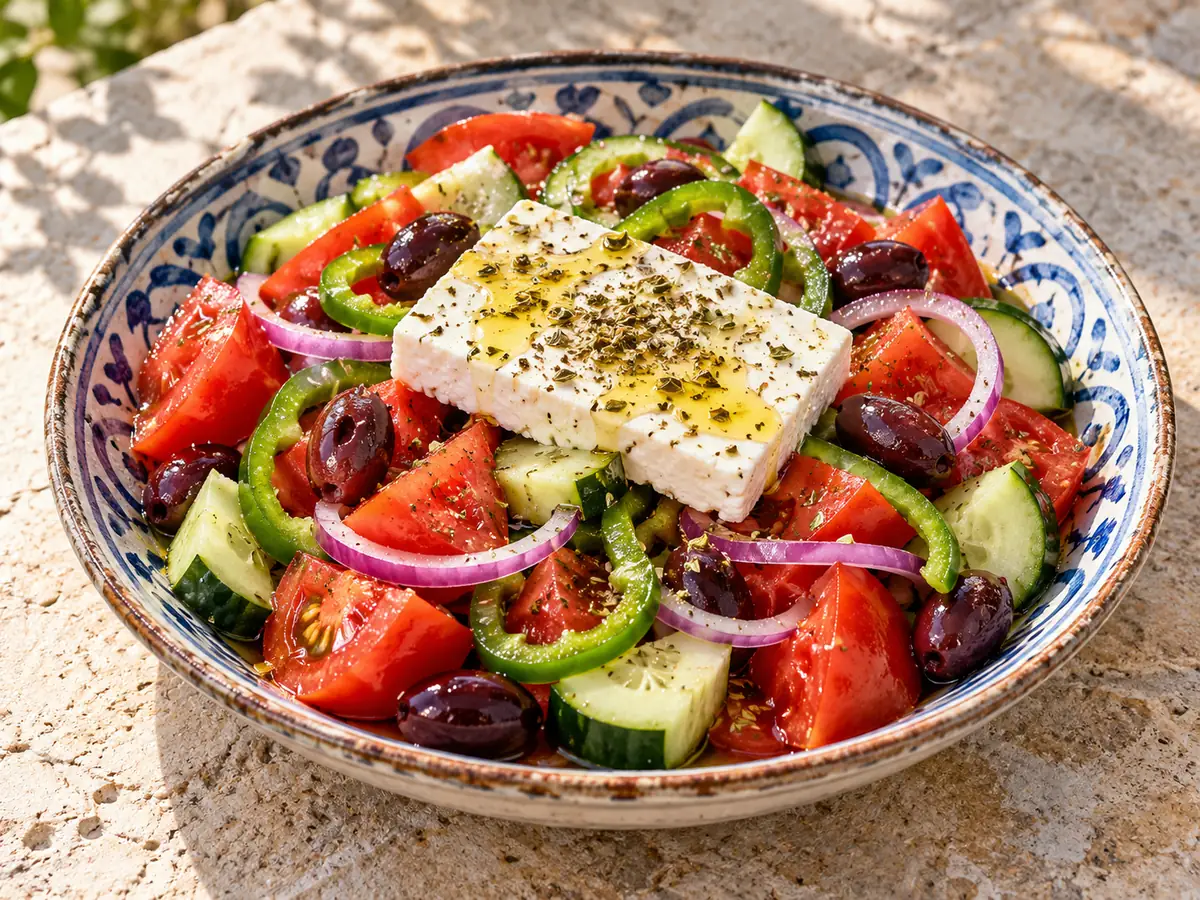
 AI-generated
Vegetable salads
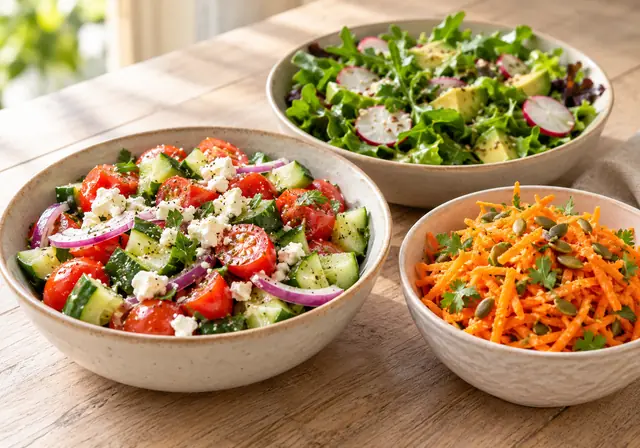
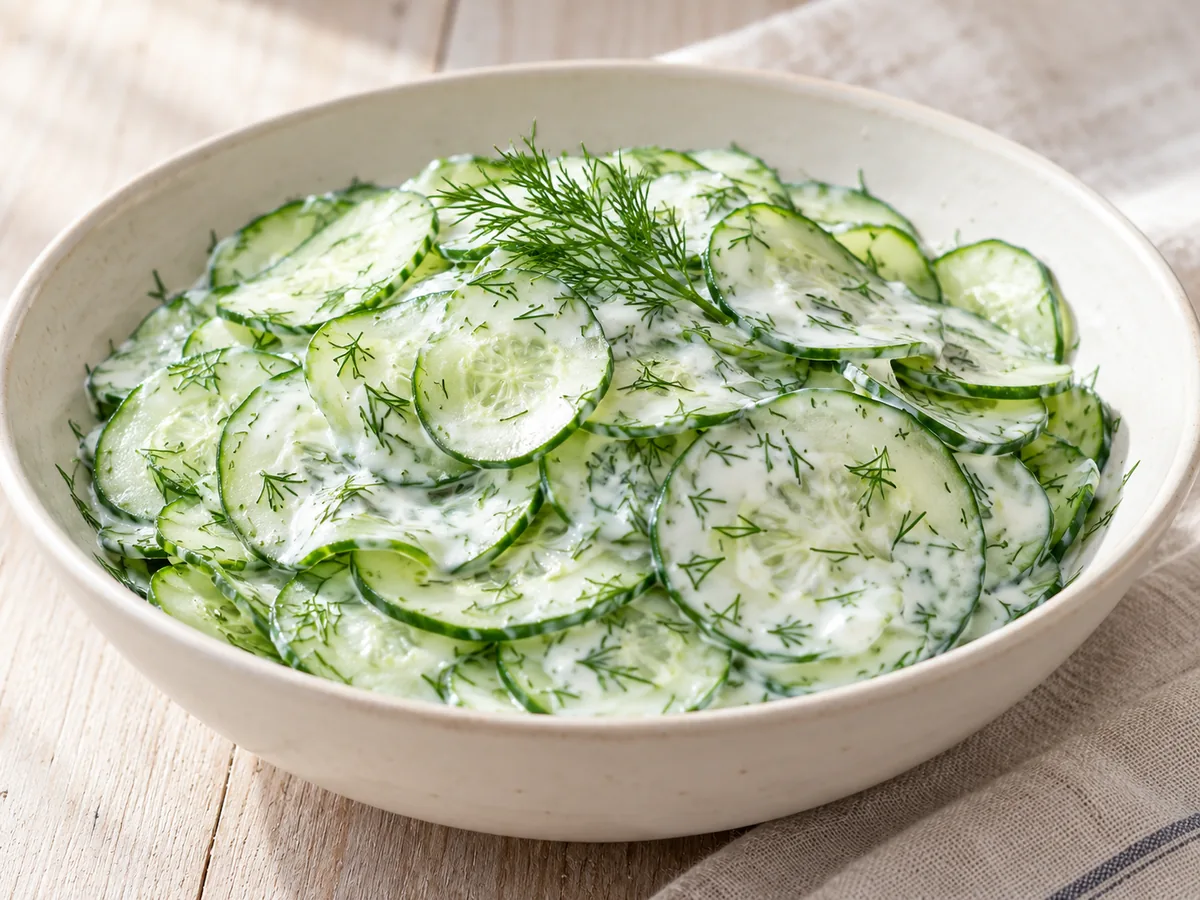
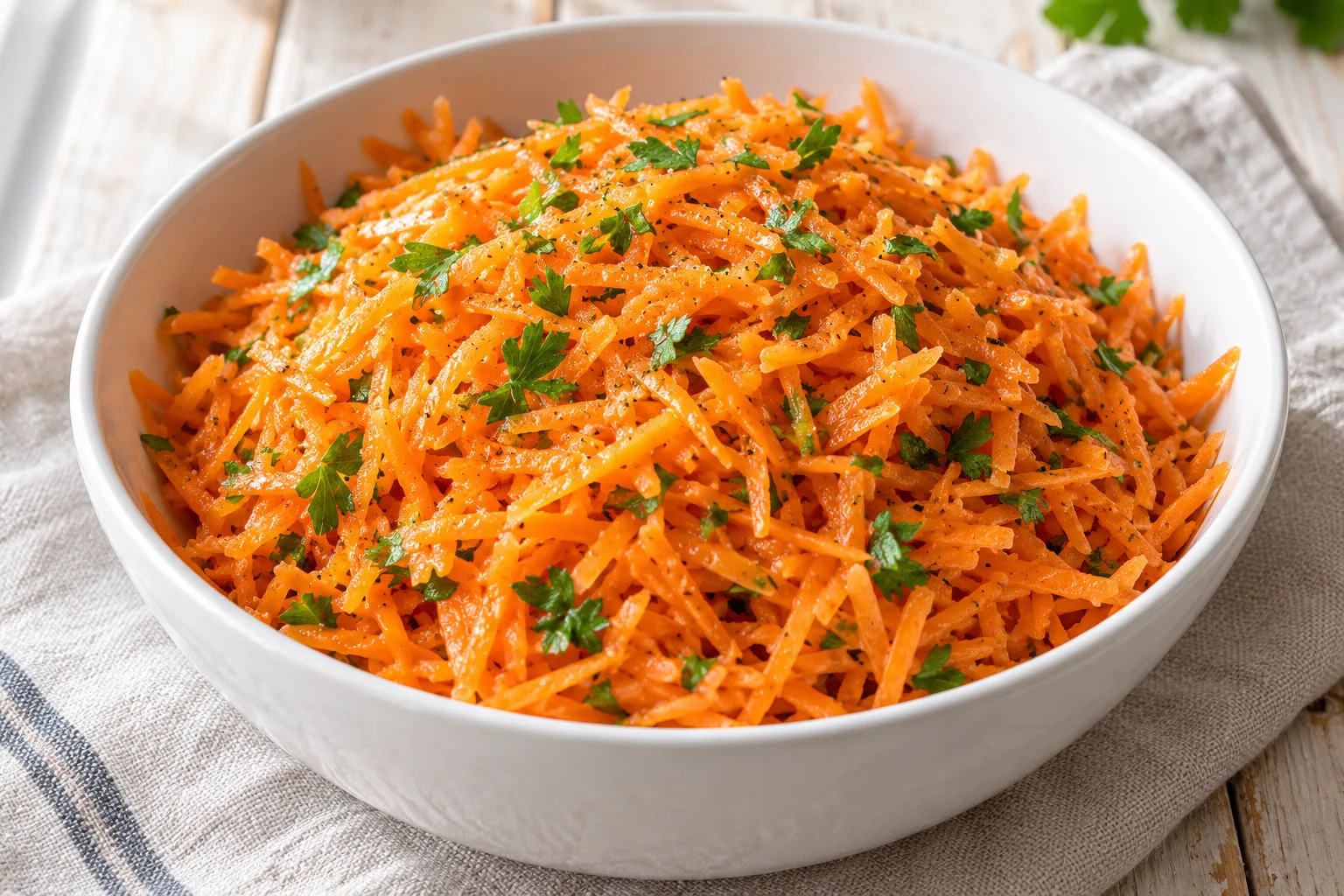
Vegetable salads show how colourful fresh produce can be. Carrots, tomatoes, peppers, cucumbers and other vegetables make a vibrant plate.
From light summer salads to heartier vegetable combinations, there are many ways to enjoy this category. They suit barbecues, lunches and side dishes alike.
Vegetable salads show the range of the garden
Vegetable salads bring together a wide spectrum of colours, textures and flavours. Crunchy raw vegetables create a different impression from softer cooked ones, and not every salad needs a base of leafy greens. Tomatoes, roots, legumes and other vegetables can each lead the flavour. Some mixtures feel light and fresh; others can be substantial enough for a meal. The appeal lies in the diversity of the vegetables and their combinations. When browsing, decide whether you want crispness, sweetness, tanginess or a fuller, more savoury profile rather than treating vegetable salad as one fixed style.
Different vegetables create different moods
Vegetables vary widely in their natural taste. Some contribute sweetness, others have earthy or pleasantly bitter notes, and a few bring sharper or more distinctive flavours. Herbs and dressings can complement those properties without covering them up. The same vegetable may also be experienced differently depending on whether it is raw or cooked. A good combination balances texture and flavour rather than simply adding as many colours as possible. For people who enjoy pronounced vegetable tastes, a focused salad can be as appealing as a more elaborate mixed plate. Personal preferences should guide the choice.
Vegetable salads for buffets and family tables
At a buffet, vegetable salads can provide contrast to baked foods, hearty mains and richer accompaniments. A small selection with clearly different flavours often works better than several similar bowls. For a family lunch, the salad may be a light main or a supporting dish, depending on its ingredients and serving size. When preparing food for guests, include accurate information about sauces, cheese, nuts and other toppings. A salad built around vegetables is not automatically vegan, gluten-free or suitable for an individual allergy. The overall composition and any possible cross-contact determine suitability.
How to choose the right vegetable salad
Begin with the texture you want. Crunchy raw pieces, softer cooked vegetables and combinations of both create distinct eating experiences. Next think about whether you prefer sweet, earthy, tangy or herb-led flavours. The main dish can also help: a fresh, sharp salad may contrast with a rich meal, while a more substantial vegetable salad can be suitable for lunch on its own. Portion size and seasonality offer further guidance, although ingredient availability differs from region to region. The individual recipe provides the information needed to understand which vegetables and accompaniments are involved.
Raw and cooked vegetables are not interchangeable
Raw vegetables often retain a more pronounced crunch and some of their original sharpness. Cooking can soften their texture and change the way sweetness or earthiness is perceived. That makes the distinction central to a salad's character, not merely a technical detail. Some vegetables suit both approaches in different regional traditions. When a salad combines raw and cooked ingredients, the contrast may be part of its appeal. For anyone with dietary restrictions, the form of the vegetables is not the only issue; dressings, sauces and additions need their own checks. A vegetable salad should be described by what it actually contains.
Explore all recipes
ⓘ Ratings come exclusively from approved community contributions.