

 AI-generated
 AI-generated
 AI-generated
Smoothies
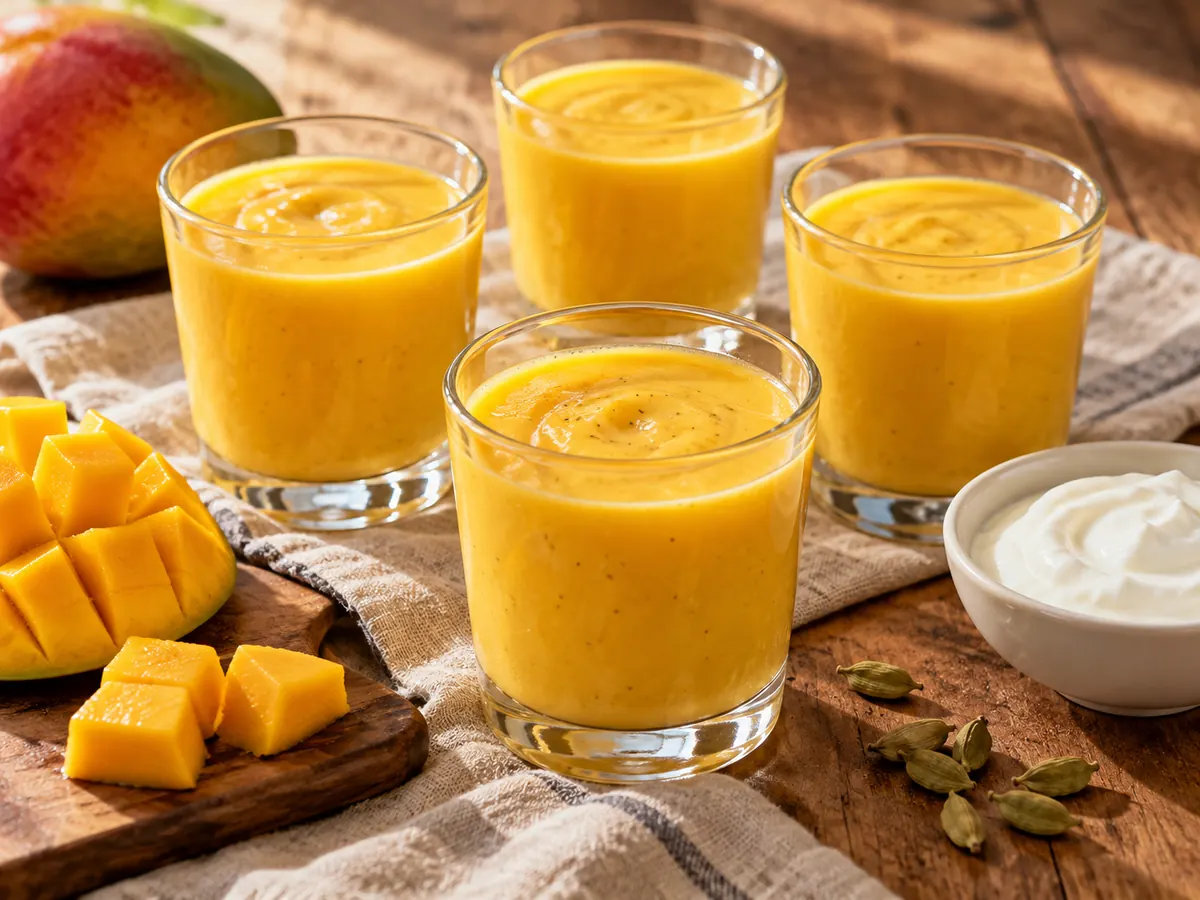
Smoothies celebrate fruit in a rich, refreshing drink.
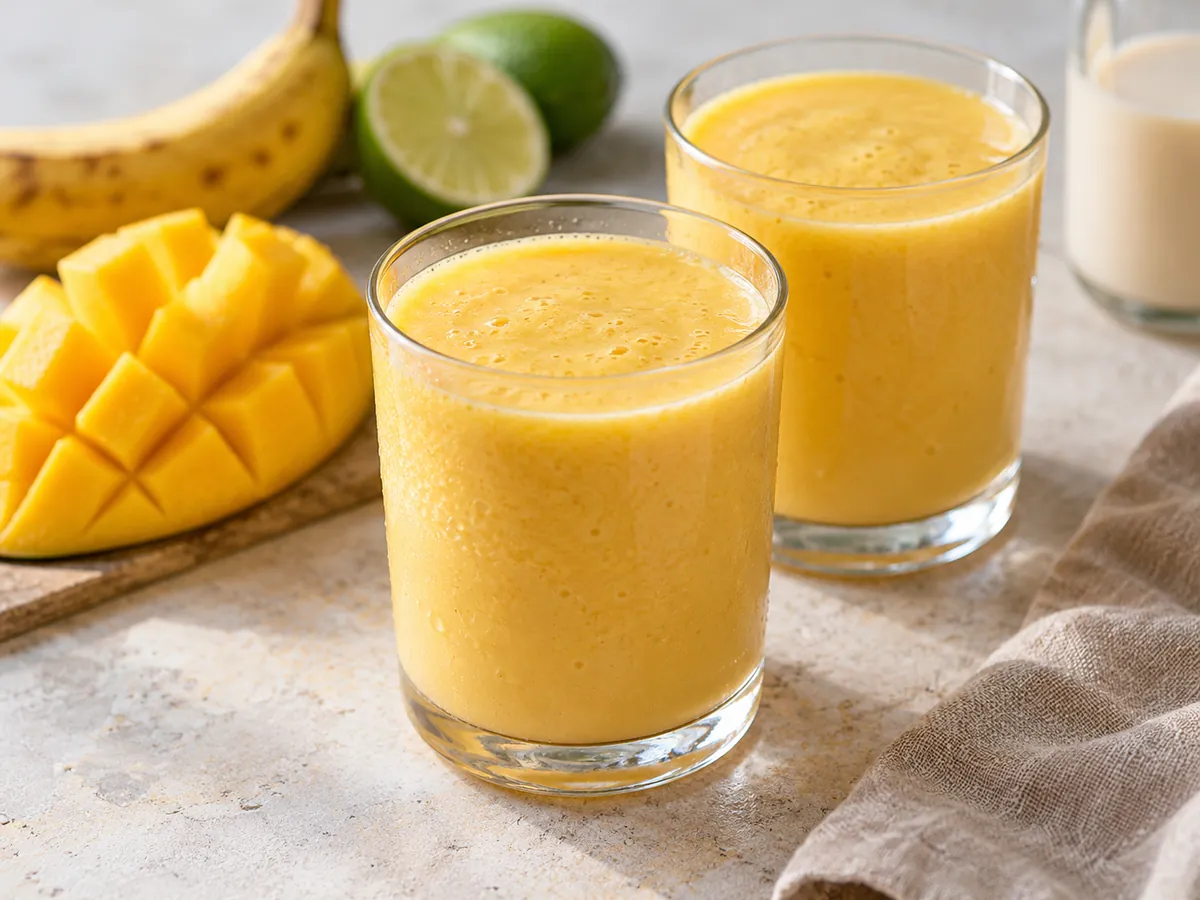
Tropical flavours, berries and mellow combinations offer plenty of choice.
Smoothies are defined by their blended texture
Smoothies are usually associated with a soft, thick drink in which fruit, vegetables or other ingredients are blended together. Their consistency differs from clear juices because more of the ingredient's pulp and body may remain. Yet no single texture or combination defines every smoothie. Some are refreshing and fruit-forward, others mild, creamy or more vegetable-led. When choosing, think about which flavours you enjoy and how substantial you want the drink to feel. A smoothie can be a snack or accompany a meal, but its role depends on the actual ingredients and portion.
Fruit-forward and vegetable-led directions
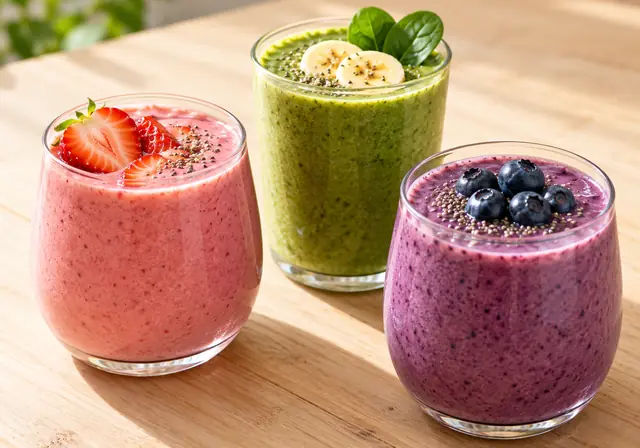
Berries can lend acidity and strong colour, tropical fruits may produce a mellow sweetness, and vegetables can introduce earthier or fresher notes. Mixing different ingredients changes both flavour and texture. A fruit-heavy smoothie is not necessarily equivalent to a vegetable-rich one, and vivid colour alone does not reveal its nutritional composition. Choose by the tastes and ingredients you prefer rather than assuming every smoothie represents the same kind of drink. A balanced flavour profile often matters more than including a long list of ingredients.
Smoothie and juice are not the same
Many juices separate liquid from some of the fruit or vegetable solids, while smoothies generally retain more blended material. That difference can change texture and how the drink is experienced, although exact compositions vary. A smoothie may contain dairy, plant-based drinks, nuts or other additions that are absent from a simple juice. Neither label guarantees a particular amount of sugar or fibre. The complete recipe provides clearer information than broad nutritional claims. If the drink is being selected for someone with a medical condition, individual guidance remains more appropriate than assumptions based on the category.
Check ingredients and special requirements
Smoothies may include milk, yoghurt, nuts, seeds, cereals or other ingredients alongside fruit and vegetables. These components can affect allergies, gluten-related needs and vegan suitability. A green-looking drink is not automatically dairy-free, while a fruit-based name may conceal nut or milk additions. For people with specific requirements, examine every ingredient and any optional toppings. The quantity served also affects how substantial a smoothie feels. Being blended does not turn all ingredients into an identical nutritional product or guarantee that the drink is appropriate for everyone.
Choose a smoothie for the occasion
A refreshing fruit smoothie can fit a warm afternoon, while a creamier version may feel more like a snack. At breakfast, some people enjoy a blended drink alongside food; others prefer something less substantial. Think about texture, sweetness, acidity and serving size before choosing. If a smoothie is being offered to guests, different fruit and vegetable combinations can accommodate a broader range of tastes. The category should help readers distinguish these possibilities without promising that any single smoothie replaces a balanced meal.
Smoothies and whole fruit serve different roles
Blended fruit can be enjoyable, but a smoothie should not automatically be described as nutritionally identical to eating whole fruit and vegetables. Ingredients, processing, quantity and added sugars can vary. Likewise, no single drink is a universal substitute for an entire meal. Rather than relying on exaggerated claims, consider what the smoothie actually contains and how it fits into broader eating habits. The appeal of smoothies lies in flavour and texture; accurate ingredient information supports individual choices without making unsupported health promises.
Explore all recipes
ⓘ Ratings come exclusively from approved community contributions.