

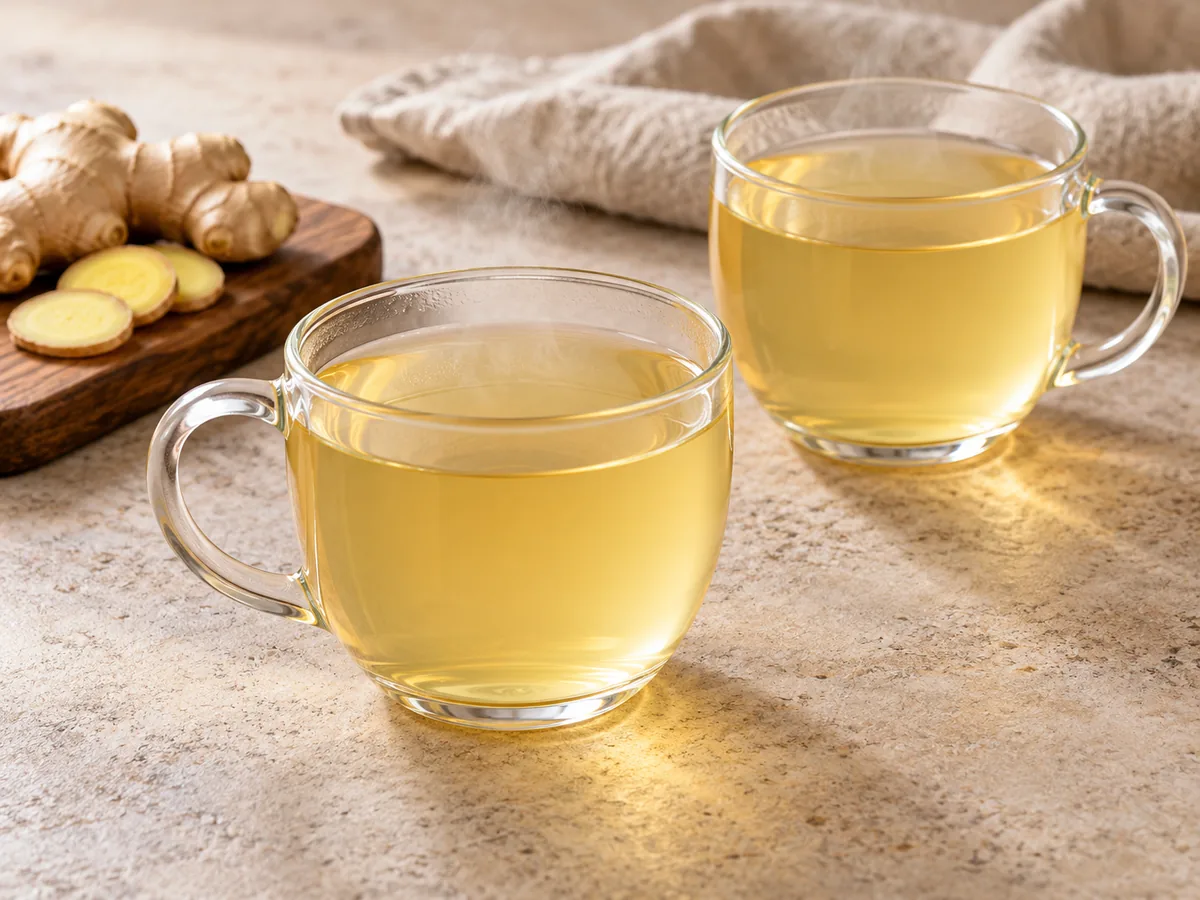
 AI-generated
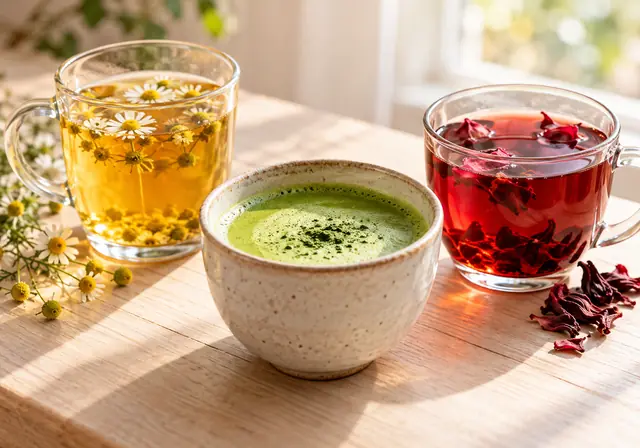 AI-generated
Tea
Tea accompanies quiet moments across many cultures.
Black tea, green tea and aromatic herbal infusions offer distinct flavours and moods.
Tea and herbal infusions should be distinguished
Tea in the botanical sense comes from the tea plant, Camellia sinensis, and includes styles such as black, green and other teas. Herbal and fruit infusions are often called tea in everyday conversation, but they are made from different plants and have different properties. This distinction matters for flavour and caffeine information. When browsing the category, consider whether you want a true tea with its characteristic taste or a botanical infusion based on herbs and fruit. Neither family has only one flavour, and the label alone cannot establish an exact composition.
From floral and delicate to robust
Teas and infusions can be gently floral, grassy, malty, earthy, fruity or strongly aromatic. Different plant ingredients create distinctive character, and local serving traditions add further variety. Some beverages suit a quiet break; others are commonly enjoyed alongside food or in social settings. The intensity of aroma is not a reliable measure of caffeine. When choosing, think about the tastes you enjoy rather than a general assumption that all tea is soothing or all herbal infusions are equivalent.
Tea can accompany different meals
A delicate tea may complement lightly flavoured food, while a more robust variety can stand alongside richer dishes. Fruit or herbal infusions provide other flavour profiles, including sweet-smelling, tangy or pleasantly bitter notes. Cultural customs vary widely, so no single serving occasion represents every tea tradition. The drink can be part of breakfast, an afternoon break or a shared meal. Choosing by aroma and actual ingredients respects that variety without forcing all teas into one fixed set of pairings.
Caffeine and herbs deserve separate checks
Black and green teas generally contain caffeine, while many herbal infusions do not come from the tea plant. However, a mixed beverage may include caffeinated ingredients, and herbal products have their own potential interactions or precautions. People who are pregnant, take medicines or have relevant medical conditions may need individual advice about particular herbs or caffeine. A recipe category should avoid broad therapeutic claims about detoxification or immunity. Accurate identification of the ingredients is more useful than treating every plant infusion as universally safe.
How to find a tea you enjoy
Start with whether you want a true tea or a herbal or fruit infusion. Then consider preferred flavour: gentle and floral, deep and malty, fresh and grassy or distinctly fruity. The time of day and whether food will accompany the drink may help narrow the choice. If caffeine matters, rely on actual ingredient and product information. A variety of teas can serve different moods without being ranked by unproven health benefits or a single idea of quality.
What counts as tea?
The word tea is used broadly in shops and homes, but the source of the plant material remains important. True teas come from Camellia sinensis, while chamomile, peppermint and many other infusions use different ingredients. Their flavours and potential caffeine content should not be treated as interchangeable. Regional language and customs can still use tea as an umbrella term, provided descriptions remain clear. When health or dietary considerations matter, identify the actual plants rather than assuming that a familiar label explains everything.
Explore all recipes
ⓘ Ratings come exclusively from approved community contributions.