

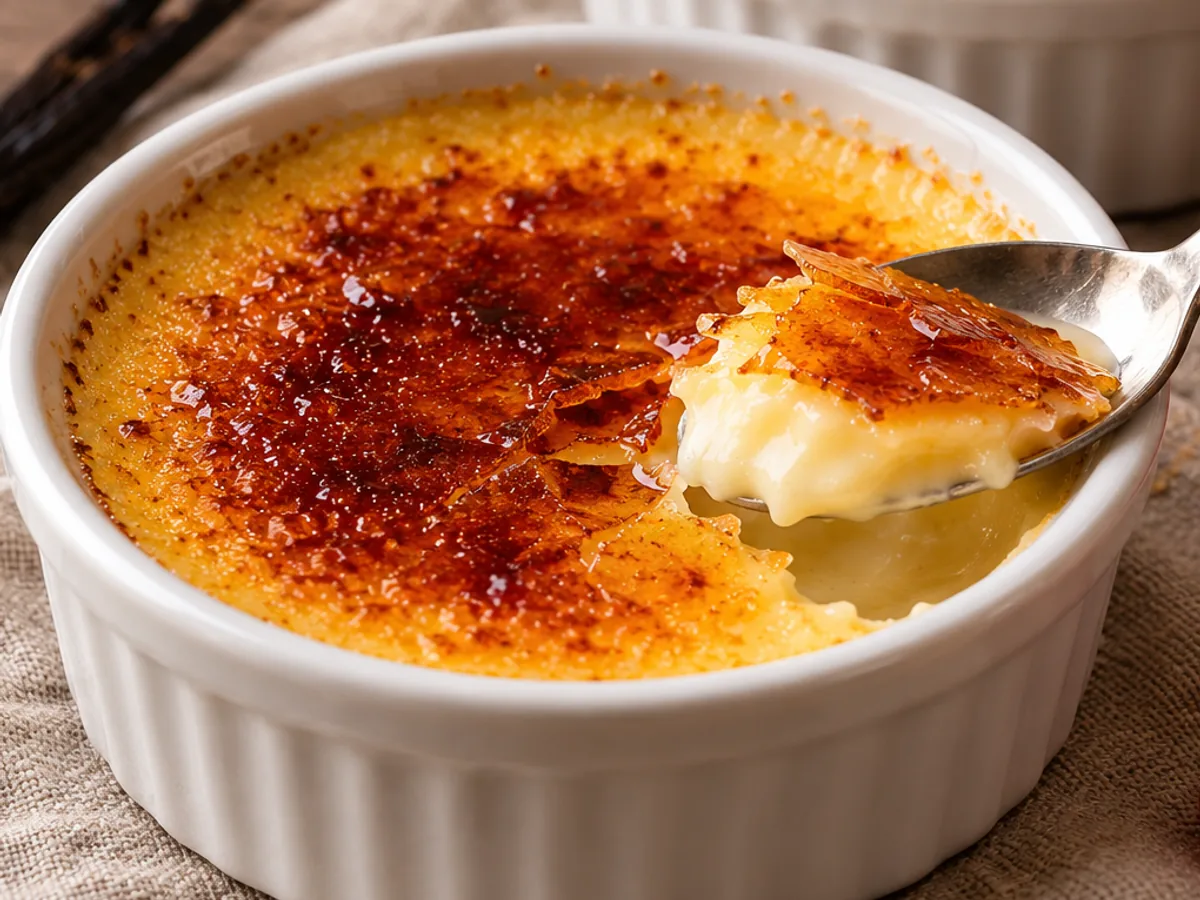
 AI-generated
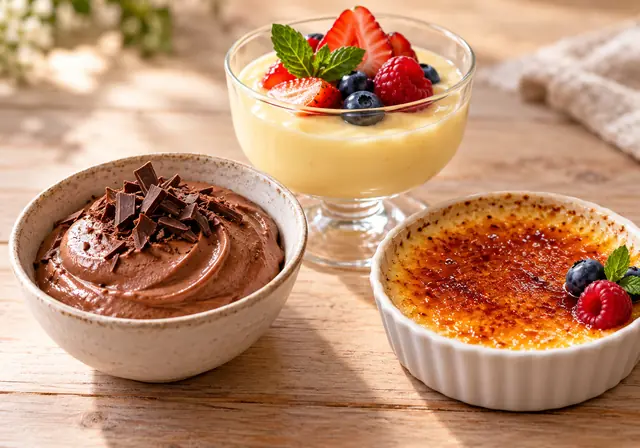 AI-generated
Dessert creams
Dessert creams are for anyone who loves a soft, smooth sweet. Fruit-based yoghurt creams, quark desserts and chocolate variations offer very different flavours.
Presented in individual glasses, these desserts feel welcoming when guests come over. They are equally at home after an ordinary lunch.
Dessert creams offer many gentle textures
Dessert creams are known for a smooth, often silky mouthfeel, but their flavour can be mild, rich, fruity, nutty or intensely chocolatey. Some feel almost weightless; others are intentionally indulgent. Their soft consistency makes them a familiar choice at the end of a meal, yet the ingredient combinations can vary widely. When comparing creams, look at the overall character rather than assuming every spoonful will taste the same. A delicate fruit cream and a pronounced cocoa-based dessert create different experiences even if both are served in small dishes.
Cream, pudding and mousse are not identical
The boundaries between cream desserts, puddings and mousses overlap in everyday language. Pudding is often associated with a more set, cohesive texture, while mousse suggests an airier consistency. A cream generally brings a smooth, flowing or velvety sensation, although there are many variations. These labels are useful starting points rather than strict guarantees. The actual recipe and the finished texture are what matter. A soft cream can be just as satisfying as a firmer pudding, particularly when its flavour complements other foods at the table. Choose by mouthfeel and taste instead of treating the names as fixed categories.
Cream desserts for special occasions
A small serving of dessert cream can be a pleasant conclusion after a meal, while a selection of different flavours suits a celebration or afternoon gathering. Fruit-forward choices may provide contrast to richer cakes and pastries, whereas chocolate or nut flavours can be an intentional highlight. When several desserts are offered, portion size and variety help avoid a table of nearly identical sweets. For guests with dietary needs, examine dairy, egg, nut and other possible ingredients. A smooth texture cannot tell you whether a dessert is vegan, lactose-free or safe for someone with an allergy.
How to select the right dessert cream
Think first about the flavour profile: do you want something light and fruity, mellow and vanilla-like or deep and chocolatey? Next consider the desired richness and portion size. A cream served after an elaborate dinner may play a different role from one enjoyed during a relaxed weekend afternoon. There is no need for elaborate decoration when the dessert itself has a clear character. Read the ingredients if allergies or special dietary preferences are involved, because creams with a similar appearance may be made from entirely different bases and contain different additions.
What gives a cream dessert its personality?
The appeal of a dessert cream comes from the relationship between its soft texture and its flavour. Fruit, cocoa, vanilla, nuts, spices or citrus can lead in different directions. Texture is more than a cosmetic detail: an airy cream feels different from a dense and velvety one, even when both share an ingredient. Likewise, a strongly flavoured topping may change how the dessert is perceived. For a shared menu, choosing a cream with a clear identity makes more sense than trying to incorporate every tempting flavour. The ingredient list is the most reliable guide to what the cream actually contains.
Explore all recipes
ⓘ Ratings come exclusively from approved community contributions.