

 AI-generated
 AI-generated
Mousses
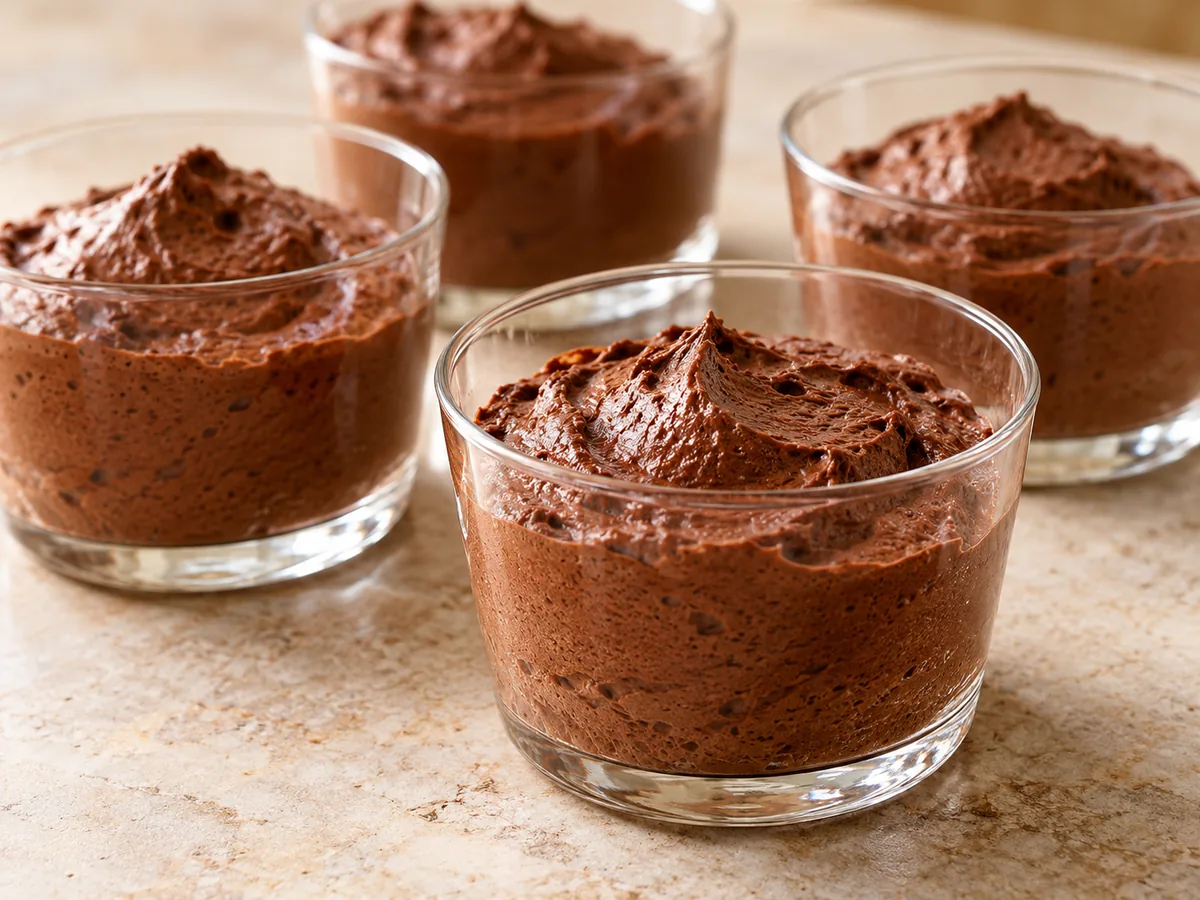
Mousse is an airy dessert with a delicate feel and plenty of flavour. Chocolate and fruit are especially popular choices in this family of sweet treats.
A little bowl of mousse makes an elegant end to a special dinner, yet can brighten an ordinary evening too.
Mousse is recognised by its airy character
Mousse stands out among spoon desserts for its light, airy impression. Depending on the ingredients, it may be particularly delicate or comparatively rich despite the soft texture. A chocolate mousse can have a deep flavour, while fruit-oriented variations feel very different. Airiness describes how the dessert is experienced, not a fixed amount of sweetness or a particular nutritional profile. When choosing, consider the balance of flavour intensity and texture. A small mousse can provide a satisfying sweet finish without needing to occupy a large portion of the table.
From fruit notes to deeper flavours
Mousse accommodates a wide range of tastes. Fruit can add bright, tangy notes, while cocoa, chocolate or nuts create a more pronounced, sometimes slightly bitter impression. Vanilla and aromatic spices can provide gentler alternatives. The choice depends on what has already been served and on the tastes of the people eating. A richly flavoured mousse may be more enjoyable in a modest portion; a fresher variety may feel fitting after a substantial meal. The category includes these contrasts without assuming that mousse always has to be chocolate-based.
Mousse on a festive dessert table
A mousse is frequently associated with celebrations, but it can also suit a simple family dessert. Individual portions make it easy to offer contrasting flavours to several guests. Think about the rest of the sweet selection: a light-textured mousse adds a different experience next to cakes, puddings or fruit. What matters is that the flavours complement each other and that the quantity suits the meal. Ingredients may include eggs, dairy or other allergens, depending on the recipe. Someone with dietary restrictions should check the actual composition rather than infer it from the dessert's soft appearance.
When is mousse a good choice?
A mousse can suit a dinner where you want a sweet course with a particularly gentle texture. Choose between pronounced chocolate flavours and brighter fruit accents, then consider whether a small portion or a larger dessert fits the occasion. For guests with contrasting preferences, it may be useful to offer more than one flavour direction. The texture also distinguishes mousse from set puddings and more fluid creams. However, those distinctions are not absolute across every food tradition. Reading the dessert description will give a more accurate expectation than the general label alone.
An airy texture does not promise a light diet
Because mousse feels airy, people sometimes assume it must be low in richness or suitable for particular diets. Neither follows from the texture. Chocolate, cream, eggs, nuts and other ingredients can all appear in mousse, while plant-based versions may use entirely different ingredients. Vegan, lactose-free and milk-protein-free are separate requirements and need their own verification. Desserts containing raw or lightly treated eggs may also involve food-safety considerations for vulnerable individuals. Mousse is best described honestly through its texture, ingredients and flavour rather than through unsupported claims about health or universal suitability.
Explore all recipes
ⓘ Ratings come exclusively from approved community contributions.