

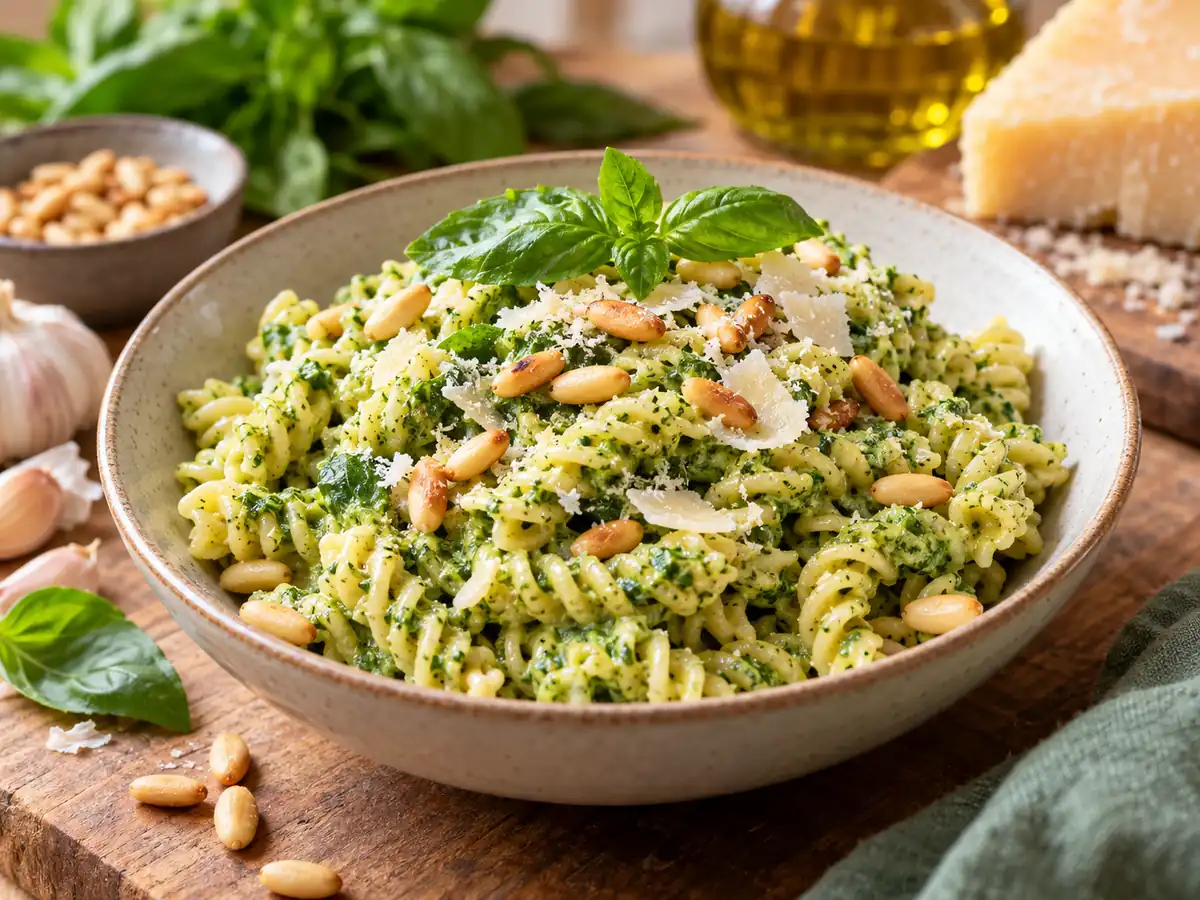
 AI-generated
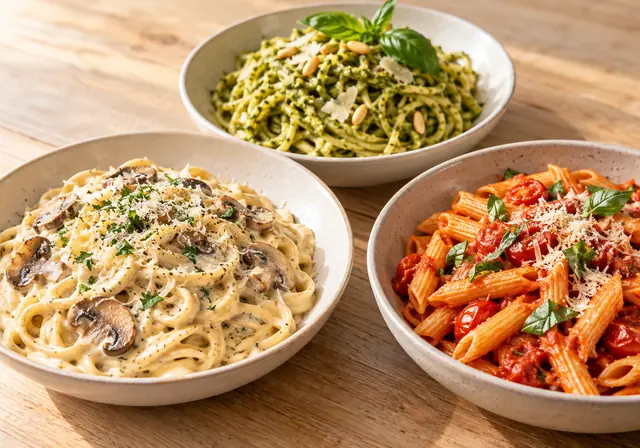
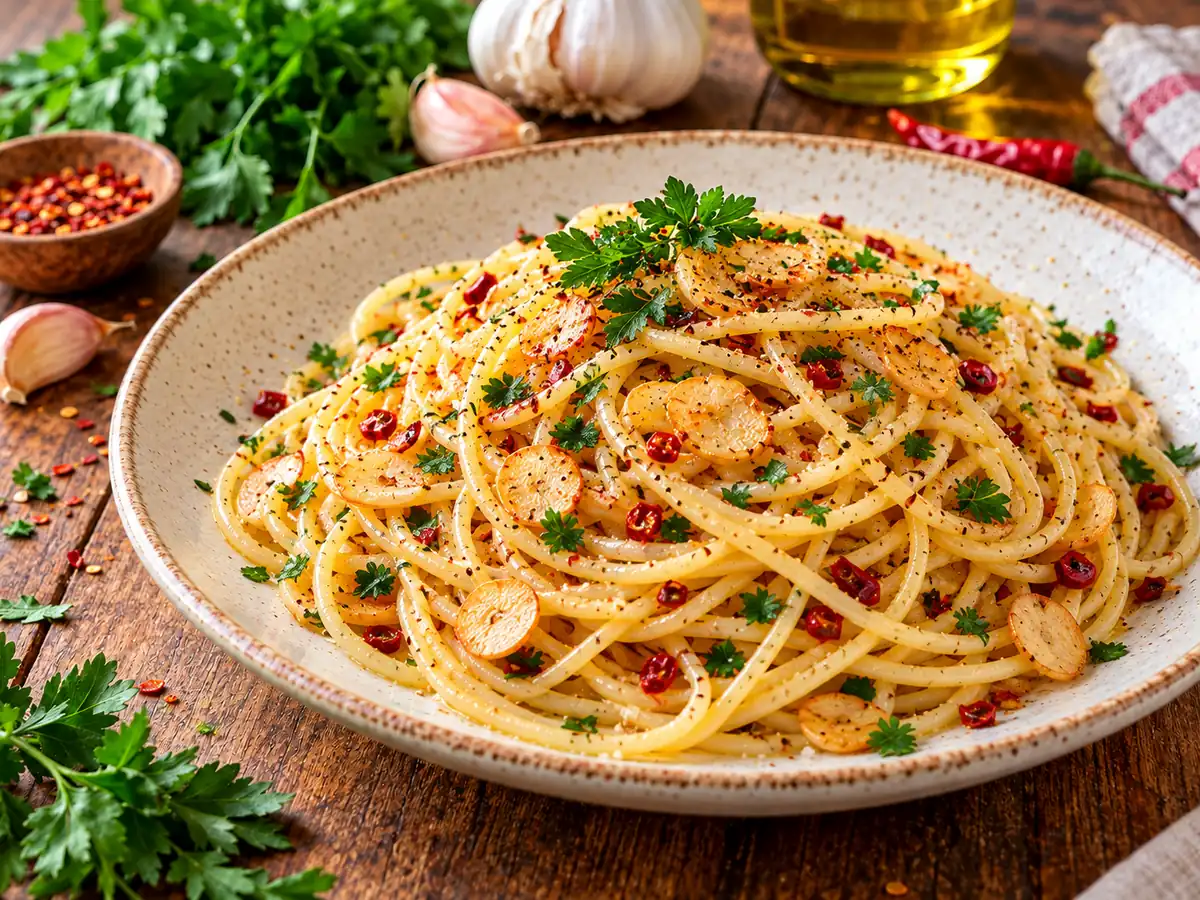
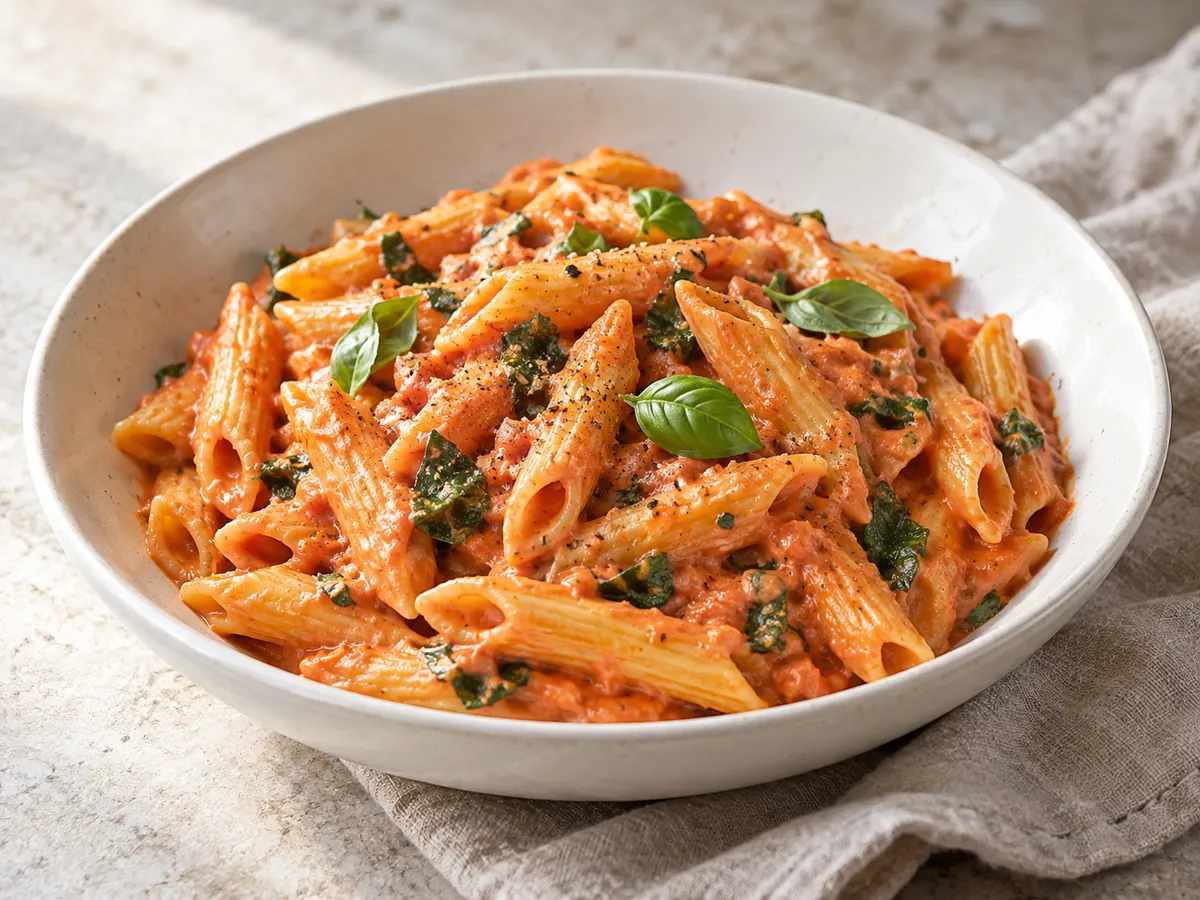
Pasta & noodles
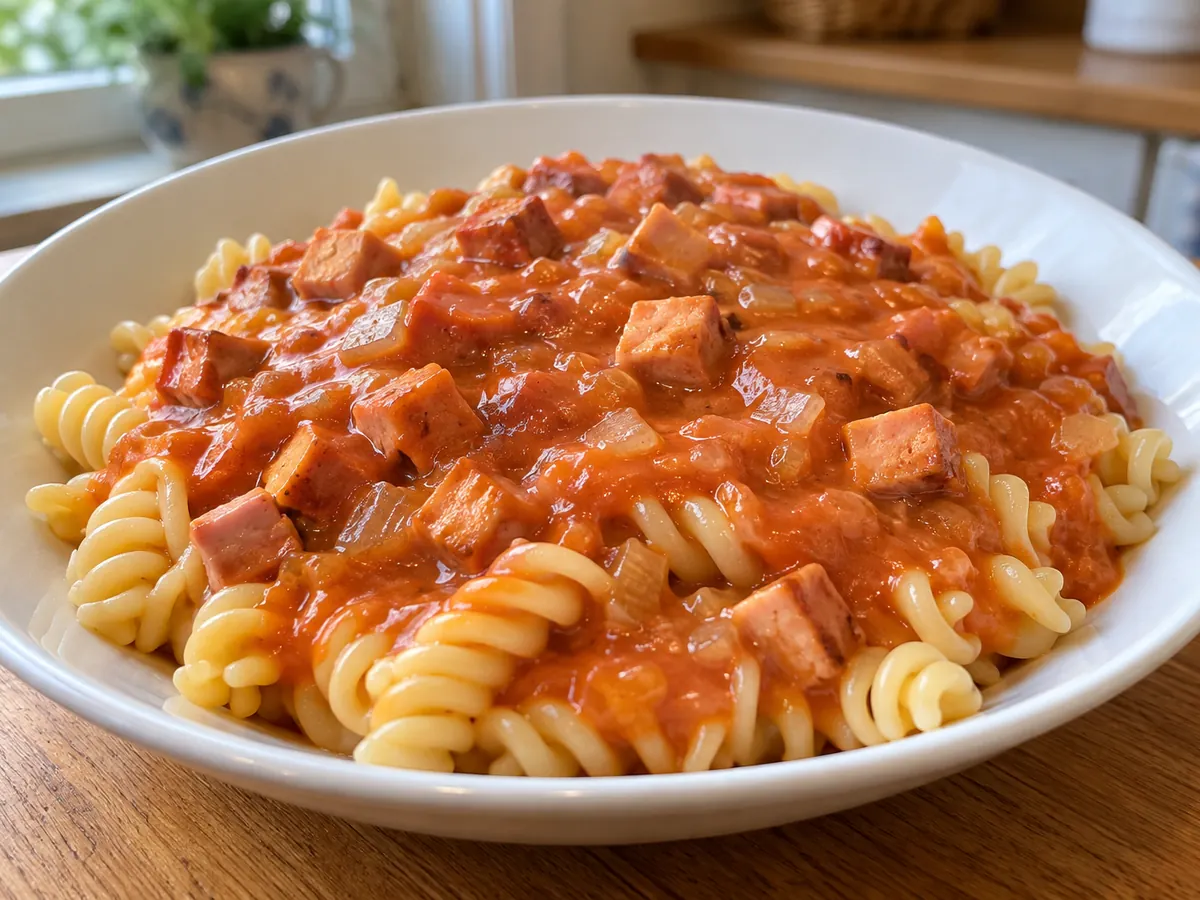
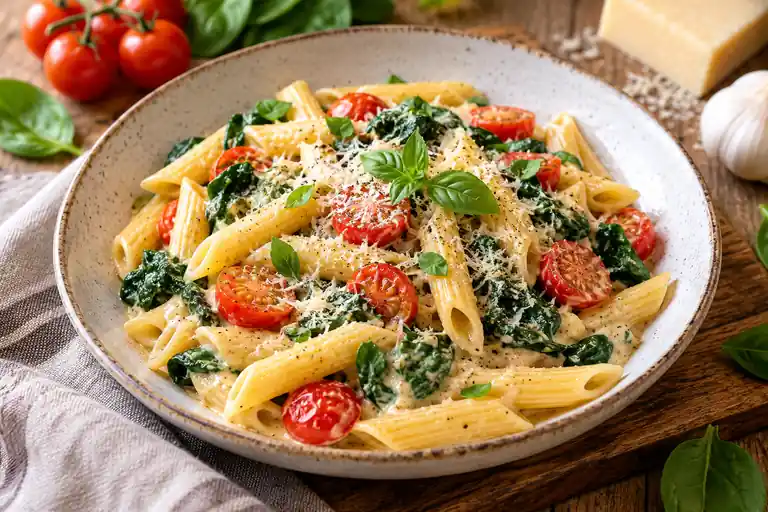
Pasta and noodles are favourites for good reason. Light tomato-based dishes, creamy combinations and boldly flavoured noodles from different cuisines offer remarkable variety.
Sometimes a quick bowl of pasta is exactly what you want; sometimes a special noodle dish is the highlight of dinner with friends.
Pasta is about more than shape
Pasta includes long strands, short tubes, broad ribbons, filled forms and many other varieties. Shape influences how a dish feels and how its sauce and other ingredients are experienced. A broad ribbon offers a different bite from a small ridged piece, even when the other flavours are similar. Consider also the balance of vegetables, cheese, pulses and any meat or fish in the dish. Some pasta meals feel light and fresh; others are deliberately hearty. Choosing by both texture and the overall composition is more helpful than treating every type of pasta as an interchangeable base.
Explore sauces and contrasting flavours
Tomato-based sauces, creamy mixtures, herbs, nuts and spicy accents give pasta an unusually broad range of flavours. A restrained sauce can let the pasta's own texture stand out, while a richer one makes the entire dish feel more indulgent. Vegetables may add freshness or a gentle bitterness; cheese and savoury ingredients can bring extra depth. Think about the people eating with you. For a table with mixed preferences, an approachable flavour profile and a well-chosen accompaniment may work better than a combination that overwhelms every other ingredient.
Italian traditions and modern interpretations
Many Italian regions have their own pasta traditions, local shapes and characteristic combinations. Those distinctions deserve more precision than simply calling every noodle dish Italian. At the same time, cooks around the world use pasta and other noodles in varied ways, and contemporary combinations can be enjoyable in their own right. A regional label is most useful when it accurately reflects the ingredients and the food culture being described. If authenticity matters to you, look for a credible regional context; if variety matters more, explore the dish on its own terms without assigning it an invented historical origin.
Choose pasta for your appetite and needs
Ask whether you want a vegetable-forward meal, a comforting bowl with a substantial sauce or a more elaborate dinner for guests. The texture of the pasta, intensity of seasoning, portion count and planned accompaniments help narrow the options. For people avoiding gluten, the actual pasta ingredients and any risk of cross-contact must be checked; not every product made from an alternative grain is automatically suitable for coeliac disease. Likewise, a vegetable sauce does not by itself prove that the full dish is vegan. Read the complete list of ingredients, including optional toppings.
Different doughs bring different qualities
Wheat-based pasta is familiar, but the wider category includes egg pasta and products made from other grains or pulses. Those ingredients influence flavour, texture and nutritional composition, so substitutes need not behave or taste identically. Wholegrain and refined varieties can also offer different eating experiences. Filled pasta has further ingredients hidden inside, which is especially relevant when checking for dairy, eggs, nuts or other allergens. The name of a shape cannot tell you whether the whole meal meets a dietary requirement. A clear description of the dough, filling and sauce is more useful when comparing pasta dishes.
Explore all recipes
ⓘ Ratings come exclusively from approved community contributions.