

 AI-generated
Meat dishes
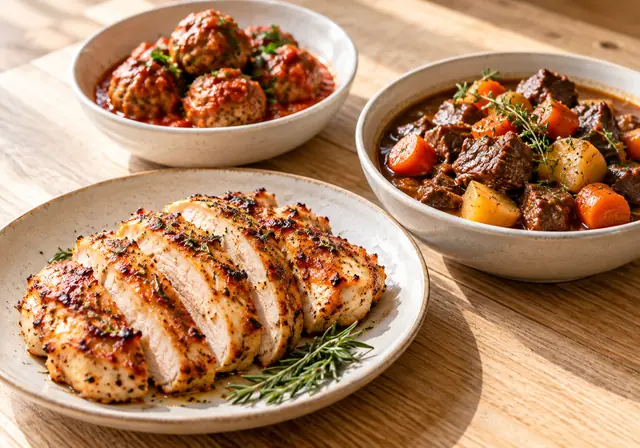
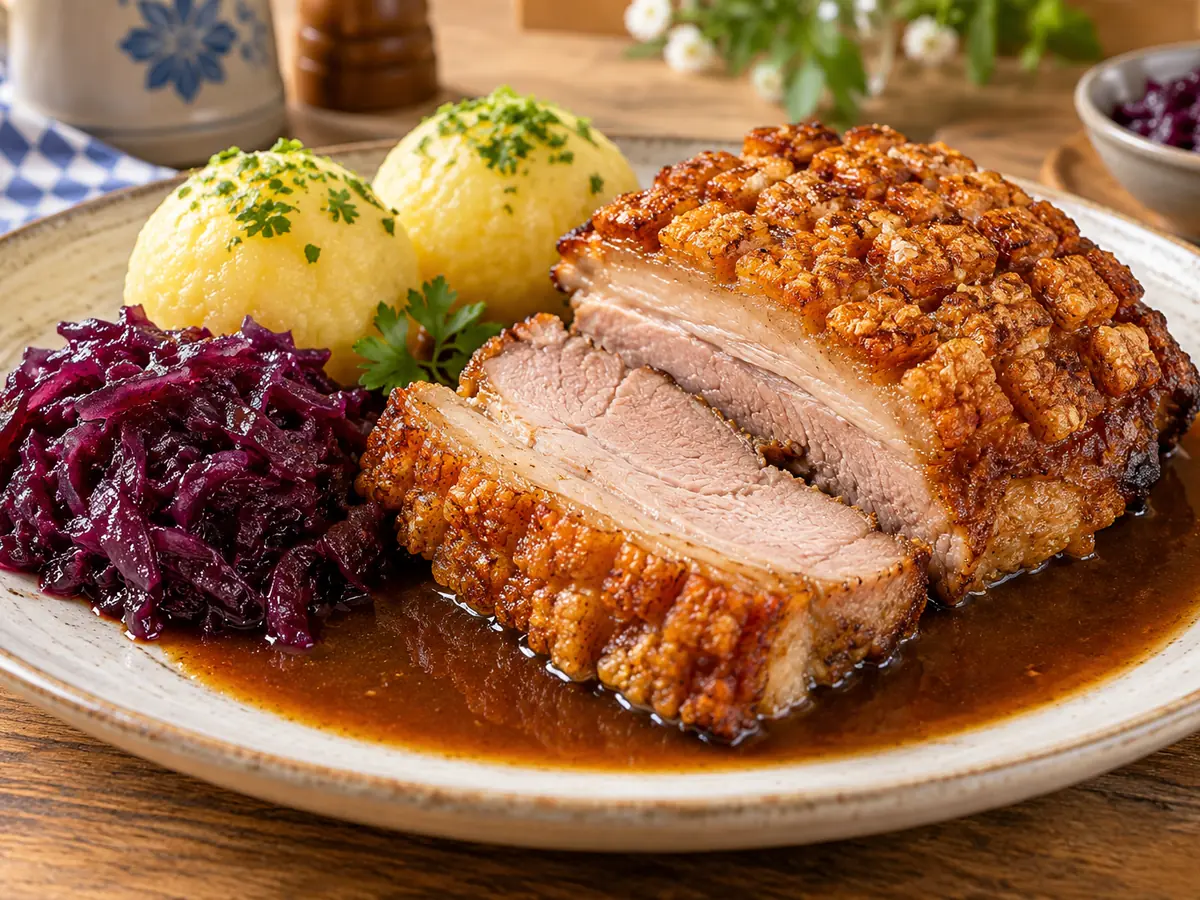
Meat dishes range from a traditional roast to speedy pan meals and richly seasoned stews. Many of them are the centrepiece of a generous main course.
From leisurely Sunday lunches to easy weeknight meals, this category offers plenty of choice. Different sides and sauces can make each meal feel distinct.
Choose meat dishes by cut and character
Meat dishes vary considerably in flavour, richness and the part they play in a meal. Beef often brings a pronounced savoury character, while many poultry dishes taste milder. Pork encompasses both delicate and more strongly flavoured cuts. Yet no single description fits an entire animal: the particular cut, its fat content and the other ingredients are just as important. A dish for an everyday family dinner may call for something different from the centrepiece of a celebration. Browse by the meal you want to share, rather than assuming that every dish made with the same meat will taste alike.
Sides that complement rather than compete
The right accompaniment can change how a meat dish feels on the plate. Fresh vegetables or a crisp salad can provide contrast to a rich main course, while potatoes and grains make an already substantial meal more filling. A mild meat dish may welcome more aromatic sides; a strongly seasoned one can benefit from simpler companions. Sauces also matter, especially when their flavour is more assertive than the meat itself. There is no need to add every possible side. Think about what else is being served and choose a combination with distinct flavours and a comfortable balance.
Meat dishes for families and guests
Cooking for one person is a different proposition from welcoming a large group. For family meals, familiar flavours and the number of servings may be the first considerations. For guests, it is worth asking about preferences and restrictions before settling on the main dish. Some people avoid certain meats for religious, cultural or personal reasons; others do not eat meat at all. A vegetarian or vegan alternative needs its own suitable ingredients, not just the removal of a garnish. Where allergies are involved, read the complete ingredient list and consider possible cross-contact with sauces and sides.
How to find the right meat main course
First decide what kind of occasion you are planning. Do you want a generously flavoured centrepiece, a modest weekday meal or something that can sit alongside several other dishes? Next consider whether you prefer mild or robust flavours, how many people will eat and which accompaniments you already have in mind. You can also explore different regional food traditions without assuming that a national name tells you everything about the dish. The actual ingredient list gives a better indication of seasoning, possible allergens and the overall character than a category heading alone.
Make a considered choice about meat
Meat is one possible part of a varied food culture, not a necessary feature of every meal. When choosing it, the quantity you need, the particular cut and any reliable information about its origin may all matter. Labels such as premium or local have limited value unless their meaning is clear and supported. Consider also the wider menu: a rich main course may call for fewer extras, whereas a smaller serving can work with vegetables or other complementary foods. Giving guests a genuinely appealing non-meat option respects different eating habits and makes a shared table more welcoming.
Explore all recipes
ⓘ Ratings come exclusively from approved community contributions.