

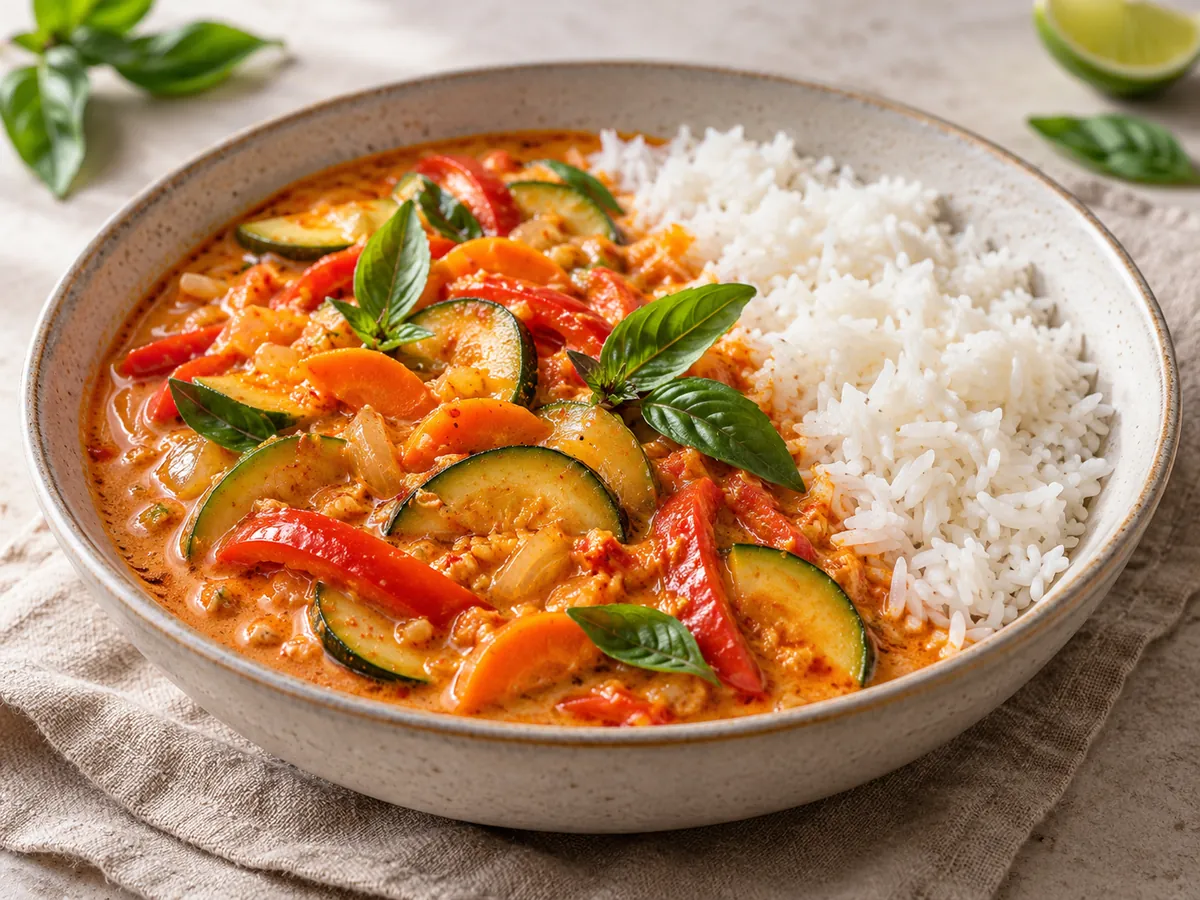
 AI-generated
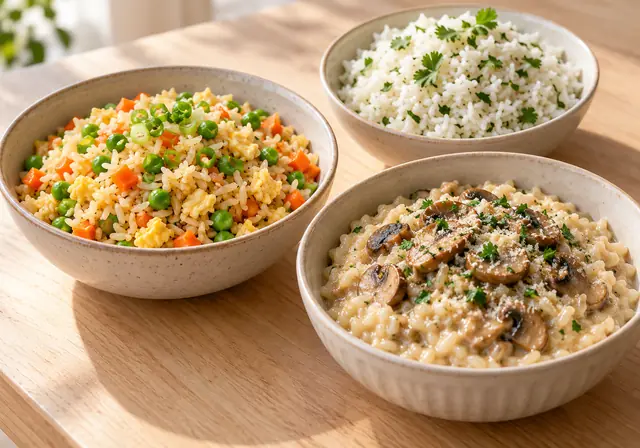 AI-generated
Rice dishes
Rice dishes appear in cuisines across the world. Curries served with rice, colourful vegetable combinations and fragrant rice-based meals offer plenty of choice.
Rice is often more than a plain accompaniment. In many dishes it brings the other ingredients together into a satisfying whole.
Rice dishes across different food cultures
Rice is a staple ingredient in many parts of the world, but its role changes from one food tradition to another. Sometimes the grains are the main attraction; elsewhere rice supports vegetables, pulses, fish or meat. Varieties differ in aroma and texture, with some producing more separate grains and others a softer, more cohesive result. These characteristics shape the whole meal. When exploring rice dishes, consider not only the seasoning but also whether you want rice to be a neutral partner or the centre of the plate. There is no single style that represents every rice-eating region.
Ingredients that shape the flavour
Rice readily becomes part of a much wider flavour combination. Vegetables and herbs can make a dish feel fresh and colourful, while rich sauces, warming spices and savoury additions create a different impression. Coconut, tomato and aromatic herbs may each point toward distinct traditions, but the same ingredient can appear in many cuisines. Broad descriptions such as Asian or exotic hide far more than they explain. A specific region and a clear account of the ingredients tell you more about what to expect. Explore different combinations without assuming that every rice dish from one country tastes alike.
What makes a rice meal satisfying?
How substantial a rice dish feels depends on the whole plate, not just the amount of rice. Pulses, vegetables, proteins and accompanying sauces can change both flavour and the role it plays in a meal. A vegetable-rich bowl might be the main course, whereas a modest serving of rice can support several other dishes. For family meals, consider portions and the appetites of those at the table. Dietary requirements should be checked ingredient by ingredient: rice itself being naturally gluten-free does not guarantee that sauces, seasonings or other components are suitable for someone who must avoid gluten.
Find a rice dish that suits your table
Start with the texture you enjoy. Do you prefer separate, fluffy grains or a softer, more cohesive rice dish? Next choose between gentle flavours, lively fresh notes and intensely spiced combinations. For guests, consider whether plant-based ingredients are preferred or whether fish or meat is welcome. A shared family meal may call for a different balance from a smaller lunch or festive spread. Rather than searching for one representative classic, browse contrasting rice styles and read the specific ingredient list. That is the simplest way to match the dish to your preferences and occasion.
Respect regional differences and serving roles
Rice is cultivated and eaten across continents, and regional traditions should not be compressed into one international rice cuisine. The grains themselves, local seasonings and accompanying foods vary considerably. In some meals rice is a supporting side; in others it brings everything together as a self-contained dish. That distinction matters when planning a menu: serving several rice-centred courses may feel repetitive, while a simple rice accompaniment can provide welcome balance. Choose based on the overall experience you want, and favour specific, accurate cultural descriptions over sweeping claims about what any one national cuisine must contain.
Explore all recipes
ⓘ Ratings come exclusively from approved community contributions.