

 AI-generated


Barbecue
Barbecue meals are about more than the grill.
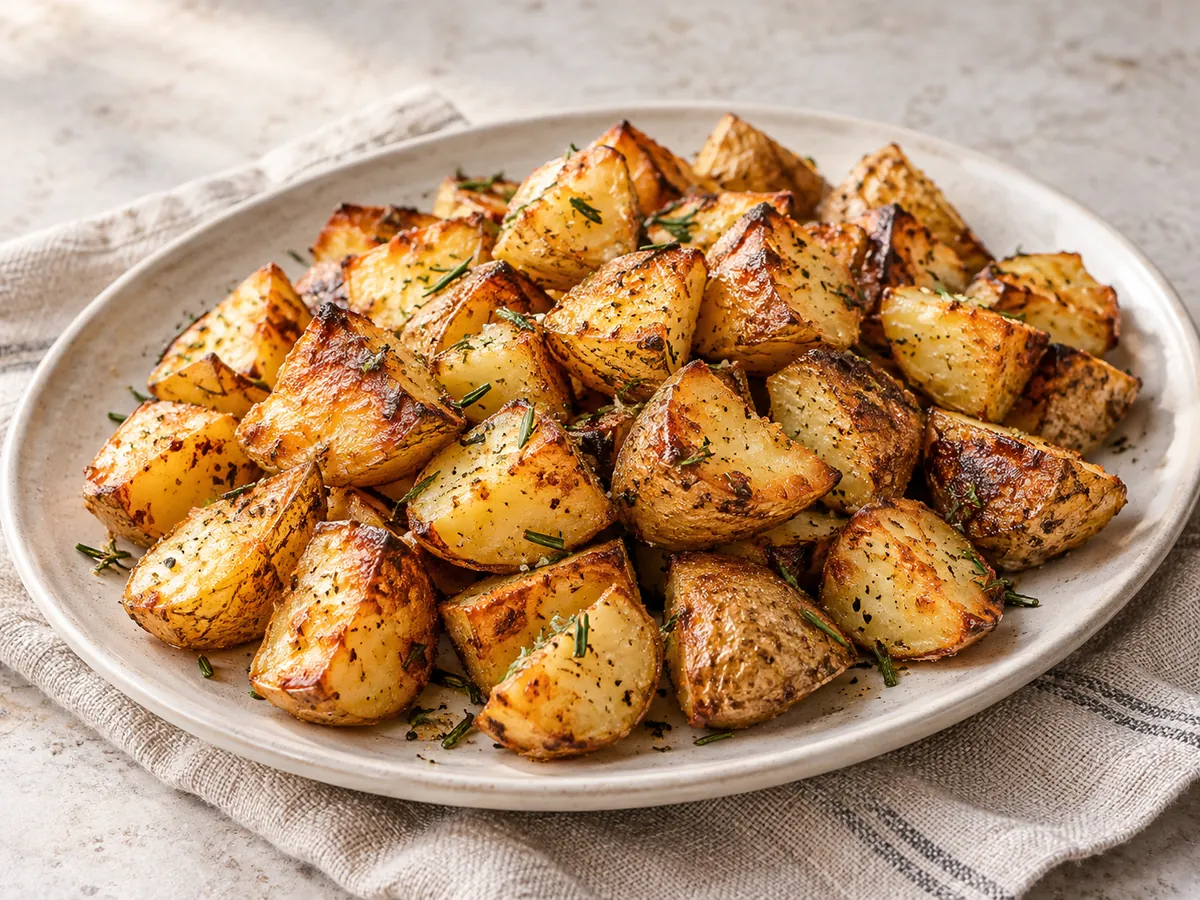
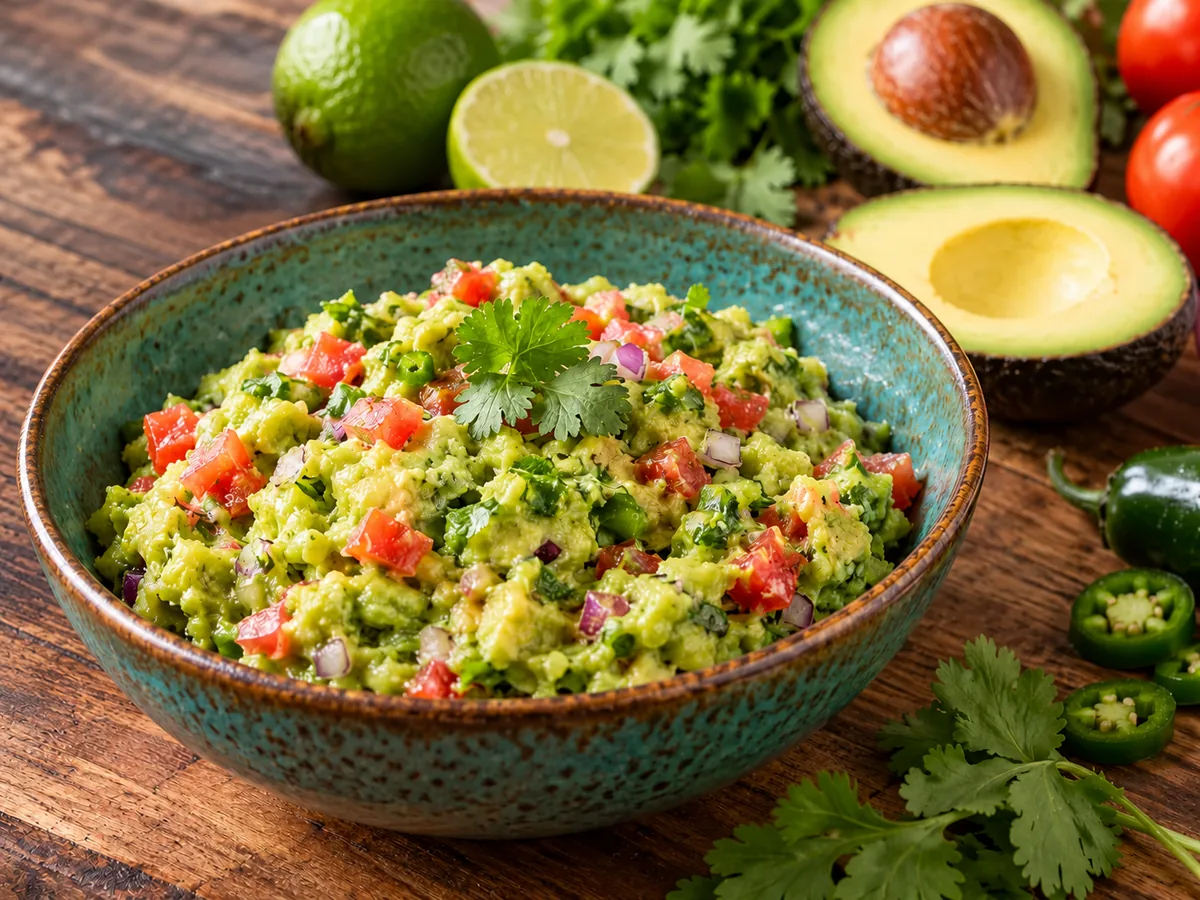
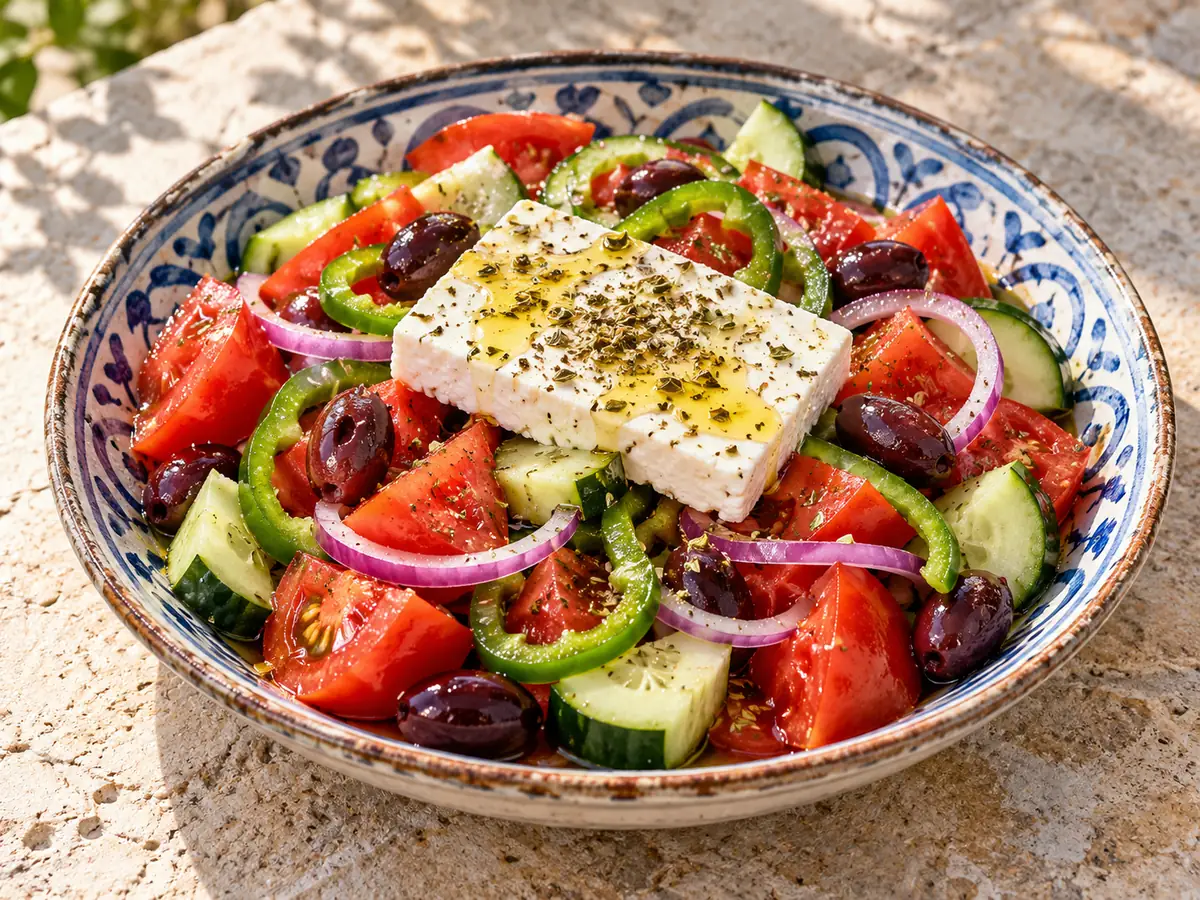
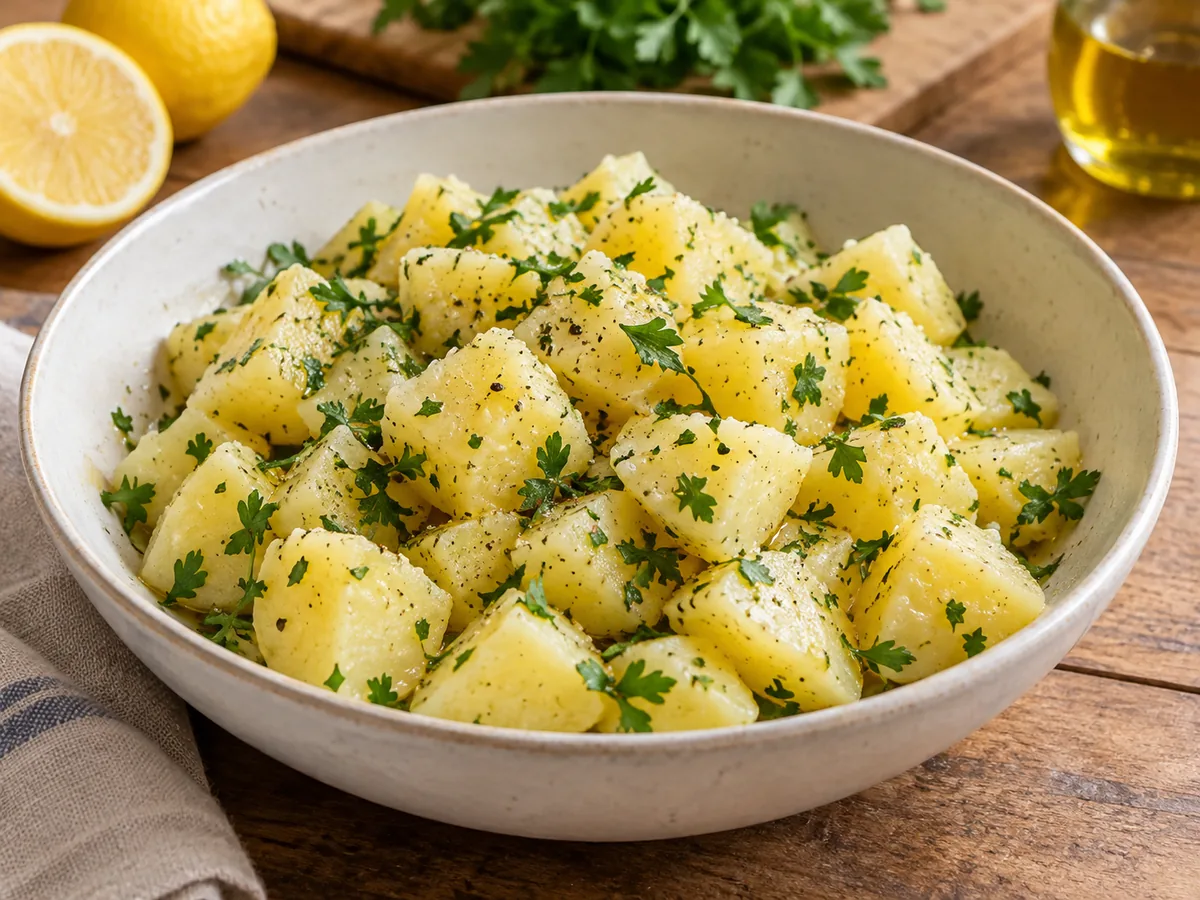
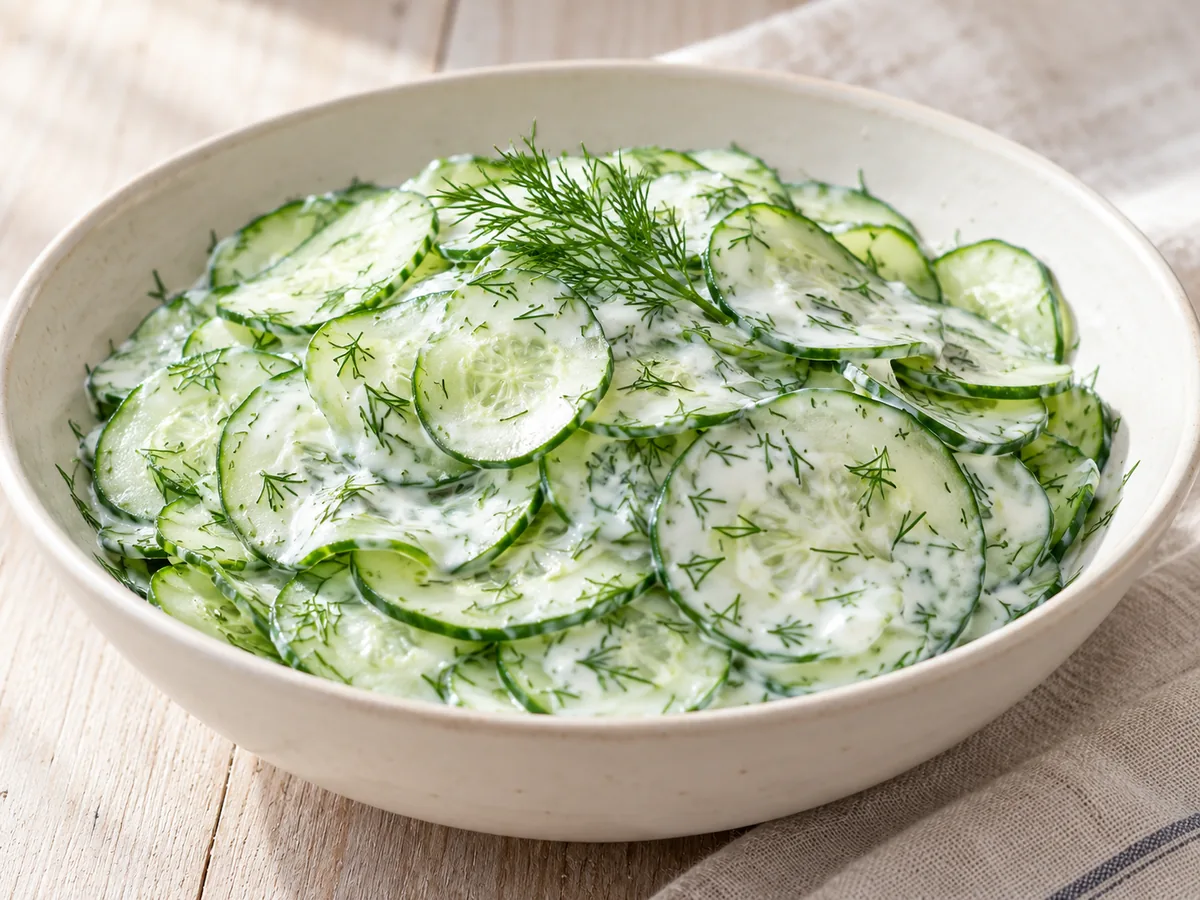
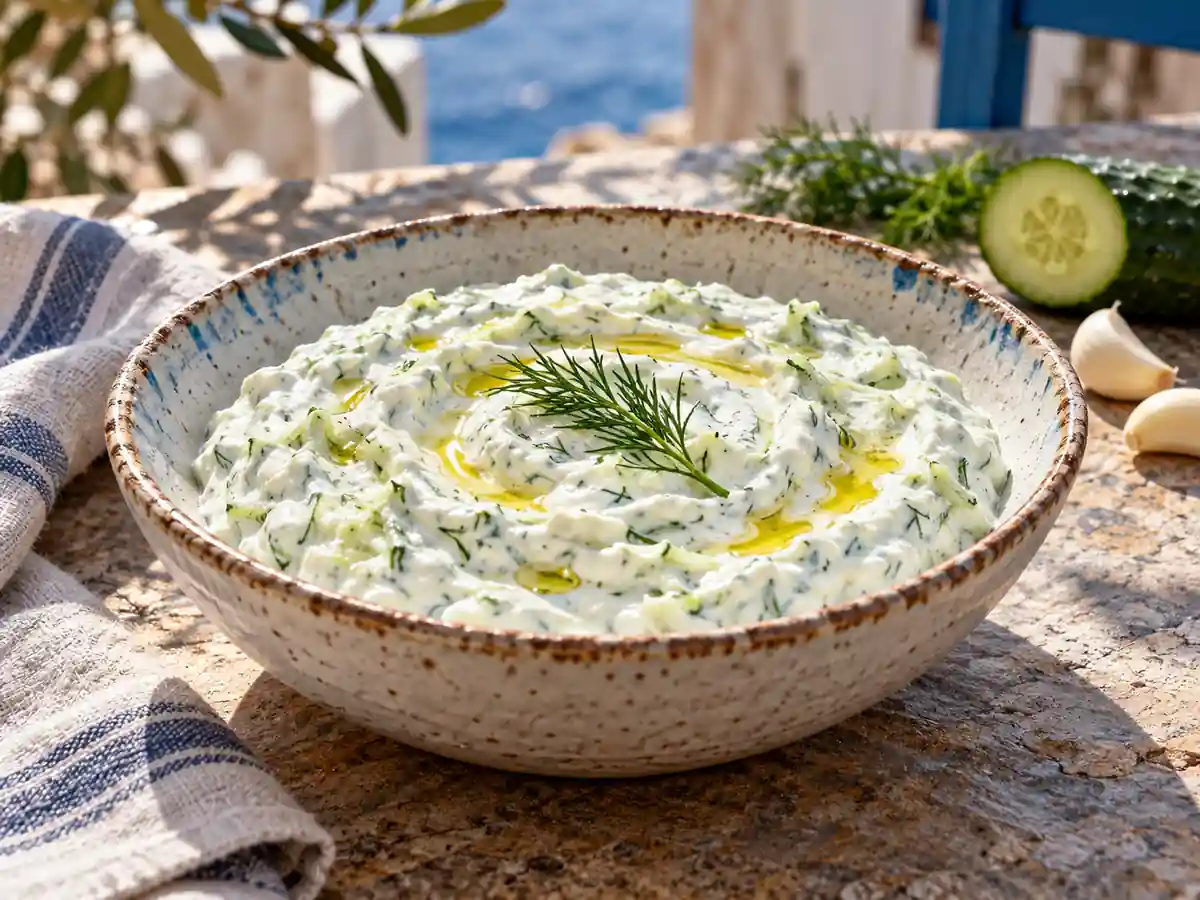
Fresh salads, potato sides, dips and drinks make the gathering complete.
Barbecue is a gathering, not just a meat selection
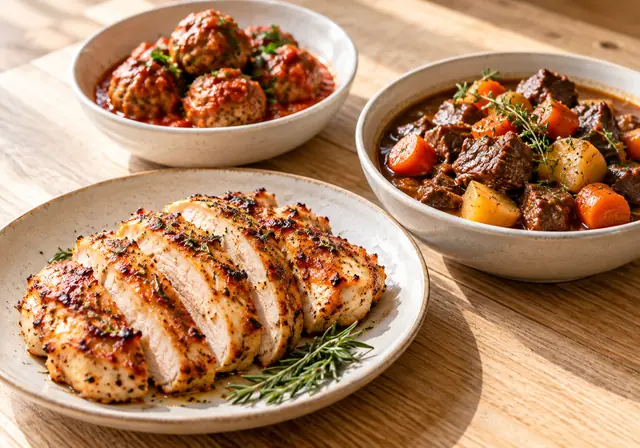
A barbecue often brings people together outdoors, but its food can be much broader than meat. Vegetables, plant-based mains, seafood, breads, salads and sauces all contribute to the table. Some guests enjoy bold smoky flavours; others may prefer fresher, milder accompaniments. Start with the people attending and how the meal will be shared. A small family gathering calls for different quantities from a large summer party. What matters is a coherent meal that allows guests to enjoy the occasion rather than a competition to offer the most items.
Sides shape the whole barbecue meal
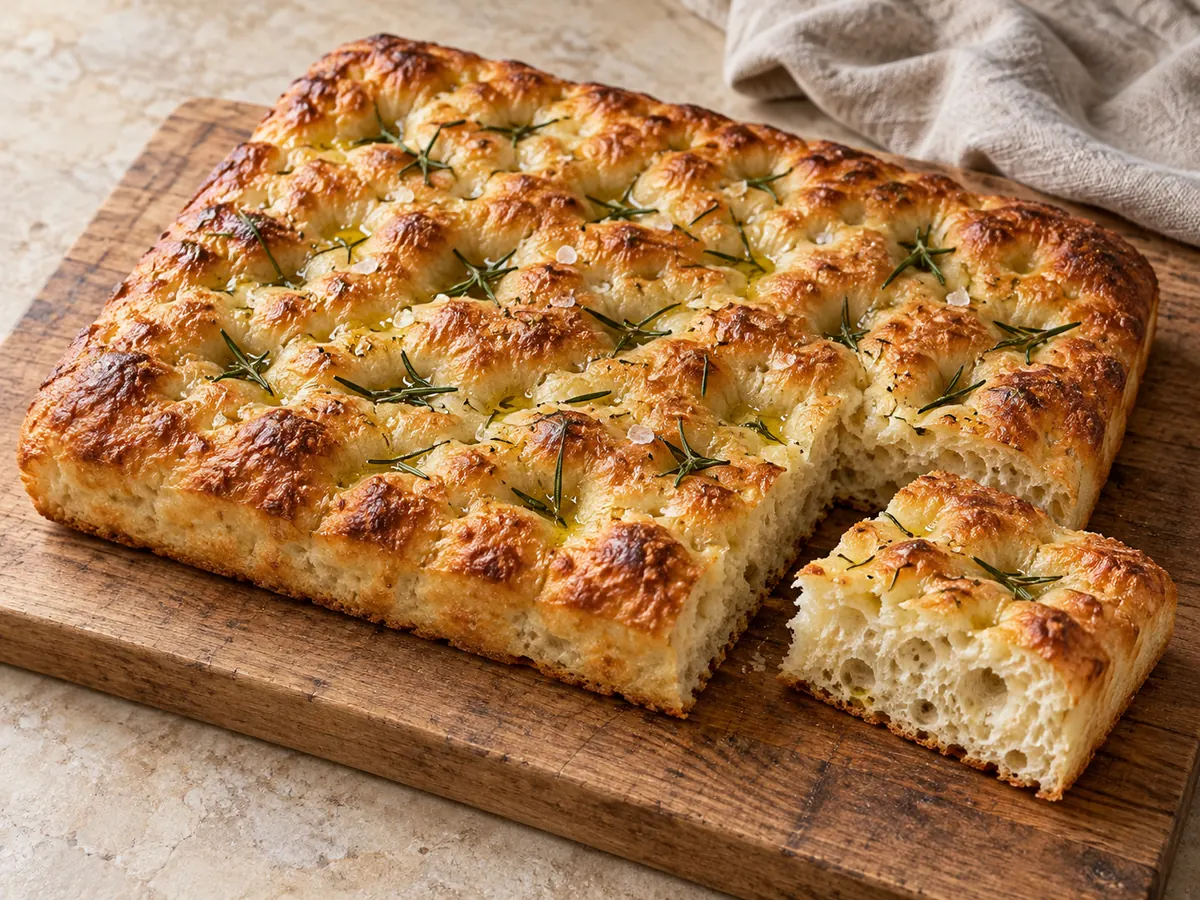
Fresh salads can contrast with savoury grilled foods, while potatoes, breads and grains create a more substantial spread. Sauces and dips may bring acidity, herbs or richness, and their flavour can change how a main dish is perceived. It is worth considering the balance before adding several similar accompaniments. A menu with distinct textures and plenty of fresh ingredients can feel more varied without becoming complicated. If the gathering lasts several hours, portion sizes and how food is offered may matter as much as the menu itself.
Give vegetarian guests real choices
Vegetarian and vegan barbecue foods should be planned as satisfying options, not merely a garnish alongside meat. Check whether sauces, marinades and other components include animal-derived ingredients, even when the main food is vegetable-based. Guests with allergies or coeliac disease may need additional precautions, including attention to cross-contact on shared surfaces and utensils. Asking about requirements ahead of time helps prevent awkward surprises. A barbecue is a social meal; everyone should be able to participate without guessing whether a particular item is suitable.
Think about outdoor conditions
Outdoor gatherings introduce practical considerations beyond taste. Heat, sunshine and the length of the event affect how perishable foods should be handled and offered. Raw and ready-to-eat ingredients require appropriate separation, and the specific food determines safe cooking and storage requirements. A category description cannot guarantee that any meal is safe without suitable hygiene. Weather also influences appetites: on very warm days, fresh accompaniments and readily available drinks may be especially welcome, while cooler conditions can invite a different balance of dishes.
Choose a style that fits the group
Some barbecues are informal family dinners; others are larger celebrations with guests arriving over several hours. Decide whether the food should form one shared meal or a series of smaller servings. Regional barbecue traditions differ substantially in ingredients, seasoning and social customs, so no single smoky flavour defines every style. You can explore those differences without claiming that one version is universal. Let the preferences of your guests, appropriate portions and a clear selection of sides shape the gathering.
Explore all recipes
ⓘ Ratings come exclusively from approved community contributions.