

 AI-generated




Brunch
Brunch brings breakfast and lunch together in one leisurely meal.
Sweet bakes, savoury bites and drinks invite everyone to linger.
Brunch brings breakfast and lunch together
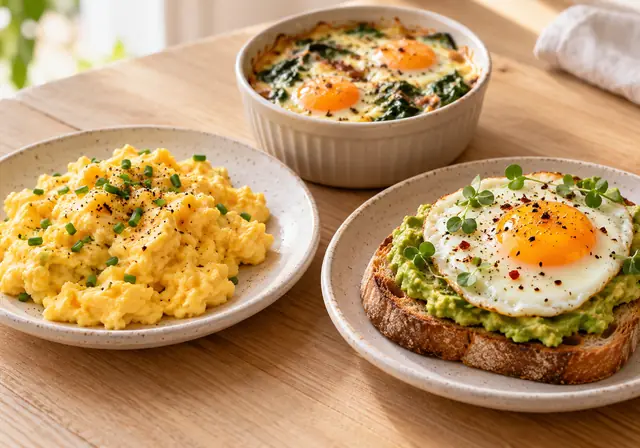
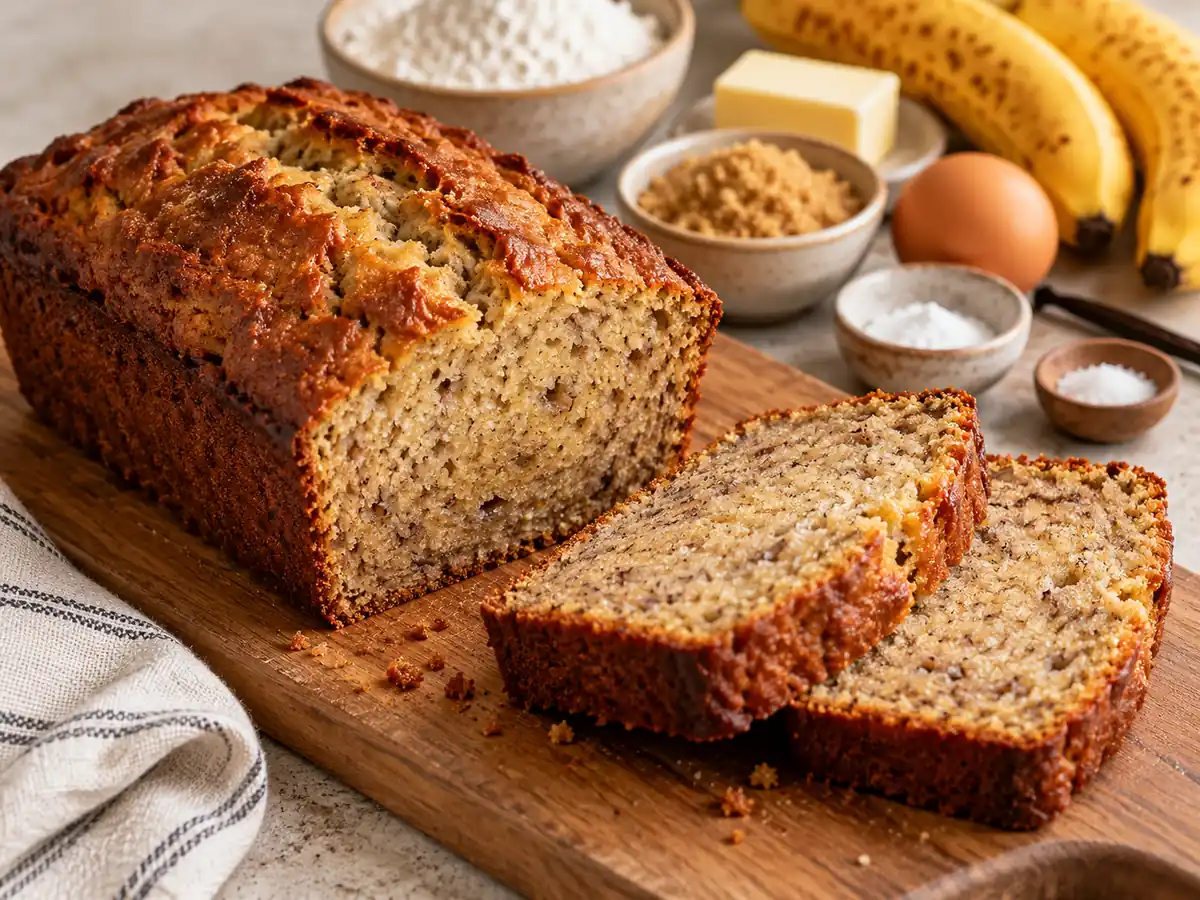
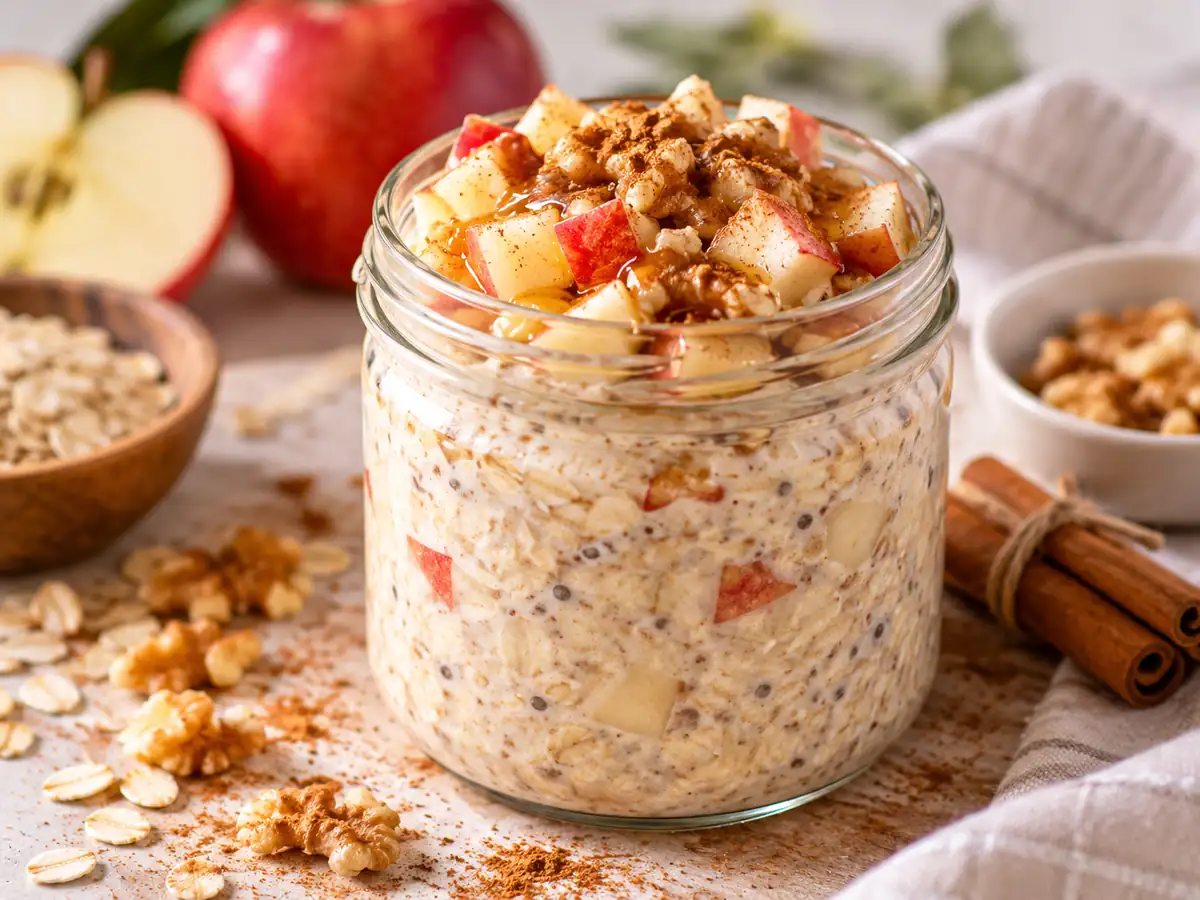
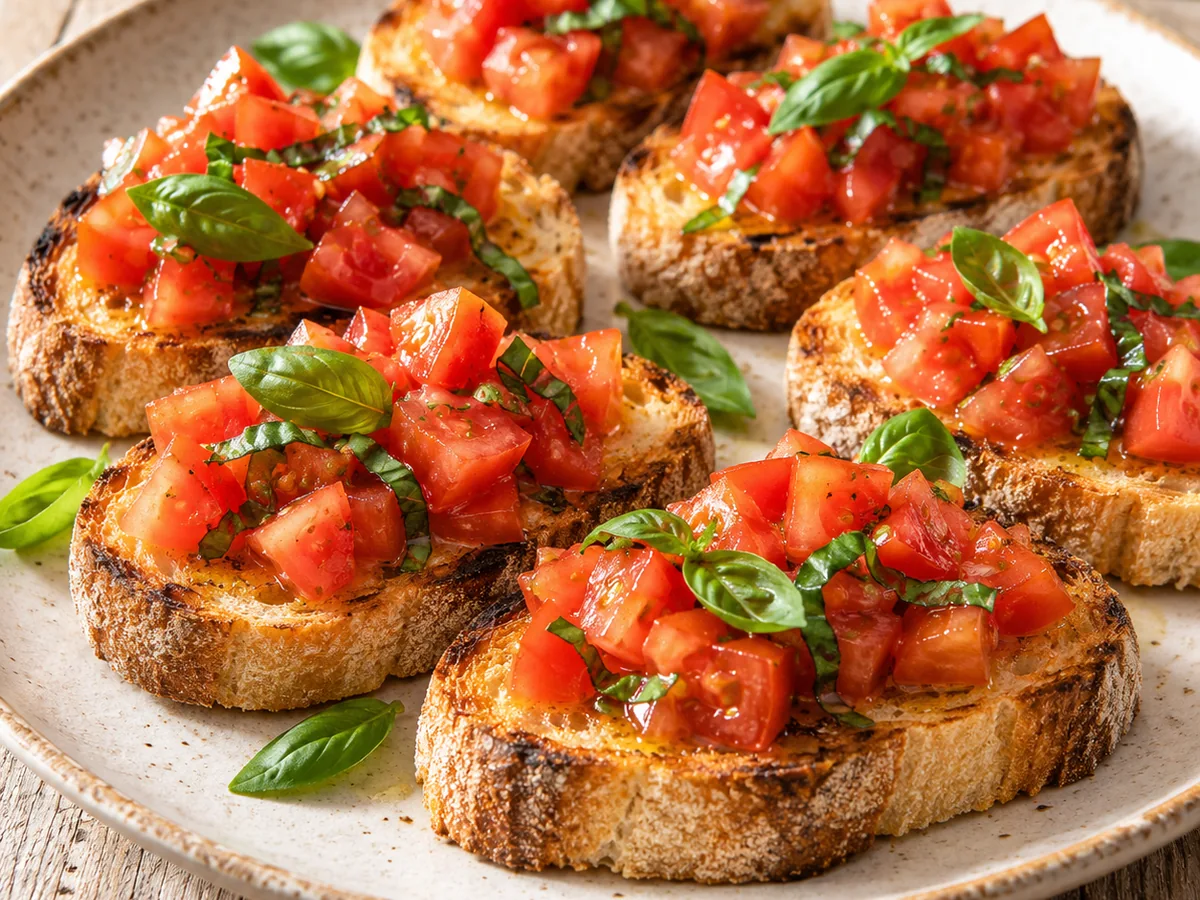
Brunch is often a leisurely meal shared later in the morning, combining foods associated with breakfast and lunch. It may be a small weekend gathering or a generous occasion with friends and family. Bread, fruit, savoury dishes, warm foods and sweets can all have a place, but not every brunch needs all of them. Think about whether guests will sit at one table or choose portions from a spread. The category is most useful when it helps you balance these different types of food rather than producing an unnecessarily long menu.
Choose a mix of textures and flavours
A pleasant brunch can include contrasts between fresh and rich, sweet and savoury, crisp and creamy. A selection dominated entirely by desserts may not suit guests expecting lunch, while only substantial savoury food can miss the relaxed breakfast atmosphere. Consider what is already on the table before adding another dish. Seasonal fruit or vegetables can introduce freshness, and milder foods may complement bolder flavours. Variety comes from clearly different choices rather than from preparing many versions of essentially the same thing.
Consider timing and guest preferences
Brunch often lasts longer than a typical weekday breakfast, so the way food is served matters. Guests may arrive together or gradually, and some may prefer to eat in several small portions. Decide which foods need to be available at the beginning and which can be enjoyed later. A gathering for a few people may need only a handful of complementary dishes, while a larger group benefits from clarity and suitable portion sizes. The goal is conversation and comfortable sharing, not an elaborate schedule of courses.
Brunch is not one country's tradition
The modern word brunch is familiar in many places, but late-morning gatherings draw on diverse regional food customs. Some households prefer sweet baked goods and coffee, others savoury dishes or a more lunch-like meal. Avoid treating one fashionable café presentation as the only authentic way to serve brunch. Use the food preferences of your guests as a better guide. If you choose dishes inspired by different cuisines, describe their origins accurately and let the combinations fit naturally rather than forcing a themed table.
Plan inclusive choices and drinks
A shared brunch may need vegetarian, vegan or other dietary options. Check ingredients across breads, dressings, fillings and toppings: a seemingly simple component can contain milk, eggs or gluten. For a person with an allergy, cross-contact may be relevant as well. Think about drinks alongside the food, including water and suitable non-alcoholic options. The most successful brunch selection is one in which guests can easily identify what they may eat and enjoy a mix of flavours without needing every item on offer.
Explore all recipes
ⓘ Ratings come exclusively from approved community contributions.