

 AI-generated
 AI-generated
 AI-generated
 AI-generated
 AI-generated
 AI-generated
 AI-generated
 AI-generated
 AI-generated
 AI-generated
 AI-generated
 AI-generated
 AI-generated
 AI-generated
 AI-generated
 AI-generated
 AI-generated
 AI-generated
 AI-generated
 AI-generated
 AI-generated
 AI-generated
 AI-generated
 AI-generated
 AI-generated
 AI-generated
 AI-generated
 AI-generated
 AI-generated
 AI-generated
 AI-generated
 AI-generated
 AI-generated
 AI-generated
 AI-generated
 AI-generated
 AI-generated
 AI-generated
 AI-generated
 AI-generated
 AI-generated
 AI-generated
 AI-generated
 AI-generated
 AI-generated
 AI-generated
 AI-generated
 AI-generated
 AI-generated
 AI-generated
 AI-generated
Everyday
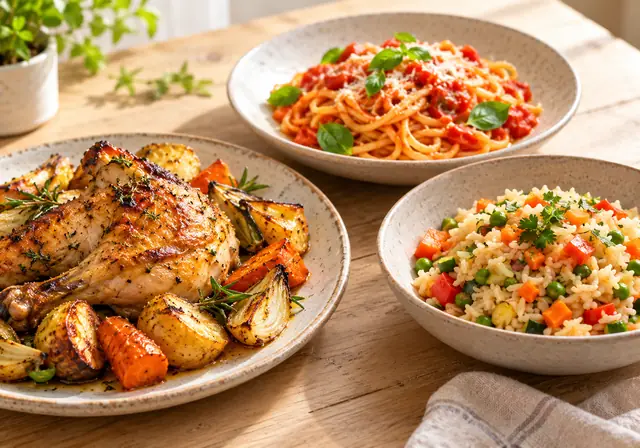
Everyday meals should fit real life, from a quick supper to family lunch.
Favourite classics and new ideas keep the weekly menu varied.
Everyday cooking should fit real routines
Ordinary meals need to work around employment, family responsibilities, school and changing appetites. Not every day allows time or energy for an elaborate menu. Everyday food can still be varied, satisfying and enjoyable, whether it involves a simple main course, a bowl of soup or a combination of vegetables, grains and other ingredients. Begin with the time available and the people eating rather than a fixed notion of the perfect home-cooked meal. A manageable choice often makes more sense than an impressive one that does not fit the day.
Build variety through different food groups
Vegetables, legumes, grains, potatoes, eggs, dairy, fish, meat and plant-based alternatives offer many directions for everyday meals. They differ in taste and texture, and the balance of a plate depends on the whole combination. A substantial main dish may need only a fresh side; a lighter option can be paired with something more filling. It is not necessary to choose a different cuisine for every meal to create variety. Small changes in the dominant ingredients and flavour profiles can keep familiar food interesting.
Choose according to the household
A one-person dinner, a meal for two and a family table have different practical needs. Portions, preferences and the possibility of shared components all influence what is suitable. Some households enjoy mild flavours, others more pronounced seasoning, and several preferences may coexist. Think about which elements everyone can share and where a flexible accompaniment can offer choice. Food routines should reflect the people involved rather than forcing each meal into a model designed for someone else's schedule.
Dietary labels need specific checks
A familiar meal is not automatically suitable for a person with a food allergy or intolerance. Wheat can appear in sauces, milk ingredients in toppings and animal-derived components in otherwise vegetable-heavy dishes. A vegan choice must exclude animal products across the whole recipe, while gluten-free needs may require attention to cross-contact. Labels are helpful starting points, but they should never replace complete ingredient information. Cooking for someone else is easier when their requirements are known instead of inferred from what the dish looks like.
Good daily meals need not be complicated
Everyday cooking does not have to compete with special-occasion food. A clear main dish, an appropriate portion and a combination of flavours everyone enjoys can be enough. Consider whether you want something comforting, fresh, savoury or gently spiced, then browse the relevant food groups. Occasionally exploring a different regional tradition can bring novelty, but familiar meals remain valuable too. This collection is intended to support practical decisions while leaving room for personal habits, seasonal choices and the pleasure of eating together.
Explore all recipes
ⓘ Ratings come exclusively from approved community contributions.