

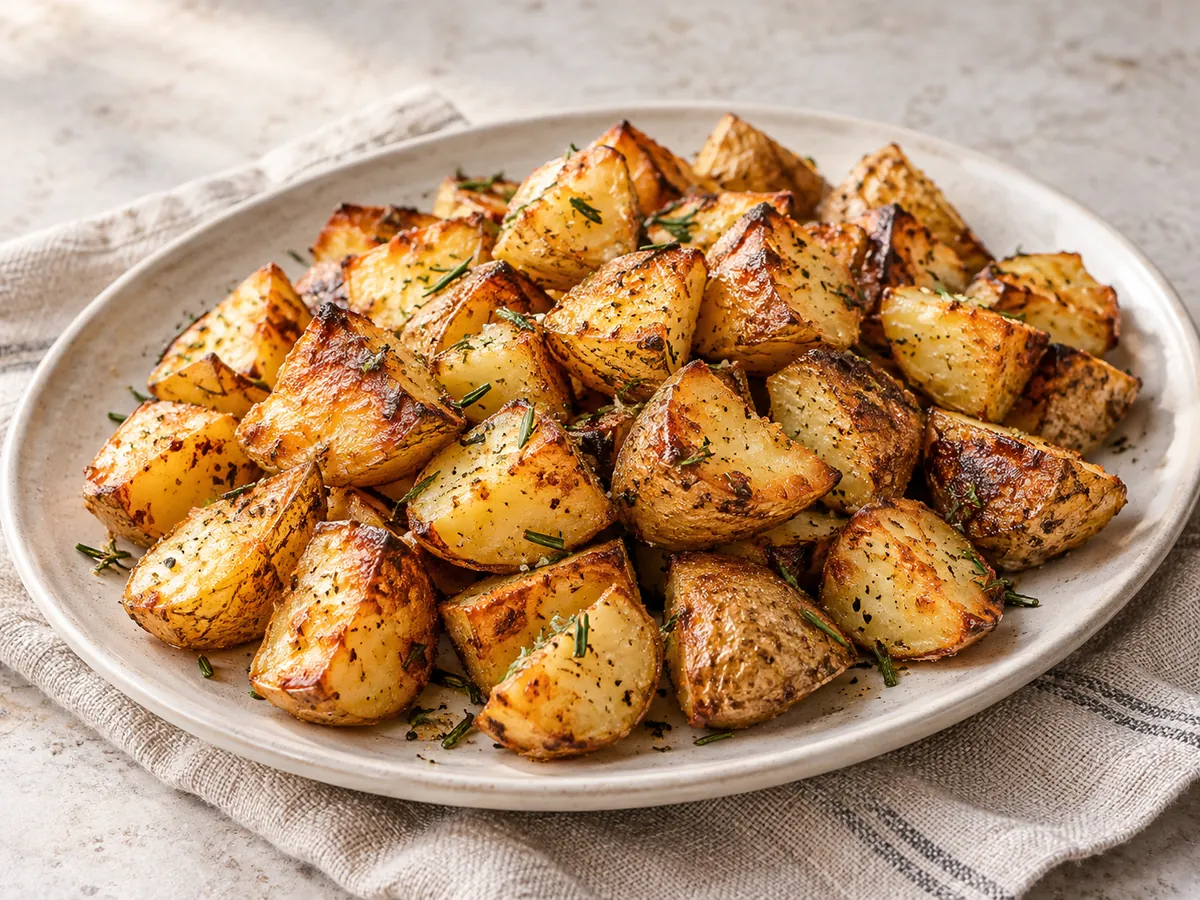
 AI-generated
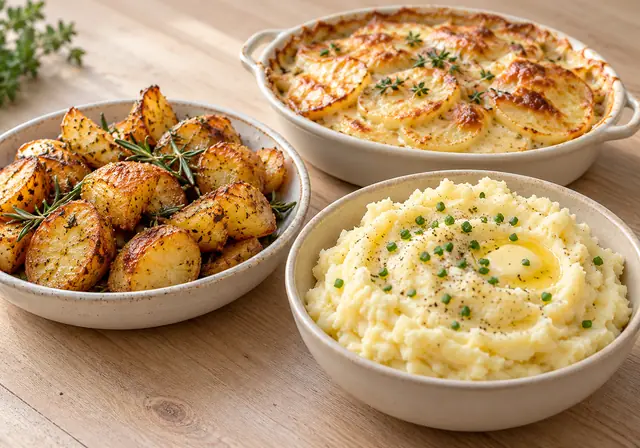
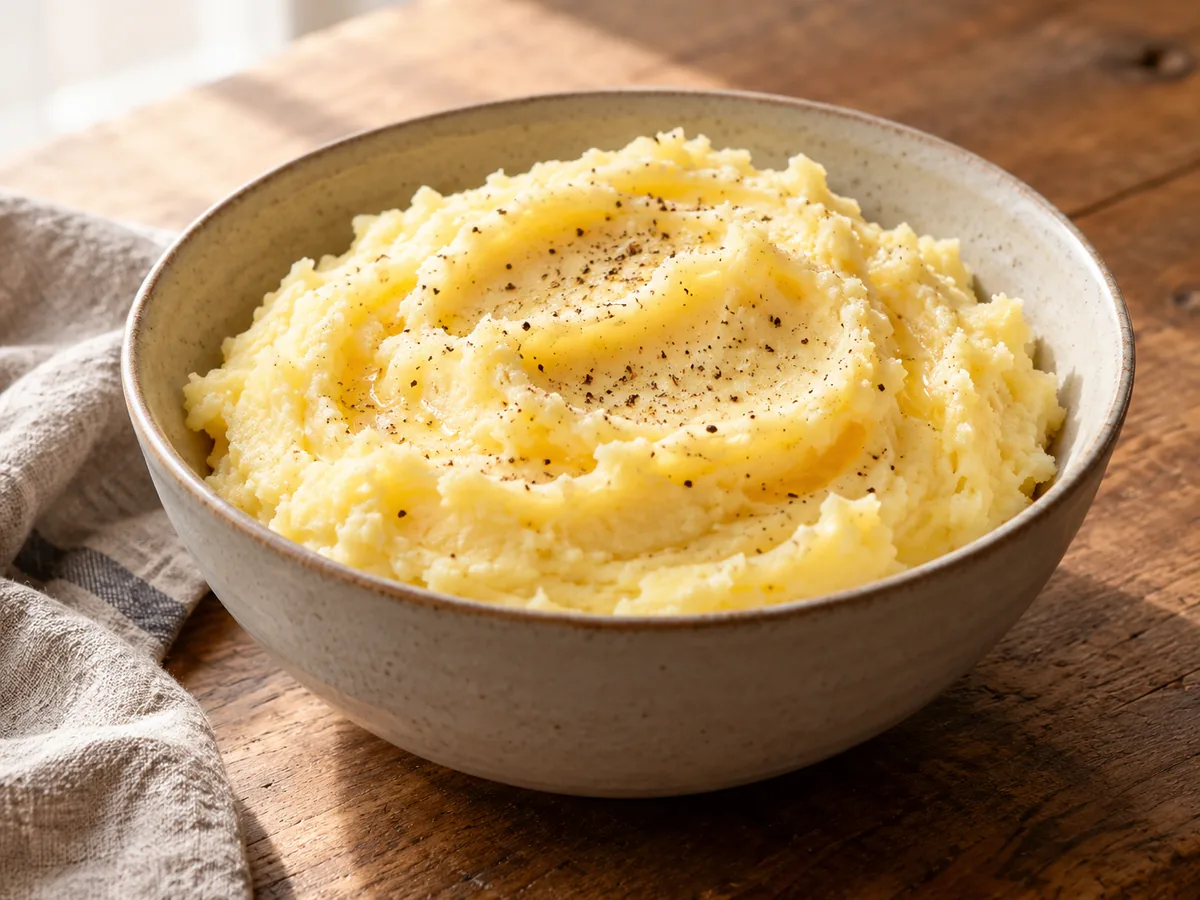
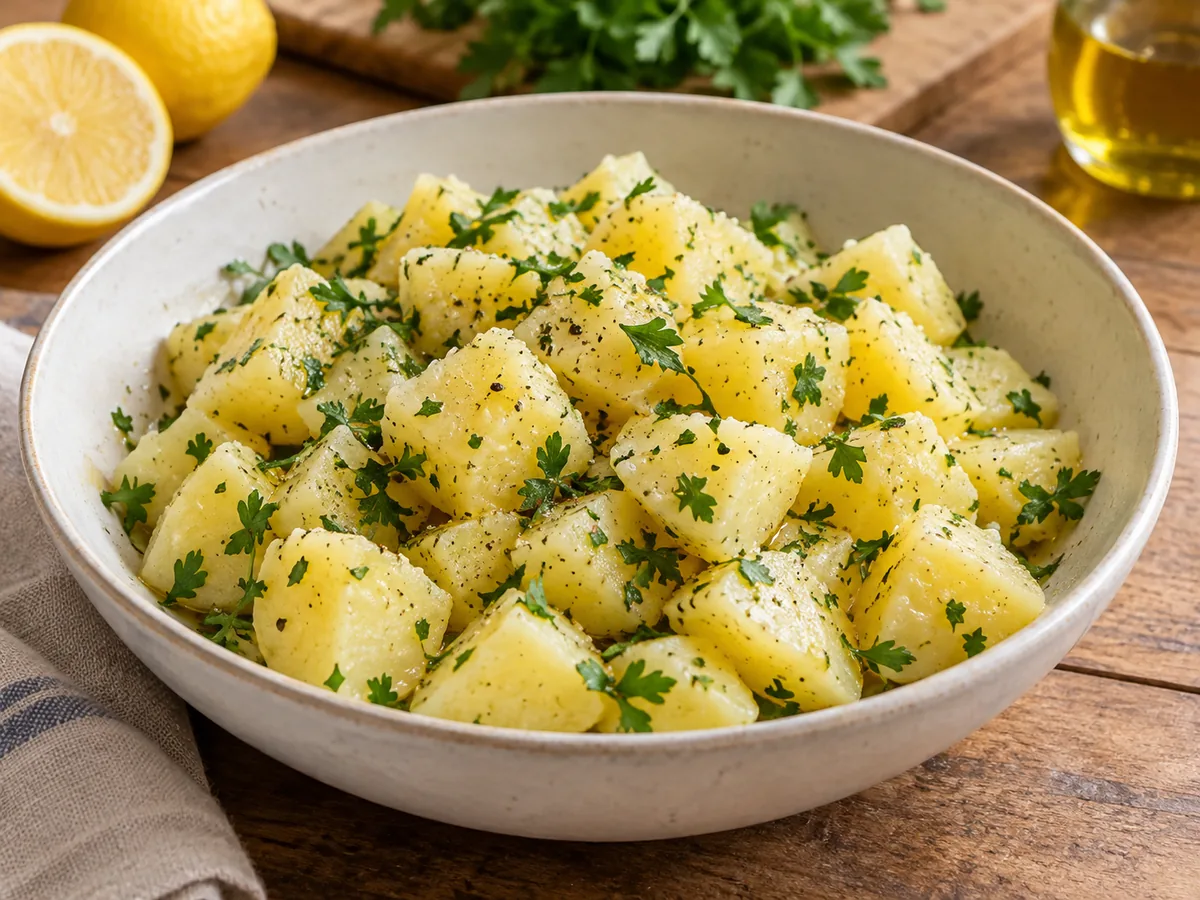
Potato sides
Potato side dishes are wonderfully versatile. Crisp roast potatoes, potato salad and other familiar favourites accompany all kinds of main courses.
Rustic potatoes suit roasts and vegetable dishes alike. Different potato sides can make a familiar meal feel new.
Potatoes appear in many kinds of side dish
Potato side dishes are found in numerous food traditions, from simple, mild accompaniments to richer, more distinctive preparations. The potato itself can have a relatively neutral taste that works with other ingredients, but its texture changes how a side dish feels. Some potato sides are soft and comforting, others are crisp or more substantial. When choosing an accompaniment, consider whether the main course needs a gentle background or a side with its own pronounced character. A potato dish should support the whole meal rather than repeat every flavour already present.
Soft, crisp and creamy textures
Potatoes can offer markedly different eating experiences depending on the variety and the finished dish. A soft, smooth side is unlike one with a crisp exterior and firmer interior. Herbs, spices and other additions may create further contrasts, but texture often remains central. If the main course is already rich and creamy, a simpler side may provide better balance. With a lighter dish, a more substantial potato accompaniment can be appealing. There is no single correct combination. The most useful description makes clear whether you should expect a mild, rustic, delicate or especially hearty side.
Regional traditions and ingredients
Potatoes are important in many European and other cuisines, but side dishes differ across regions and households. Local customs can shape the preferred texture, seasoning and role on the plate. A dish that is considered a classic accompaniment in one region need not represent every potato tradition. When exploring, look for precise cultural context rather than vague claims about an authentic national style. Ingredients also matter for diet: a potato-based side can still contain dairy, eggs, wheat or animal-derived stock. The natural qualities of the potato do not establish the composition of the entire finished dish.
Which potato side suits your main course?
Start with the main course. If it has a pronounced sauce or rich flavour, a mild potato side may allow those elements to stand out. If the main dish is simpler, a herb-led or otherwise distinctive accompaniment may create interest. Consider whether you prefer a soft bite or contrasting crispness and whether the meal already includes another starchy component. Portion size is relevant, especially for a menu with several courses. Choosing one purposeful accompaniment often works better than serving several similar potato dishes together.
The potato variety changes the result
Potatoes differ in their starch content, texture and flavour, and these traits affect the finished side dish. Some varieties retain their shape more readily, while others are associated with a softer texture. These are helpful distinctions when comparing potato-based accompaniments, but a name alone cannot tell you what other ingredients are used. A buttery or creamy side is not the same thing as plain potato, particularly for people avoiding dairy. Potato sides deserve accurate descriptions of their actual character, from delicate and mild to more substantial and strongly flavoured.
Explore all recipes
ⓘ Ratings come exclusively from approved community contributions.