

 AI-generated
Sauces & dips
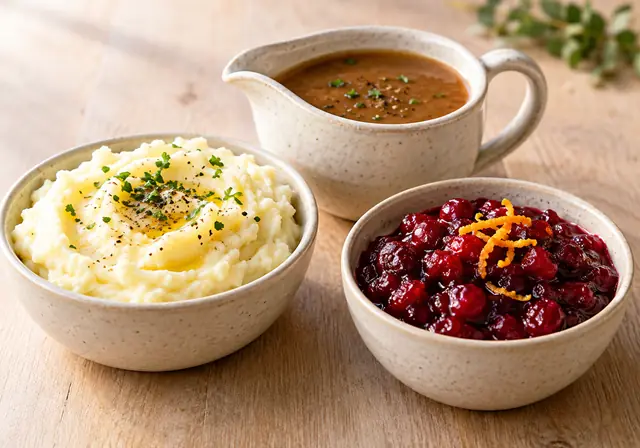
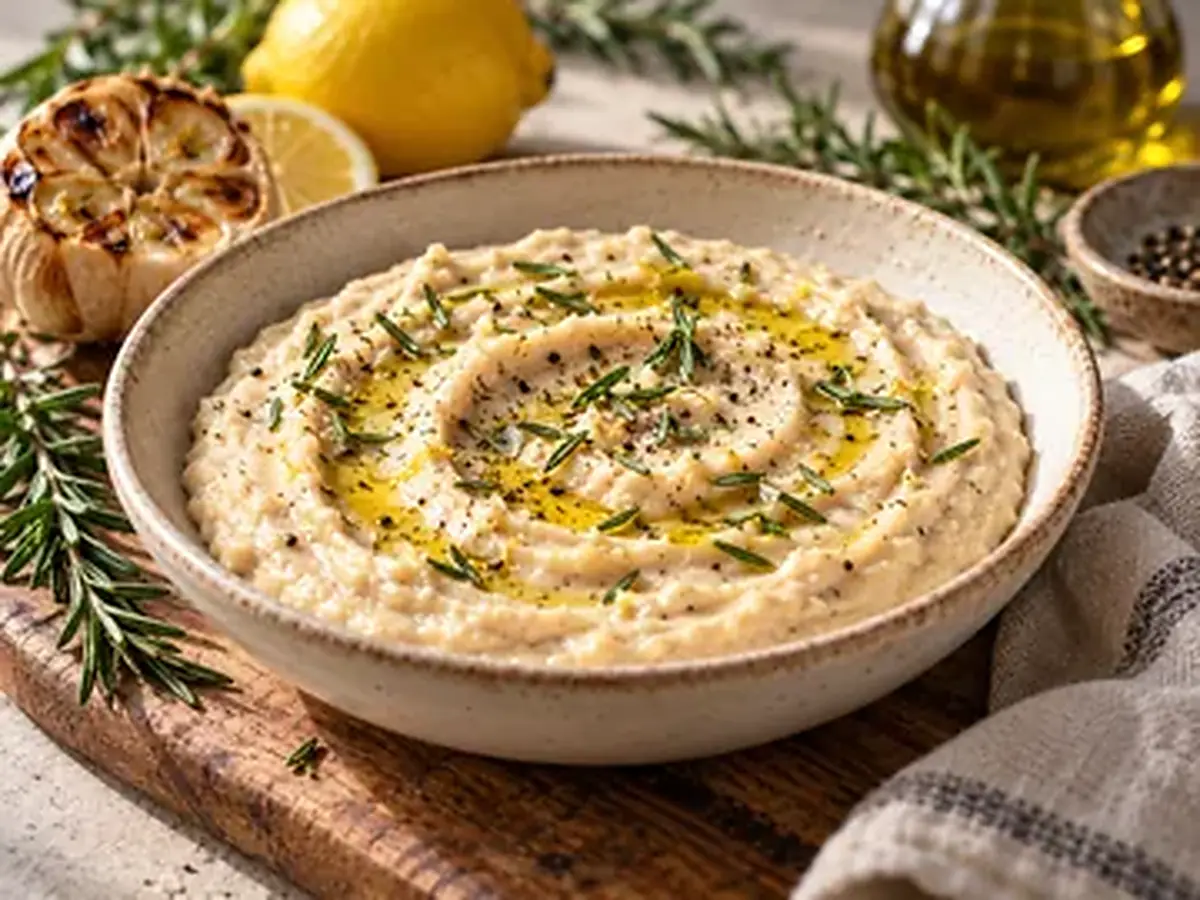
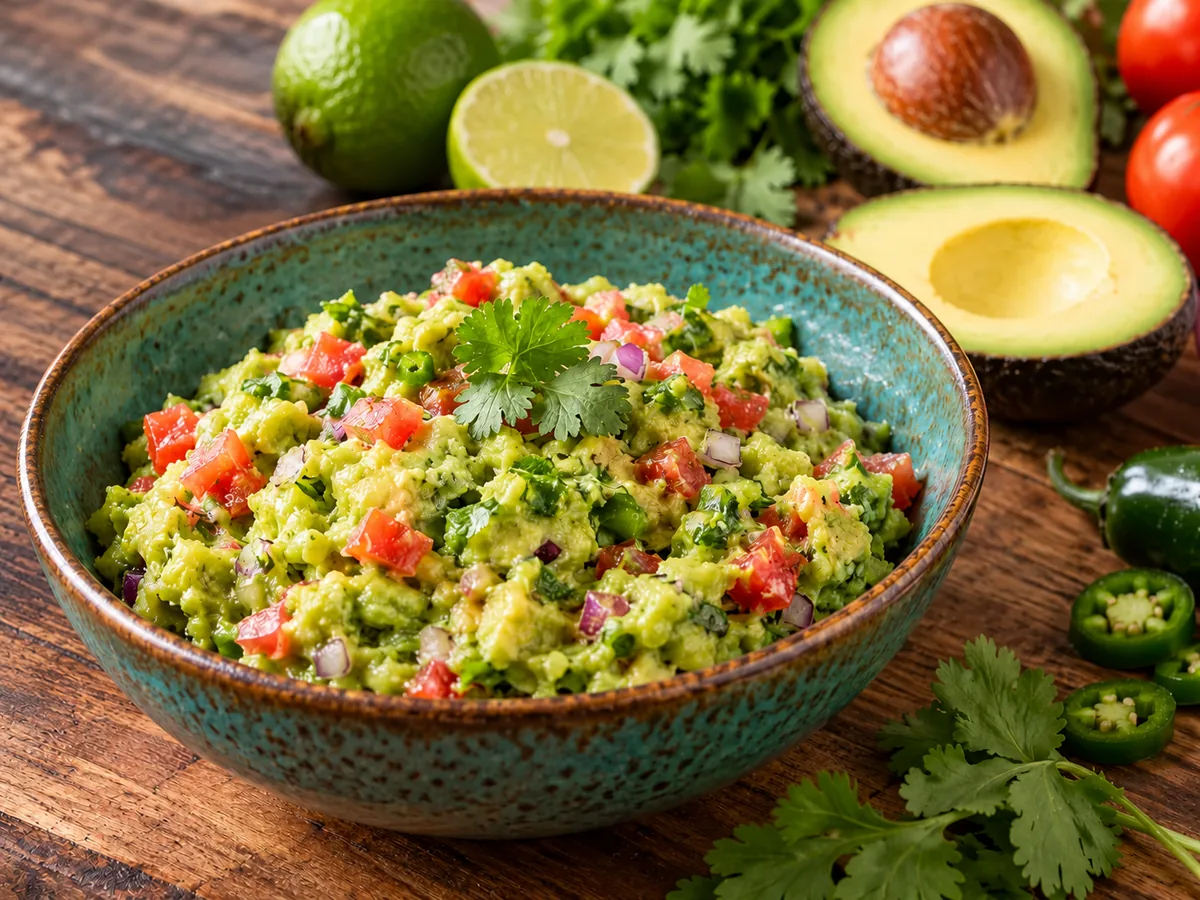
Sauces and dips can change the whole character of a meal. Savoury, creamy, spicy and fruity accompaniments each bring a different flavour.
For dipping, spooning or serving on the plate, sauces are more than an afterthought. They deserve a place alongside the main dish.
Sauces bring the meal together
A sauce can connect the separate elements of a plate and shape its overall character. Some are mild and creamy, while others are bright with acidity, deeply savoury or strongly spiced. The purpose of a sauce is not necessarily to dominate. It may reinforce the flavour of the main dish, add moisture or provide a deliberate contrast. A sauce chosen without regard to the rest of the meal can overwhelm otherwise appealing ingredients. Browse by the effect you want rather than assuming that every sauce has to be rich, thick or complicated.
Creamy, tangy and aromatic directions
Sauces span a wide range of textures and flavour intensities. A smooth, mellow sauce gives a different impression from a sharp fruit-led accompaniment or a herb-forward one. Rich savoury flavours may suit straightforward main ingredients, while fresher notes can balance a particularly hearty dish. The amount served also influences the result. A small accent may be enough when the food already has pronounced flavours. Thinking about acidity, richness, sweetness and spice helps make a coherent choice without relying on broad descriptions such as classic or gourmet that say little about what the sauce tastes like.
Sauces and different dietary choices
The composition of a sauce is not always apparent from its appearance. Creamy sauces may contain dairy or achieve their texture in other ways; dark savoury sauces may include meat stock, while apparently simple dressings can contain mustard, nuts or other allergens. Vegetarian, vegan, lactose-free and gluten-free requirements all need their own checks. A dish that meets a dietary preference without its sauce may no longer do so once the components are combined. Accurate ingredients and clear descriptions matter more than an attractive colour or the familiar name of a sauce.
Which sauce goes with the dish?
First consider what the main food already brings. If it is heavily seasoned, a restrained sauce may help keep the meal balanced. A mild main can welcome something more aromatic or acidic. Texture matters too: a smooth sauce creates a different experience from a lighter dressing with visible ingredients. Think about side dishes and whether they will also be eaten with the sauce. The aim is a coherent plate rather than several powerful flavours competing for attention. Sometimes no additional sauce is the best choice, and that is a legitimate way to plan the meal.
A good sauce should have a clear purpose
It is easy to add sauce because it seems expected, yet not every dish needs one. A sauce can contribute moisture, connect flavours, create contrast or add a specific regional character. Knowing which purpose matters makes the selection more useful. Thickness alone does not indicate quality, and a creamy appearance cannot reveal whether dairy is present. Regional sauces should be placed in their proper food context rather than described through invented origin stories. A transparent account of ingredients and flavours lets people choose accompaniments that genuinely improve the meal they are planning.
Explore all recipes
ⓘ Ratings come exclusively from approved community contributions.