

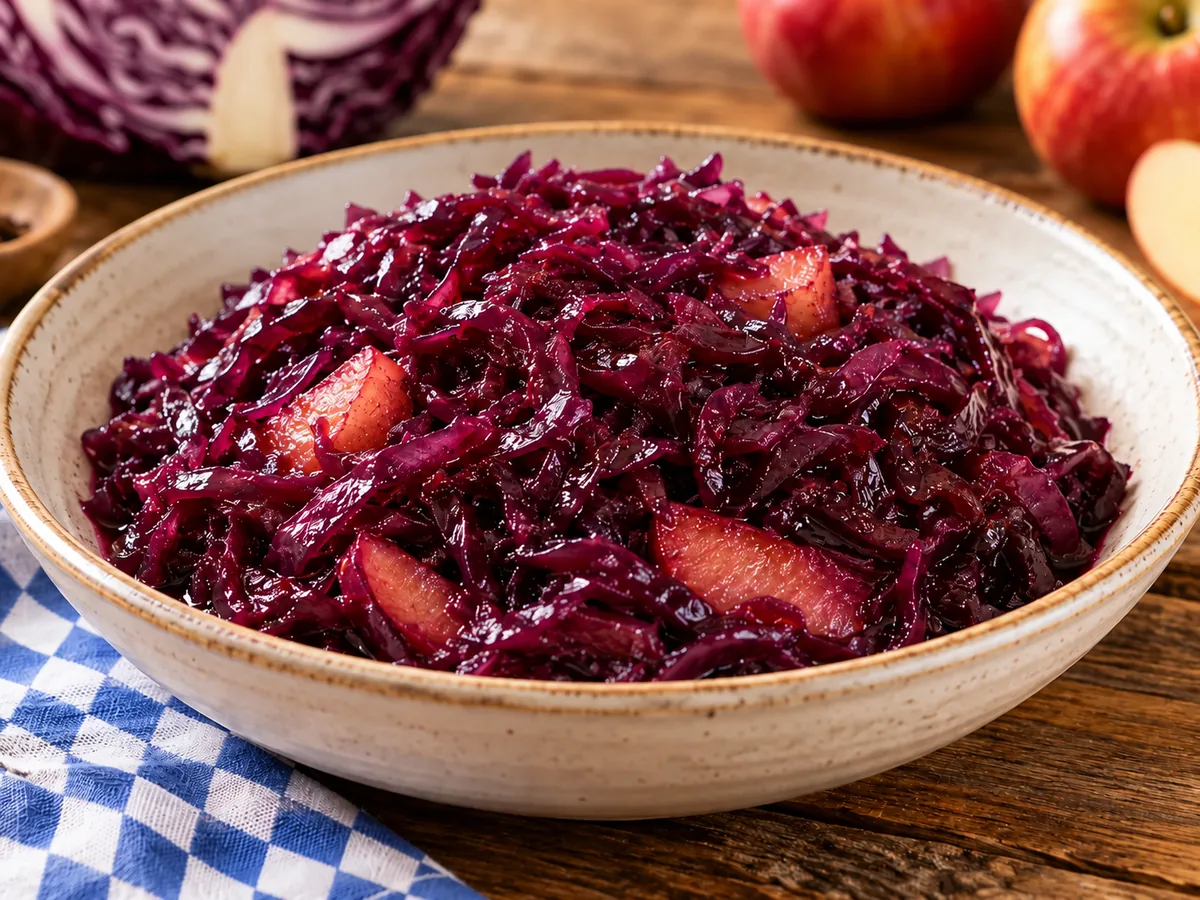
 AI-generated
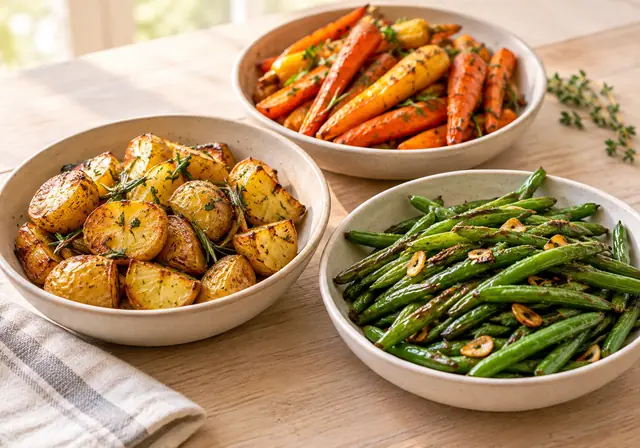
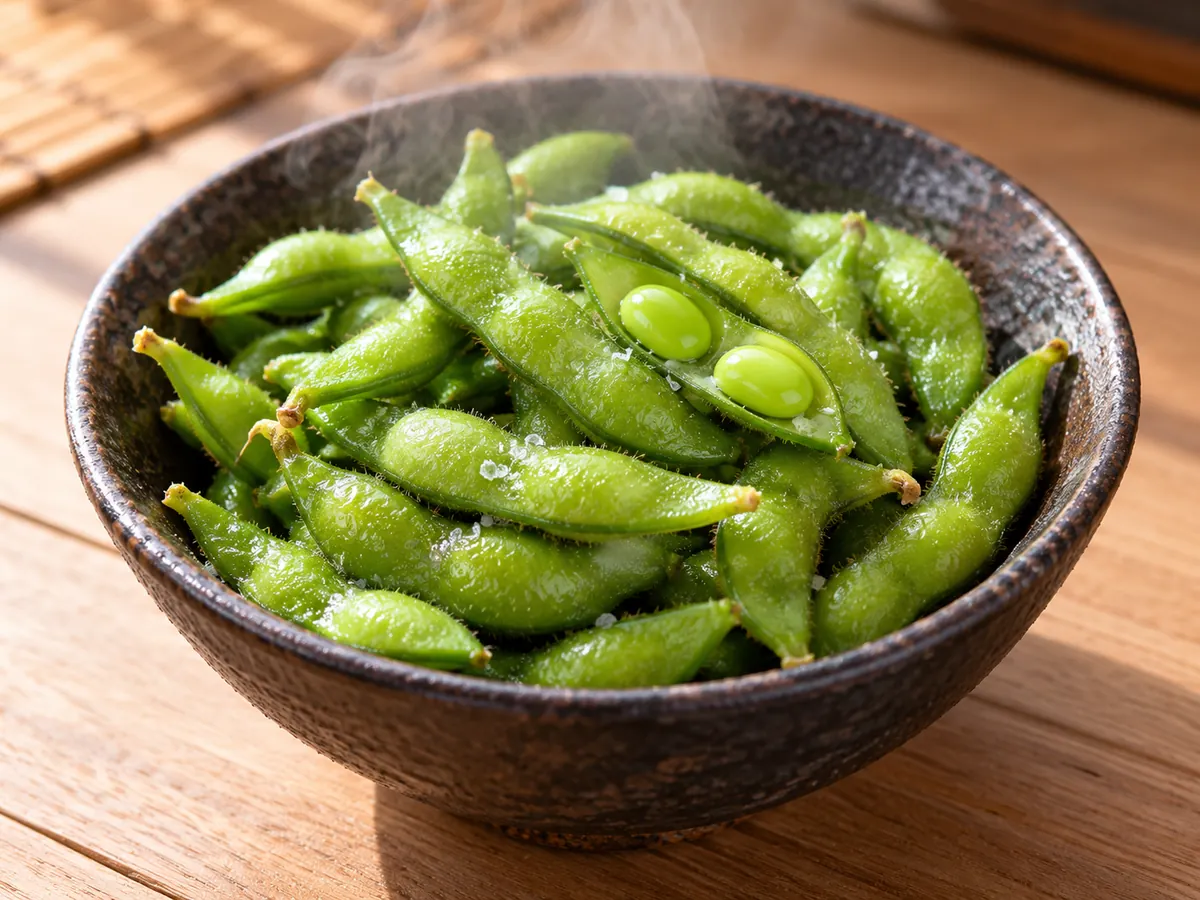
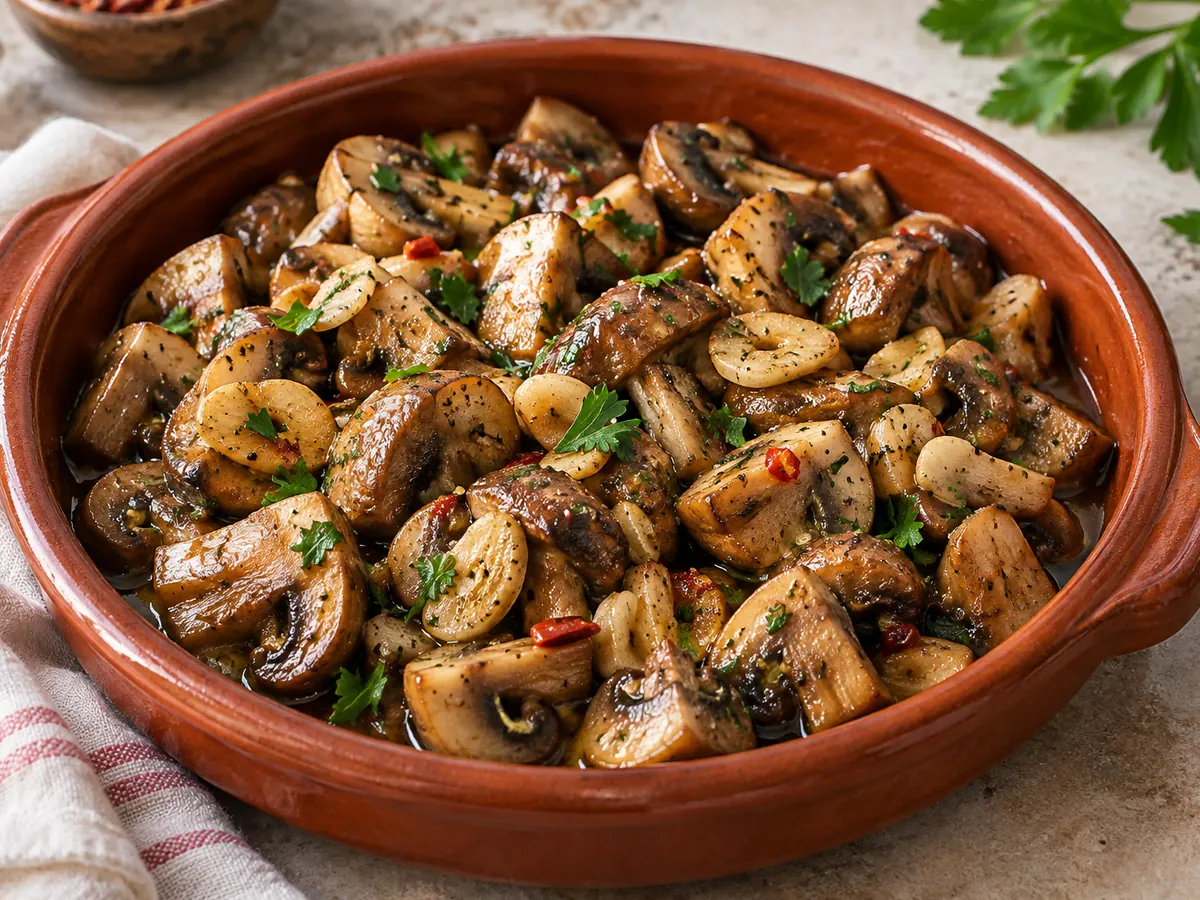

Vegetable sides
Vegetable sides bring colour and variety to the plate. From delicate seasonal produce to boldly flavoured or refreshing sides, there is plenty to choose from.
A hearty roast calls for something different from a light pasta dish. A well-chosen vegetable side often makes the whole meal feel complete.
Vegetable sides give a plate variety
Vegetable side dishes can bring freshness, sweetness, earthiness or a pleasantly bitter contrast to a meal. They are far more varied than a generic helping of greens. Roots, leafy vegetables, legumes and other plant ingredients offer distinct textures and flavour profiles. A mild accompaniment can let a strong main dish dominate, while a more aromatic vegetable side may become a highlight of a simple plate. Think about what the other foods already provide and choose vegetables that add something useful. This can make a meal feel coherent without requiring a complicated combination.
Seasons change flavour and availability
Different vegetables are associated with different seasons, although local climate and growing practices determine what is available. A fresh spring vegetable may contribute a different impression from a hearty autumn root. Seasonal choices can offer variety and help connect meals with local food traditions, but seasonality should not be described as identical worldwide. The vegetables' natural sweetness, bitterness and texture matter more than a general claim that everything seasonal tastes the same. When browsing, consider the flavours you enjoy and whether a vegetable should be gently supportive or a more distinctive element on the plate.
Match vegetables to main courses
A rich main dish may benefit from fresh, lightly flavoured vegetables, while a mild meal can welcome more pronounced vegetable aromas. Texture also matters: a soft main course may feel more balanced with a crisp accompaniment. Colour is pleasant but should not be the only basis for choosing a side. At a family table, offering a vegetable variety that suits different preferences can make a meal more inviting. Allergies and dietary needs require attention to dressings, butter, stocks and other additions, because a vegetable-centred dish is not necessarily vegan or free from common allergens.
Which vegetable side should you choose?
Begin with the main course and decide what is missing: a crisp note, something earthy, a gentle sweetness or a fresher taste. Then think about portion size and the preferences of the people eating. A vegetable side may be small and simple or substantial enough to play a leading role alongside grains or other foods. Variety does not require mixing every vegetable available. A focused accompaniment often has a clearer character. Look at the actual ingredients before choosing for people with special diets, since sauces and toppings may be significant.
Vegetables are not one flavour category
It is misleading to speak about vegetables as though they all tasted the same. Mild roots, bitter leaves and strongly aromatic members of the vegetable family offer different eating experiences. Their texture and sweetness may also change with variety and season. Describing these distinctions makes it easier to choose a side that matches a particular main course. Cultural preferences differ, and no vegetable should be presented as automatically superior. A useful category helps people explore genuine flavour contrasts while remaining clear about the other ingredients that may appear in the finished dish.
Explore all recipes
ⓘ Ratings come exclusively from approved community contributions.