

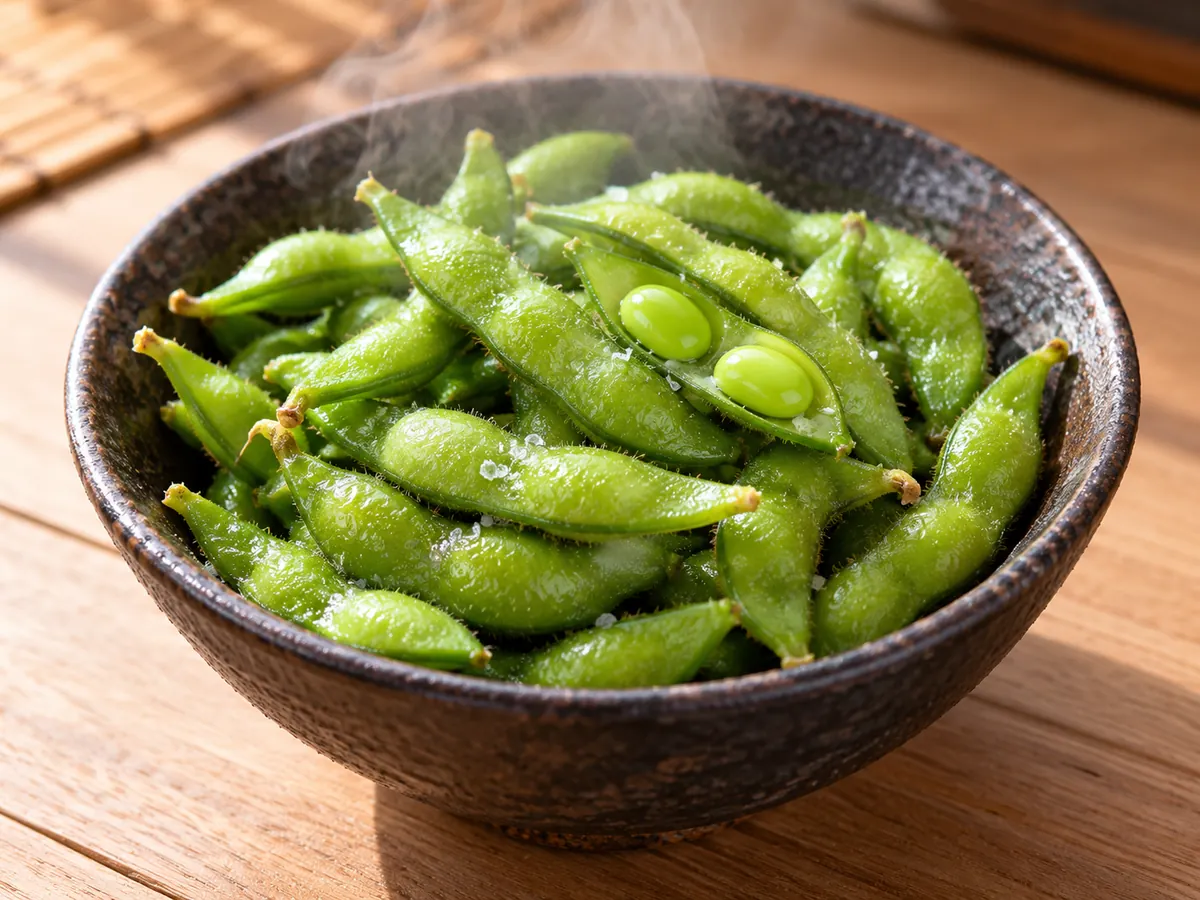
 AI-generated
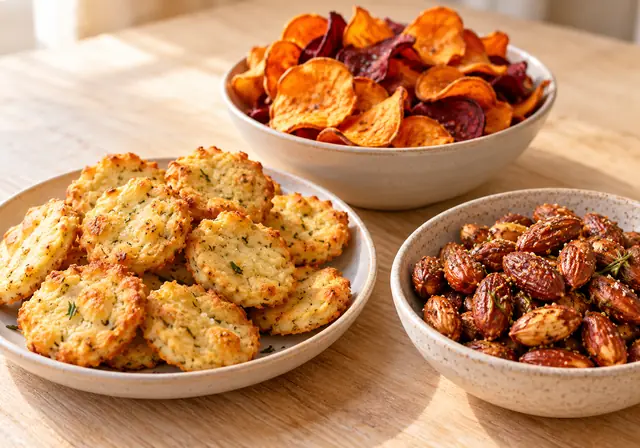
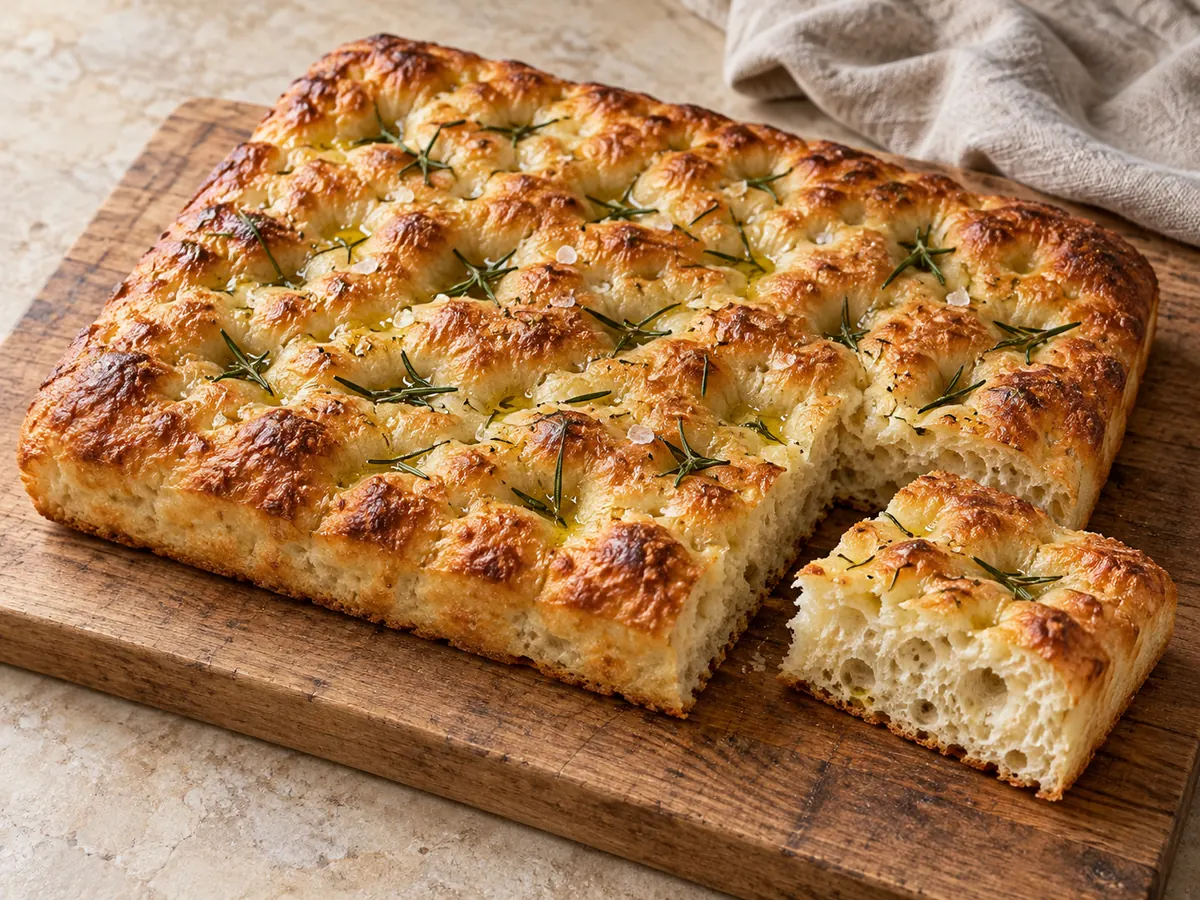
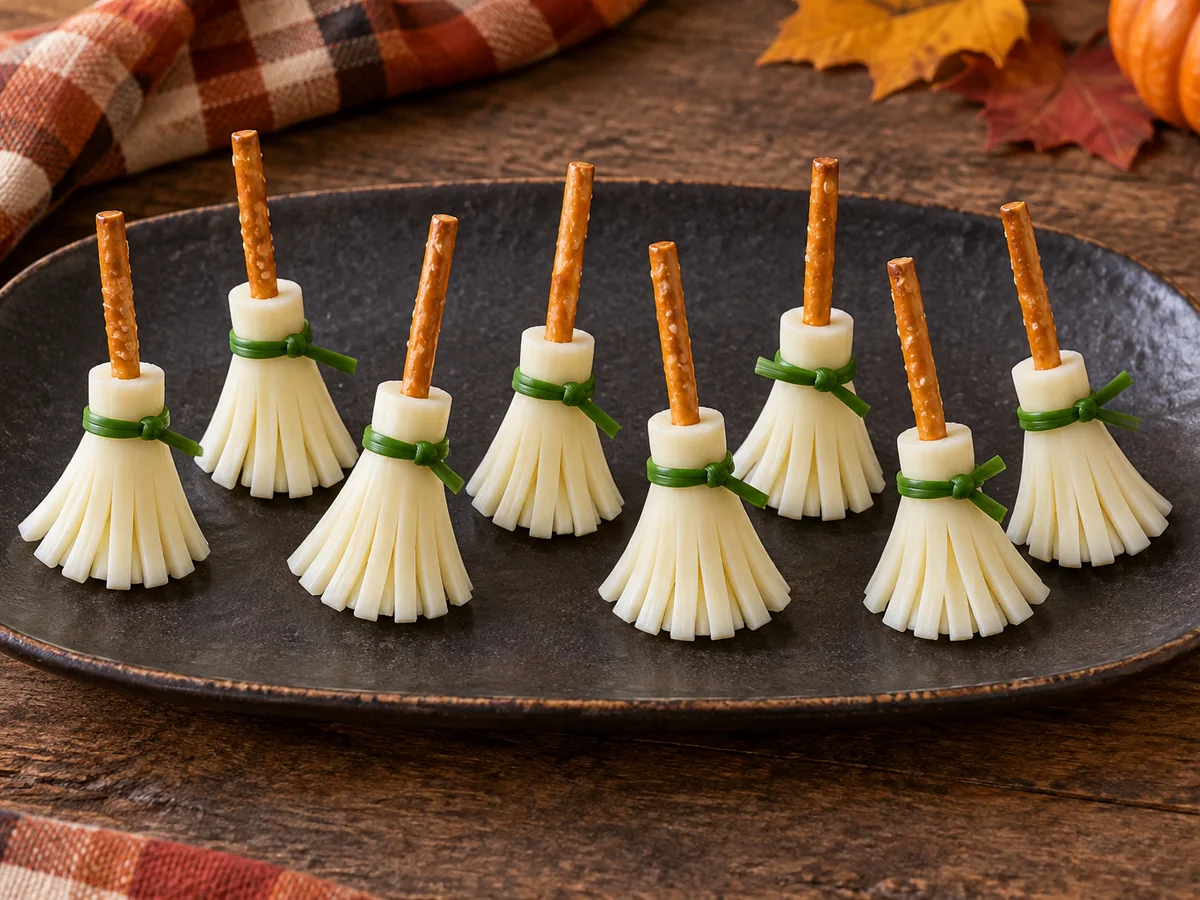
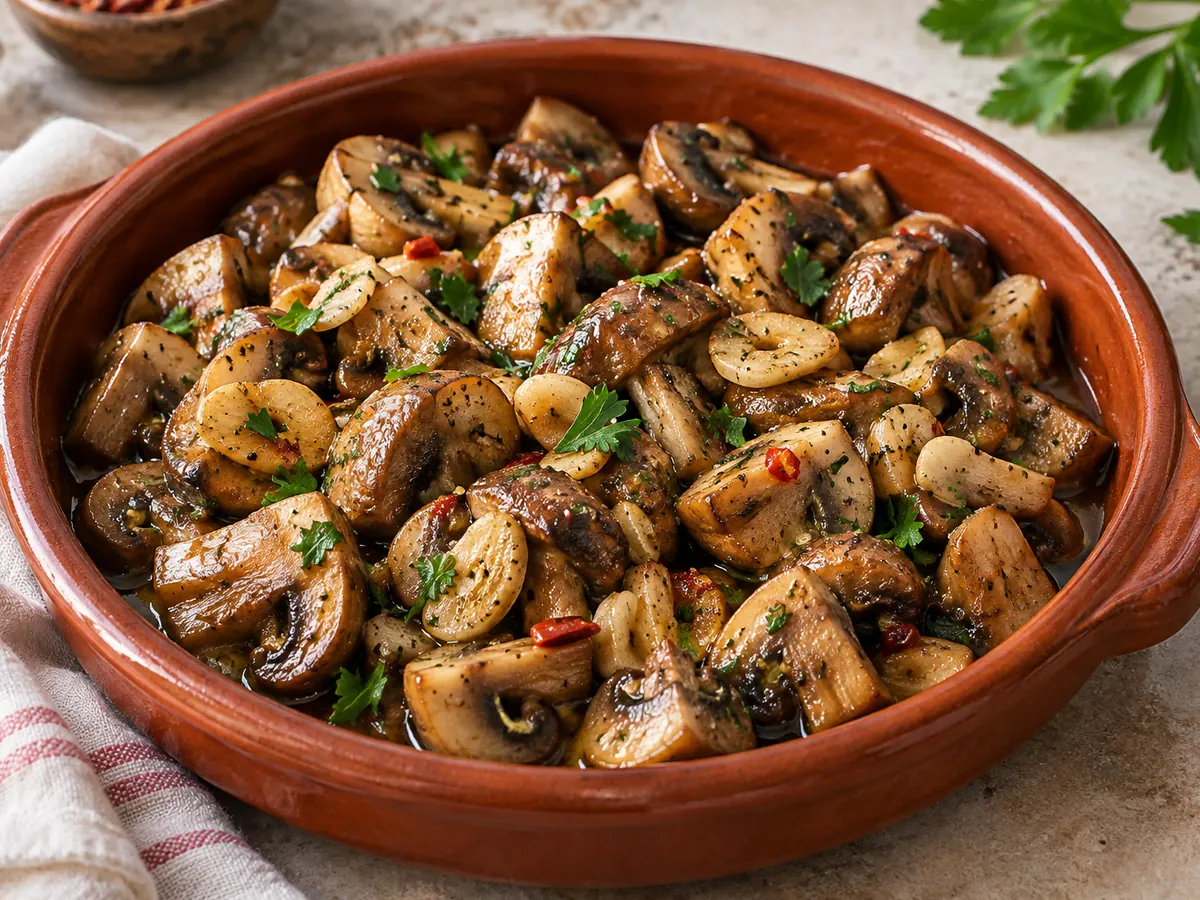
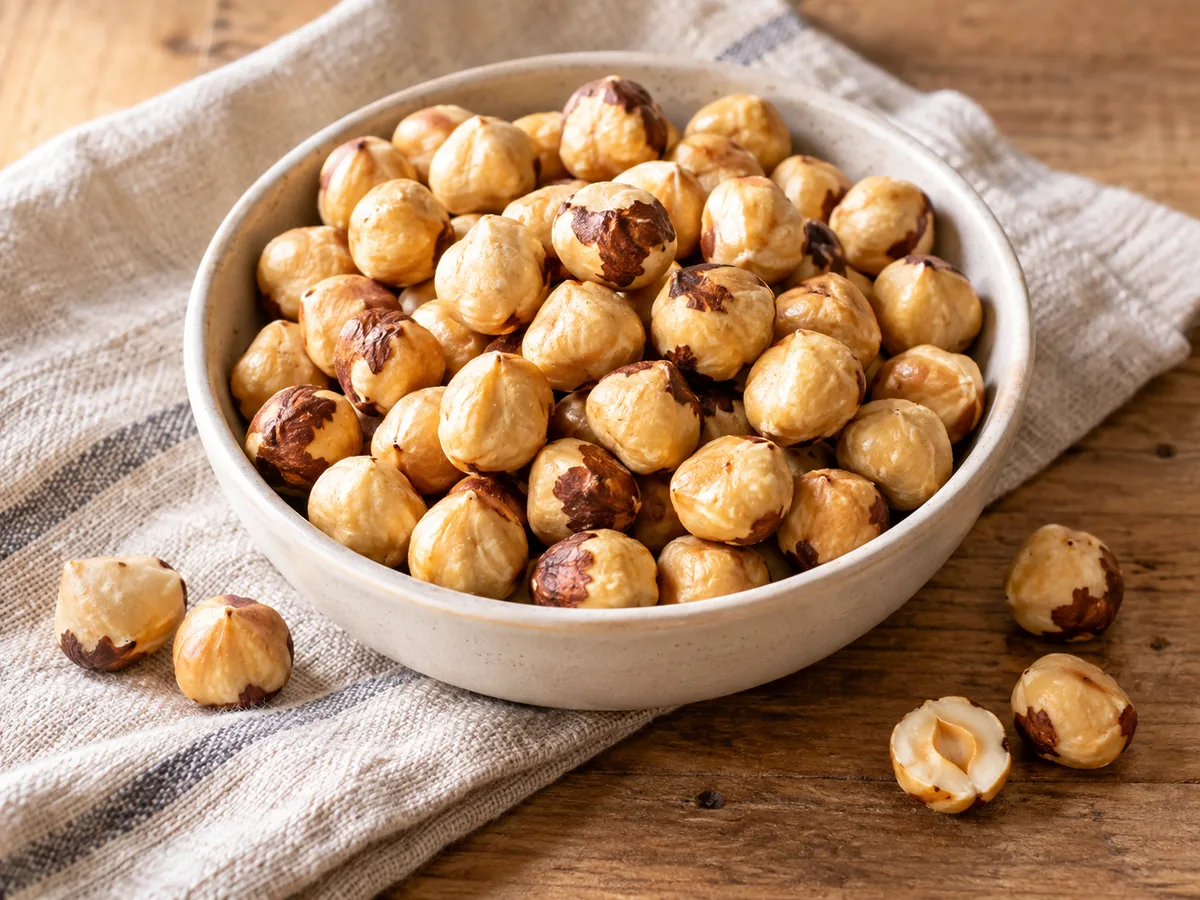
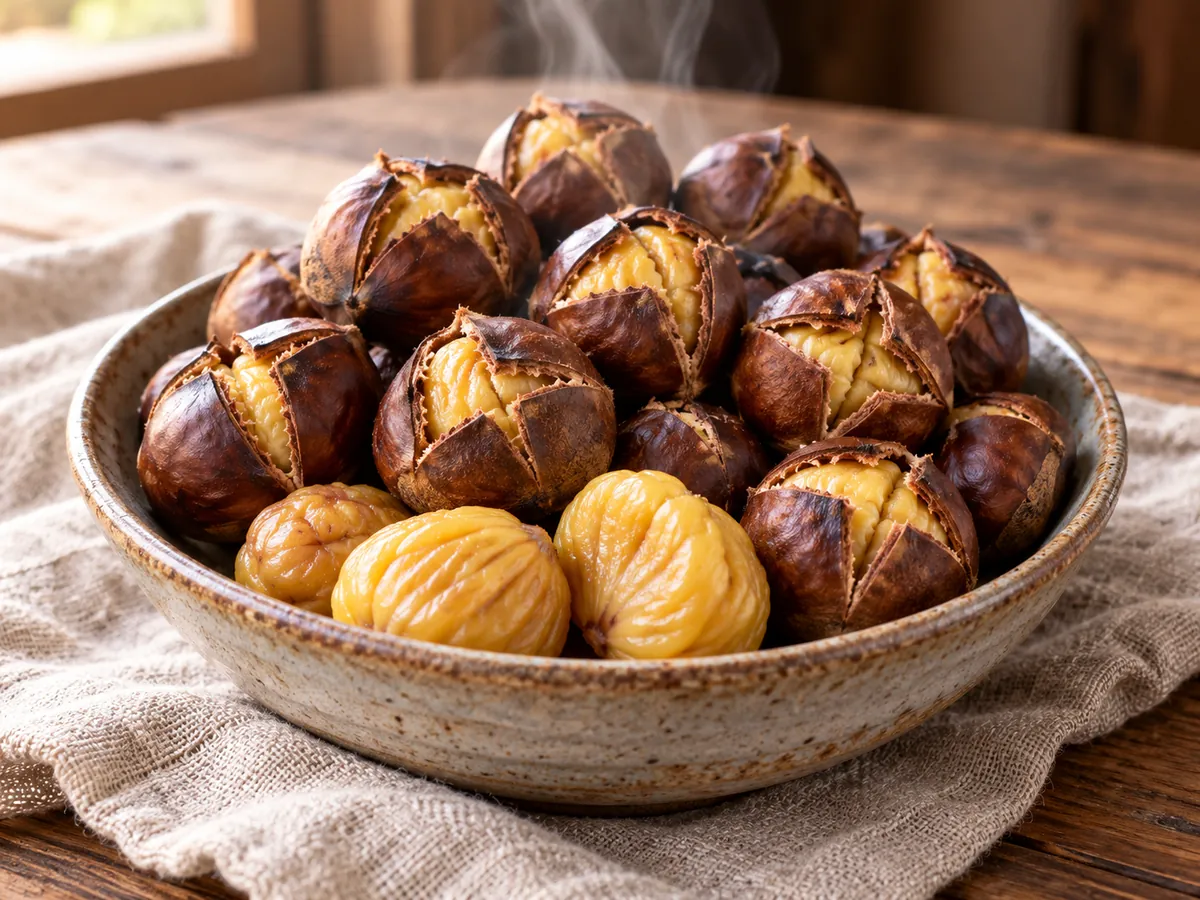

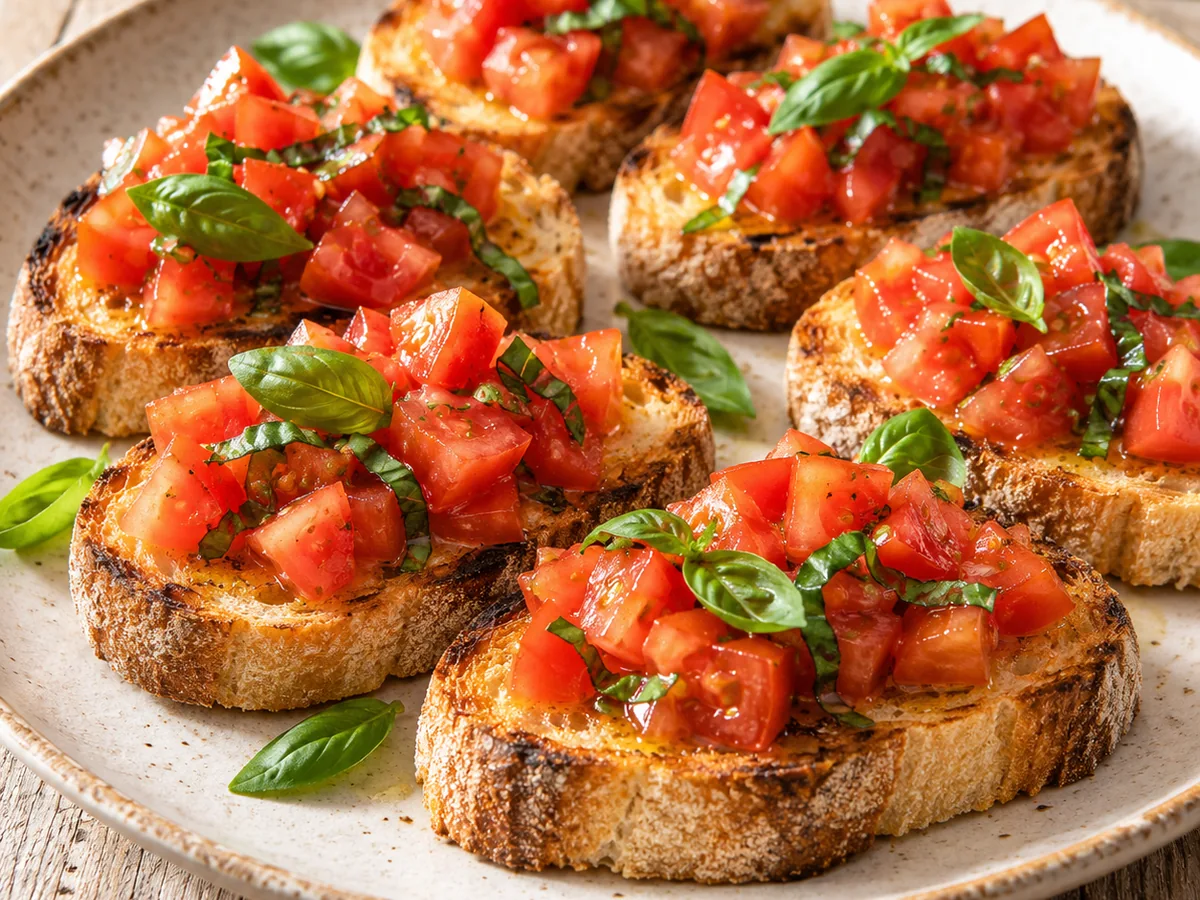

Savory snacks
Savoury snacks are just right when you're in the mood for something salty or flavourful. Crisp nibbles, spicy little bites and sharing snacks offer different pleasures.
They go with movie nights, casual drinks and a little break between meals. Savoury bites make relaxed occasions feel welcoming.
Savoury snacks for a small appetite
Savoury snacks can fill a gap between meals, accompany a relaxed evening or form part of a shared spread. They range from crisp and lightly seasoned bites to softer, more substantial foods. Their defining quality is a predominantly savoury flavour, not a particular cooking method or ingredient. Some are gently salted or herb-led, while others have richer cheese, vegetable or spice notes. Think about how hungry the people eating will be and whether the snack needs to stand alone. A few contrasting small bites may be more enjoyable than a large number of nearly identical options.
Crisp, soft or creamy?
Texture is an important part of savoury snacking. Crunchy bites create a different impression from soft bread-based foods or creamy accompaniments. Herbs, vegetables, grains, cheese and other ingredients may shift the flavour from mild to robust. Not every savoury snack has to be spicy or heavily salted. A fresh flavour can be just as satisfying as a more intense one. When planning several snacks, choose distinct textures and flavour directions so the selection does not feel repetitive. The particular ingredients, rather than the word savoury, indicate which foods suit personal tastes and dietary preferences.
Everyday bites and shared occasions
A quick snack for one person has a different role from food set out at a film night or family gathering. Guests may appreciate individual portions and clear differences between mild and strongly seasoned choices. For a substantial buffet, snacks may function as a collection of small dishes rather than merely food between meals. Think about the presence of children, varied tastes and any dietary restrictions. Many savoury snacks contain cheese, wheat or nuts, and some include meat-based ingredients that are not obvious at first glance. The full composition determines whether an item fits the group.
Choose savoury snacks deliberately
Start with the desired texture, then consider whether you want a gentle herb flavour, vegetables, pronounced spices or a more indulgent savoury impression. Portion size matters if the snack comes shortly before a main meal. If several bites will be served, select complementary styles instead of repeating the same flavour. For guests who avoid certain ingredients, offer accurately described alternatives. A category full of savoury food should make these choices understandable without presenting every option as either a guilty pleasure or a universally healthy snack.
Savoury does not automatically mean spicy
Savoury refers to a broad flavour direction and should not be confused with heat from chilli or other pungent seasonings. A mild cheese-based bite, a vegetable snack and a deeply spiced item may all belong to the category while tasting completely different. Equally, savoury does not establish how salty a food is or what it contains. Cultural traditions and personal preferences shape how people use the term. The best guide is a clear description of flavour, ingredients and texture. Avoid making nutritional or allergy assumptions from one general label.
Explore all recipes
ⓘ Ratings come exclusively from approved community contributions.