

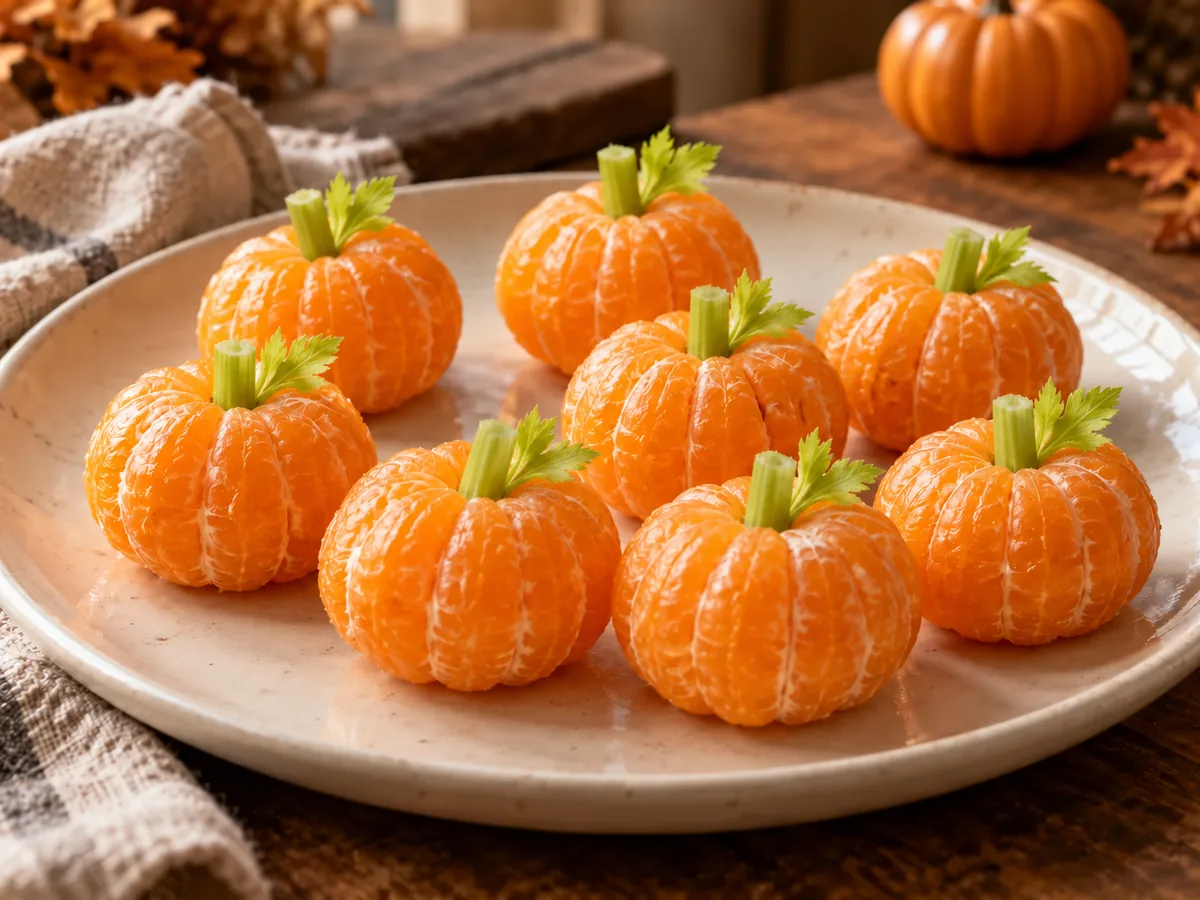
 AI-generated
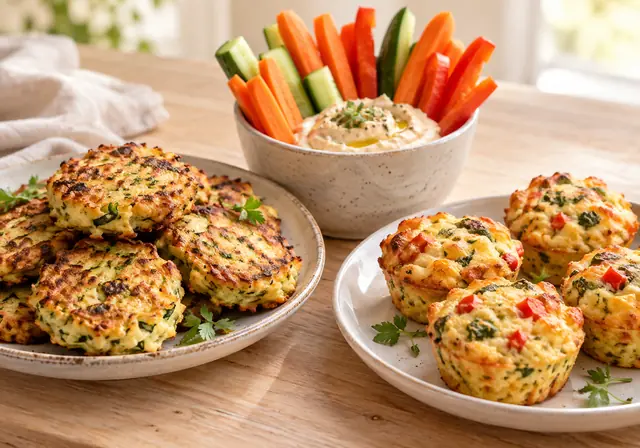
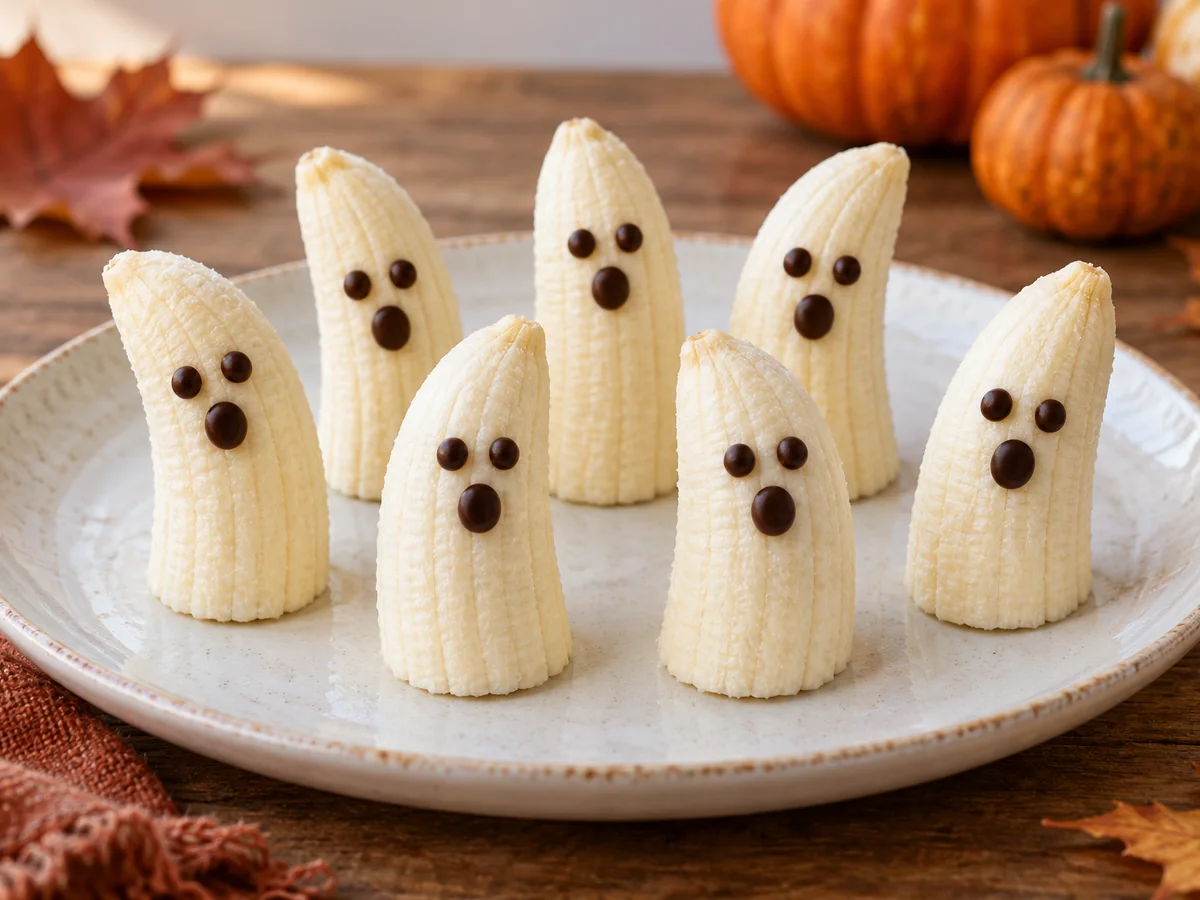
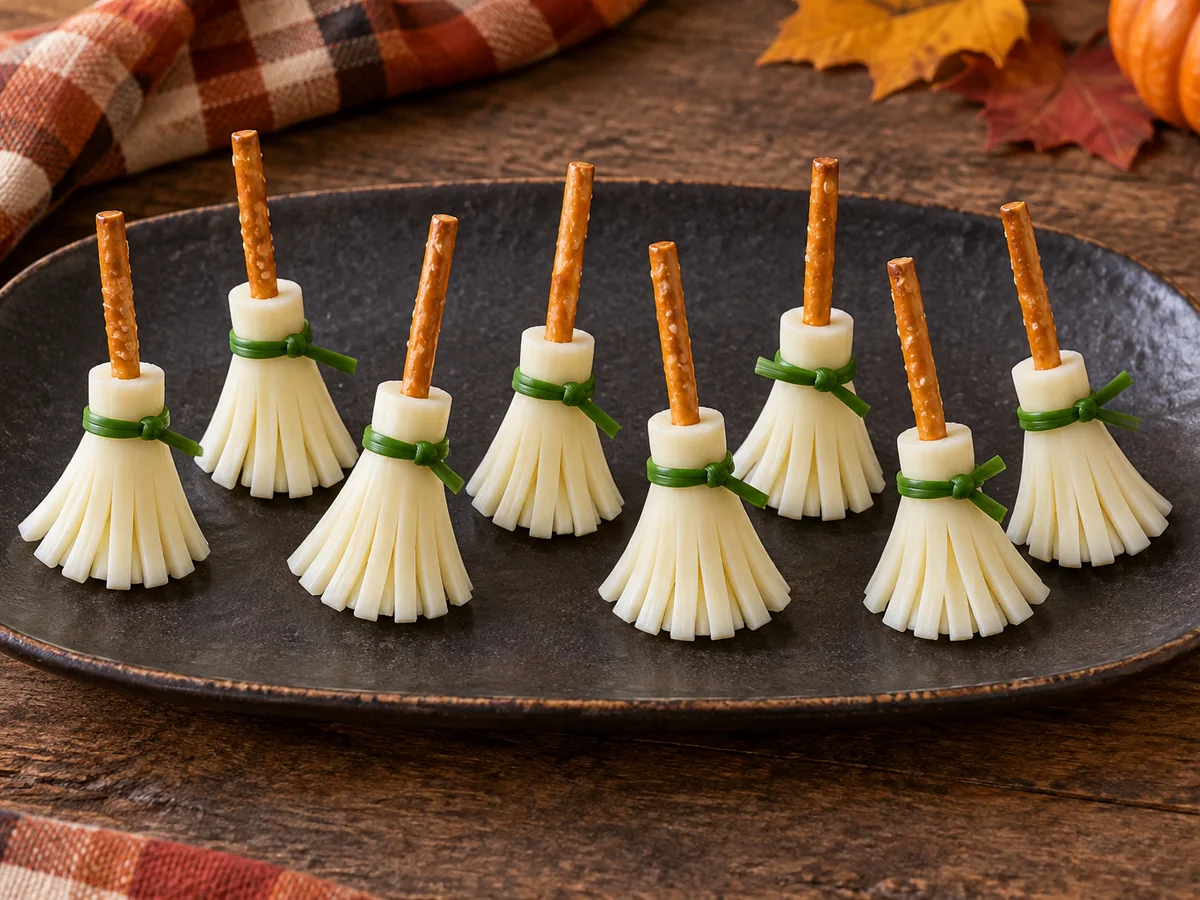
Finger food
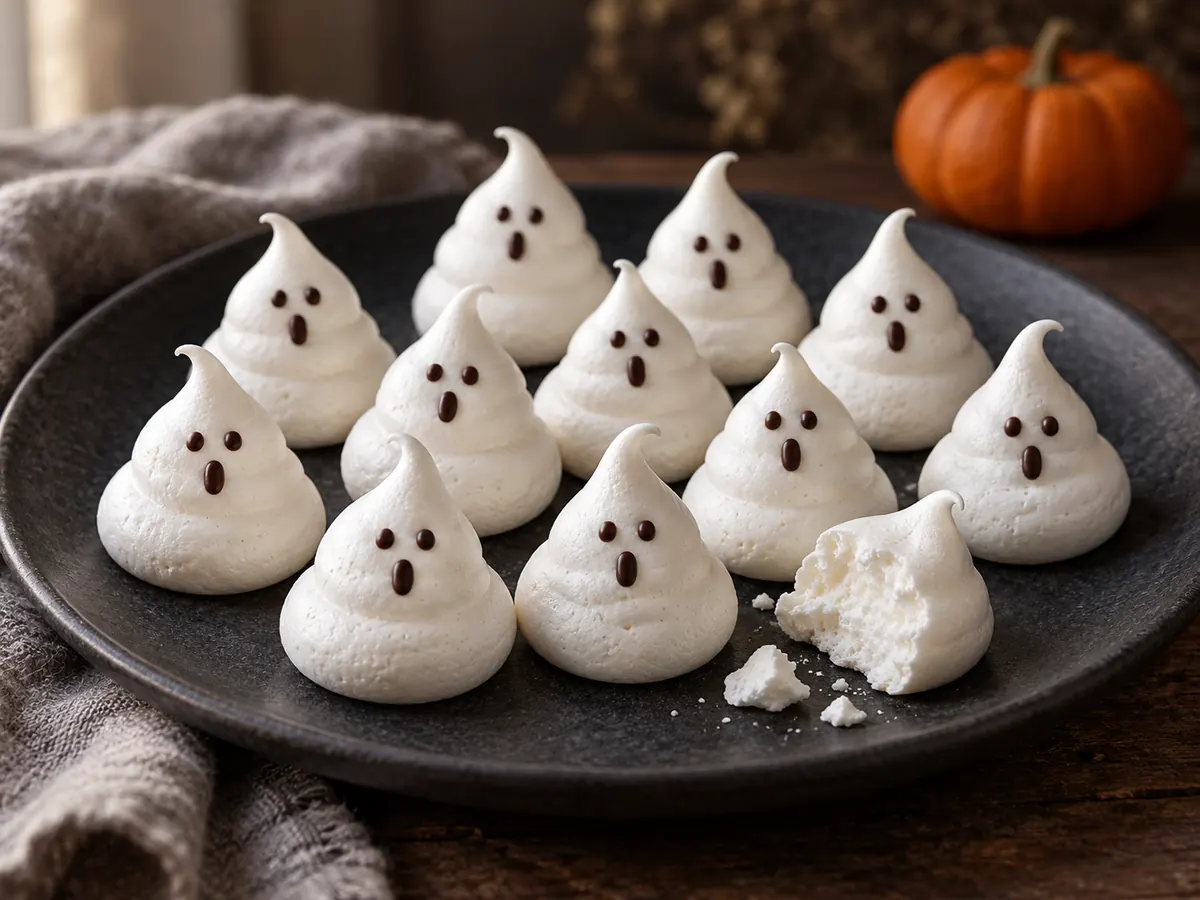
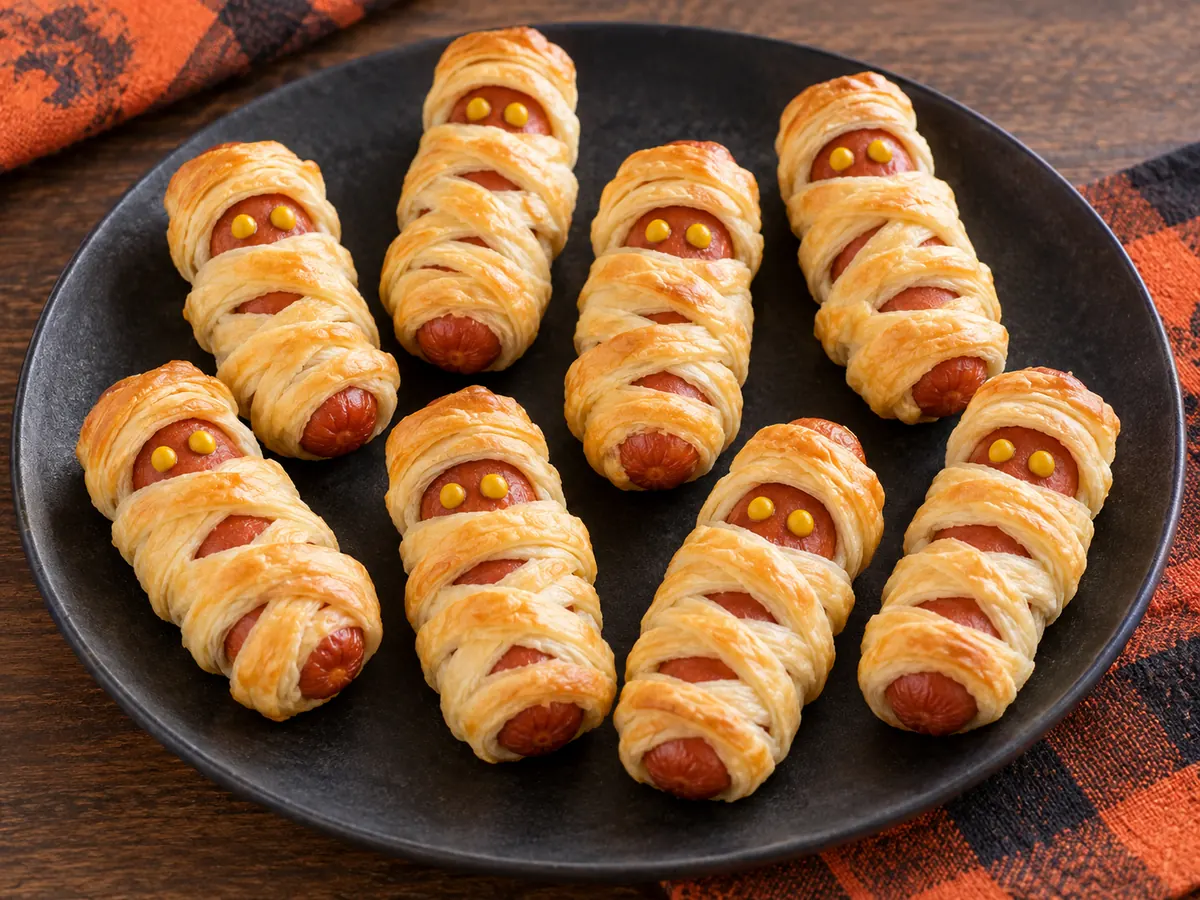
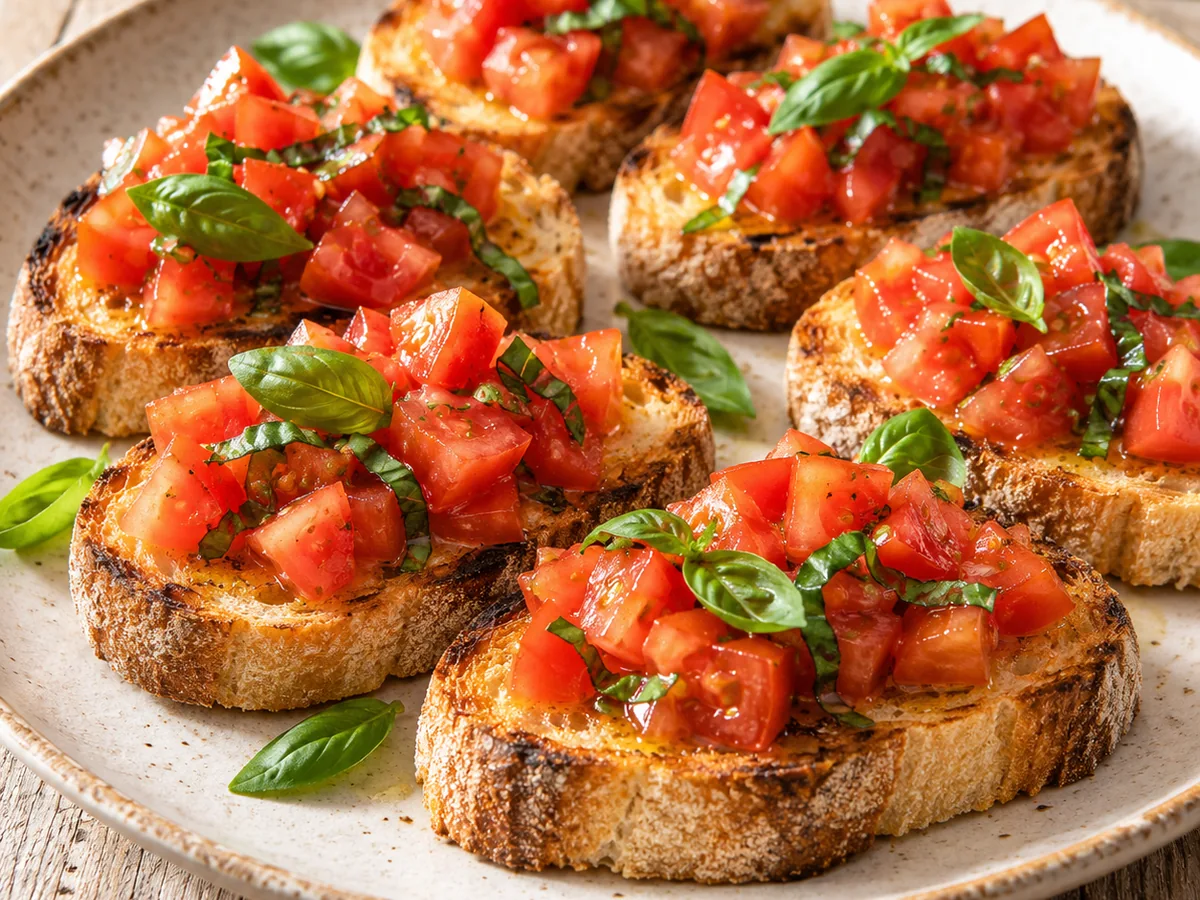
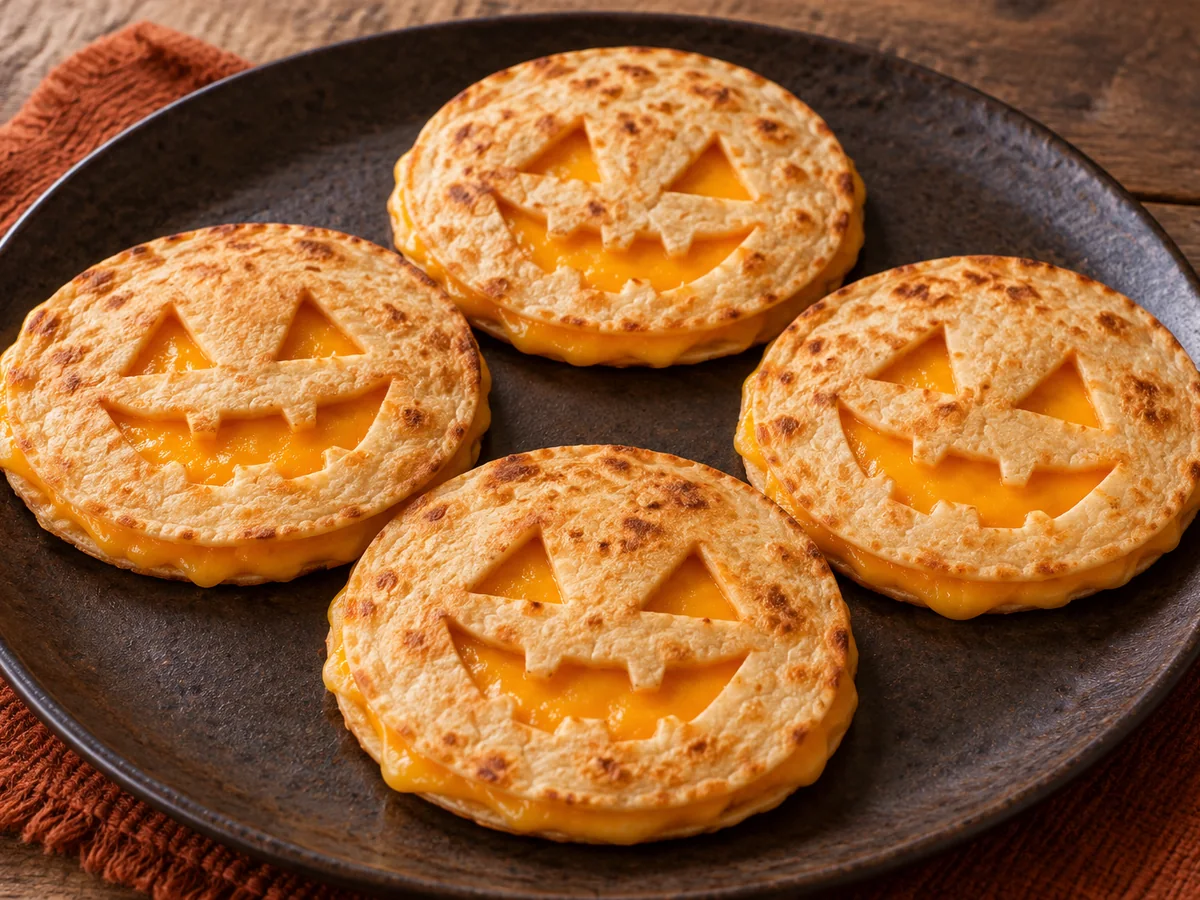
Finger food means small bites made for picking up and sharing without cutlery. Mini sandwiches, vegetable bites and other nibbles brighten a party table.
At a reception, picnic or relaxed gathering, the pleasure comes from tasting a little of several different things.
Finger food makes sharing simple
Finger food consists of small portions designed to be enjoyed without a full plated meal. It can include savoury bites, light vegetable combinations and a wide variety of sweet choices. The convenient format is its defining feature rather than one ingredient or cuisine. That makes it useful for receptions, informal parties and gatherings where guests move around and talk. A small bite can be surprisingly rich or quite light, so consider both flavour and portion size. The best assortment serves the atmosphere of the event instead of simply presenting as many different items as possible.
Balance textures and flavours
A thoughtful finger-food selection may include crisp, soft, fresh and creamy textures. Mild bites provide contrast to more strongly seasoned choices, and the occasional sweet element can serve a different role from savoury options. It is not necessary to present every possible ingredient. A few distinctive styles create more variety than several similar bites in different shapes. For a larger gathering, consider whether foods are easy to recognise and whether each can be enjoyed comfortably. The flavour balance matters as much as the format, because presentation alone does not determine whether guests will enjoy the selection.
Finger food at parties and buffets
A standing reception calls for a different selection from a seated family dinner. Individual portions can allow people to sample several flavours without interrupting conversation. If the gathering includes children or guests with different preferences, approachable options may be useful alongside stronger ones. Clear ingredient information remains important, especially when fillings or sauces are hidden inside small bites. A vegetable-looking piece may contain dairy or meat-derived ingredients. Allergies require careful attention to the whole item and possible cross-contact, not just its visible topping.
Which finger foods suit your guests?
Begin with how the food will be eaten: will guests stand, sit, mingle or gather around a table? Next consider the ratio of mild to pronounced flavours and whether a sweet selection is appropriate. Portions should complement other courses instead of unexpectedly becoming the only substantial food available. If there are dietary needs, provide genuinely suitable alternatives rather than assuming one bite can meet every restriction. A diverse but manageable assortment can make an event feel welcoming without making the food unnecessarily complicated.
Small portions can have different requirements
The small size of finger food does not guarantee that it is light, allergy-friendly or simple in composition. Fillings, coatings, pastry bases and dips can all introduce ingredients that matter to guests. A bite-sized savoury pastry is quite different from a fresh vegetable portion despite being served in the same format. Temperature and food storage also need attention at long events, especially for perishable components. The category should therefore explain variety and intended serving style, while the actual recipe supplies the practical details. Finger food is about accessibility and sharing, not one specific nutritional profile.
Explore all recipes
ⓘ Ratings come exclusively from approved community contributions.