

 AI-generated
Cold starters
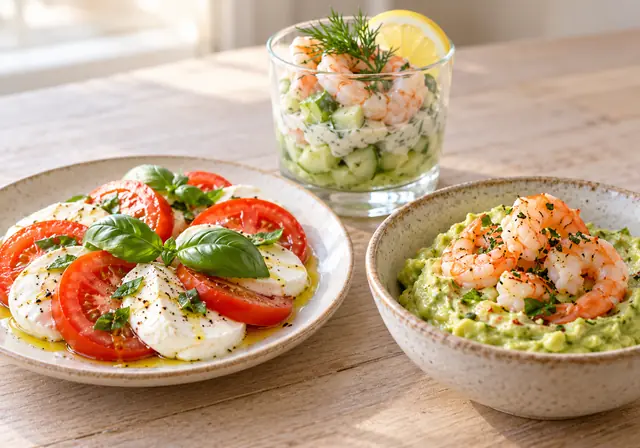
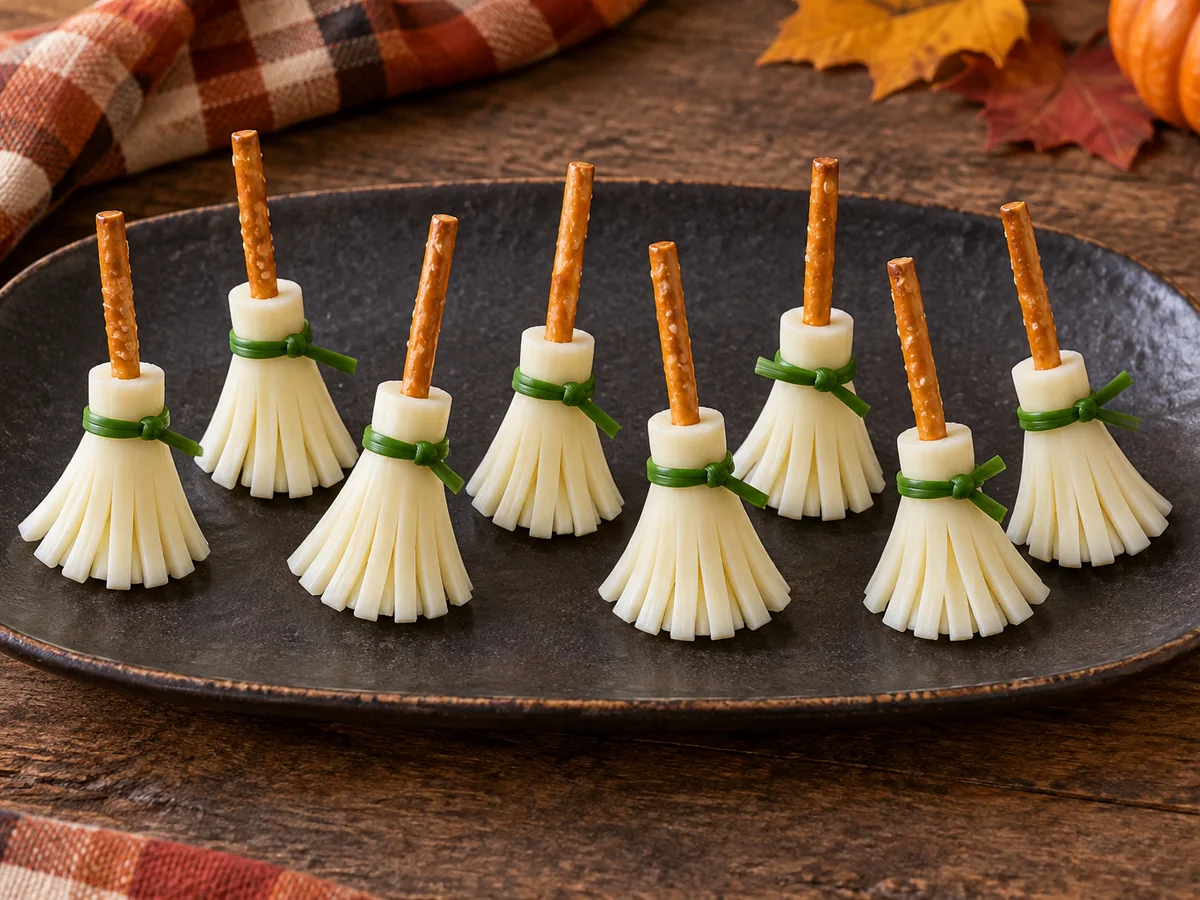
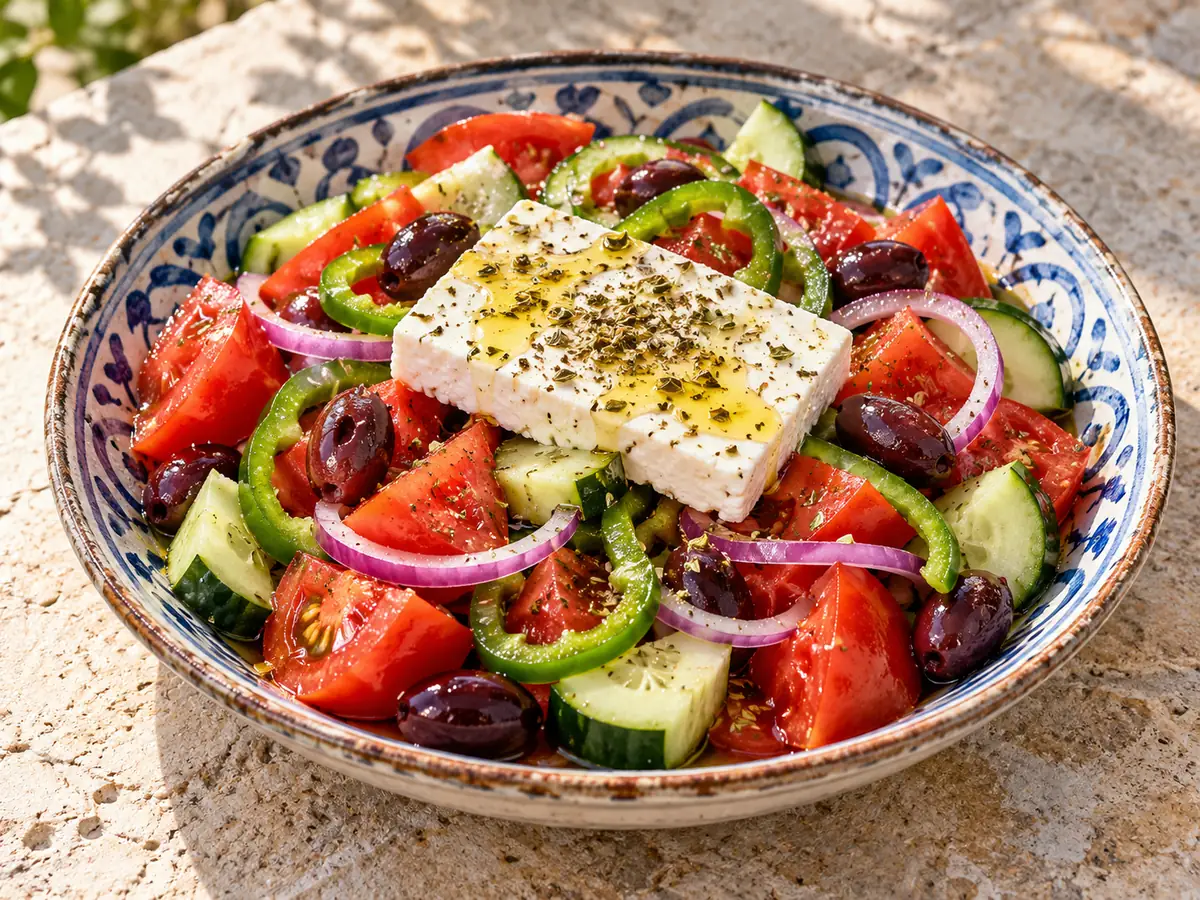
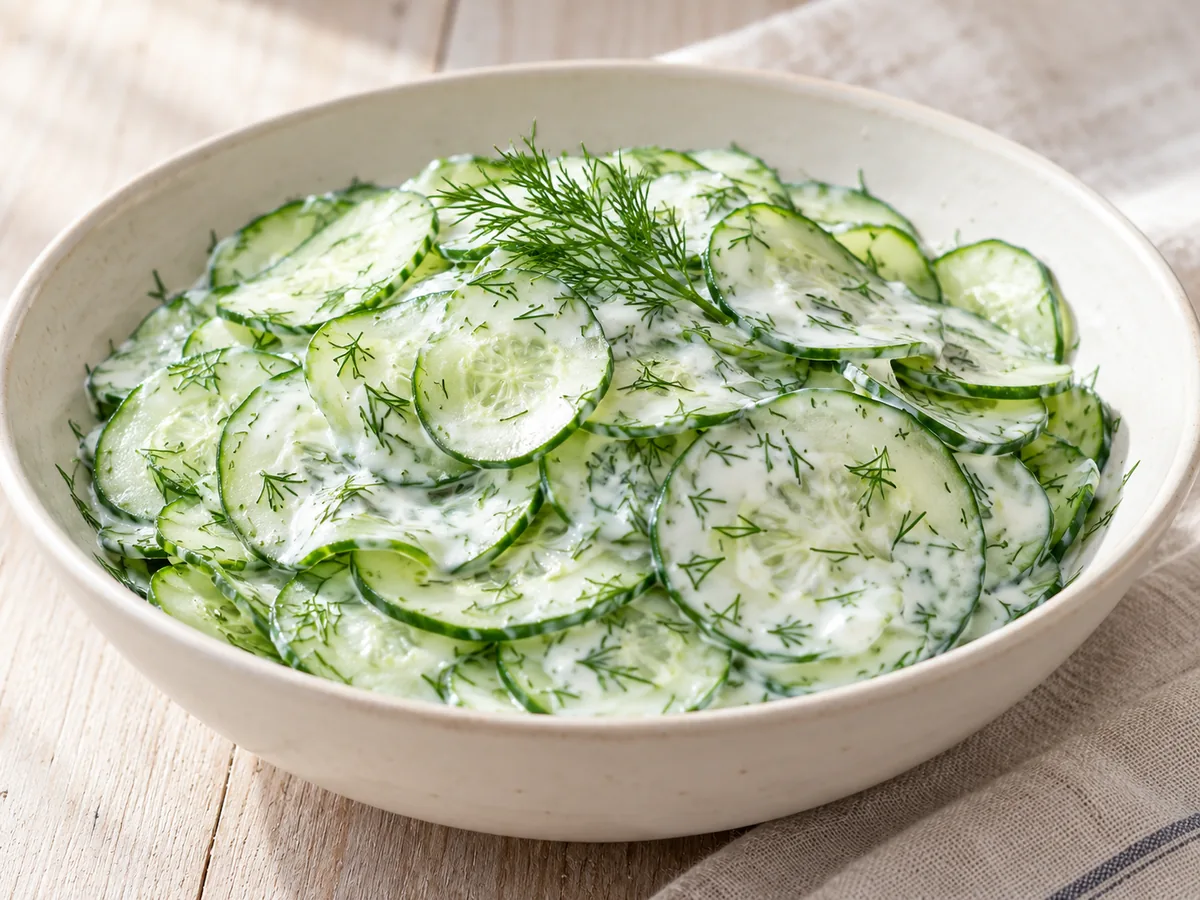
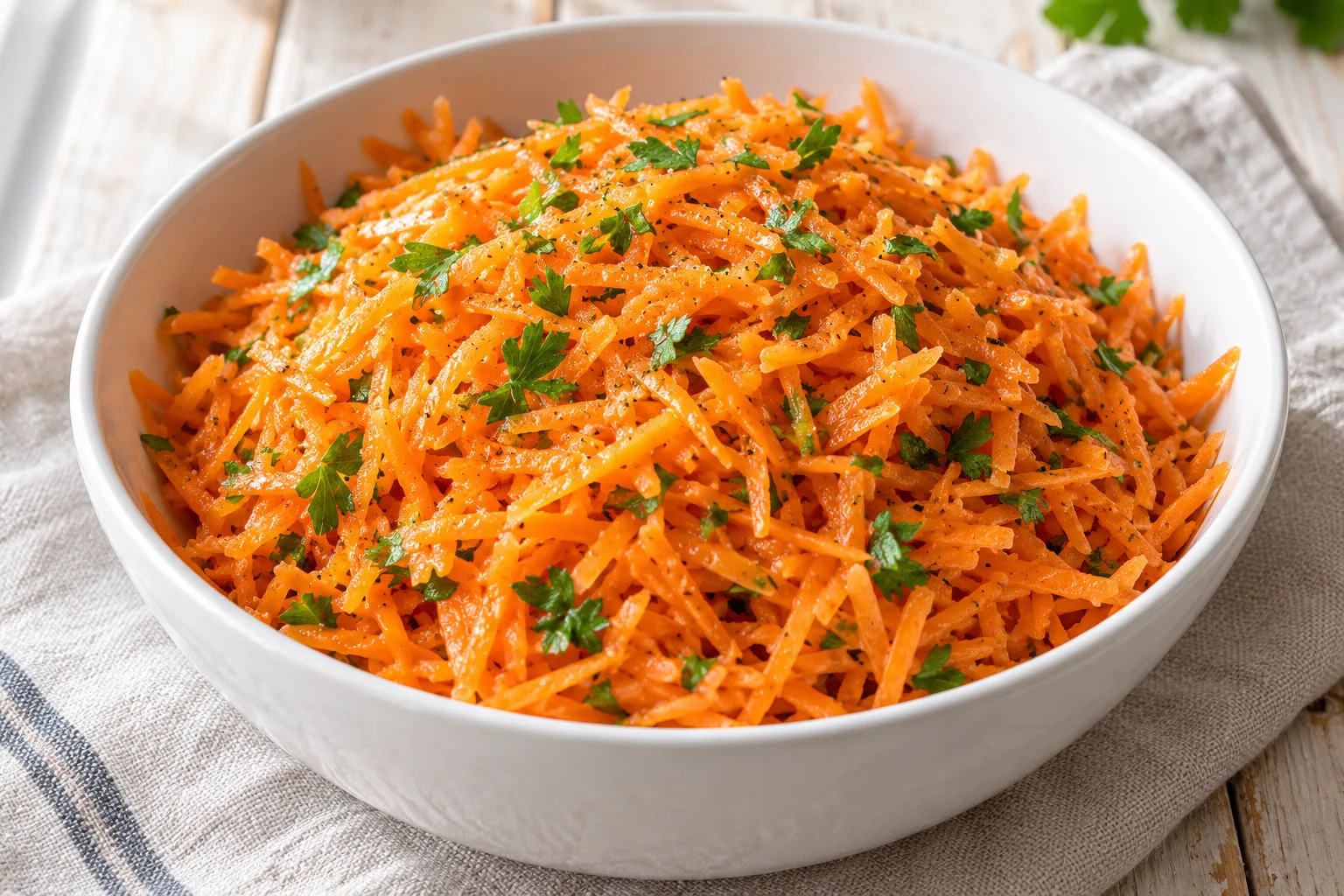
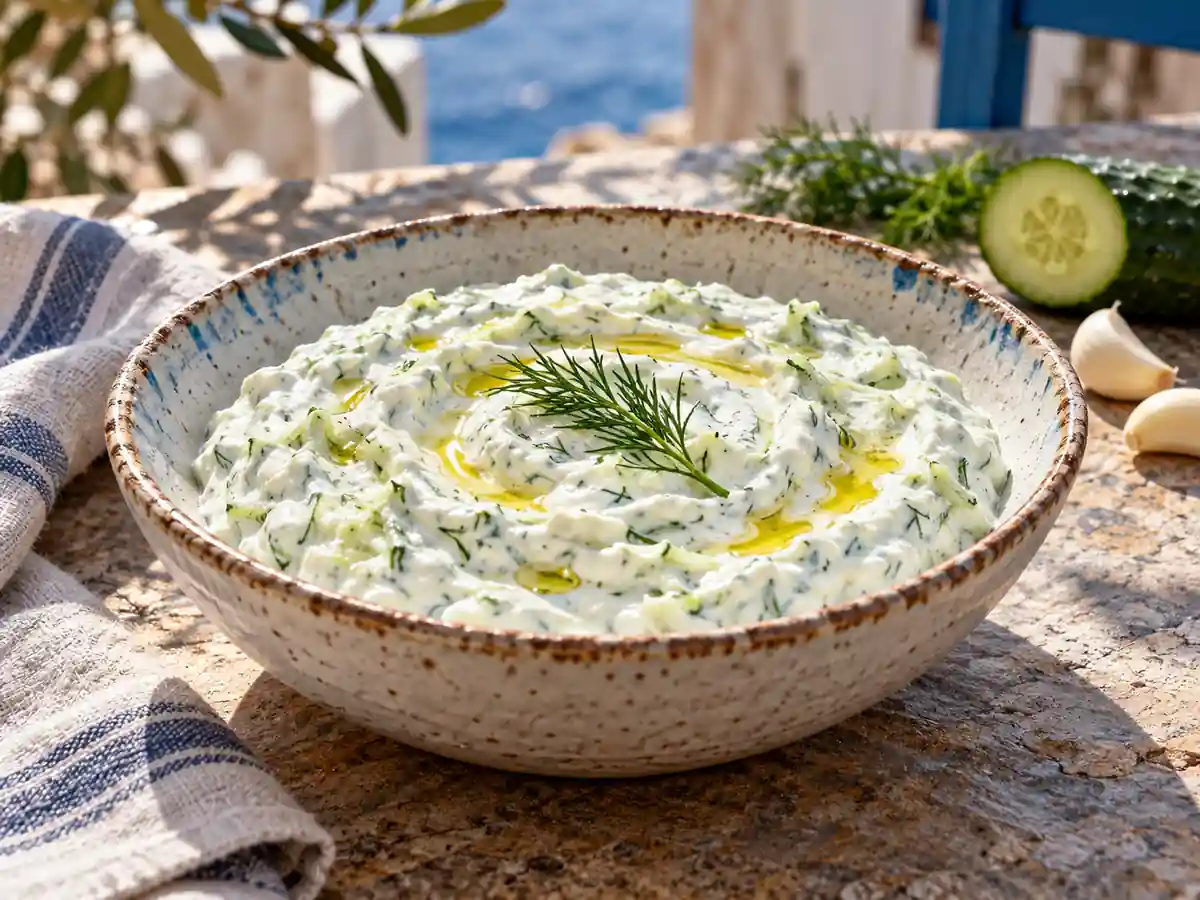
Cold starters are a fresh, lighter way to begin a meal. Vegetable salads, antipasti and small cool dishes offer a welcoming first taste.
Cold starters suit light menus, warm-weather gatherings and varied buffets. Fresh vegetable bites and delicate small plates offer plenty of choice.
Cold starters offer a fresh beginning
Cold starters can begin a meal with crisp vegetables, delicately flavoured ingredients or more substantial savoury combinations. They do not have to be plain salads, and their appeal is not limited to warm weather. The cooler serving temperature can provide contrast before a rich main dish or set an inviting tone at a celebration. Their character ranges from light and refreshing to creamy or pronounced. When choosing, consider what will follow and whether the starter should awaken the appetite without feeling like a second main course. A modest portion with a clear flavour can be especially effective.
Fresh, creamy and savoury flavours
A cold starter might be dominated by crisp vegetables, a smooth creamy component or more assertive savoury ingredients. These variations create different expectations for the meal that follows. A tangy element can bring brightness, while a rich and mild starter may feel more substantial. Texture matters as much as flavour, especially when the main course will have a similar consistency. A menu can benefit from contrast, but that does not mean every starter must include numerous ingredients. Choosing a simple, coherent flavour direction allows the first course to have its own identity.
Cold starters for families and guests
For a family meal, a small cold starter can be a relaxed introduction. At a buffet or larger celebration, individual portions may make a wider selection possible. Consider guest preferences and whether the starter will be eaten seated or as part of a shared spread. Dietary restrictions still require examination of the complete ingredients, including dressings, cheeses, seafood and other additions. A chilled vegetable plate may not be vegan if it contains dairy dressing. Information about flavour and composition is more useful than a general label such as fresh or elegant.
How to choose a cold starter
Begin with the main dish. If it will be rich or particularly hearty, a restrained and fresh starter may provide a welcome contrast. If the main course is light, a slightly more substantial opening can make sense. Think about the desired flavour intensity, texture and portion size. A cold starter should not dominate the meal unless the gathering is intentionally built around several small dishes. The actual recipe gives information about ingredients and accompaniments that a category title alone cannot provide, especially when serving people with allergies or other dietary needs.
Cold food requires appropriate care
Serving a dish cold is a flavour and presentation choice, not a substitute for safe handling. Perishable ingredients, such as some dairy or seafood components, require particular attention to storage and serving conditions. It would be misleading to suggest that every cold starter can remain on a buffet indefinitely. The relevant guidance depends on the actual ingredients and circumstances. A cold starter also need not be raw; the name describes how it is served rather than every preparation step. Clear descriptions help guests understand both the food and any requirements that matter for their health.
Explore all recipes
ⓘ Ratings come exclusively from approved community contributions.