

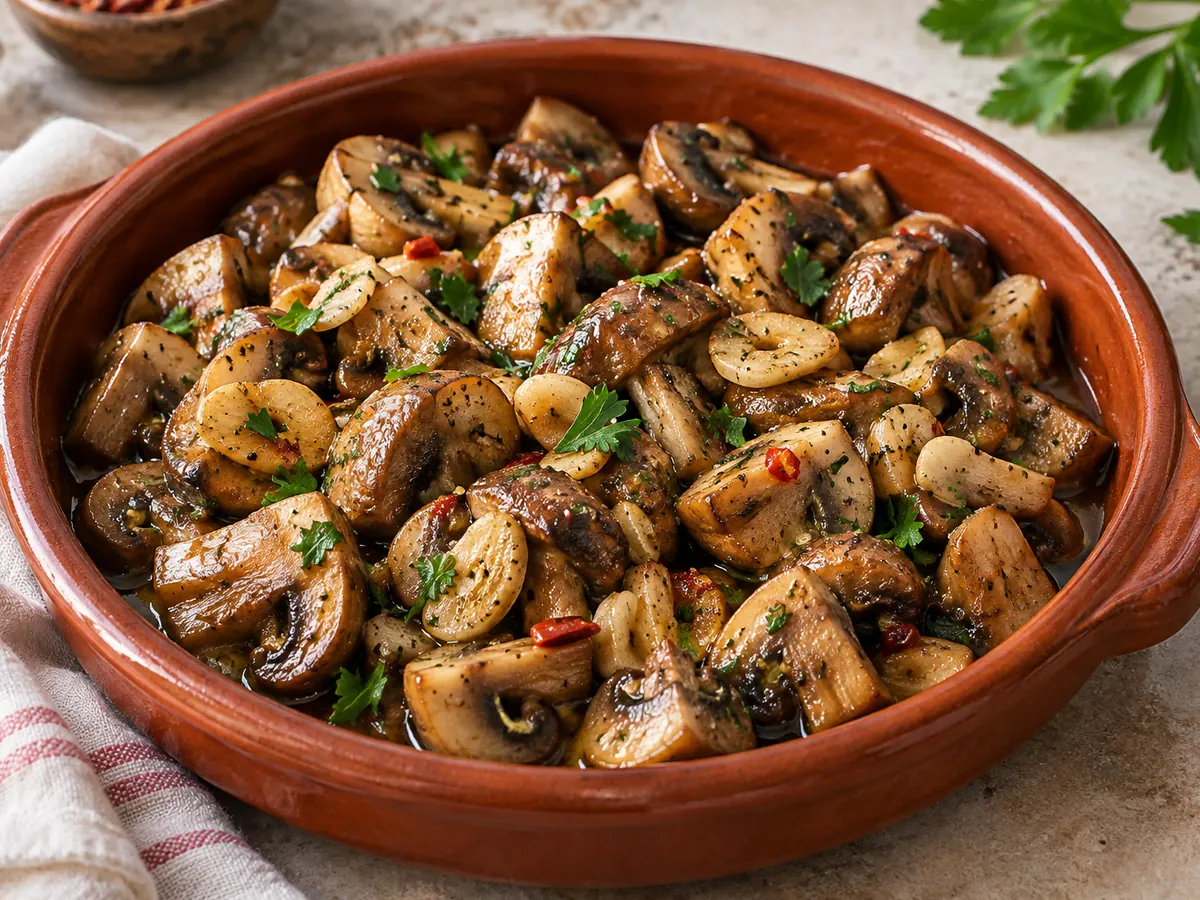
 AI-generated
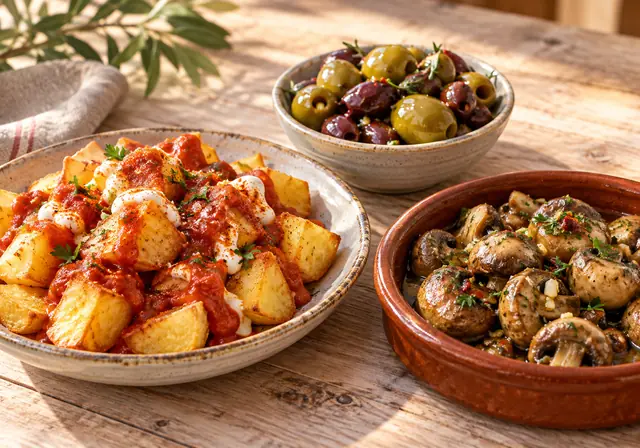 AI-generated
Tapas & antipasti
Tapas and antipasti are small dishes intended to be enjoyed together. Mild, spicy, fresh and savoury bites evoke relaxed Mediterranean gatherings.
Instead of one large plate, several little favourites fill the table. Sharing them is especially lovely with friends and family.
Tapas have a place in Spanish food culture
Tapas are associated with Spain and with a sociable tradition of enjoying small savoury dishes. They should not be reduced to a generic term for any tiny portion of food. Regional habits, ingredients and serving contexts differ, and modern interpretations add further variety. Some tapas are straightforward and rustic, while others are more elaborate or strongly flavoured. The pleasure often lies in sharing several contrasting tastes rather than ordering one large main course. A useful introduction respects the cultural context without claiming that one specific collection of dishes is the only authentic tapas experience.
Small plates can offer contrasting flavours
A tapas selection may include vegetable-led, seafood-related, meat-based or other savoury elements, each with its own flavour and texture. Some are mild and fresh, others intensely seasoned or rich. Choosing contrasting dishes creates variety without needing excessive quantities. Think about whether guests prefer lighter bites or a more substantial shared meal. Sauces, olives, herbs and regional ingredients may contribute different characters, but no single ingredient defines every tapas tradition. A thoughtfully balanced table is more appealing than a random collection of small plates presented only because they happen to be bite-sized.
Tapas as starters or a shared meal
Tapas can introduce a longer meal or form the focus of an informal evening with friends. The number and size of portions should reflect that purpose. A small first-course selection needs less food than a table where everyone will share several dishes as dinner. Guest preferences matter, especially when seafood, meat or stronger seasonings are involved. Clear ingredient information is essential for allergies and dietary requirements; small portions can still contain dairy, nuts, wheat or other allergens. A varied tapas experience works best when everyone can participate without having to guess what is in each dish.
What belongs in a considered tapas selection?
Begin with the atmosphere and the people who will share the food. Choose a manageable range of dishes with distinct textures and flavour intensities. A fresh vegetable-led option may complement something richer, and gentle flavours can balance more pronounced seasonings. It is also sensible to consider whether the selection is intended as an appetiser or the whole meal. Rather than treating tapas as a collection of fashionable miniature portions, look for specific culinary context and a coherent combination. The actual ingredients and portion sizes determine how well the selection will work.
Tapas are more than small portions
The tapas tradition is connected with Spanish eating culture, social occasions and regional variation. Simply cutting an unrelated dish into small pieces does not necessarily make it an example of that tradition. At the same time, it would be inaccurate to impose one fixed historical definition on every Spanish region or contemporary setting. Respecting regional identities helps distinguish tapas from the broader categories of snacks, appetisers and finger food. For people exploring the cuisine, flavour, context and how the dishes are shared provide more meaningful information than the size of the plate alone.
Explore all recipes
ⓘ Ratings come exclusively from approved community contributions.