

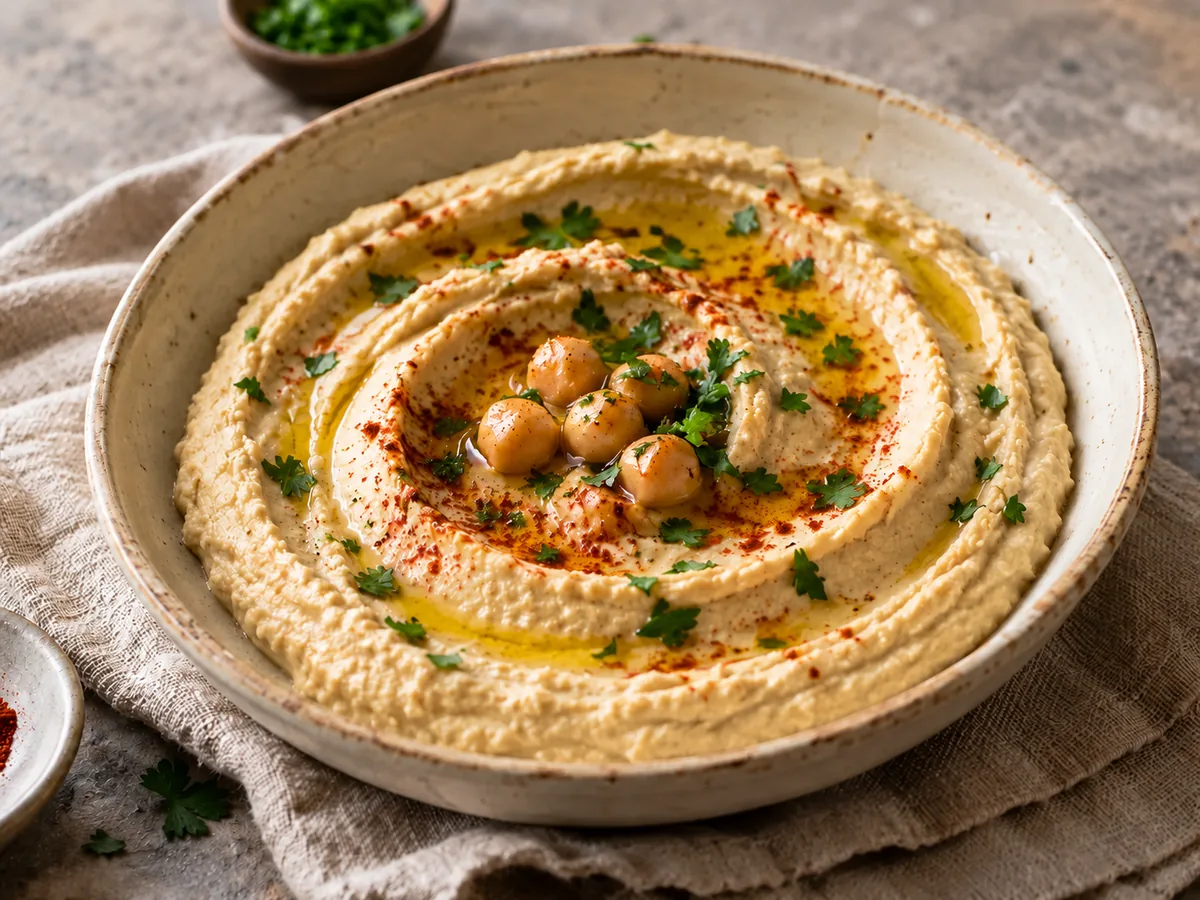
 AI-generated
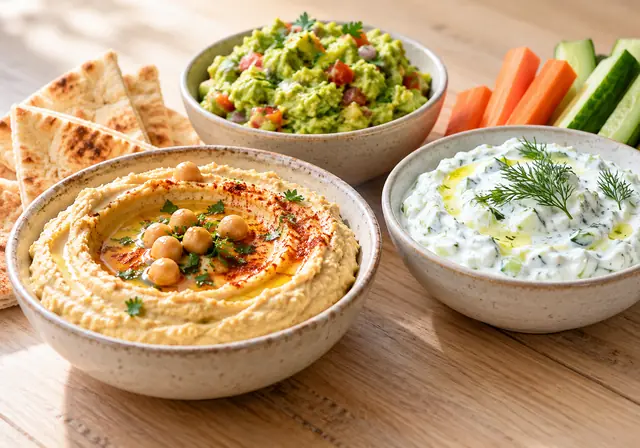
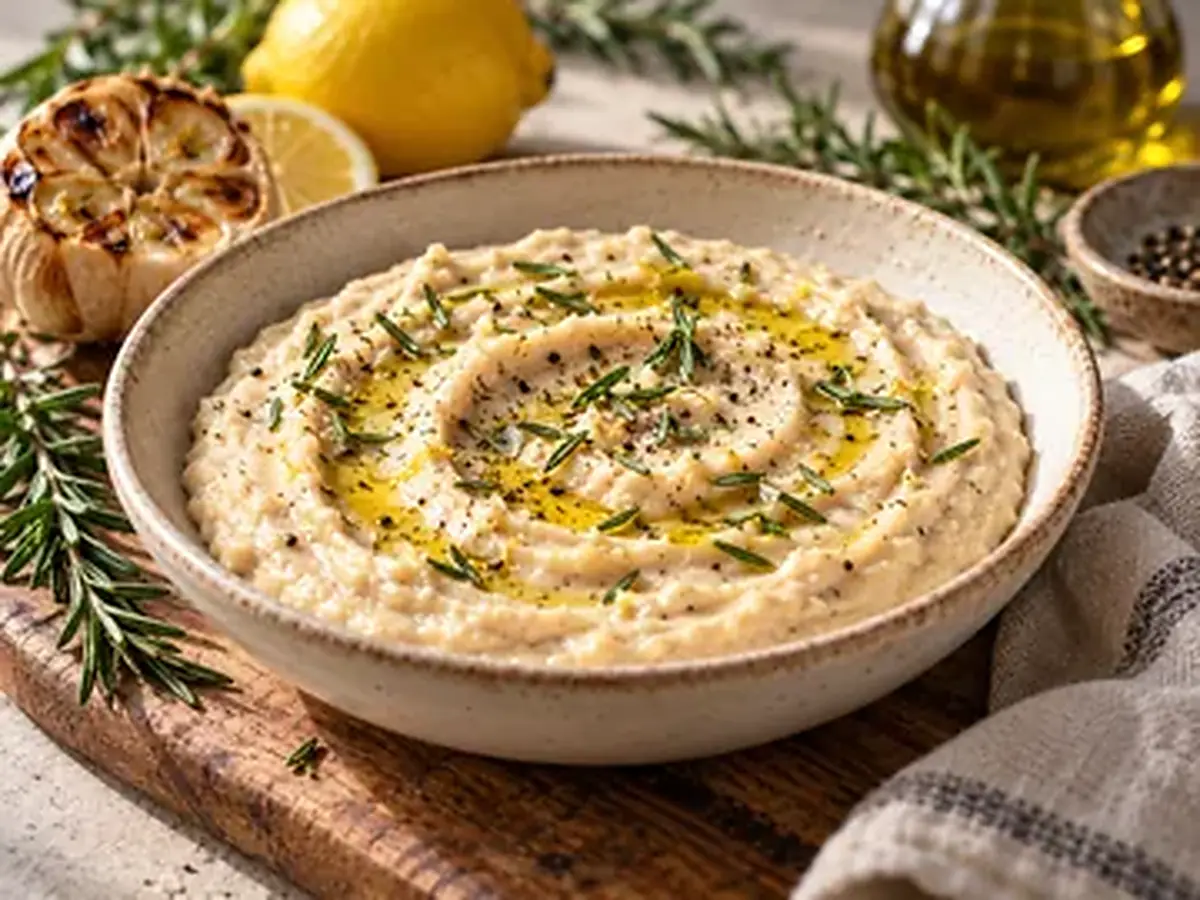
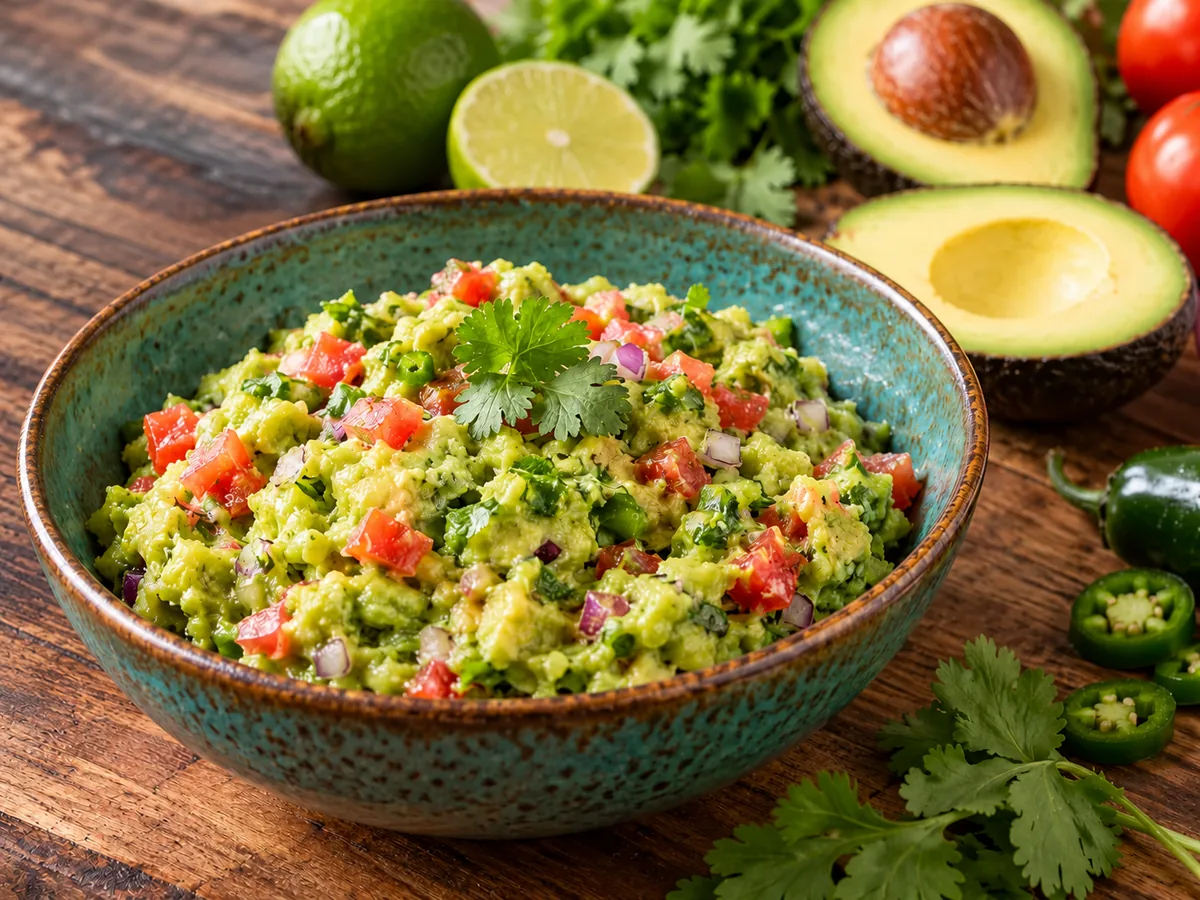
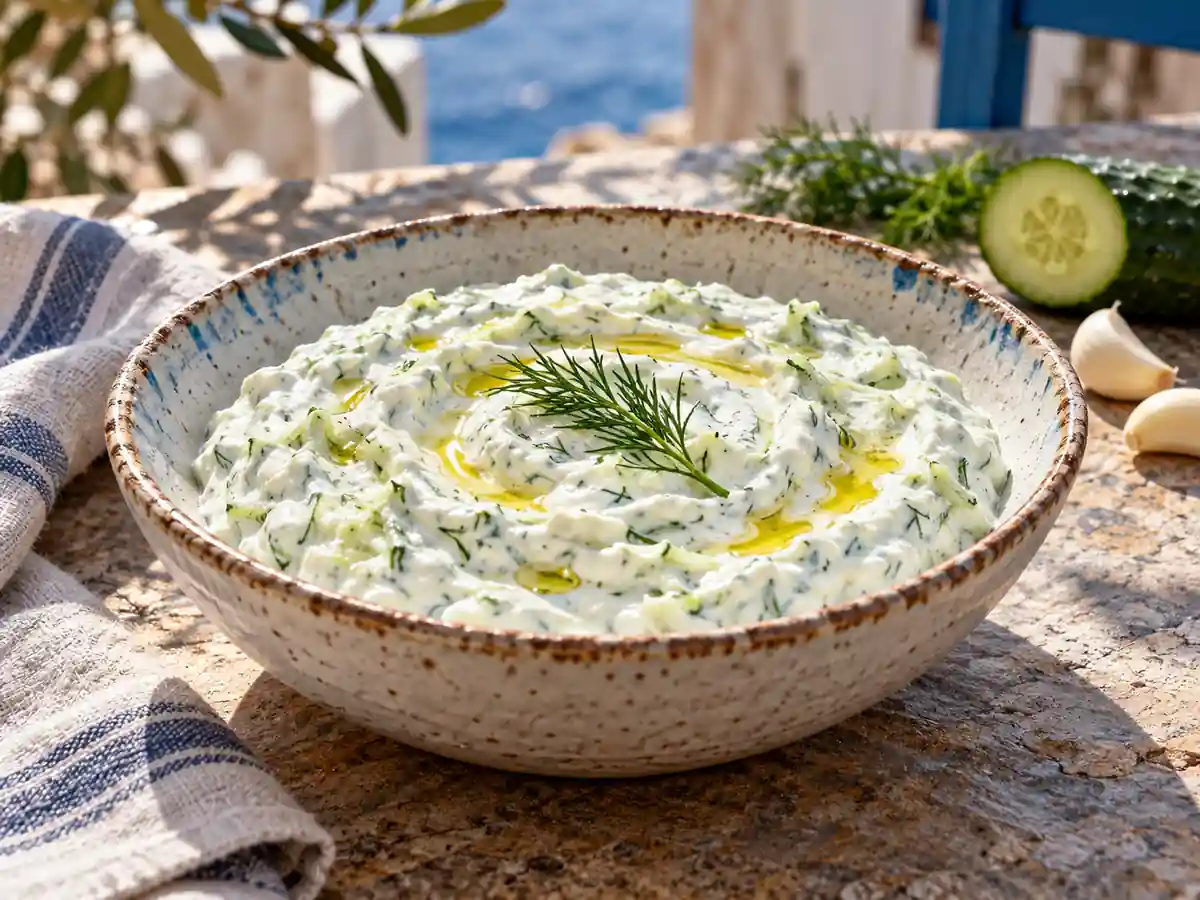
Dips & spreads
Dips and spreads are favourites with bread, crunchy vegetables and little snacks. Herby, savoury, spicy and creamy options are especially enjoyable for sharing.
A few different dips make a simple spread feel like a sharing feast. They are also a welcome addition to a starter platter.
Dips are versatile foods for sharing
Dips accompany small bites, vegetable pieces, breads and other foods, especially at shared tables and informal gatherings. They range from fresh and herb-led to creamy, tangy, rich or strongly seasoned. A dip can be a small supporting element or one of the more distinctive flavours on the table. Its appeal often comes from the contrast between the dip and the food served alongside it. Choose by the kind of flavours and textures you want to combine, rather than assuming every dip should taste sharp or be based on dairy.
Think about flavour pairings
A mild dip can allow strongly flavoured accompaniments to remain in the foreground, while a tangy or spiced one may give simple vegetable sticks or bread more character. Smooth dips offer a different sensation from coarser mixtures, and herbs, nuts or legumes can contribute distinctive tastes. Several dips on one table should provide recognisable contrasts rather than tiny variations on a single flavour. Consider the overall spread, including any other sauces or dressings. A good dip complements the foods that will actually be eaten with it rather than existing simply to increase the number of bowls.
Dips at family meals and buffets
At a family gathering, a few clearly different dips can help guests personalise a shared selection of foods. Mild choices can sit alongside more pronounced flavours, and portion size should match the number of people and the other dishes available. For anyone with allergies or dietary restrictions, the full composition is important. Some dips contain dairy, nuts, sesame or other allergens even when their appearance is plain. A vegetable-based dip is not automatically suitable for every diet. Accurate information and suitable serving practices help make a buffet more welcoming.
Which dip suits the occasion?
Start with what people will dip into it. Crisp vegetables, breads and savoury snacks create different flavour and texture combinations. Then decide whether you want something gently creamy, bright and acidic, aromatic or particularly rich. If other foods are strongly spiced, a milder dip may offer balance; at a restrained table, a bolder dip can become a highlight. Think about how many varieties guests actually need. The category helps you compare their character without implying that every shared meal requires a large selection of sauces.
Dips and sauces overlap but are not identical
The words dip and sauce can overlap, but a dip is commonly understood through its role as an accompaniment into which food is dipped. A sauce may instead coat or sit alongside a plated main course. Their textures and ingredients can nevertheless be similar. A rigid definition is less useful than describing how the food will be enjoyed. Both categories require clear ingredient information, particularly for allergens and dietary restrictions. Choosing a dip is about flavour, texture and its relationship to snacks or vegetables, not about enforcing an arbitrary boundary between familiar culinary terms.
Explore all recipes
ⓘ Ratings come exclusively from approved community contributions.