

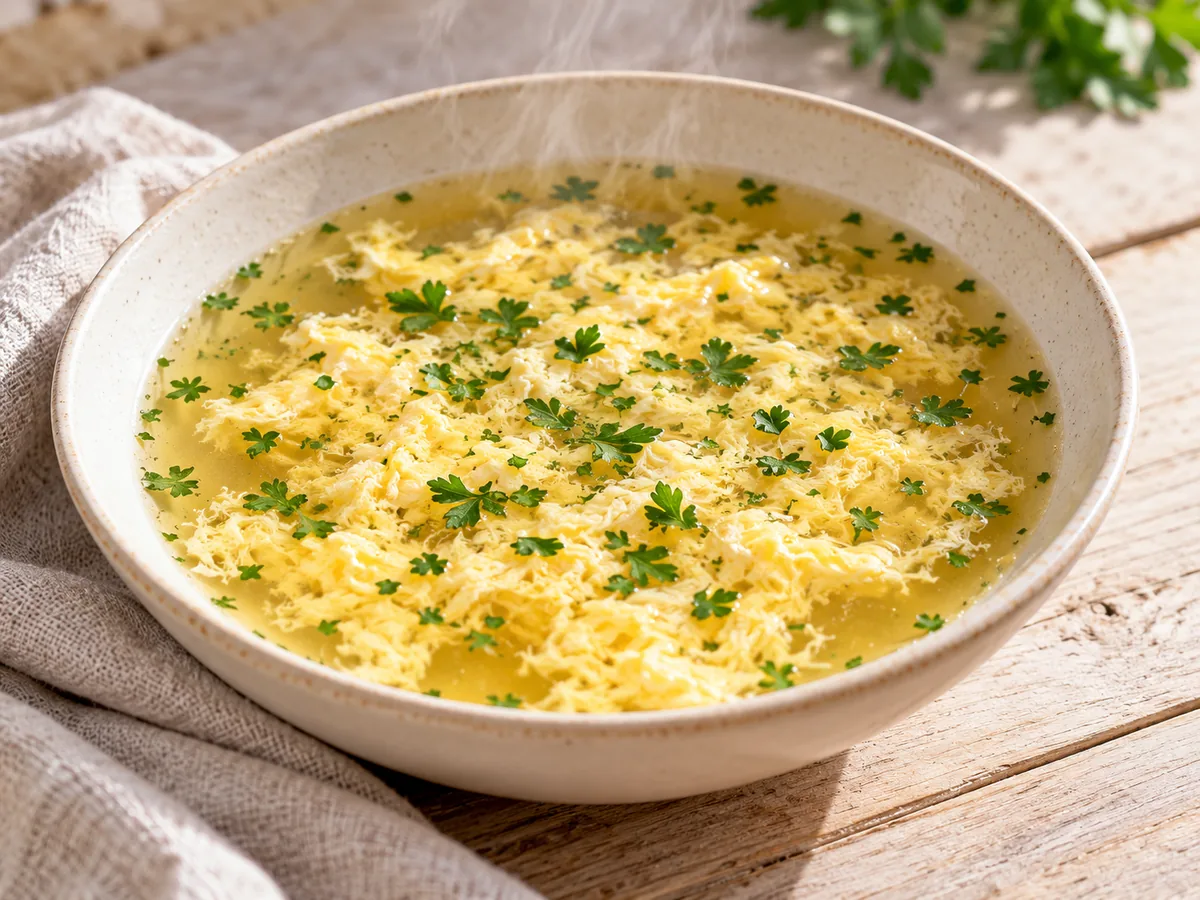
 AI-generated
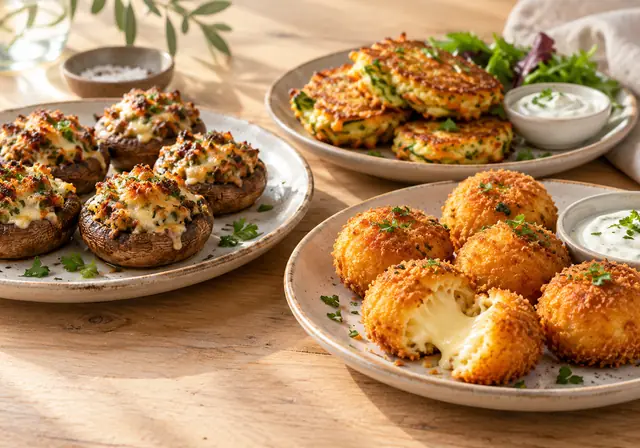
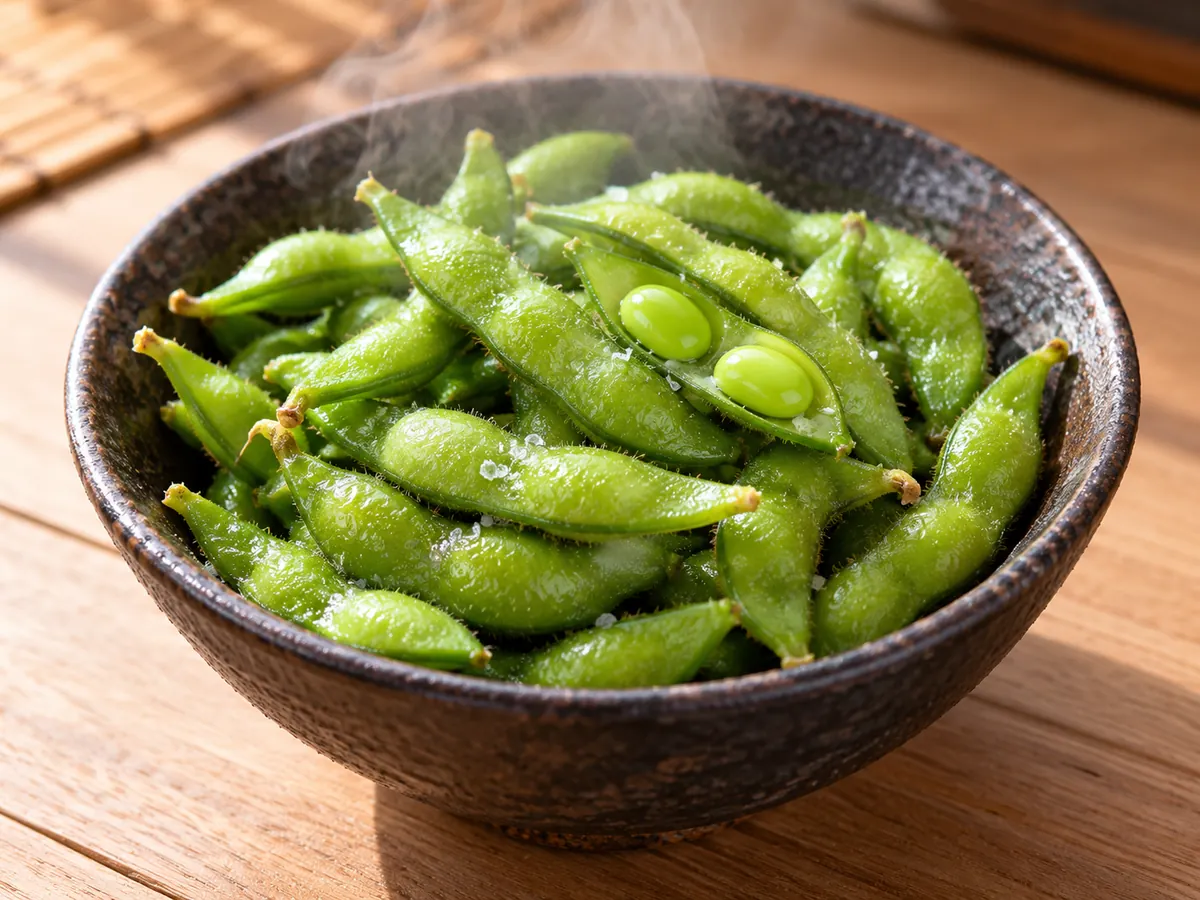
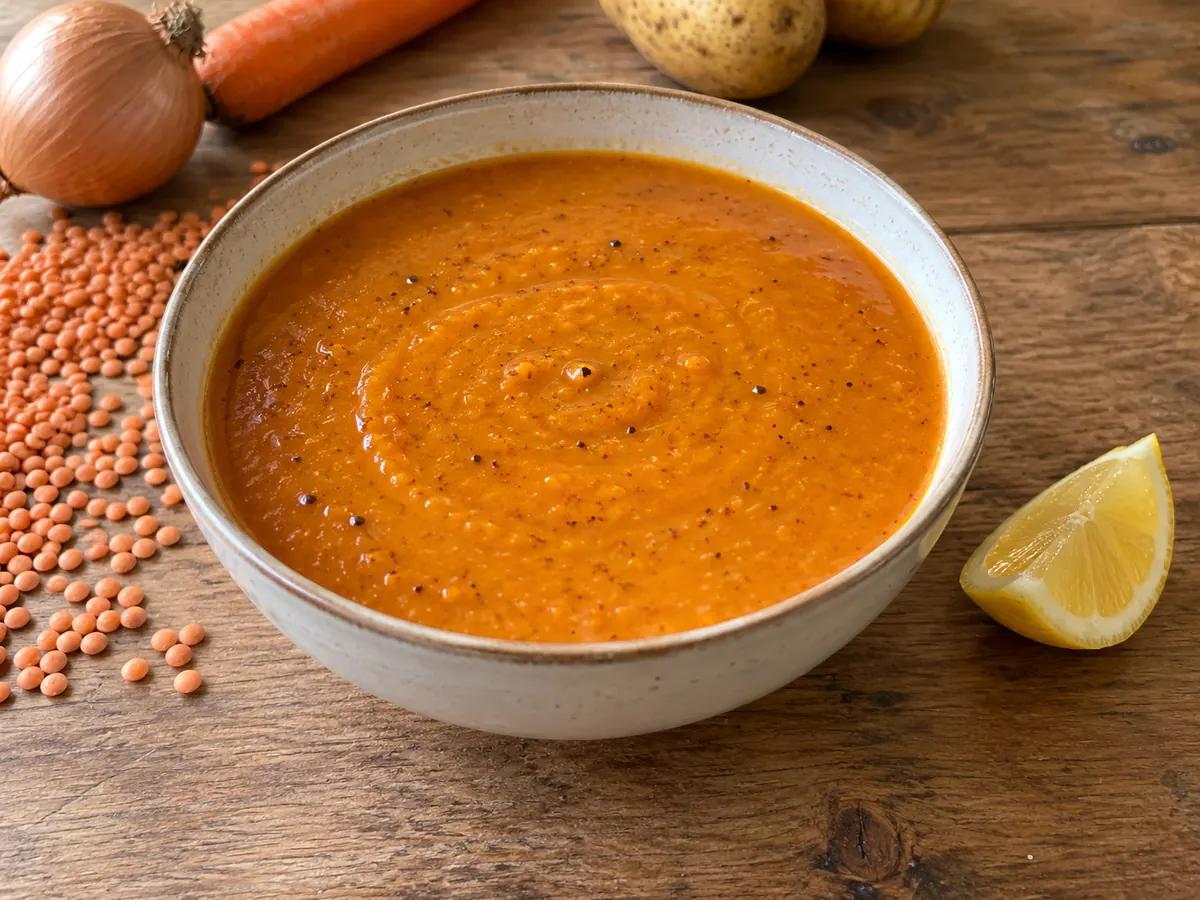
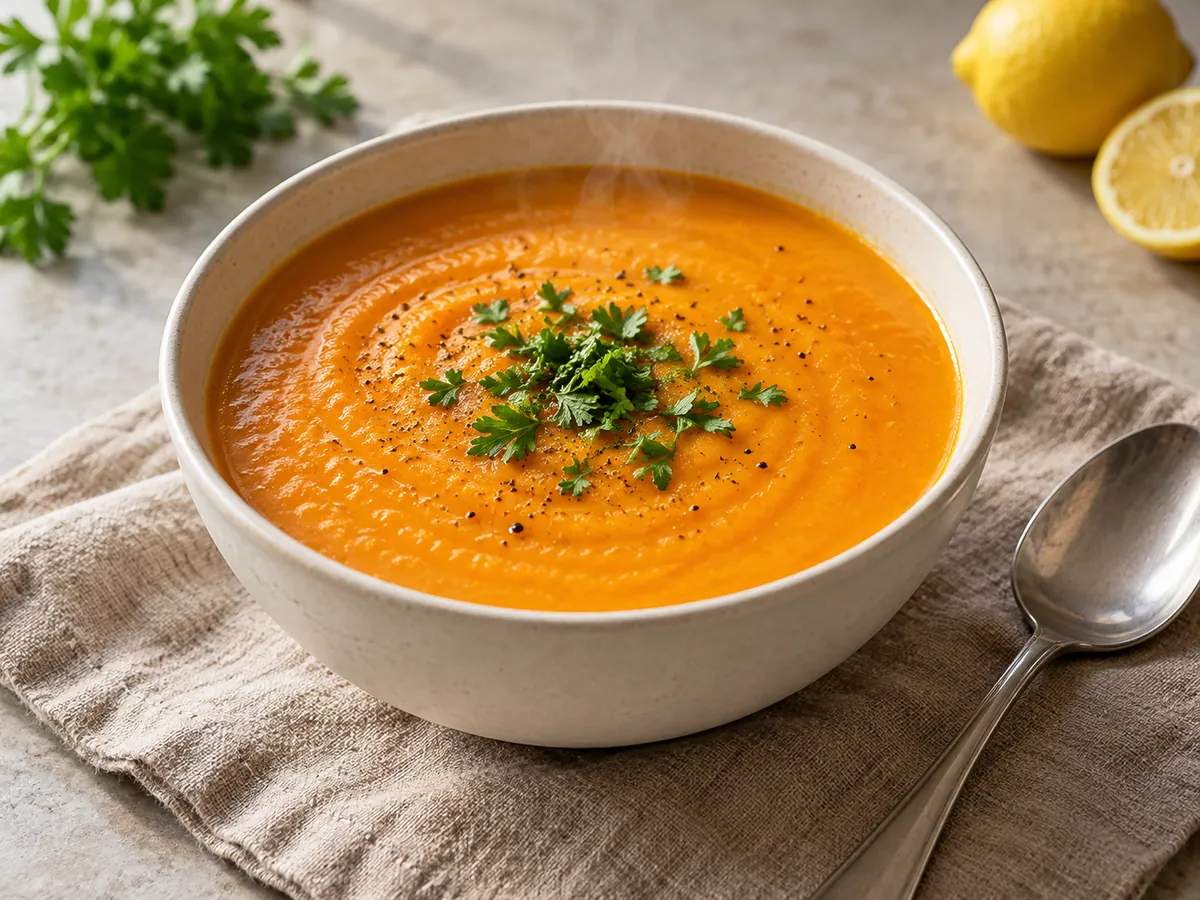

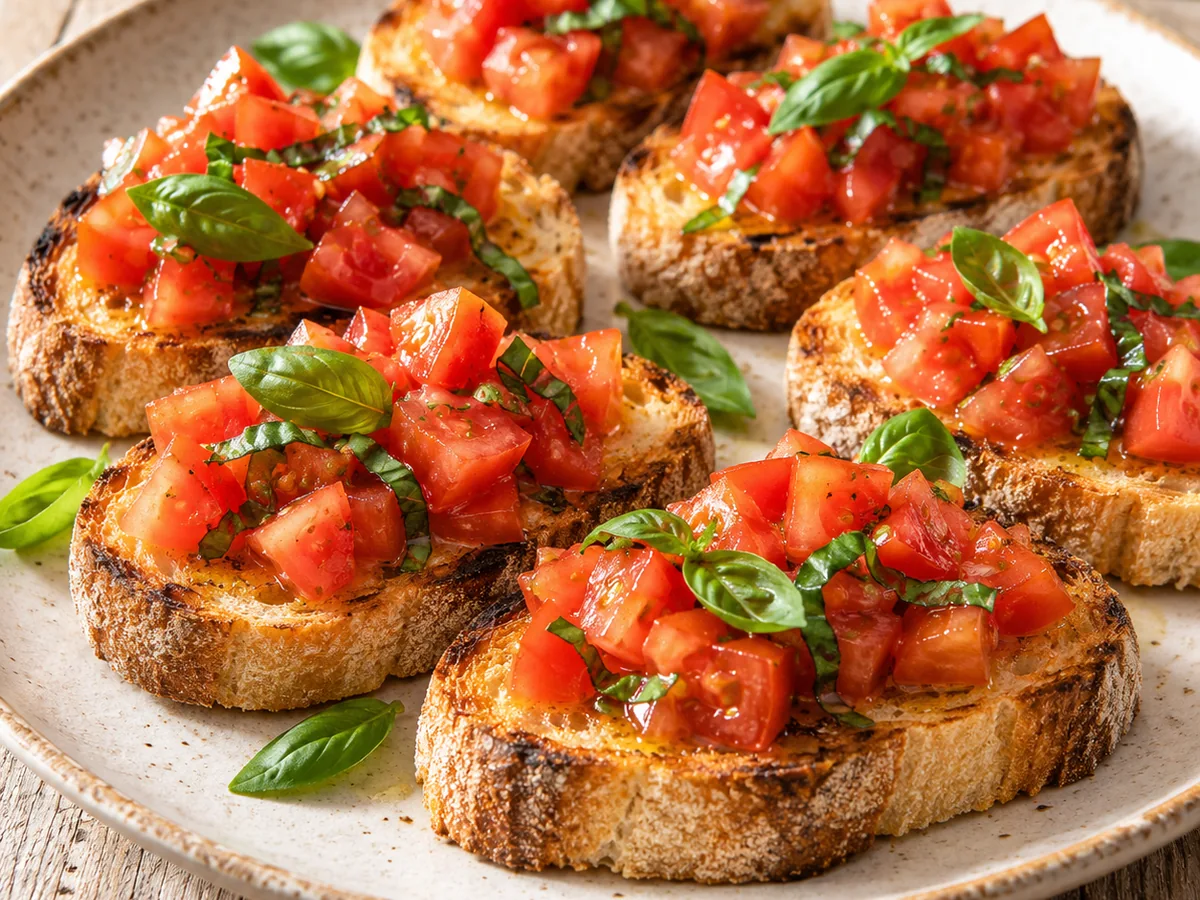
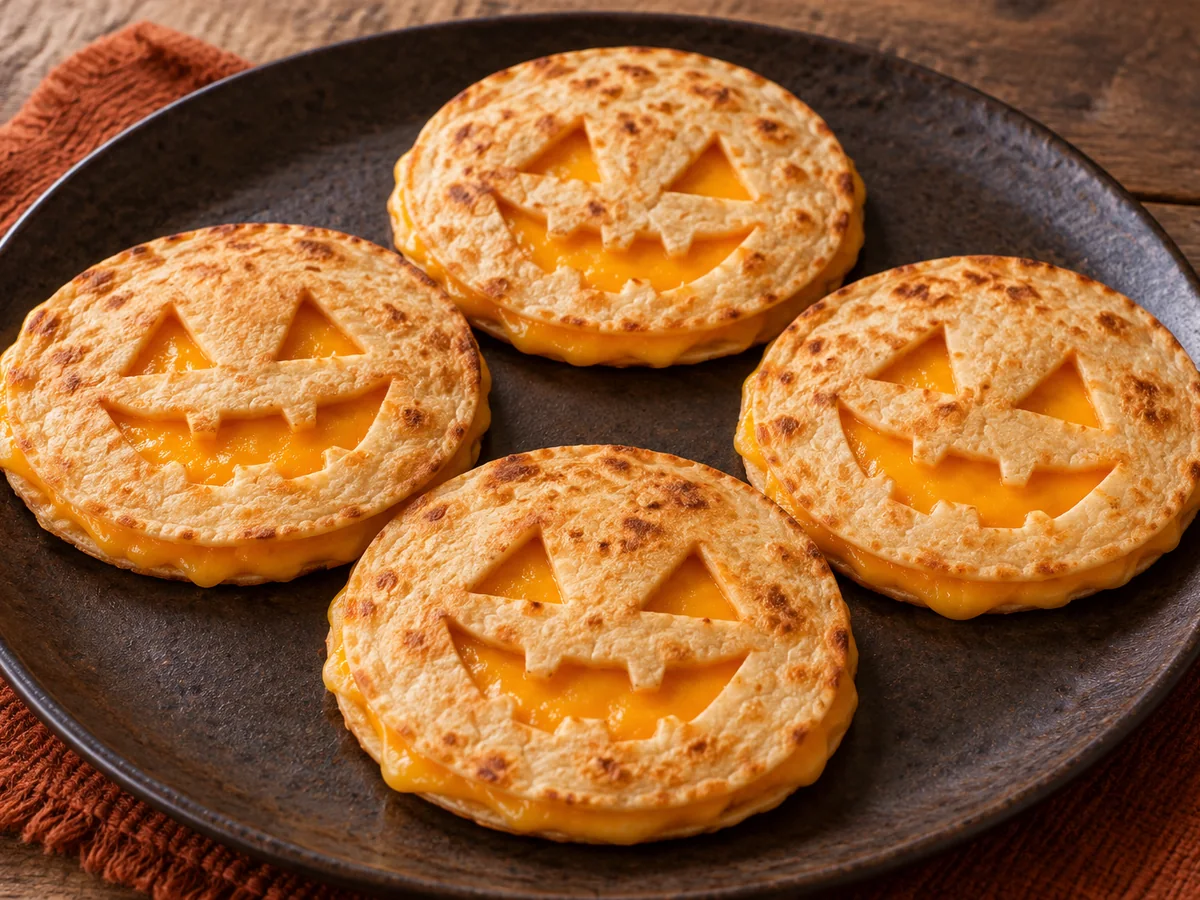
Warm starters
Warm starters give a meal a savoury introduction. Small bowls of soup, garlic mushrooms and vegetable dishes make inviting first courses.
Warm starters can be gently savoury, richly spiced or pleasantly light. Small servings lead into a main course or make up a shared spread.
Warm starters can introduce a meal gently
A warm starter creates a different first impression from a chilled salad or cold small plate. It may be savoury, soft, crisp or aromatic, and it need not be particularly heavy. The purpose is often to introduce the meal without competing with the main course. A modest warm bite can feel comforting at a winter gathering, but warm starters are not limited to one season. When browsing, think about the temperature, flavour intensity and portion you want before the next course. That makes the choice part of a coherent menu rather than an isolated dish.
Consider the flavours of the following course
A starter should relate sensibly to what comes next. If the main course is richly seasoned, a gentler opening can provide contrast. For a more restrained main, a slightly more aromatic starter may be appealing. Texture matters as well: a soft first course followed by another very soft dish can feel repetitive, while a crisp element introduces variety. This does not require elaborate rules. The goal is a progression that suits the people eating and leaves room for the rest of the meal. A warm starter can be simple and still have a distinct character.
Small hot dishes for sharing
Warm starters can be served as individual first courses or as part of a shared selection of small plates. The setting affects portions and how many choices are needed. At a family gathering, one familiar savoury option may be enough; for a special event, guests might appreciate contrasting flavours. Dietary information should remain clear, because small warm dishes can contain eggs, dairy, wheat, meat or other ingredients. An appealing aroma and a vegetable garnish say little about the complete composition. Accuracy matters when making choices for people with allergies or specific dietary requirements.
When does a warm starter fit best?
Consider the occasion, number of courses and time of year, but do not treat any of these as fixed rules. A warm starter may be especially welcome when you want a comforting beginning, yet lighter varieties can suit a broad range of meals. Think about whether it will be a small prelude or one of several shared dishes. Portion size and the main course are the most useful guides. Choosing a starter for its own flavour while keeping the whole menu in mind leads to a more enjoyable dining experience than simply selecting the richest available option.
Warm does not automatically mean heavy
It is a mistake to assume that every warm starter is rich or difficult to fit into a meal. Some feature vegetables or light savoury components, while others are more substantial. Temperature, seasoning and texture are separate characteristics. A small warm plate can feel fresh or delicate, just as a cold starter can be creamy and rich. The complete ingredients also determine dietary suitability. By comparing flavour intensity, serving size and the foods that follow, you can find warm starters that suit both informal family dinners and more structured celebrations.
Explore all recipes
ⓘ Ratings come exclusively from approved community contributions.