

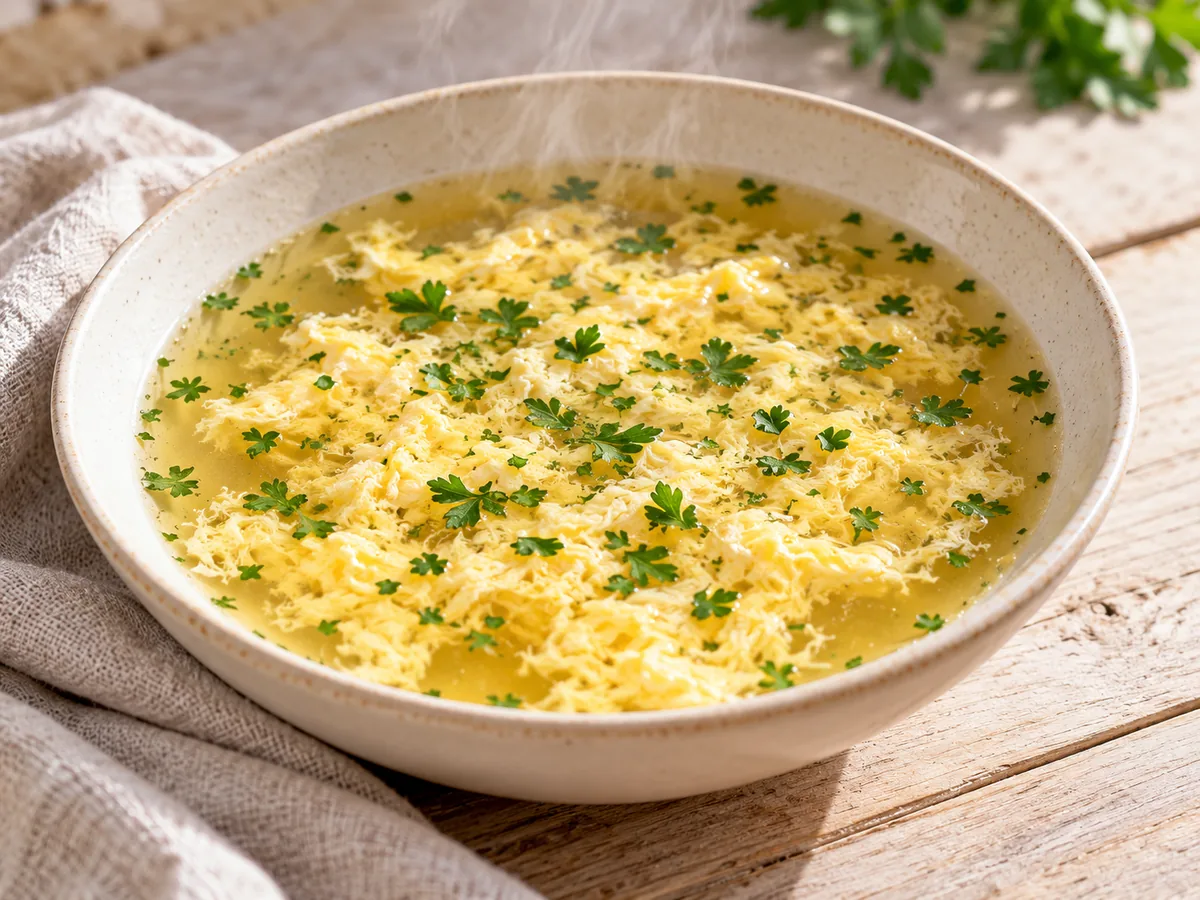
 AI-generated
 AI-generated
Easter
Easter is a time for family breakfasts, brunches and festive meals.
Egg dishes, baking and lighter spring favourites suit the occasion.
Easter food is shaped by local customs
Easter is celebrated in different ways across Christian communities and families, and associated food traditions vary by region. Some gatherings include a special breakfast or brunch; others centre on a shared lunch, baked sweets or a larger family meal. Not everyone observes Easter religiously, and households may also use the holiday as an opportunity to meet. A good menu begins with the people and the occasion rather than a single idea of traditional Easter food. Specific local customs are more informative than broad claims about what everyone eats.
Spring ingredients may inspire the menu
In many northern-hemisphere regions, Easter falls during spring, when fresh greens and lighter flavours may be appealing. But the timing of harvests varies, and Easter occurs in autumn in the southern hemisphere. Seasonal inspiration should reflect local availability rather than an assumed international calendar. A rich main dish can be balanced with fresh vegetables, while a lighter meal may make room for more substantial baked goods or dessert. Choose foods that suit the climate, guest preferences and the structure of the gathering.
From breakfast table to family dinner
A small Easter breakfast, a leisurely brunch and a formal lunch have different portion needs. A morning gathering might combine breads, fruit, savoury dishes and sweets, whereas a later meal may have a clear main course and accompaniments. Not all of these elements are necessary at once. Consider whether guests will sit together or help themselves over several hours. The most useful selection offers a sense of occasion without making the table unnecessarily crowded or difficult to manage.
Respect dietary needs and traditions
Personal and religious food practices can influence what is appropriate during Easter, including choices related to meat and other animal products. These practices are not identical across denominations or households. Vegetarian and vegan requirements should be checked separately, as should allergies and intolerances. Eggs, wheat, dairy and nuts may appear in festive baking even when they are not visible. Ask guests about restrictions and assess the actual ingredients, rather than assuming a food is suitable because it is associated with a holiday.
Celebrate without a fixed holiday formula
Some households value familiar foods passed down through generations, while others prefer a contemporary menu or a relaxed outdoor gathering when weather permits. Both can be meaningful. Easter food may include sweet and savoury traditions, but no single meal captures every region or family's experience. Think about the flavours people enjoy, how much they will eat and whether other activities form part of the day. The category offers ways to shape a festive table while leaving room for individual traditions, beliefs and seasonal circumstances.
Explore all recipes
ⓘ Ratings come exclusively from approved community contributions.