

 AI-generated
 AI-generated
New Year
New Year's celebrations invite festive snacks, a shared meal and fitting drinks.
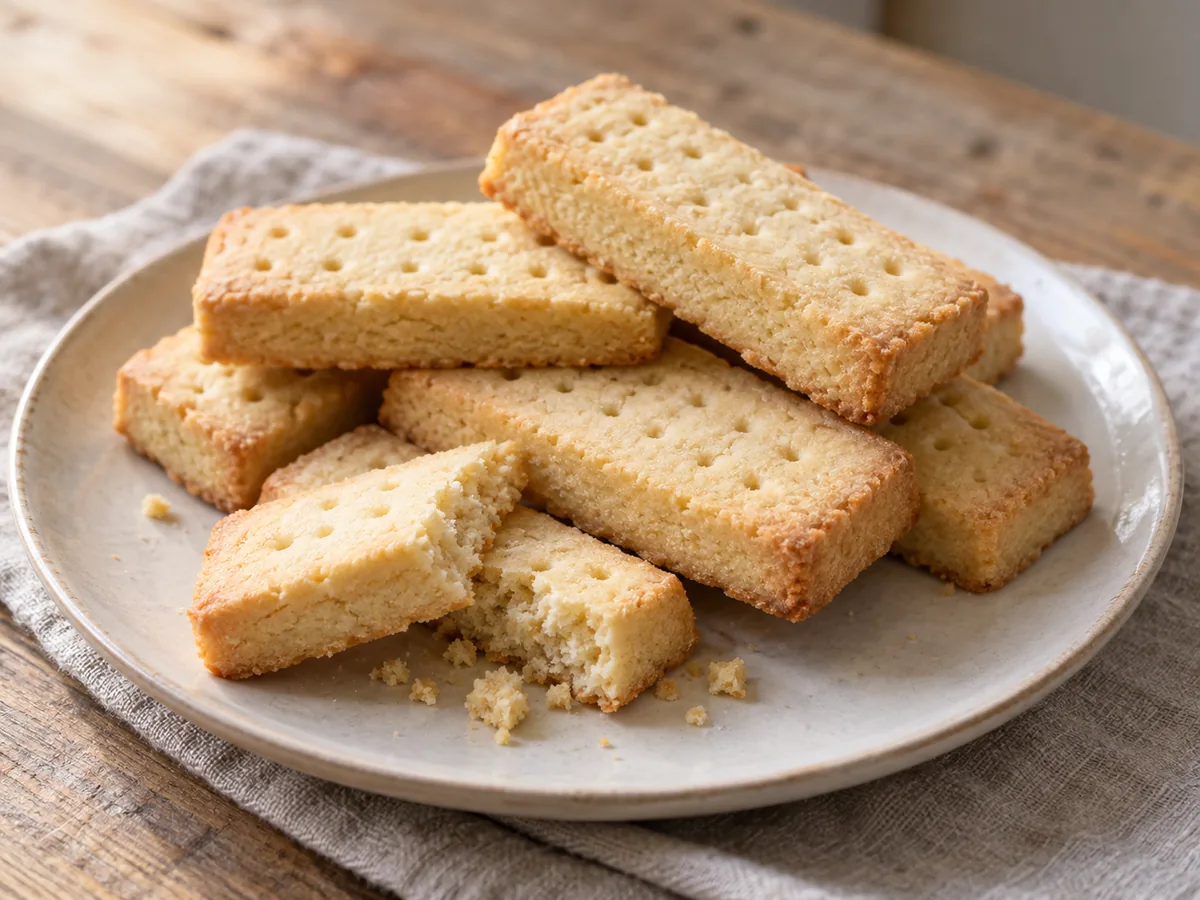
Little bites are ideal for a long evening together.
New Year meals reflect different kinds of celebration
New Year can mean a late-night gathering, an elegant dinner, a family lunch or a quiet moment at home. The food that suits one event may be impractical for another. Some gatherings centre on small savoury bites and drinks; others have a full meal before the countdown. Start with the expected guest numbers, duration and time of day. A menu should work with the celebration rather than forcing everyone into a single dining schedule. What feels festive is determined as much by the people as by the ingredients.
Consider the rhythm of the evening
When guests arrive before midnight and stay into the early hours, different portions may be welcome at different times. A substantial meal early in the evening can reduce the need for a huge buffet later, while a party built around conversation may suit smaller servings. Think about how foods will be offered and how long perishable items can safely remain available. Appropriate temperature control and clear serving plans matter, especially during extended gatherings. Avoid treating everything as safe to leave out simply because the event is festive.
Create variety without overloading the table
New Year food can combine fresh, savoury and sweet flavours, but several very rich dishes may feel repetitive. A modest spread with contrasting textures and ingredients can offer more interest than an oversized selection. Consider whether the food is intended to accompany drinks or replace an evening meal. Where different ages and appetites are represented, portions should be adaptable. Suitable non-alcoholic drinks also deserve consideration. Festive presentation can add atmosphere, but it does not compensate for food that guests do not actually want to eat.
Traditions around the world are diverse
Foods associated with luck, prosperity and new beginnings vary across cultures. No single ingredient or dish represents all New Year celebrations, and calendars and religious traditions do not always share the same date. Descriptions should identify specific customs rather than presenting them as universal. A household may choose to honour its own traditions or explore a different flavour direction for the occasion. Modern party foods can also be appropriate without pretending to have a historical significance they do not possess.
Make the gathering welcoming
Some guests may avoid alcohol, meat, gluten, milk or other ingredients. An appealing party menu offers choices that reflect actual needs rather than assumptions. Check complete recipes, including dressings and fillings, when allergies or restrictions are relevant. At a late event, clear descriptions help guests choose even when many different small dishes are available. The right New Year meal is one that supports a comfortable celebration, whether the atmosphere is lively and social or deliberately calm and reflective.
Explore all recipes
ⓘ Ratings come exclusively from approved community contributions.