

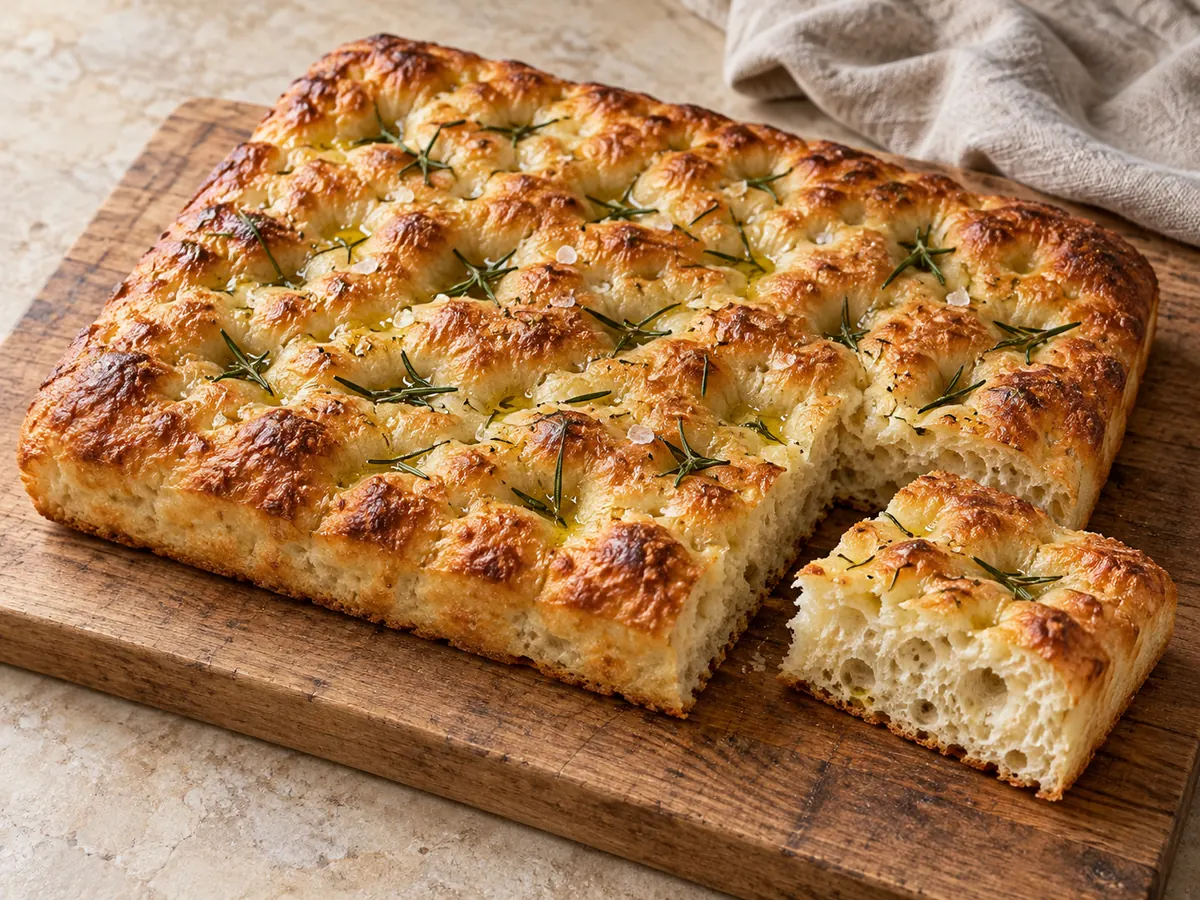
 AI-generated
Bread
Bread is one of the most versatile foods, from a hearty loaf at supper to soft slices for breakfast. Different grains and regional traditions make each bread special.
Enjoy bread with spreads, soups or savoury dishes. Sometimes a warm slice and a little butter are all a meal needs.
Bread belongs to many food traditions
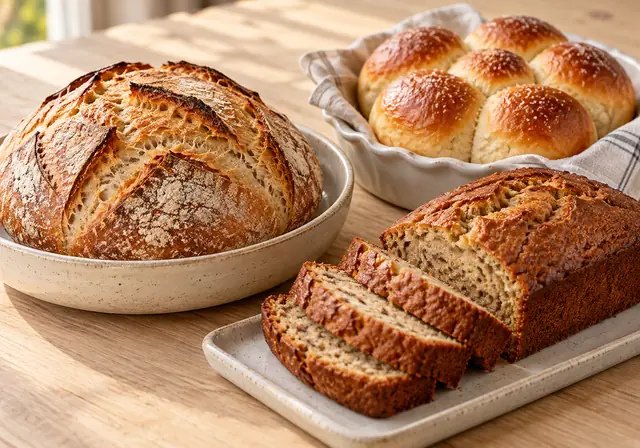
Bread is part of everyday eating in numerous cultures, but the word describes far more than one familiar loaf. Pale, mild breads differ markedly from darker, more strongly flavoured varieties, and regional preferences influence shape, texture and the grains used. A crusty loaf can be a substantial feature of a shared meal, while a softer bread may provide a gentle accompaniment. There is no single ideal bread for every occasion. Start with the role it will have at breakfast, lunch or dinner and then explore the aroma, crumb and crust you enjoy.
Grains shape crumb, crust and flavour
Wheat, rye and blends of grains can bring noticeably different characteristics to bread. Some loaves have an open, soft crumb, while others are more compact; a crisp crust creates another kind of eating experience. Seeds, nuts and spices may add flavour and a firmer bite. Wholegrain describes the use of the whole grain rather than simply a dark colour. Likewise, a loaf coated in seeds is not necessarily made primarily from wholegrain flour. If the composition matters to you, look beyond the surface and read the actual ingredient information, including whether the bread contains wheat, rye or other grains.
Bread can accompany or anchor a meal
Bread can support a bowl of soup, a salad, a breakfast spread or an evening meal. Its flavour should make sense alongside the foods being served. A particularly hearty loaf may add character to a simple plate, whereas a mild bread can allow spreads and other ingredients to shine. Serving several similar loaves does not automatically create variety; contrasting flavours and textures may be more interesting. For anyone with coeliac disease, ordinary wheat, rye and spelt breads are not suitable, and even naturally gluten-free ingredients require attention to contamination and accurate labelling.
How should you choose a loaf?
Think first about where the bread will appear. Is it a main part of a shared breakfast, an accompaniment for lunch or something to enjoy with a savoury evening spread? Next consider whether you prefer a soft bite, pronounced crust, grainy texture or fuller flavour. Portion size and the people at the table also matter. Bread traditions offer considerable room for exploring new grains and regional styles without requiring every loaf to fit a single customary meal. The useful details are in its real composition, rather than in attractive but vague descriptions.
Wholegrain, multigrain and seeded are not synonyms
Wholegrain refers to the grain components used in flour, while multigrain simply indicates more than one type of grain. A multigrain loaf is not automatically wholegrain, and visible seeds cannot establish how much wholegrain flour it contains. Nor does the colour of the bread reveal its precise composition. Sourdough refers to a fermentation tradition and does not, on its own, make a wheat or rye loaf gluten-free. These differences matter both for taste and for people who must check particular ingredients. A reliable ingredient list and appropriate labelling are better guides than marketing language or the loaf's appearance.
Explore all recipes
ⓘ Ratings come exclusively from approved community contributions.