

 AI-generated
 AI-generated
Cakes
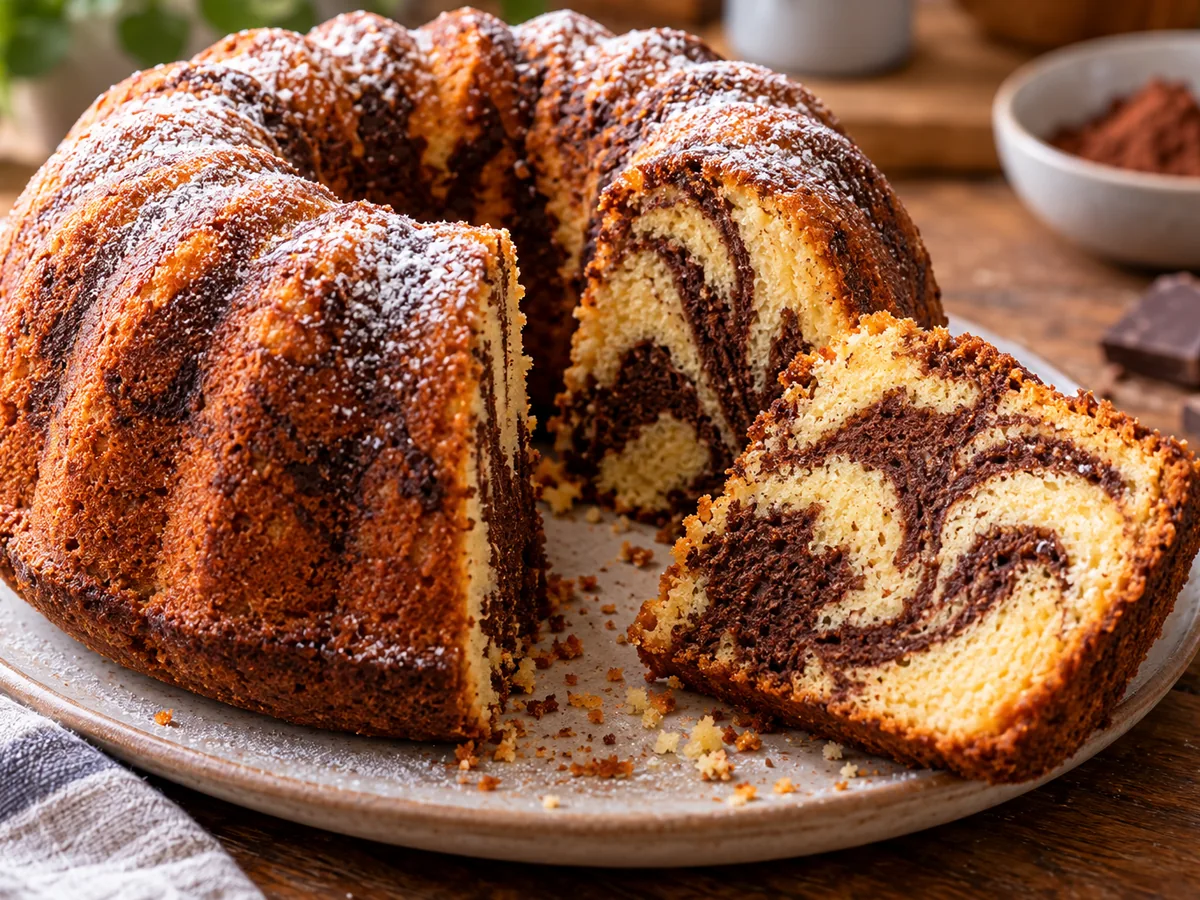
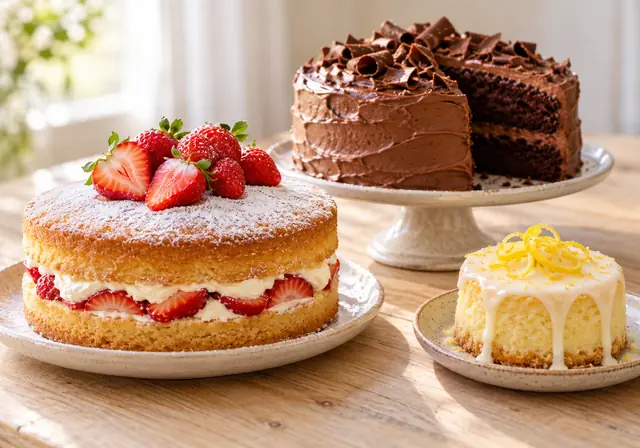
Cakes belong at birthdays, Sunday gatherings and coffee breaks. Fruit cakes, simple sponges and chocolate favourites give everyone something to look forward to.
A modest cake can be just right for an ordinary afternoon; another may be the centrepiece when friends visit. Fruits and flavours make each one different.
Cakes for everyday treats and celebrations
Cakes have a place at many different tables. A simple, gently sweet bake can accompany an unplanned coffee break, while a larger, more elaborate cake may become a centrepiece for a birthday or other gathering. Some cakes are light and airy; others are dense, moist or deliberately rich. None of these styles is universally better. Consider the atmosphere you want to create, the number of people eating and whether cake will be a small addition or the main sweet attraction. Choosing by occasion and flavour is more useful than assuming every cake should look festive or taste especially sweet.
Fruit, chocolate and nuts offer distinct flavours
Fruit can bring freshness and a pleasant tart contrast to a sweet cake. Chocolate often gives a deeper and more intense impression, while nuts may add their own flavour and texture. Vanilla, spices and citrus can make even a restrained cake distinctive. These are different approaches rather than ingredients that must all appear together. If several cakes will be served, select contrasting flavours instead of multiple versions that taste almost alike. Seasonal fruit may provide inspiration, but a cake does not have to be restricted to a particular month simply because its flavours are associated with one season.
Size and serving style matter
A cake for two or three people is a different proposition from one intended for a large party. Portion size should reflect the rest of the food and how many sweet choices are available. Smaller slices can be appealing at a buffet, where guests may want to sample several styles; a generous single cake may suit a familiar family afternoon. Think about how the cake will be shared and whether its texture suits the setting. When allergies are relevant, the complete ingredients need to be checked, because eggs, wheat, milk and nuts can be present even in a cake that looks quite plain.
Find a cake to suit your taste
Start with the kind of flavour you want: fresh and fruity, deeply chocolatey, nutty, lightly spiced or quietly sweet. Next consider whether you prefer a soft crumb, a firmer bite or a particularly moist texture. The occasion will help refine the decision. A small afternoon treat can be just as welcome as an impressive cake for guests, and neither must follow a rigid tradition. Look at the actual ingredients and serving information before choosing. A category heading alone cannot tell you everything about sweetness, portion size or dietary suitability.
Understand the difference between cakes and tortes
In many European baking traditions, a cake typically places more emphasis on the baked crumb, while a torte is more likely to include pronounced layers or fillings. The boundary is not strict, and language and regional customs influence how the terms are used. A simple cake can still be rich, and a layered creation need not be overwhelmingly sweet. If planning several desserts, combine different textures and intensities rather than relying only on appearances. Whichever label is used, the filling, topping and base together determine the real character of the food.
Explore all recipes
ⓘ Ratings come exclusively from approved community contributions.