

 AI-generated
 AI-generated
Bread rolls
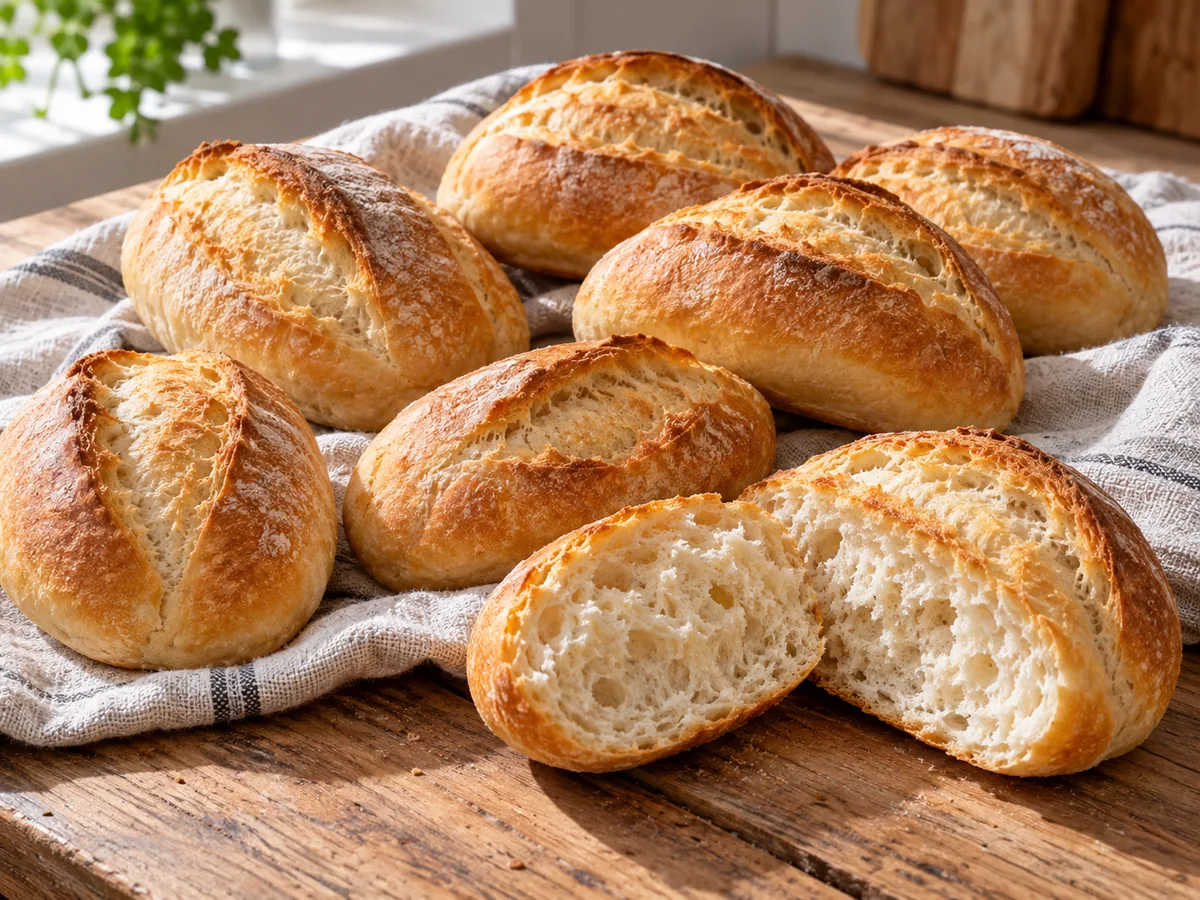
Bread rolls are favourites at breakfast and brunch. Some have a crisp crust, while others are soft and fluffy or packed with grains.
With jam, cheese, vegetables or a savoury filling, a simple roll becomes something different every day.
Bread rolls for breakfast and small meals
Bread rolls are convenient individual baked goods associated with breakfast, packed meals and simple snacks. Their variety ranges from soft and mild varieties to crustier, grainier or seed-covered forms. A roll is not always merely a miniature loaf: its crust, crumb and proportion of toppings can make the eating experience quite distinctive. For a shared breakfast, a mixture of textures may provide welcome variety. Rolls can also accompany soup or other meals, but the best choice depends on what else is on the table and how filling the overall meal should be.
From mild and soft to hearty and crisp
A pale, mild roll often works with both sweet and savoury spreads, while a wholegrain or seeded version may offer more pronounced grain flavours. A crisp exterior contrasts with a soft inner crumb, creating a different bite from an entirely soft roll. Neither style is appropriate for every person or occasion. Consider whether the filling or spread should dominate or whether the bread itself can bring character. The ingredients are also important: different grains, nuts and seeds may affect allergen suitability, and the appearance does not reliably reveal everything a roll contains.
Plan variety for a breakfast table
For a family breakfast or brunch, rolls with different textures and flavours can serve contrasting preferences. Some guests may prefer a delicate roll with fruit preserves, while others favour heartier bread alongside savoury foods. A mixture of styles can be inviting without requiring an excessive quantity. If special dietary needs are involved, read ingredient lists and pay attention to possible cross-contact. A dark or seeded roll does not automatically meet a wholegrain requirement, and a roll described as rustic is not necessarily gluten-free. Useful choices are based on composition rather than appearance.
Which roll suits your meal?
Start by considering texture: do you want a crisp crust, a very soft bite or a more substantial grainy crumb? Then think about the foods that will accompany it. A mild roll can complement several different spreads, while a strongly flavoured one may stand on its own. Portion size, number of guests and the time of day help narrow the choice. Rolls are flexible enough for a relaxed weekend brunch or a quick bite away from home. Browse by how they taste and feel rather than assuming the shape alone tells you what to expect.
Regional names and ingredients vary
Bread rolls have many names across Germany, Austria and other regions, and local practices are not entirely uniform. A familiar name may describe slightly different ingredients or textures from one place to another. That makes the kind of grain, the presence of seeds and the relationship between crust and crumb more informative than the name alone. For gatherings, it may help to offer both mild and stronger flavours. If allergies or intolerances must be considered, verify the actual ingredients instead of relying on a regional label or the appearance of a particular roll.
Explore all recipes
ⓘ Ratings come exclusively from approved community contributions.