

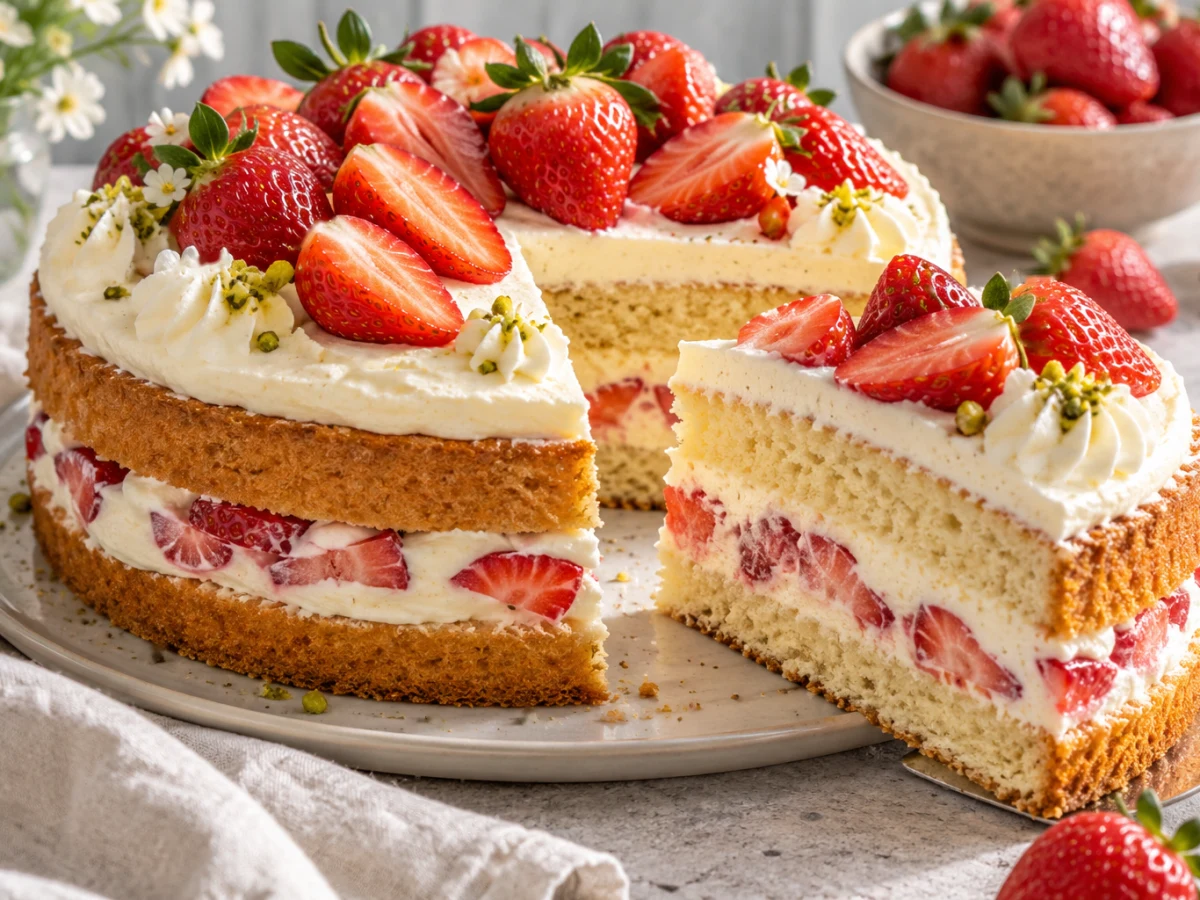
 AI-generated
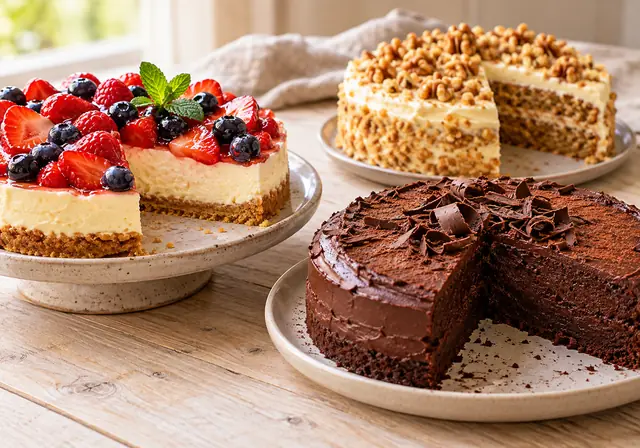 AI-generated
Layer cakes & tortes
Layer cakes and tortes turn a sweet treat into a celebration centrepiece. Sponge layers, creamy fillings, fruit and chocolate create impressive desserts.
For birthdays, anniversaries and family occasions, a torte can be the star of the table. Some are rich and chocolaty, others light and fruity.
Layered tortes as celebration centrepieces
A torte can play an important part in a celebration because it is designed to be shared and often draws attention at the table. Many tortes feature a combination of cake layers, creams, fruit or chocolate, although their exact structure differs across traditions. The appearance matters, but it should never be the only reason for choosing one. A smaller, understated torte may be more appropriate for a family gathering than a towering dessert. Think about the guests, the occasion and whether the torte will follow a full meal or take centre stage at an afternoon party.
Fillings define flavour and texture
The filling often has as much influence on a torte as its exterior. Fruit can add brightness, cream may bring a soft and rich texture, and chocolate or nuts can make the flavour more intense. The cake layers themselves might feel airy, moist or comparatively firm. Together, those choices determine how substantial each slice seems. If the meal beforehand is already rich, a smaller portion or fresher flavour can be appealing. For people who enjoy strong chocolate flavours, a fuller-bodied torte may be the main attraction. There is room for both approaches without treating one as superior.
Choose thoughtfully for your guests
When ordering or selecting a torte for a group, the number of portions is an obvious starting point, but guest preferences deserve equal attention. Not everyone likes very sweet creams, chocolate or nuts. An alternative dessert can be helpful when a gathering includes contrasting tastes or dietary needs. Allergens may occur in the sponge, filling, cream or decoration, and they cannot always be identified from the outside. Check the full ingredient list rather than assuming that a fruit-based appearance means a torte is free from milk, eggs, gluten or nuts. Clear information makes serving a shared dessert easier.
Which torte fits your event?
Begin with the atmosphere of the occasion. A relaxed coffee gathering may call for a different balance of sweetness and richness from a formal dinner or birthday celebration. Then consider fruit versus chocolate, light versus creamy textures and how large a slice each guest might want. A decorative design can be enjoyable, but it need not dictate the flavour. The best match is one that people will be pleased to eat, not simply one that photographs impressively. Looking at the filling and the base is the quickest way to assess a torte's overall character.
Balance appearance with genuine enjoyment
Tortes are sometimes chosen primarily for their visual impact, yet their actual appeal rests on their combination of flavour, texture and portions. A high layer of cream can feel indulgent, whereas a sharper fruit component may create a lighter impression. Different families and regions have their own celebration traditions, and none should be presented as the only authentic approach. For a larger gathering, consider whether very sweet and strongly flavoured choices will suit everyone. A modest but carefully chosen torte can create the same sense of occasion as a dramatic one, especially when it fits the people sharing it.
Explore all recipes
ⓘ Ratings come exclusively from approved community contributions.