

 AI-generated
Christmas
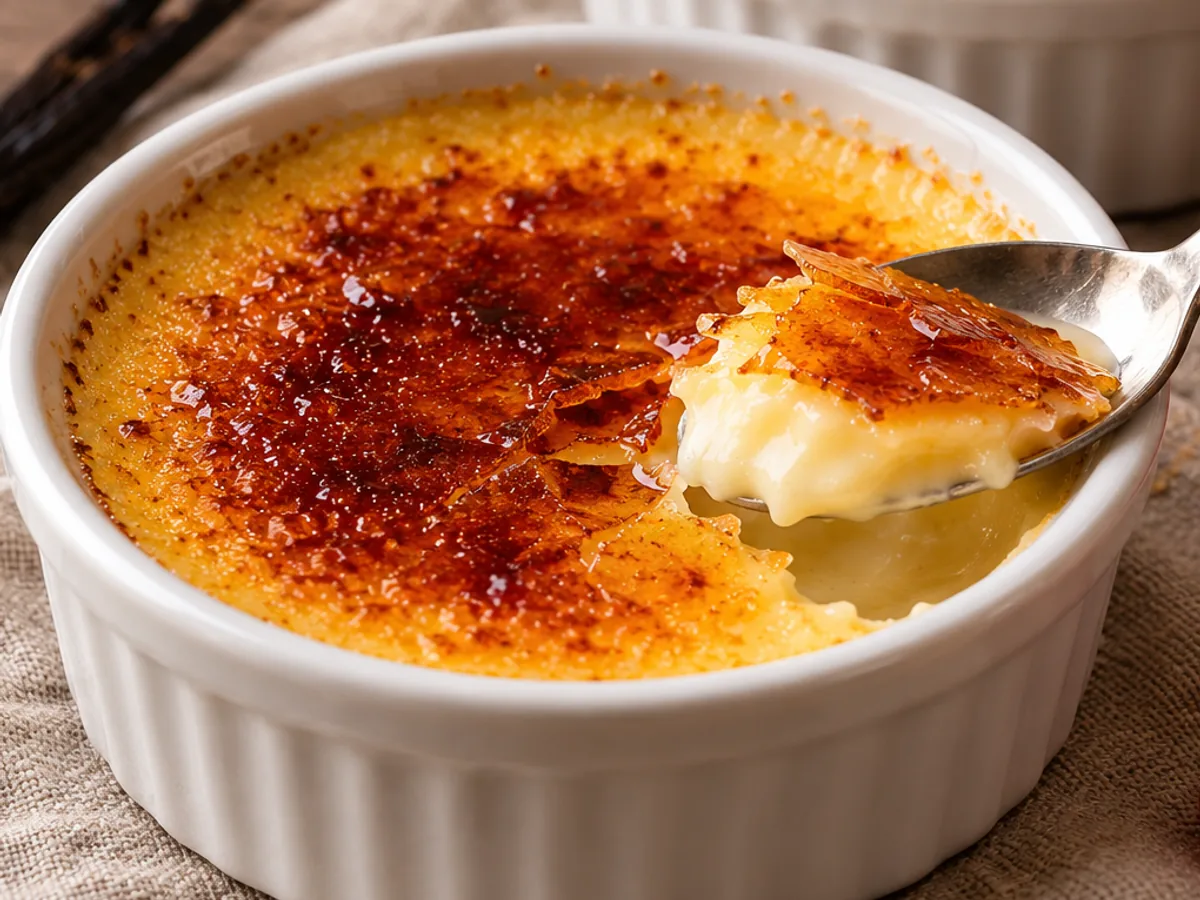
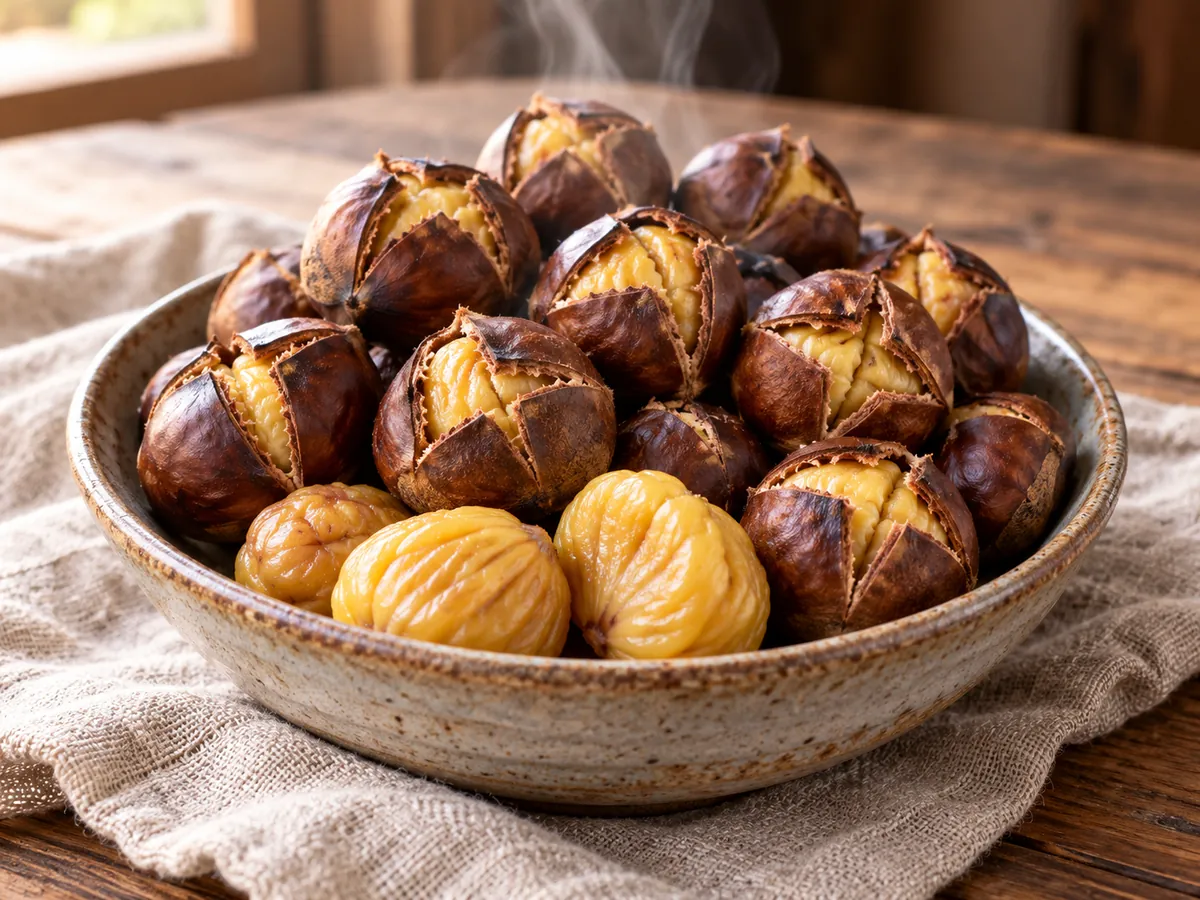
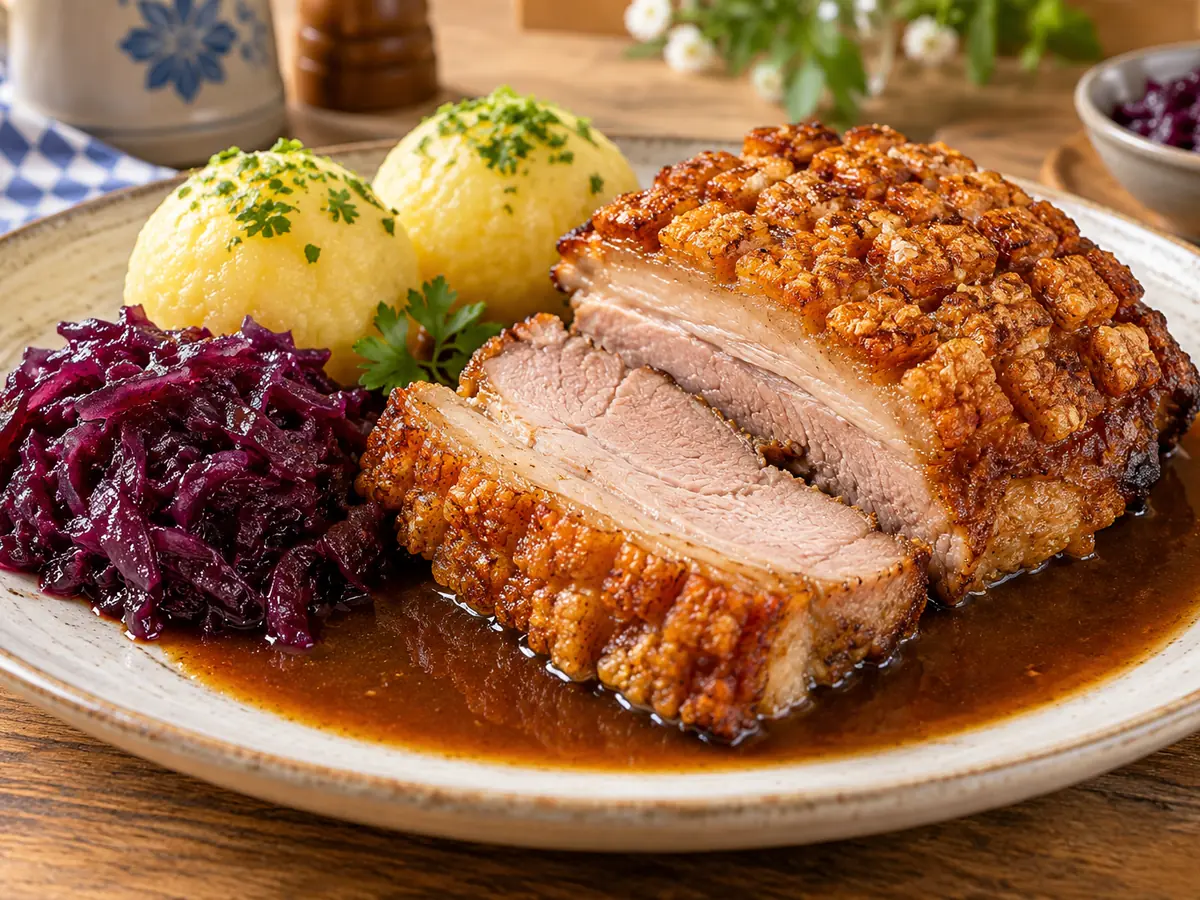
Christmas meals often bring together festive mains, traditional sides, baking and desserts.
Familiar family recipes make the occasion special.
Christmas tables vary across families and regions
Christmas food is closely associated with family memories and regional customs, but the holiday does not have a single international menu. Some households gather around a substantial savoury meal; others share several smaller courses or emphasise baked sweets. Traditions also differ by country, religion, climate and individual family history. Rather than selecting foods solely because they are described as festive, think about what the celebration means to the people present. Familiar flavours may be important, while a new interpretation can fit naturally when everyone welcomes it.
Plan a meal that makes sense together
A Christmas table may include a centrepiece, several accompaniments and a sweet finish, but more dishes do not automatically make the occasion better. Rich mains can benefit from fresh vegetables or lighter sides, while simpler dishes may leave room for a more substantial dessert. Consider how portions relate to guest numbers and whether the food will be served together or over several stages. A varied menu should offer meaningful contrasts in texture and flavour rather than several closely related dishes that compete for attention.
Seasonal associations depend on location
Christmas takes place in winter in much of Europe and North America but in summer in the southern hemisphere. Heavy warming food is therefore not a universal requirement. Local produce, family habits and the weather can shape the menu. Spices, dried fruits, nuts and baked goods may evoke the season for some people, while other families favour fresh or lighter flavours. Describe such traditions with their cultural context instead of treating them as rules. A festive meal should be appropriate to where and how it is actually being enjoyed.
Include different guests at the table
A large family gathering may include people with vegetarian or vegan preferences, allergies or medically relevant dietary restrictions. A side dish is not automatically vegetarian if its stock contains meat, and a dessert without visible nuts may still contain them. Ask about requirements and check the ingredients of every relevant component, including sauces and toppings. Shared serving utensils can also create cross-contact concerns. Thoughtful alternatives should feel like part of the festive meal, allowing guests to participate without being limited to a token plate.
Keep room for personal tradition
An elaborate holiday feast is not the only meaningful way to celebrate. A quiet meal for two, a gathering with friends or a family table with familiar dishes may be equally important. Recipes and serving customs often change over generations, reflecting migration and new household preferences. That evolution need not diminish their significance. Choose an achievable combination of foods that your guests will enjoy, and allow the meal to support conversation and shared time. The category provides festive inspiration without insisting on one definition of Christmas food.
Explore all recipes
ⓘ Ratings come exclusively from approved community contributions.