

 AI-generated



American
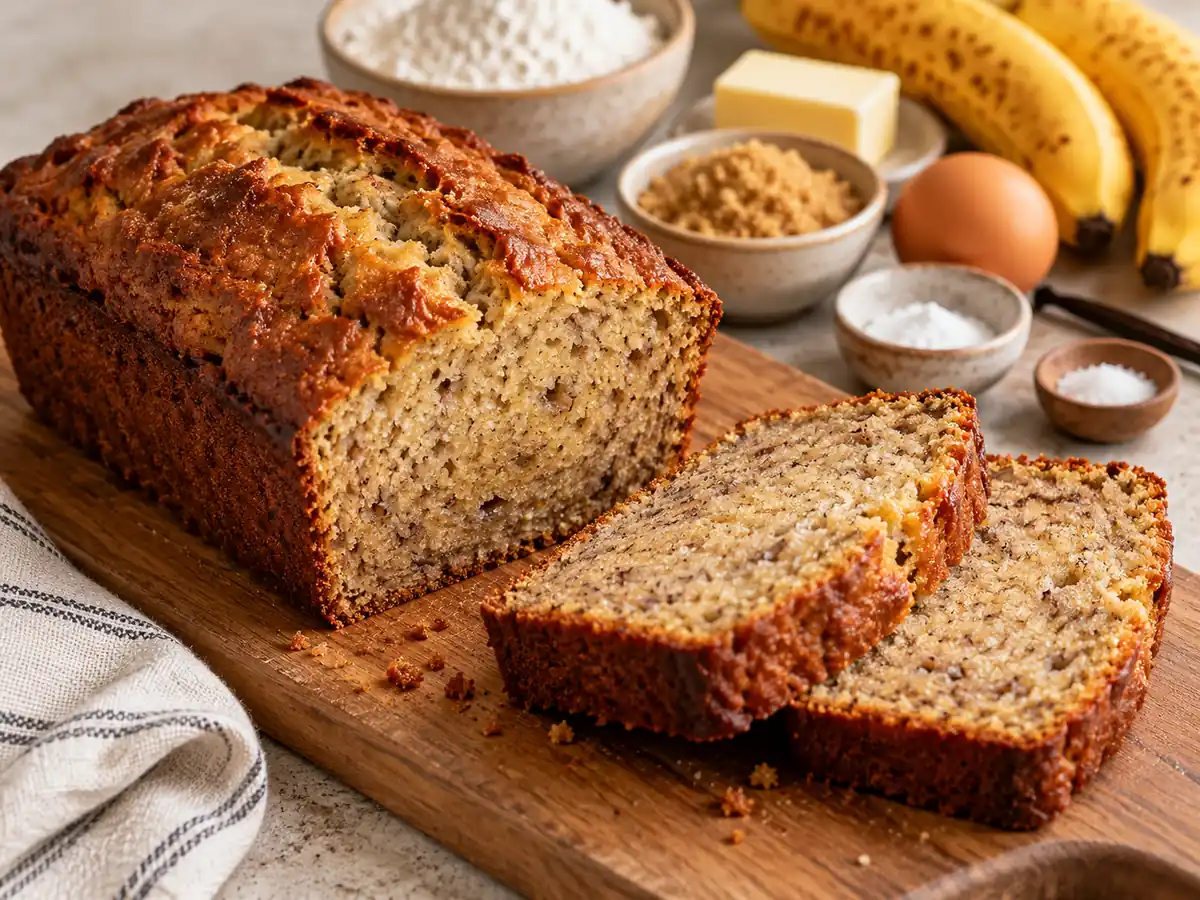
American food includes barbecue, hearty meals, pancakes and sweet baking.
Its diverse regional traditions bring different favourites to the table.
American food has many regional identities
Food in the United States reflects regional landscapes, migration, Indigenous traditions and long histories of cultural exchange. There is no single American cuisine that every household cooks in the same way. Regional barbecue styles, seafood, grains, vegetable dishes, baked goods and family foods all contribute to its variety. Familiar fast-food imagery captures only a small part of the broader picture. When browsing, look at the region and the role of the dish rather than treating American as synonymous with one type of burger or a particular portion size.
Regional ingredients and flavours differ
Coastal and inland regions may emphasize different ingredients, while local agricultural traditions influence grains, beans, vegetables and other staples. Some styles are deeply savoury and smoky; others are lighter, sweeter or inspired by local produce. A broad label such as Southern or American can hide further differences and should be used carefully. Accurate regional context offers a better explanation of what makes a dish distinctive. The country contains many food cultures, including communities whose contributions are sometimes overlooked by simplified national descriptions.
Everyday meals and home baking
American food culture includes ordinary family dinners, breakfasts, breads, pies and other baking traditions alongside special-event food. A weekday meal may be straightforward and modest, while a holiday spread could combine many dishes. Portion sizes and the choice between sweet and savoury foods vary by context. The cuisine should not be defined only by celebratory richness or restaurant dishes. When selecting a recipe, consider whether you want a comforting main course, a vegetable side or a sweet treat rather than relying on popular cultural stereotypes.
Recognise influences without erasing origins
American cuisines have developed through Indigenous foodways and the contributions of many communities, including African American, Latin American, European and Asian influences. Those histories should not be reduced to a single vague claim of fusion. A dish may have a specific local background, or it may reflect a contemporary adaptation. Clear descriptions help respect those differences. It is better to identify genuine influences where supported than to invent a story of national authenticity. The richness of the category comes from diverse origins rather than one uniform culinary identity.
Choose an American-style menu thoughtfully
Start with whether the meal is a relaxed family dinner, a barbecue, breakfast or a dessert gathering. Then explore flavours such as smoky, tangy, herby, mild or sweet. The other foods being served determine which sides work best. For guests with dietary restrictions, check the complete ingredients: sauces, bread, dairy and meat products can all affect suitability. No cuisine label automatically indicates healthy, unhealthy, vegetarian or gluten-free food. The actual composition and portion sizes matter much more than the national name.
What the label American does not tell you
The word American cannot establish which region a dish represents, how it originated or what ingredients it contains. The United States has multiple distinctive food cultures, and these should not be flattened into one stereotype. Restaurant interpretations may also differ from home cooking and regional practice. When exploring, seek descriptions that identify flavour, ingredients and context. An honestly labelled modern interpretation is preferable to an invented claim of traditional origin. That approach makes American food more interesting while recognising the people and histories behind it.
Explore all recipes
ⓘ Ratings come exclusively from approved community contributions.