

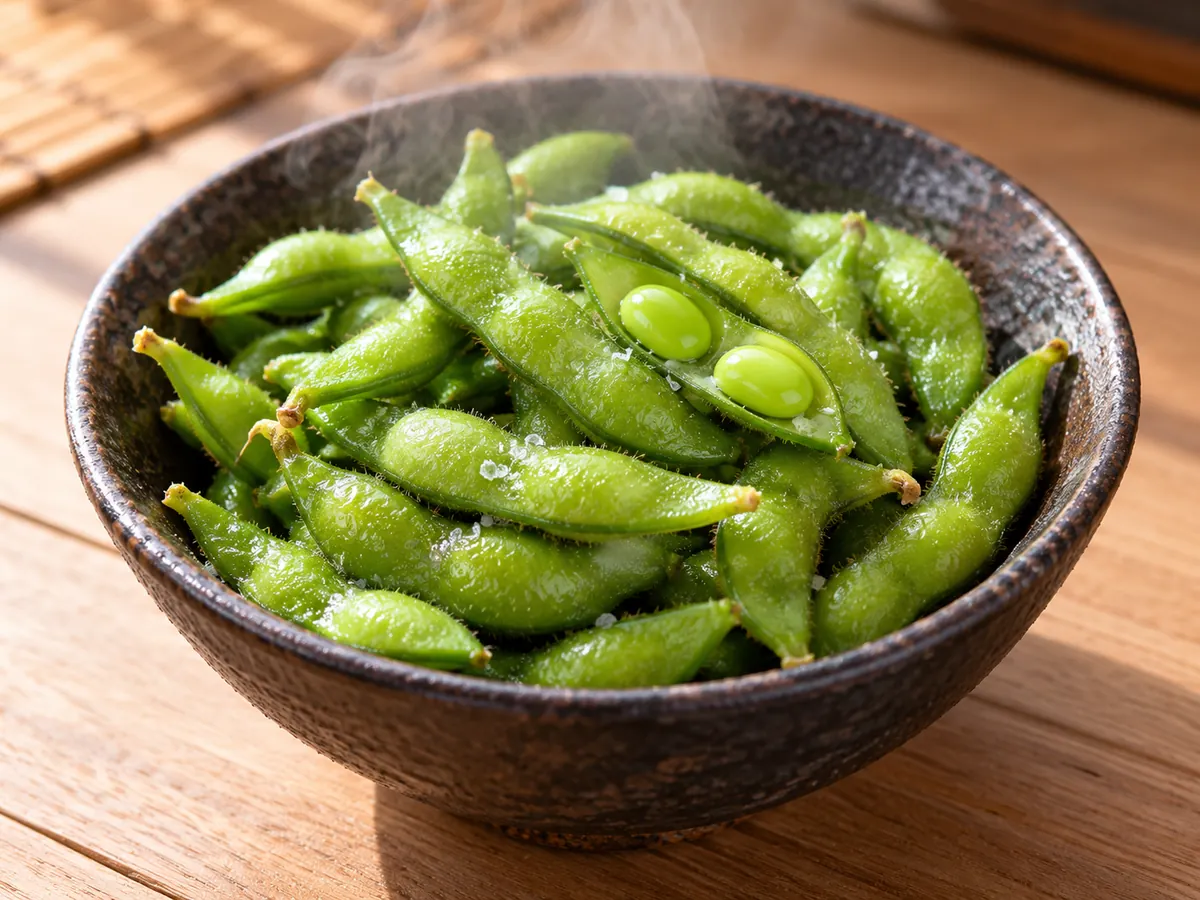
 AI-generated
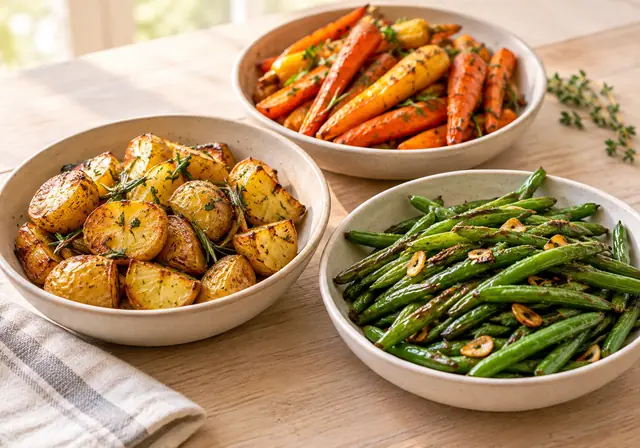 AI-generated
Japanese
Japanese cooking includes rice, soups, noodles and small side dishes.
Balanced flavours and regional specialities shape its diverse food culture.
Japanese cuisine has many regional traditions
Japanese food encompasses different local cultures, ingredients and meal styles. Rice, noodles, vegetables, fish, soups and smaller accompanying dishes appear in varied combinations. A national label does not mean every meal is delicate or identical in presentation. Coastal and inland regions, seasonal availability and historical exchange have all helped shape the cuisine. When exploring, think about the food's flavour, its role in the meal and any regional background. This gives a fuller picture than one collection of internationally familiar dishes can provide.
Umami and restrained flavours
Savoury depth, often described as umami, plays an important role in many Japanese food traditions. That does not mean every dish has the same intensity. Some emphasize subtle ingredients and contrasting textures, while others are strongly flavoured or rich. Broths, fermented foods and seasonings may contribute character even when they are not visually prominent. A restrained dish can be complex in its own way. Looking carefully at the ingredients and accompaniments offers better guidance than assuming Japanese food is always light, plain or nutritionally ideal.
Rice, vegetables and fermented ingredients
Rice is important in many settings, but noodles, vegetables, soy products and other ingredients contribute to the overall variety. Fermented seasonings can bring pronounced savoury flavours, while fresh vegetables or simple sides offer different textures. For dietary needs, a vegetable-centred dish may still contain fish-based broth or seasonings. Soy, wheat and other allergens can also appear in sauces. A useful category describes the actual composition honestly and does not assume that the presence of tofu automatically means a dish is vegan.
Seasonal choices and cultural context
Seasonal ingredients and attention to presentation are meaningful in parts of Japanese food culture, but neither creates a single rule for all households. Local traditions, everyday schedules and occasions produce different styles of meals. A shared dinner might include several complementary dishes, while a simpler lunch can have a very different structure. Regional context helps explain these choices. Contemporary interpretations can be enjoyable without claiming to reproduce every historical custom. A respectful description allows both the variety of Japanese cuisine and the changing ways people eat it to be recognised.
Find a Japanese flavour direction you enjoy
Consider whether you want gentle and savoury flavours, pronounced fermented notes, a warm noodle dish or a combination built around rice and vegetables. Texture and serving style can be as important as the main ingredient. For family meals or guests, account for portions and possible dietary restrictions. A national cuisine category is a helpful starting point, but individual descriptions are needed to understand the actual meal. Explore the contrast between regional styles instead of relying exclusively on one internationally familiar food.
Vegetarian Japanese food requires careful checking
A dish may contain mainly vegetables, rice or tofu and still use fish-based stock or other animal-derived seasonings. This can make vegetarian and vegan suitability less obvious from appearance than from the ingredients. Soy and wheat also require attention for allergies or gluten-related needs. The category should not claim that Japanese food is universally suitable for specific diets. Identifying stock, sauces and accompaniments accurately allows readers to make informed decisions while enjoying the distinctive flavours of different Japanese food traditions.
Explore all recipes
ⓘ Ratings come exclusively from approved community contributions.