

 AI-generated
Turkish
Turkish food brings together fragrant soups, vegetables, bread and savoury mains.
Distinct regional traditions add to its rich variety.
Turkish food reflects regions and cultural exchange
Turkish cuisine draws on a wide range of regional landscapes and cultural histories, from coastal food traditions to inland grain and meat dishes. Vegetables, legumes, soups, breads, yoghurt and many other ingredients form part of its variety. Reducing the cuisine to grilled meat misses much of everyday cooking. The same broad category can contain mild vegetable dishes, aromatic savoury meals and rich sweets. When exploring, consider the region, flavour and role of a dish rather than expecting one national style. An accurate regional description is more useful than a handful of internationally familiar names.
Vegetables and pulses deserve attention
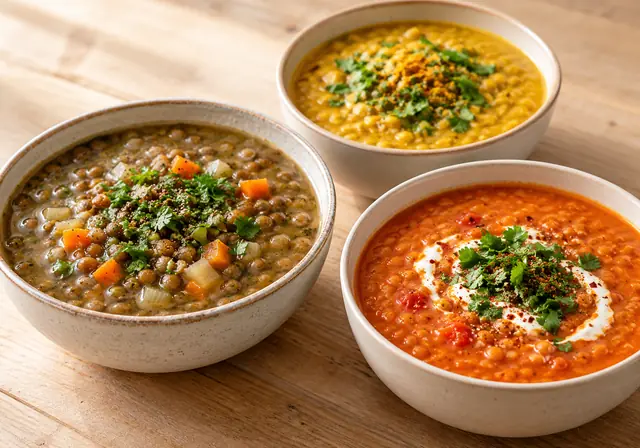
Vegetables and legumes have important places in Turkish home cooking, sometimes at the centre of a meal rather than as minor accompaniments. Herbs, olive oil, tomatoes and other local ingredients can give these dishes very different characters. A vegetable-forward meal may be mild and fresh or deeply savoury. Vegetarian and vegan guests should still check stocks, dairy or other additions; a dish that appears plant-based may contain animal ingredients. The category should acknowledge the richness of plant-led food without portraying it as a modern replacement for an exclusively meat-based cuisine.
Grains, breads and dairy cultures
Bread, cereals and pastry traditions are significant across different parts of Turkey. Yoghurt and other dairy foods also influence flavour and the texture of many dishes, but their presence is not universal. A grain-based meal can be quite different from a dish built around fresh vegetables or savoury meat. If someone needs to avoid gluten or milk proteins, the actual composition requires close attention. Cultural variety is clearer when these food groups are considered together rather than reducing Turkish cuisine to one type of kebab or a single familiar condiment.
Food at the shared table
Meals in Turkish households and regional traditions can include several dishes and accompaniments, but local customs and family practices vary. A shared table may balance savoury mains with vegetables, salads, bread and other foods. The number of guests and the occasion shape which combinations are useful. A formal celebration and a modest daily dinner do not have to look alike. The category can help readers build a meal that respects differing tastes while maintaining accurate descriptions of the ingredients and possible dietary restrictions.
Choose Turkish flavours by appetite
Do you prefer herbs and vegetables, warming pulses, mild dairy accents or pronounced savoury dishes? Thinking in those terms opens more possibilities than searching only for grilled meat. Consider whether the food will be a full main course, part of a shared spread or a smaller accompaniment. The regional background and actual ingredients help clarify what to expect. A Turkish-inspired modern interpretation can be enjoyable as long as it is not falsely presented as an unaltered historical tradition. Culinary variety is a central strength of the category.
Turkey's food culture is not only about grills
International perceptions sometimes emphasise grilled meat, yet that leaves out regional vegetable dishes, soups, breads, pulses and sweet baking. Coastal and inland traditions differ, and the country's food cultures have been shaped by long histories of interaction. A generic image of a meat-heavy cuisine does not reflect the everyday diversity of the table. When explaining Turkish food, it is better to consider multiple ingredients and regional practices than to rely on restaurant stereotypes. A more precise description helps visitors discover flavours they may not have expected.
Explore all recipes
ⓘ Ratings come exclusively from approved community contributions.