

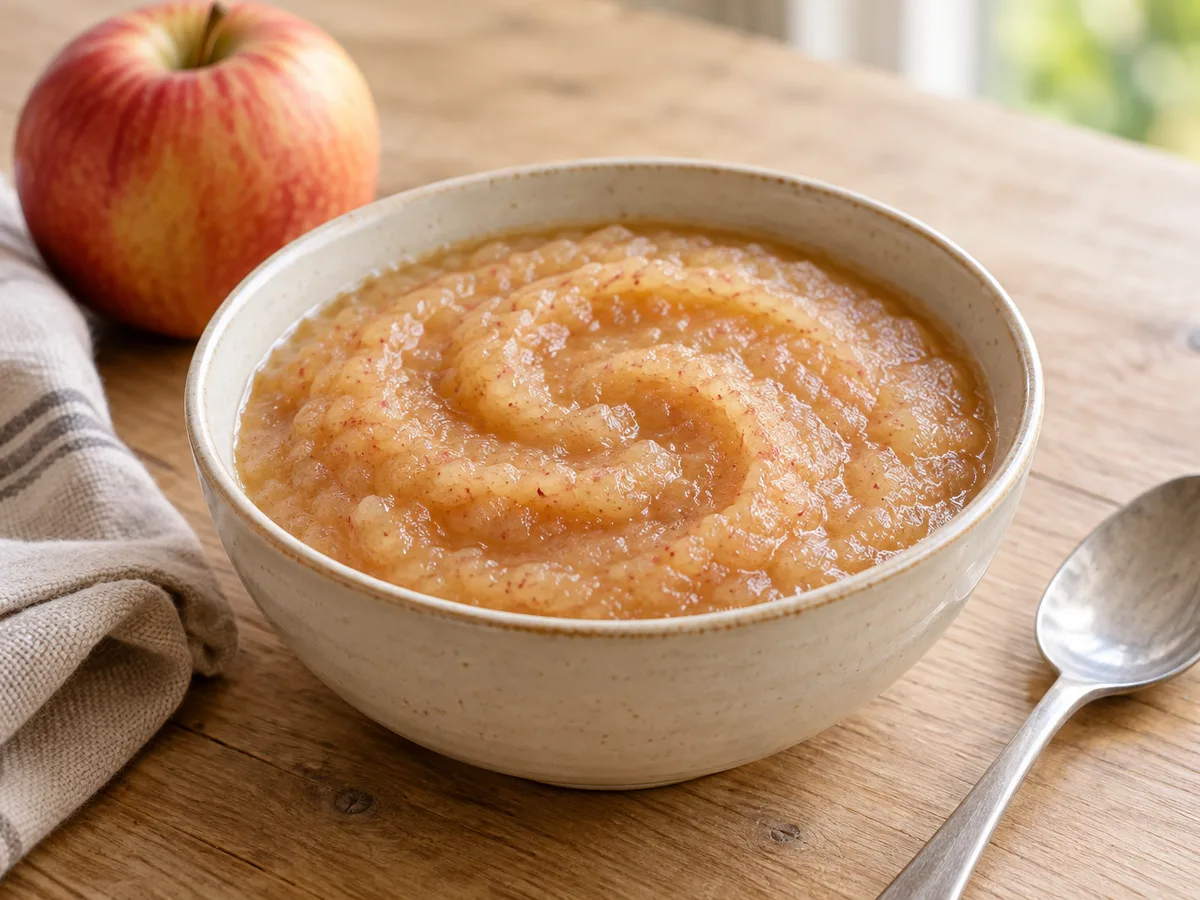
 AI-generated
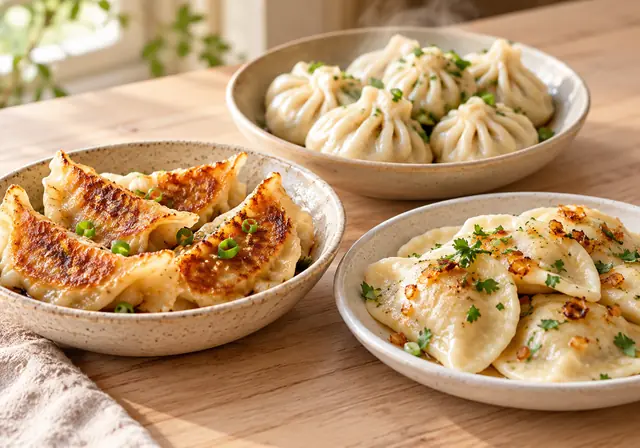
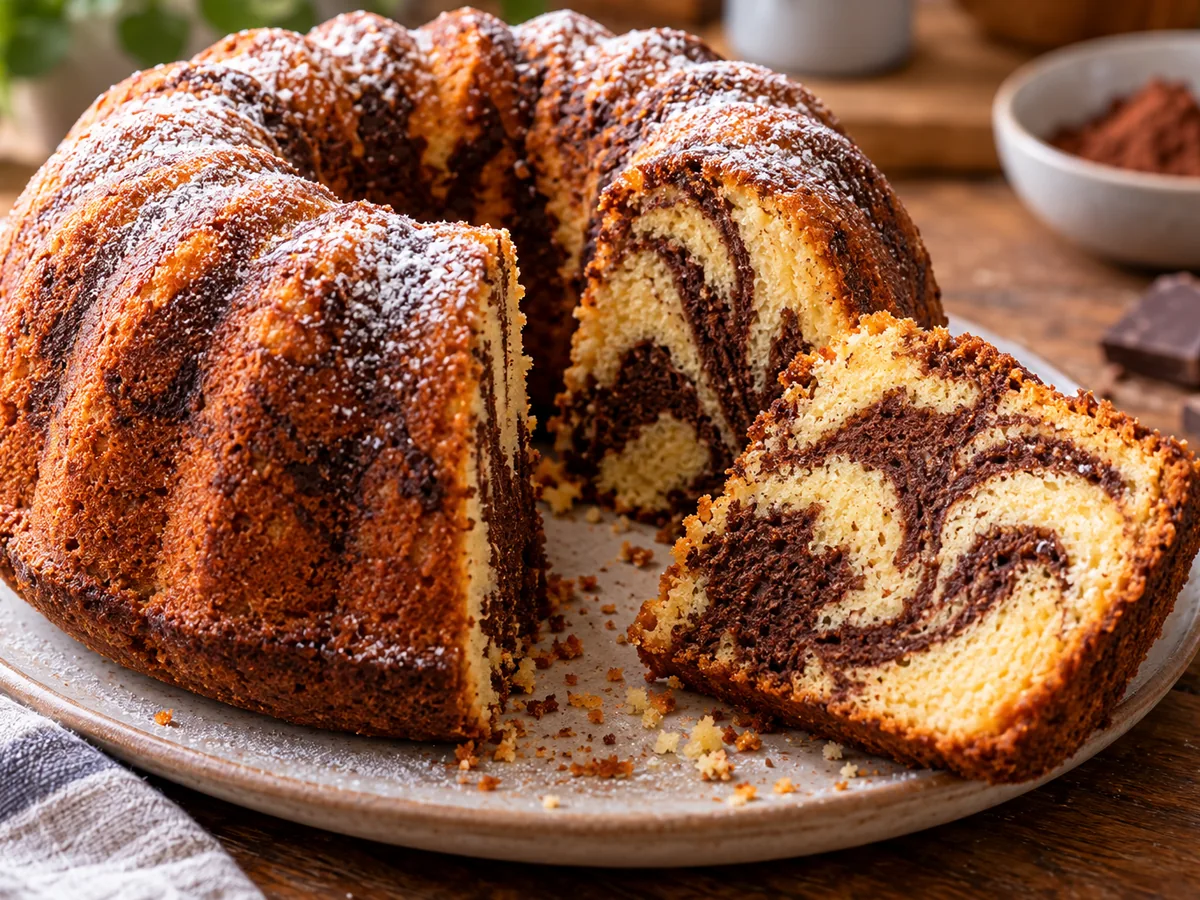
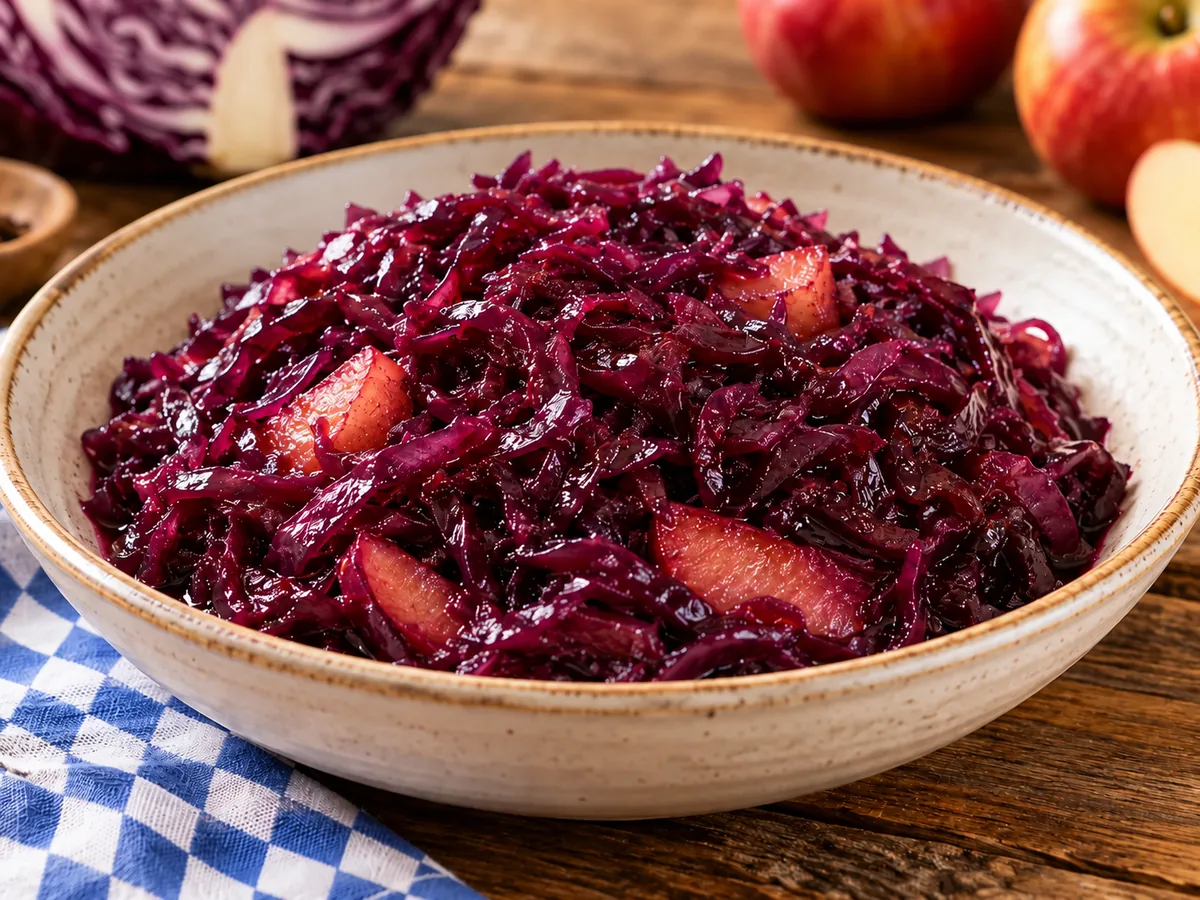


German
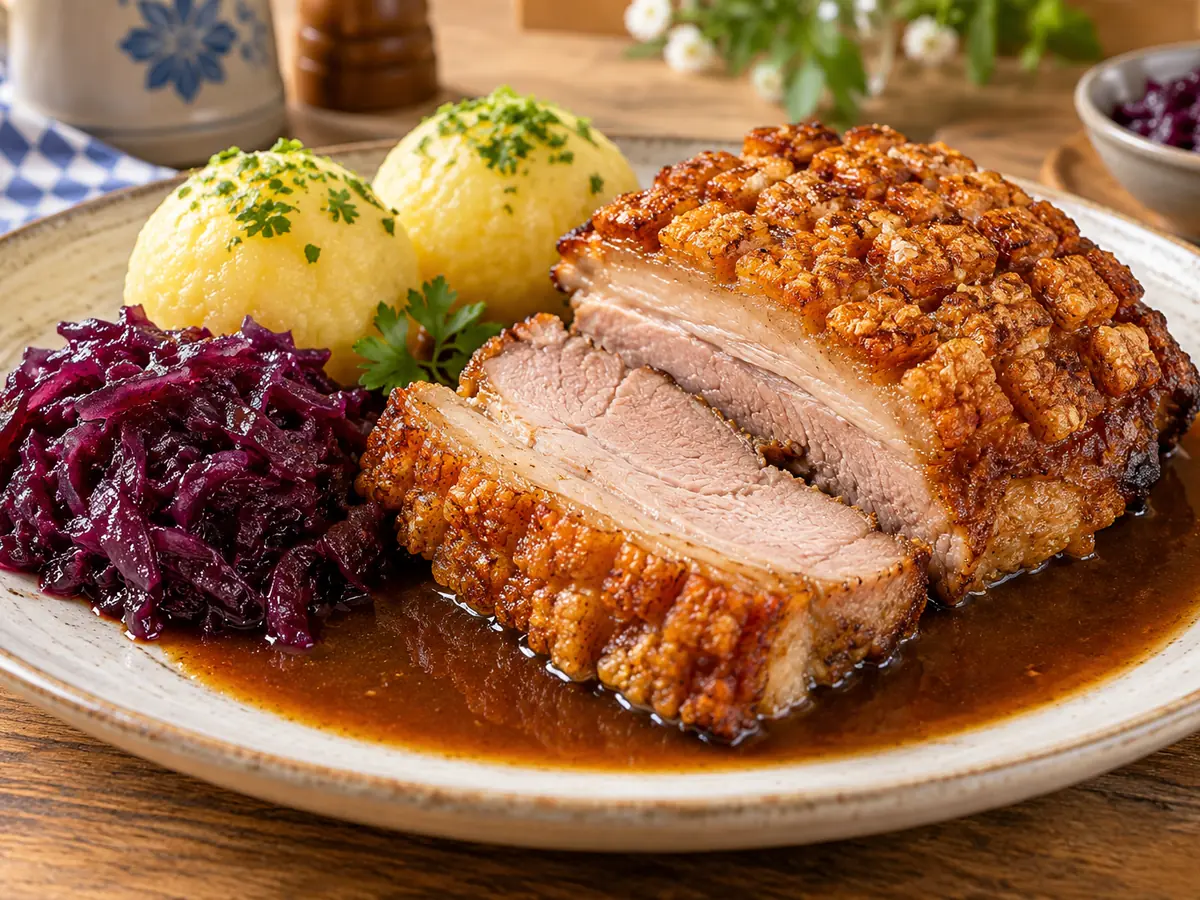
German cooking includes hearty roasts, dumplings, potato dishes, bread and cake.
Regional customs give familiar family favourites their distinct flavour.
German cooking has many regional faces
German food traditions vary substantially from region to region. Coastal areas, forested landscapes, farming regions and urban communities have different relationships with fish, grains, vegetables, meat and baked goods. Familiar hearty dishes are only one part of the picture. Soups, breads, vegetable sides, salads and sweet baking also have important roles. When exploring the category, look at the region and the character of the food instead of expecting one national flavour. A weekday meal from one area can be very different from a festive dish associated with another.
Potatoes, grains and vegetables matter
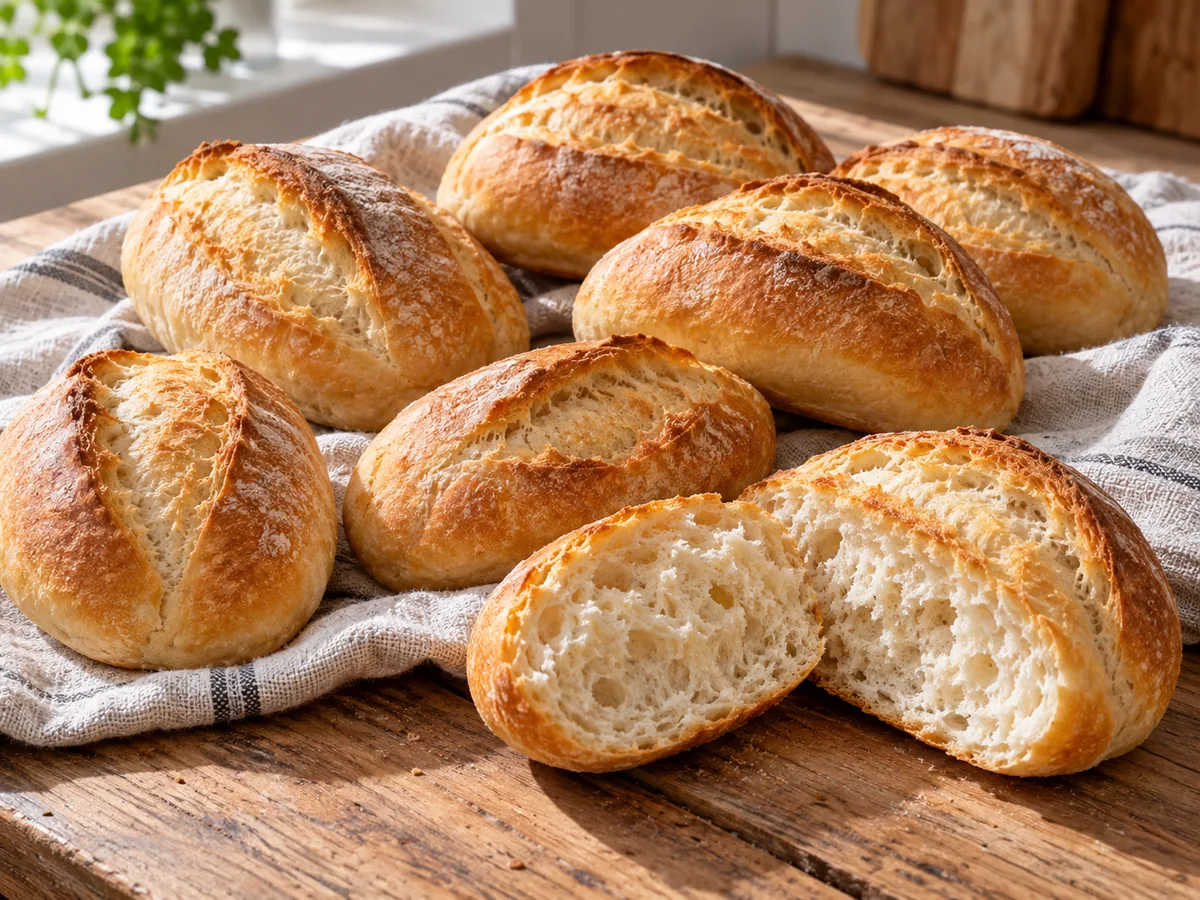
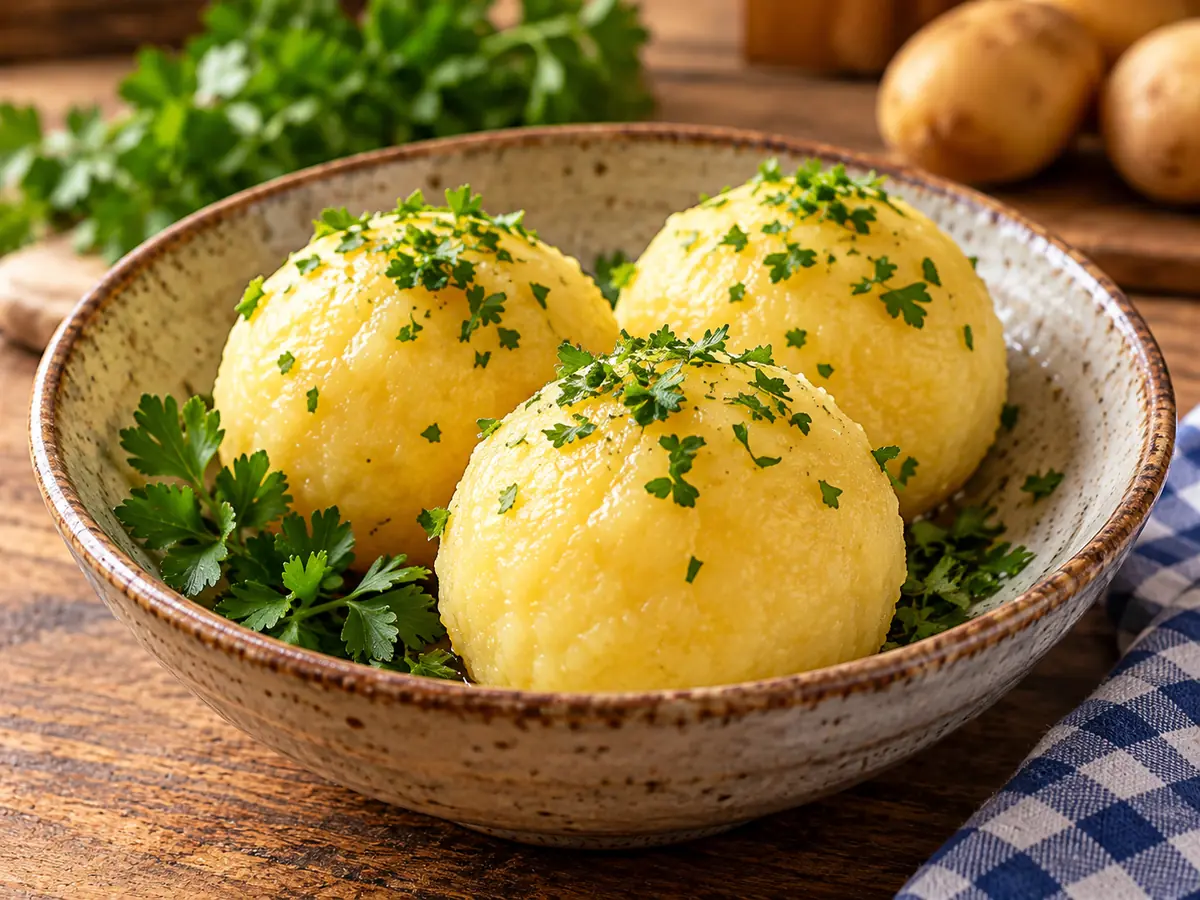
Potatoes feature prominently in many German food traditions, but so do rye and wheat breads, seasonal vegetables, legumes and other grains. Their roles differ: some appear as supporting sides, others provide the centre of a meal. The variety of bread and baking traditions is particularly broad, with textures ranging from mild and soft to substantial and strongly flavoured. Regional ingredients influence the choices available to cooks, and local names can describe different things in different places. Understanding these foundations is more useful than treating German cuisine as exclusively about meat.
Hearty does not always mean heavy
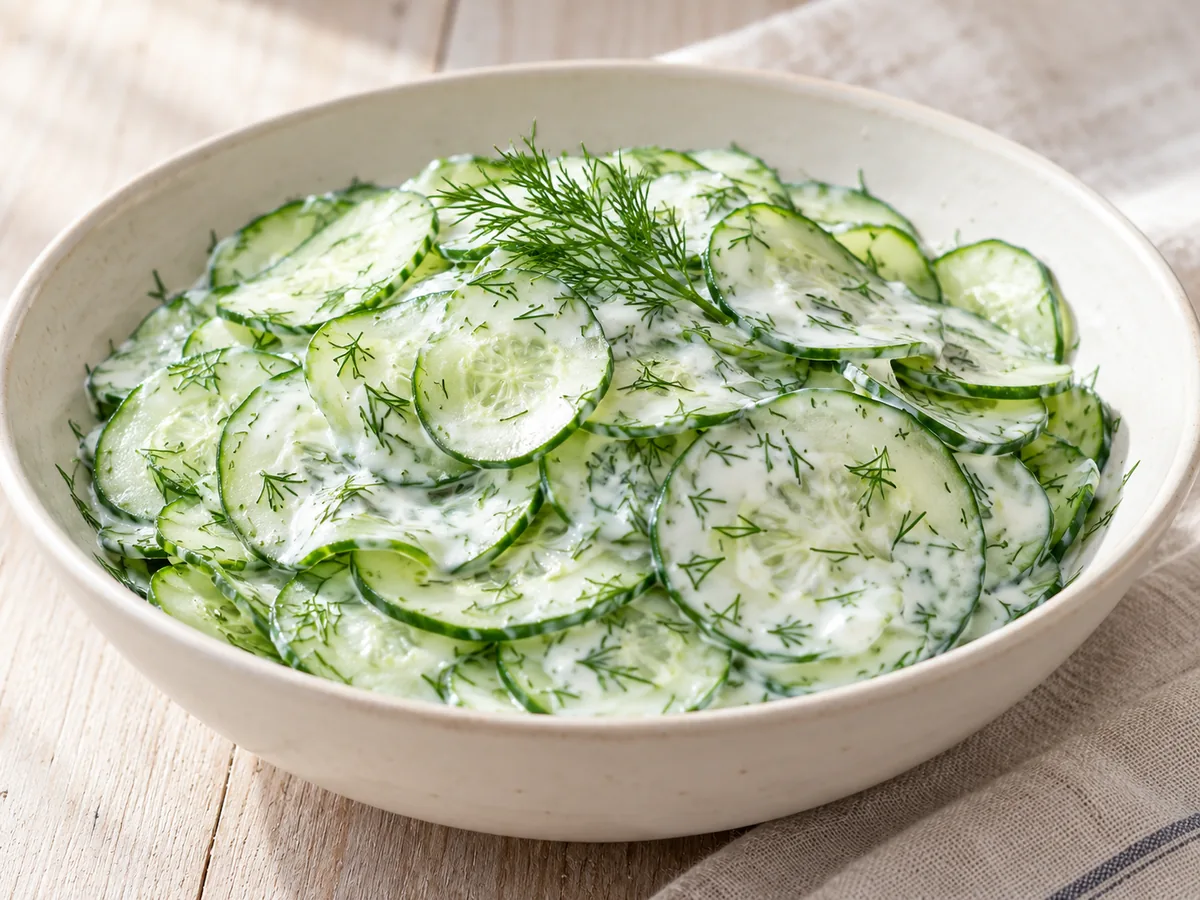
Some German dishes are rich and substantial, while others are relatively fresh, mild or vegetable-led. A clear soup, a crisp salad and a creamy potato side offer very different eating experiences. The perception of heaviness depends on portions and the entire menu, not simply the country's cuisine label. A traditional meal can include balance and contrast, particularly when a rich main is accompanied by vegetables. Avoid assuming every German food is either indulgent or old-fashioned. The category includes a wide range of flavours suitable for different tastes and occasions.
Tradition continues to change
Regional foods can carry strong family associations, particularly around holidays and shared gatherings. At the same time, contemporary German home cooking reflects changing tastes and diverse cultural influences. A modern interpretation of a familiar dish can sit alongside older practices without pretending that either is the sole authentic version. Food history is rarely one fixed recipe passed unchanged for centuries. When describing a regional tradition, it helps to identify the area and avoid invented origin stories. Variety between households is part of the living cuisine.
Choose a German dish for the occasion
A relaxed family dinner may call for something different from a Sunday gathering or a festive buffet. Consider whether you prefer a substantial savoury main, fresh accompaniments, baked goods or traditional sweets. Regional associations can inspire the choice, but the actual ingredients and portions should guide the decision. For guests, check dietary requirements rather than assuming a familiar dish will suit everyone. Some foods contain meat, dairy, eggs or wheat, while others can be naturally plant-forward. The category offers alternatives beyond one image of German comfort food.
Comparing German regions through food
A country's cuisine is better understood through its regions than through a single list of iconic foods. Coastal and inland traditions may emphasize different ingredients; local agricultural conditions and neighbouring cultures also influence the table. Shared names do not always guarantee identical recipes. Explore differences in grain products, vegetables, seasonings and festive foods, while recognising that families may adapt traditions. Describing the specific region is more informative than promising that a dish represents all of Germany. This makes the category both more accurate and more interesting.
Explore all recipes
ⓘ Ratings come exclusively from approved community contributions.