

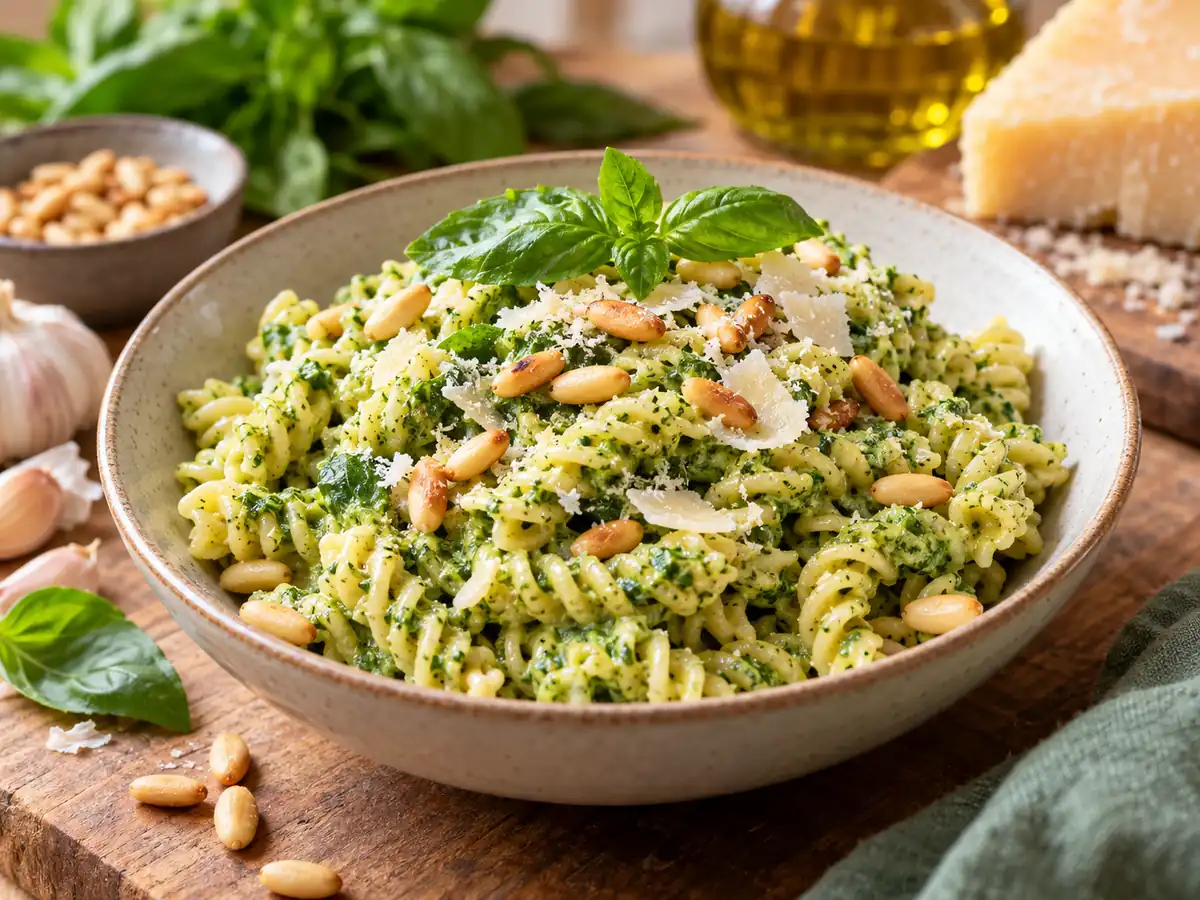
 AI-generated
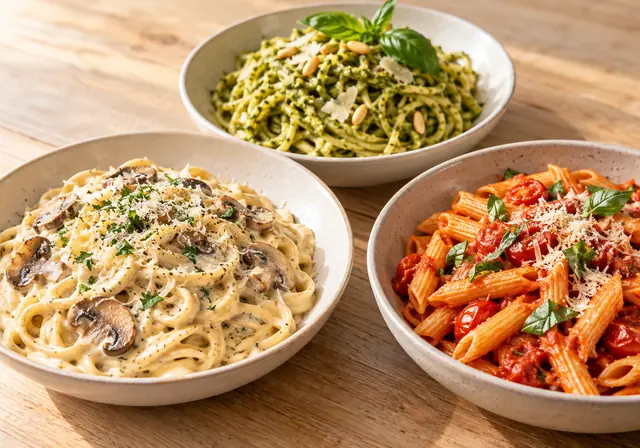

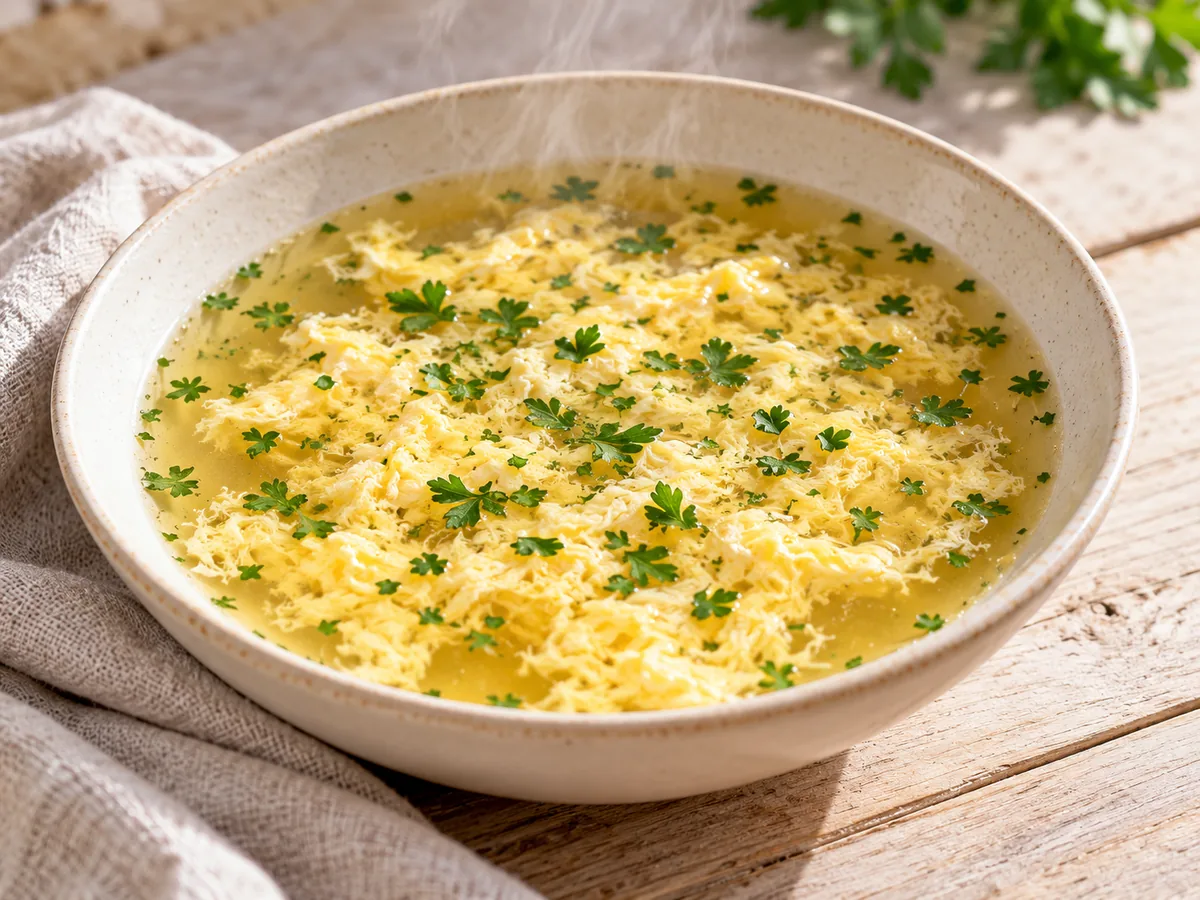
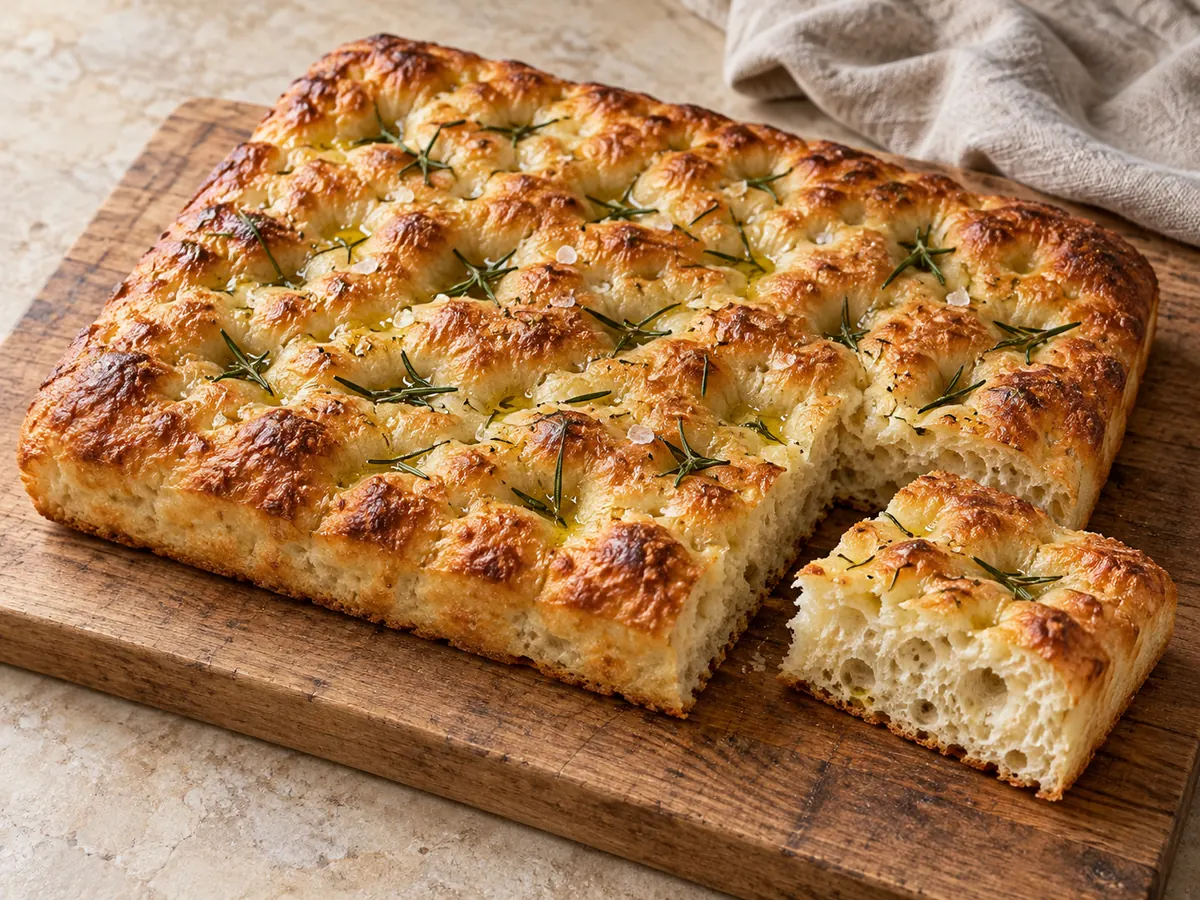
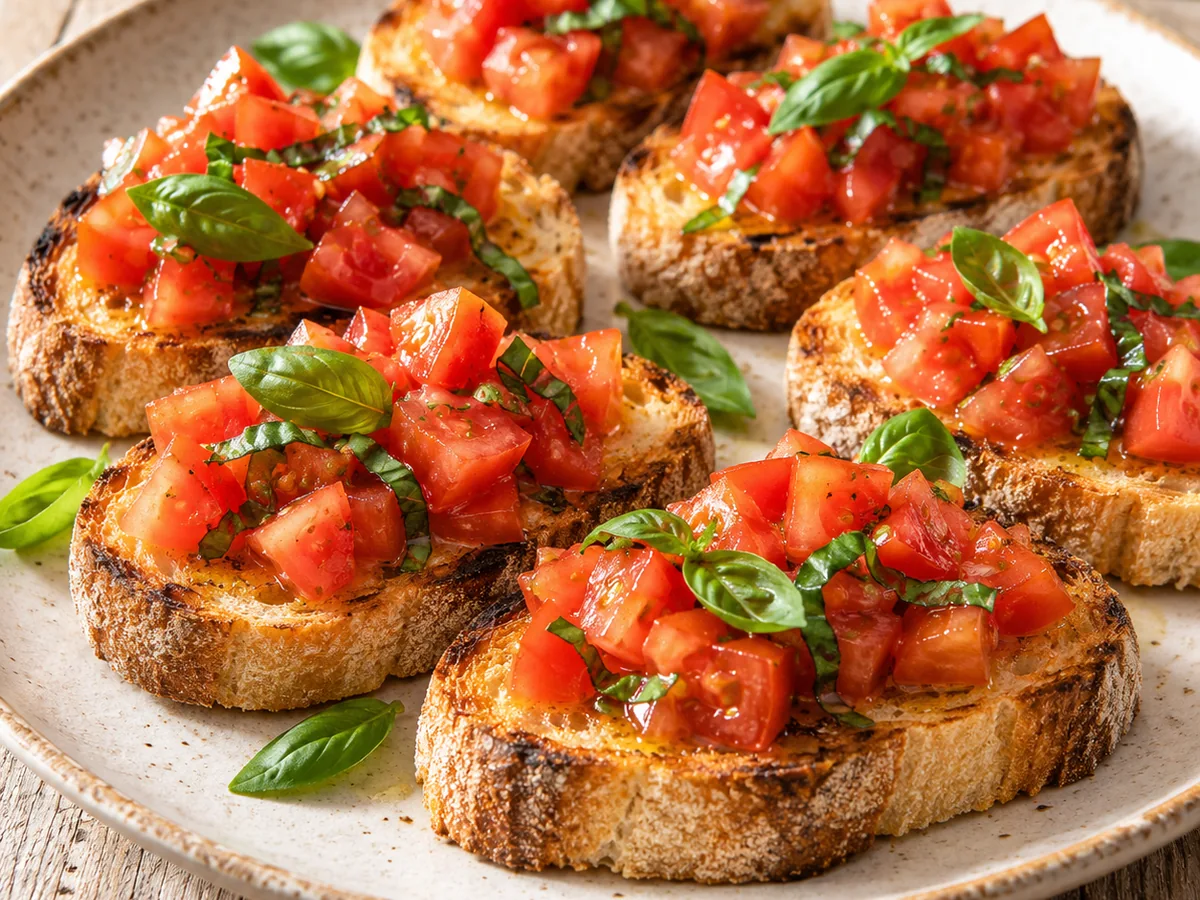

Italian
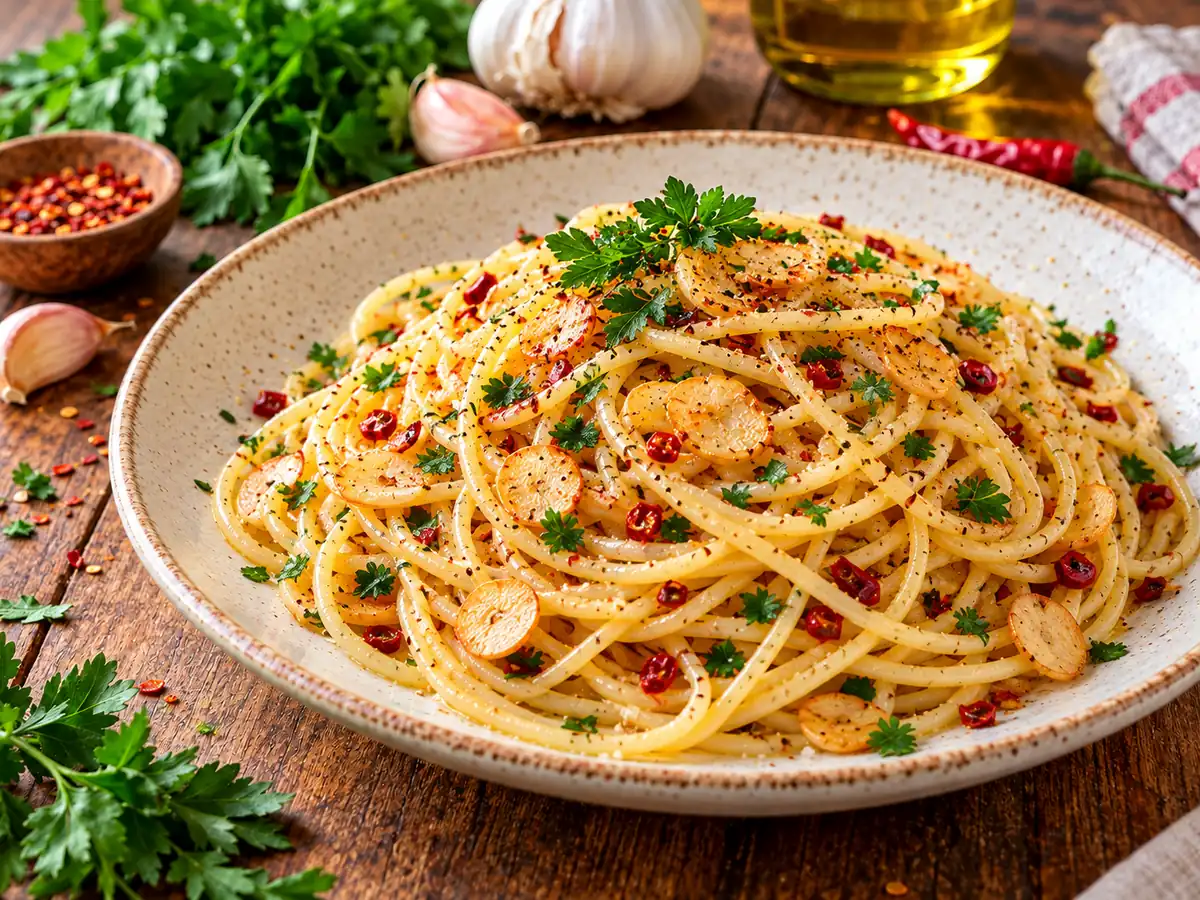
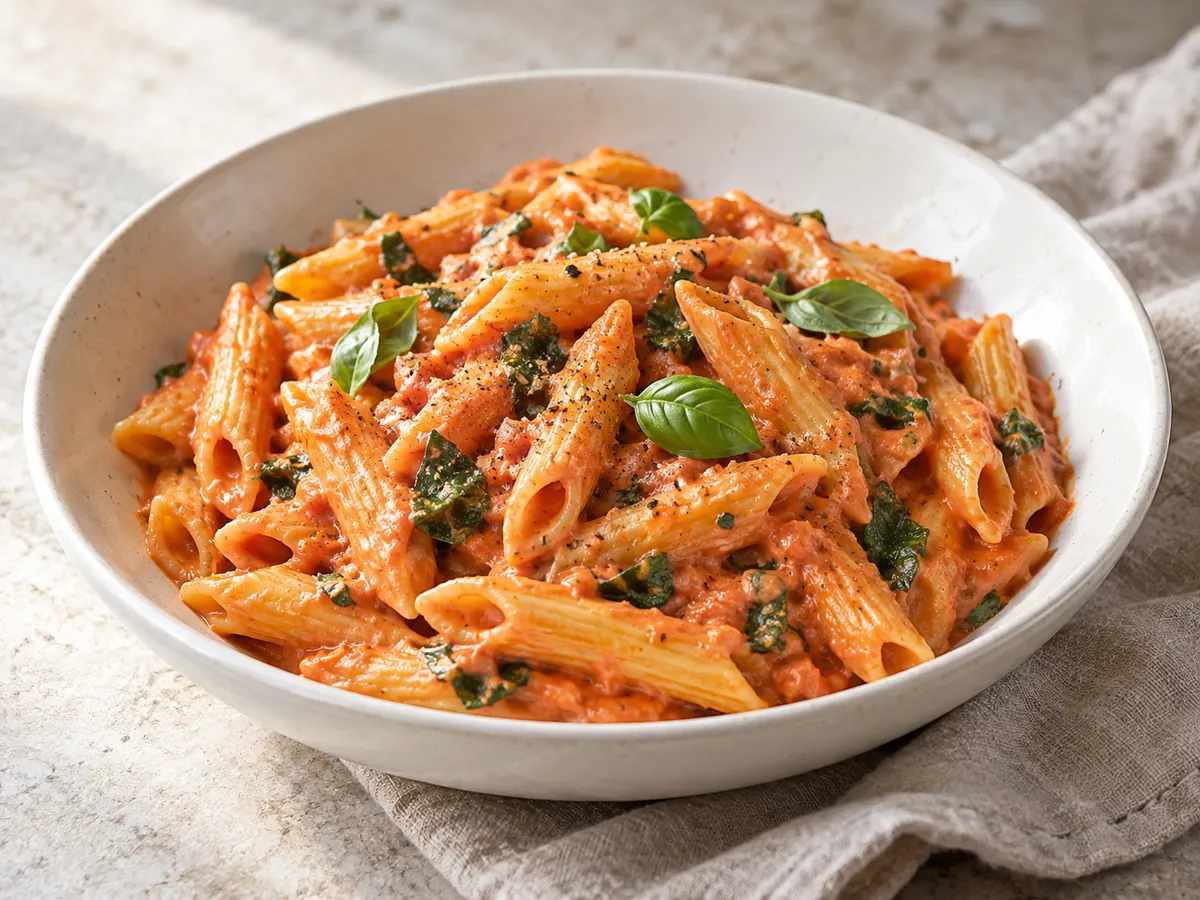
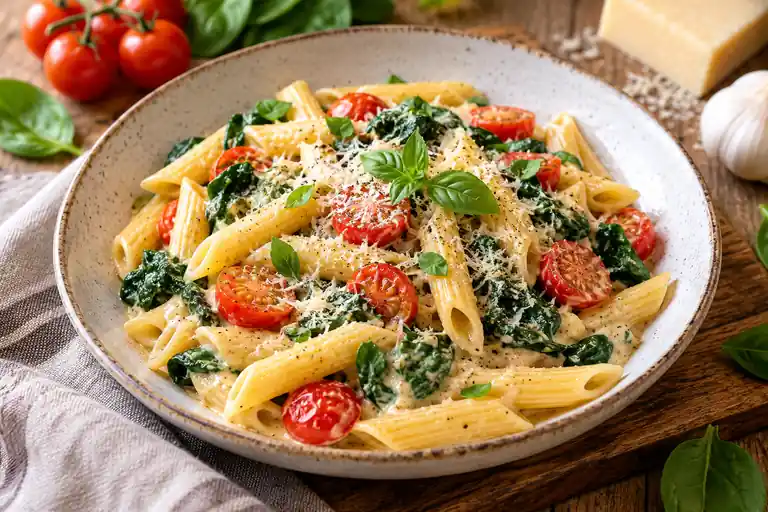
Italian cuisine is loved for pasta, tomatoes, olive oil and countless regional dishes.
Simple noodle meals and more festive plates share a Mediterranean spirit.
Italian food has strong regional identities
Italian cooking is not a single national menu repeated from north to south. Regional landscapes, local agriculture and longstanding habits shape the use of grains, vegetables, dairy, seafood and meat. Familiar foods such as pasta or pizza form only part of the picture. Some meals are hearty and rustic, others emphasize a few carefully chosen seasonal ingredients. When exploring Italian food, it helps to look at the region, the flavour and the role of the dish rather than assuming that every Italian meal is based on tomato and melted cheese. Regional variety is fundamental to understanding the cuisine.
Tomatoes are only part of the story
Tomatoes are important in many Italian dishes, but they do not define every region or course. Olive oil, vegetables, legumes, rice, different grains, cheese and herbs all feature across the country's food cultures. The balance changes with geography and tradition. A dish based on fresh vegetables can feel very different from one shaped by rich dairy ingredients or a pronounced savoury sauce. Comparing those directions makes the category more useful than searching exclusively for red sauces. The actual ingredients explain the flavour and regional context far better than the broad label Italian.
Tradition and modern interpretations
Italian food traditions are rooted in particular communities, yet they have also evolved through exchange and contemporary preferences. A modern dish inspired by Italian flavours can be appealing without being presented as an unchanged historical recipe. When origin matters, be precise about the place and ingredients rather than making unsupported claims of authenticity. Different households may prepare familiar types of food differently, even within one region. The category can welcome traditional and inventive approaches while clearly distinguishing them. That approach shows more respect for Italian food culture than declaring one version universally correct.
Italian food for ordinary and festive meals
Italian food can suit a quick lunch, a family dinner or a longer shared celebration. Some meals are built around a substantial main dish, while others include several smaller courses with different roles. The setting affects portion size, accompaniments and how rich the menu feels. A vegetable-forward dish may pair with a different side from a hearty pasta or meat course. If guests have dietary restrictions, the complete ingredients matter: Italian food is not automatically vegetarian, and cheese or wheat may appear even in dishes that look otherwise simple.
Which Italian flavours suit your tastes?
Think first about what you enjoy: gentle vegetable flavours, fragrant herbs, pronounced tomato acidity, creamy textures or savoury meat and seafood. Next consider whether you want a light meal or something substantial. Exploring regional traditions can reveal unexpected combinations beyond familiar international restaurant menus. A precise description of the food helps you choose more effectively than the word authentic alone. The best match is one that suits your appetite and the occasion, with an honest account of ingredients and cultural influences.
Authenticity needs a specific context
Calling a dish authentic Italian is less informative than explaining its relevant regional tradition and ingredients. Italy contains numerous local food cultures, and a technique or combination associated with one area need not apply nationwide. Family practices also vary, and contemporary adaptations can be meaningful without claiming historical authority. A trustworthy category respects those differences and avoids reducing the cuisine to stereotypes. It is useful to distinguish broadly Italian-inspired food from a named regional tradition when reliable context is available. The result is better information for readers, not a rigid rule about what anyone is allowed to enjoy.
Explore all recipes
ⓘ Ratings come exclusively from approved community contributions.