

 AI-generated
 AI-generated
Thai
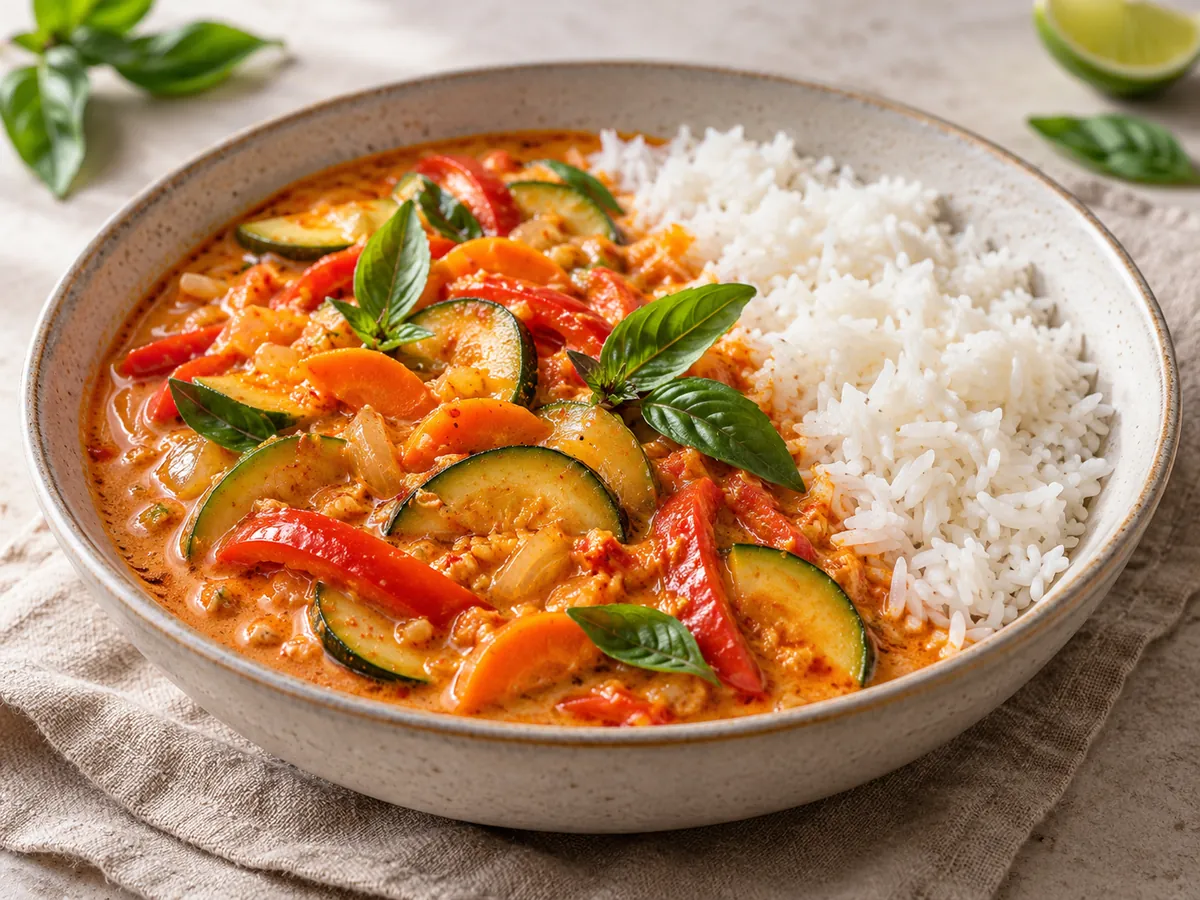
Thai cuisine is known for fragrant curries, coconut milk, rice and fresh herbs.
Its dishes balance lively flavours in distinctive ways.
Thai food varies considerably by region
Thai cuisine brings together diverse regional food traditions rather than one uniform set of dishes. Rice, herbs, vegetables, seafood, meat and other ingredients play different roles across the country. Some meals are aromatic and gently seasoned, while others have pronounced heat or acidity. International restaurant menus often highlight familiar curry styles, but these are only part of the broader food culture. When exploring Thai food, look for the region and the specific flavours being described instead of assuming that every dish must be fiery or based on coconut milk.
Sweet, sour, salty and hot flavours
Thai food is often associated with combinations of sweetness, acidity, saltiness and chilli heat, but the balance changes between dishes and regions. A tangy, herb-led meal creates a different impression from a rich and mellow curry. Chilli level is only one aspect of intensity; aromatic ingredients can be distinctive without overwhelming heat. Choosing by the flavour profile helps avoid stereotypes. A particular dish should be described through its actual ingredients rather than a general claim that Thai cooking always follows one perfect balance of tastes.
Rice, herbs and regional ingredients
Rice appears in many Thai meals, accompanied by a broad range of vegetables, herbs, sauces and other foods. Fragrant plant ingredients can contribute citrus-like, herbal or savoury notes, while seafood and other sources of protein vary by region. A category label alone cannot determine vegetarian or allergy suitability. Fish-based seasonings, shrimp and other ingredients may be less obvious than the visible vegetables. For people with restrictions, the complete composition must be checked. Understanding these ingredients also reveals more about Thai regional variety than a short list of famous dishes.
Tradition and international adaptation
Thai food has travelled widely, and versions served abroad may reflect local tastes, ingredient availability and different levels of spice. Adaptation does not automatically make a dish unappealing, but it helps to distinguish inspiration from a documented regional tradition. A cuisine as diverse as Thailand's should not be represented as one fixed standard. Specific descriptions of where a style is associated and which ingredients define it offer better cultural context. Readers can enjoy contemporary interpretations while learning that local culinary practice includes far more than a single global restaurant formula.
Which Thai flavours are right for you?
Start by asking whether you prefer bright acidity, fragrant herbs, coconut richness or stronger savoury flavours. Then consider how much chilli heat you enjoy and the role of rice, vegetables or other ingredients in the meal. A lighter lunch has different needs from a shared table with several courses. When allergies or dietary requirements matter, check the sauce and seasonings as carefully as the main ingredients. The category can help you compare the spectrum of Thai flavours instead of assuming that liking or disliking chilli decides whether you will enjoy the cuisine.
Spice and heat are different questions
Aromatic spices and herbs can make a dish full of flavour without high levels of chilli heat. Conversely, a small quantity of a hot ingredient can strongly affect the experience. Regional styles vary, and heat preferences differ widely among diners. It is more helpful to identify the actual seasonings than to promise that every dish can be described by one universal spice level. The distinction also matters at a shared table where guests may have contrasting tolerances. Thai cuisine deserves recognition for its breadth of aroma and balance, not reduction to a contest over hot food.
Explore all recipes
ⓘ Ratings come exclusively from approved community contributions.