

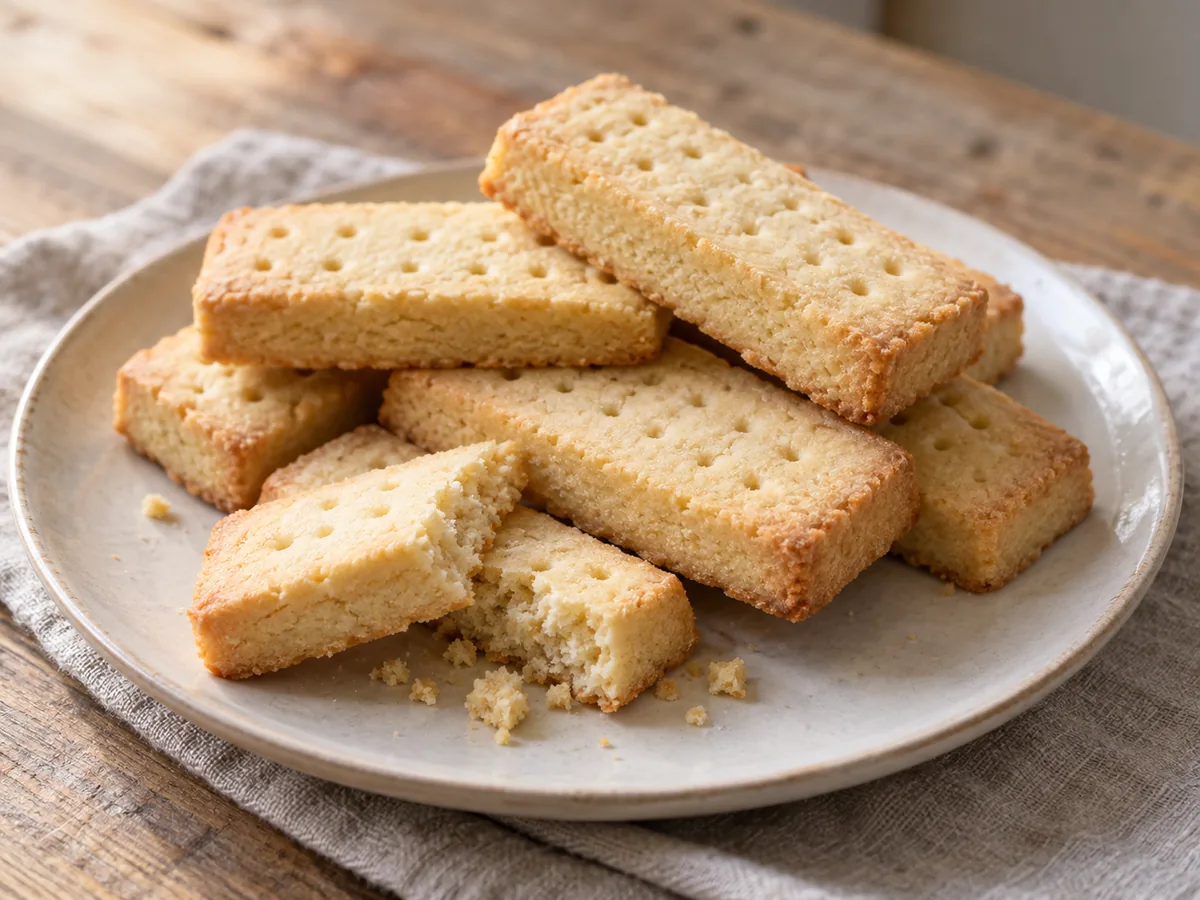
 AI-generated
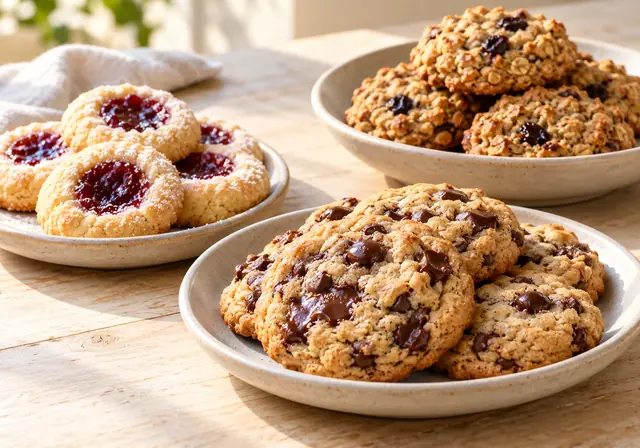 AI-generated
British
British food includes hearty classics, beloved breakfasts and varied sweet baking.
Regional comfort dishes and tea-time favourites have a special place.
British cooking contains several distinct traditions
Food across Britain includes English, Scottish and Welsh traditions, as well as important distinctions involving Northern Ireland and the wider United Kingdom. Regional ingredients, local agriculture and different histories shape what people eat. A single image of fried breakfasts or baked pies cannot represent the whole culinary landscape. Soups, vegetable dishes, breads, savoury meals and sweet baking also have important roles. When exploring the category, consider where the dish is associated and how it fits into everyday or festive eating. Accuracy about places matters as much as flavour.
Everyday savoury foods and baking
British food cultures include substantial savoury dishes, breads and a wide range of baked goods. Textures and flavours differ considerably: some foods are rich and comforting, others milder or vegetable-forward. Traditional names do not always describe identical recipes in every household or region. A shared family meal can have very different priorities from afternoon refreshments or a holiday gathering. The category is most useful when it explains the actual kind of food and its ingredients instead of using vague claims that all British cooking is heavy or bland.
Regional differences deserve attention
Coastal communities, agricultural areas and cities have their own food histories, and the traditions of Scotland, Wales and England should not be collapsed into one. Northern Ireland also has distinct cultural contexts within the United Kingdom. A regional label can offer valuable information when supported by the dish's background. It should not imply that every family follows one fixed method or menu. Examining ingredients and local customs creates a richer picture than a narrow list of globally famous foods. Everyday variation is part of the cuisine, not a reason to dismiss it.
Contemporary food reflects wider influences
Modern British food culture is also shaped by migration, cultural exchange and changing tastes. A contemporary meal inspired by several traditions can be part of life in Britain without being misrepresented as an ancient local recipe. This distinction allows readers to enjoy innovation while recognising the communities behind particular dishes. Descriptions should identify specific influences when known rather than erasing them under the word British. The result is a more realistic account of a cuisine that includes both longstanding regional food traditions and diverse contemporary cooking.
Choose British-style food for your occasion
A hearty family main, a simple breakfast, baked snack and festive dessert serve very different purposes. Decide what you want to eat and whether the meal calls for rich or restrained flavours. Portion size and accompaniments also matter. Many familiar foods can contain wheat, eggs, dairy or meat, but ingredient profiles vary. For people with dietary restrictions, check the complete recipe rather than infer suitability from a national name. A thoughtful selection allows regional traditions to inspire the menu without assuming that one particular meal represents all of Britain.
Distinguish Britain and the United Kingdom
Geographical and political terms can matter when describing food. Great Britain consists of England, Scotland and Wales, while the United Kingdom also includes Northern Ireland. Regional identities and food traditions do not necessarily align neatly with those broader labels. An accurate recipe category should use specific locations where relevant and avoid presenting one country's practice as universal across all four nations. This improves cultural clarity and helps readers understand why similar ingredients may have different names or roles in different communities.
Explore all recipes
ⓘ Ratings come exclusively from approved community contributions.