

No recipes match these filters yet.
Lebanese
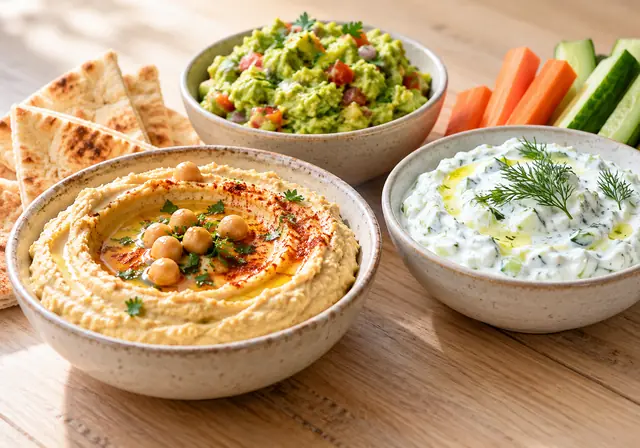
Lebanese cuisine offers mezze, pulses, fresh herbs and colourful starters.
Sharing a selection of small plates is part of its appeal.
Lebanese cuisine belongs to the Levant
Lebanese food is part of the wider culinary landscape of the Levant, with regional practices shaped by geography, agriculture and cultural exchange. Herbs, grains, vegetables, pulses, olive oil and other ingredients appear in different combinations. Some dishes have fresh and acidic flavours, while others are richer or more substantial. The category should not be reduced to one small shared dish or a generic Middle Eastern stereotype. Looking at the ingredients and regional context gives readers a better understanding of what a Lebanese-style meal might include.
Herbs, freshness and acidity
Fresh herbs, citrus notes and aromatic vegetables are important in many Lebanese food traditions. They may create a bright contrast to grains or more savoury foods. The balance differs between dishes, and a meal can also feature mild or deeper flavours. It would be too simple to describe all Lebanese cuisine as light or entirely based on salad. A specific food can be fresh and substantial at the same time. When browsing, consider which flavours you enjoy rather than assuming every dish has the same herbs, acidity or richness.
Pulses and grains are everyday foundations
Lentils, chickpeas and grains have longstanding roles in food traditions across the region. These ingredients can contribute earthy flavours and a satisfying texture, but they are not limited to one particular type of meal. Some foods are naturally plant-forward, while others include meat, dairy or different additions. For vegetarian and vegan guests, the actual composition matters, including sauces and accompaniments. A broad regional category cannot guarantee suitability for any specific diet. The interplay of pulses, grains and aromatic ingredients helps explain the cuisine's variety.
Shared dishes and the role of mezze
Mezze is associated with an assortment of small foods shared socially, but the selections and customs vary. A shared table might combine fresh vegetables, dips, breads and more substantial savoury plates. These foods can introduce a meal or become a gathering in their own right. Portion size and guest preferences determine which combination works best. Not every Lebanese meal is a mezze spread, and the tradition should not be treated as interchangeable with every form of finger food. Cultural context is more useful than a single fashionable serving label.
Find Lebanese flavours that suit your meal
Consider whether you prefer bright herbs and citrus, earthy legumes, grains or more robust savoury ingredients. Then decide whether the dish should be a side, starter or main. A family meal can use several complementary foods without requiring an elaborate buffet. If dietary needs matter, verify the ingredients in sauces, breads and other components. The category offers space to explore different flavour directions without claiming that one familiar food represents every Lebanese household or regional tradition.
Recognise both connections and differences
Levantine cuisines share many ingredients and historical influences, yet Lebanese food also has distinct local customs and regional expressions. It is inaccurate to erase those differences by assigning every shared dish to one country or by treating all neighbouring food cultures as identical. When origin information is reliable, more specific descriptions are helpful. Contemporary adaptations can be enjoyed when identified honestly. Respectful context enables readers to appreciate both culinary connections and the variety of practices within Lebanon itself.
There are no matching recipes here yet. Browse other categories to choose dishes or drinks.
Explore all recipes
ⓘ Ratings come exclusively from approved community contributions.