

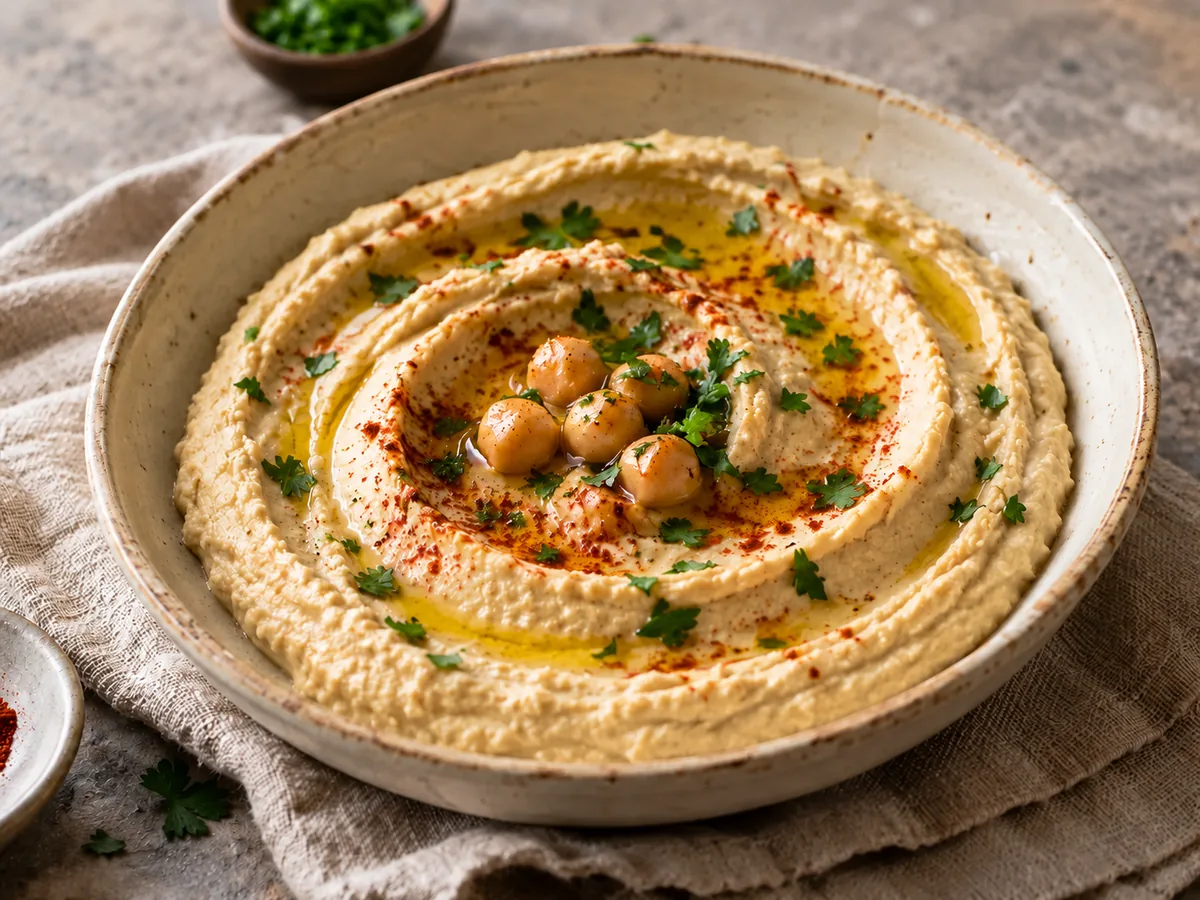
 AI-generated
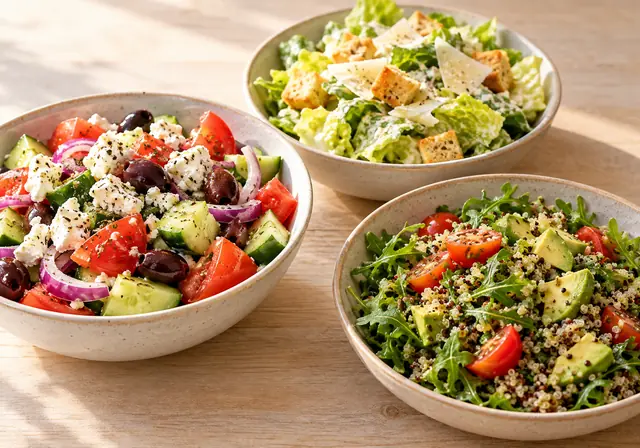
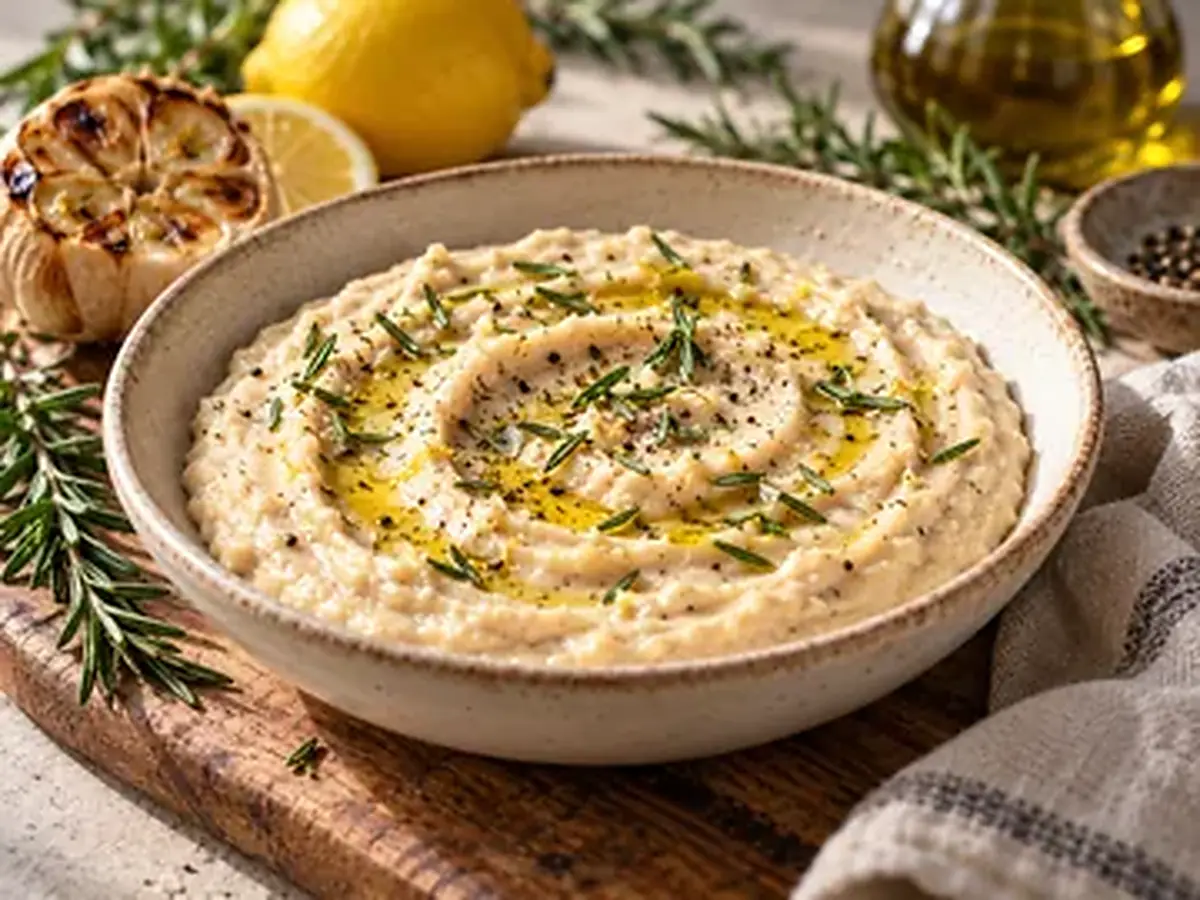
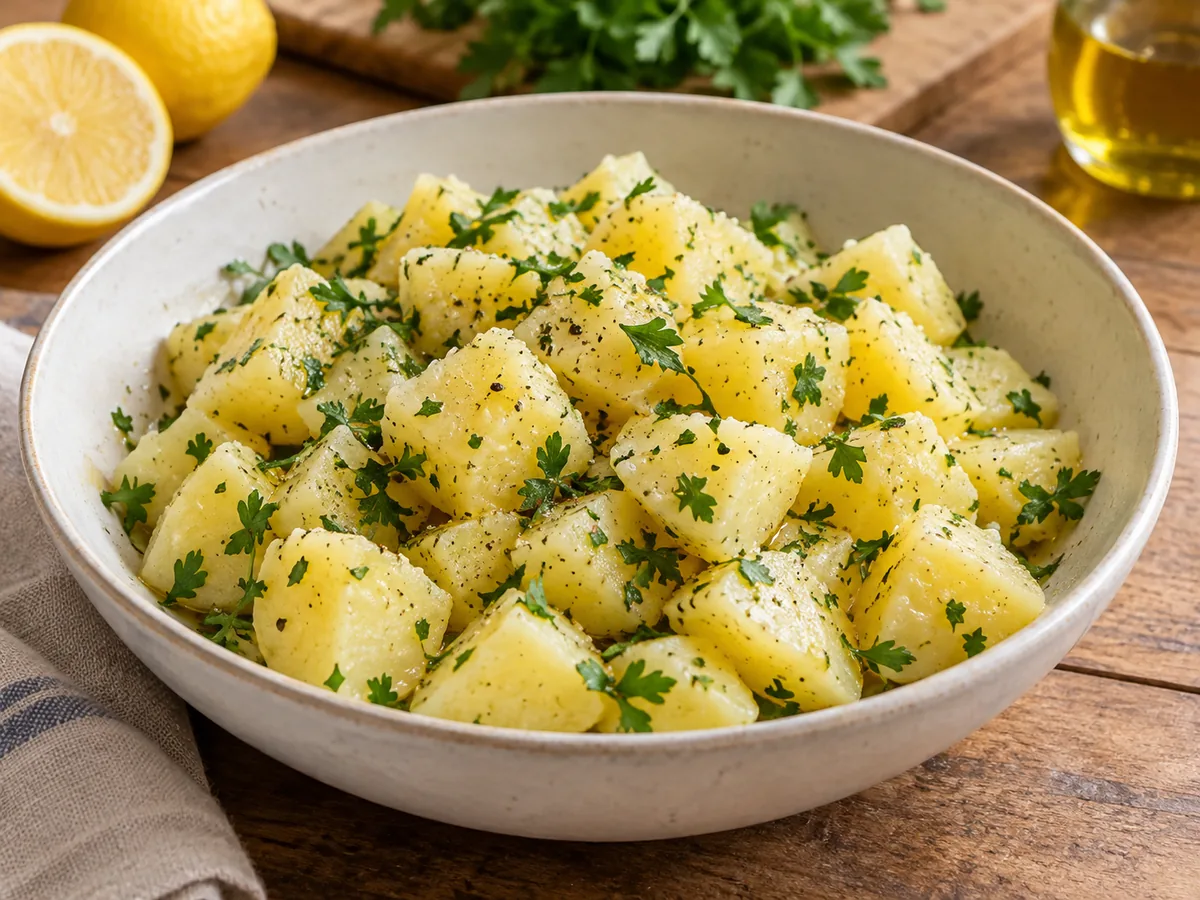
Mediterranean
Mediterranean food recalls tomatoes, olive oil, vegetables, herbs and friendly gatherings.
The region includes many different culinary traditions.
Mediterranean food covers many cuisines
The Mediterranean basin includes numerous countries, regions and communities with different food traditions. A single culinary label cannot capture all their ingredients and habits. Coastal and inland food cultures may emphasise different grains, vegetables, seafood, legumes and meats. Olive oil and herbs appear in many places, but they are not universal symbols that make every dish equivalent. When exploring Mediterranean food, consider the specific culture and flavour being described rather than assuming that the whole region shares one standard diet or recipe.
Olive oil, vegetables and legumes
Vegetables, pulses and grains are important ingredients in many Mediterranean food traditions, alongside olive oil and varied herbs. Their roles change from one region to another: a simple vegetable side may be quite different from a substantial pulse-based meal. These ingredients can create fresh, earthy or richly savoury flavours. A category description should value the actual food rather than using individual ingredients as automatic proof of health benefits. For allergies or dietary restrictions, sauces, grains, seafood and dairy products still require checking.
Coastal and inland differences matter
Some coastal communities feature fish and shellfish prominently, while inland areas may rely on other ingredients. Local agriculture and cultural exchange shape these differences, and it would be misleading to portray every Mediterranean meal as a seaside plate. Regional descriptions provide context for the use of grains, dairy, vegetables and herbs. A person choosing food for guests should evaluate specific ingredients rather than assume that a broad geographical label indicates suitability. Differences in flavour and texture are among the reasons to explore more than one Mediterranean tradition.
Cuisine and the Mediterranean dietary pattern
The phrase Mediterranean diet is used in nutritional research, but that does not mean every dish from the region fits a single dietary model. Regional cuisines contain everyday meals, celebratory sweets and many different ingredient combinations. Portion size and actual composition matter. It would be inappropriate to imply that one recipe prevents illness simply because it contains olive oil or tomatoes. A recipe platform can describe food culture accurately without turning a geographical category into a medical claim. The distinction between cuisine and dietary pattern should remain clear.
Choose by flavour and purpose
Think about whether you enjoy fresh vegetables and herbs, grains, seafood, legumes or fuller-bodied savoury dishes. Then consider whether you want a main course, side or smaller shared plate. The specific region may offer additional context, but the actual ingredients and serving role determine how well the food suits your meal. A Mediterranean-inspired contemporary dish can be enjoyable if its influences are described honestly. Exploring the category should reveal variety rather than reinforce the assumption that every regional tradition is interchangeable.
Mediterranean is not a health guarantee
Mediterranean is sometimes used as a broad marketing shorthand for healthy food. That overlooks the diversity of the region and does not describe the ingredients or nutritional composition of a particular dish. Some foods are vegetable-led, others rich or sweet. Individual health needs vary, and no category name can substitute for medical guidance. It is more useful to identify cultural context, flavour and actual ingredients than to promise a universal benefit. Respecting regional differences makes the category both more informative and less reliant on empty wellness claims.
Explore all recipes
ⓘ Ratings come exclusively from approved community contributions.