

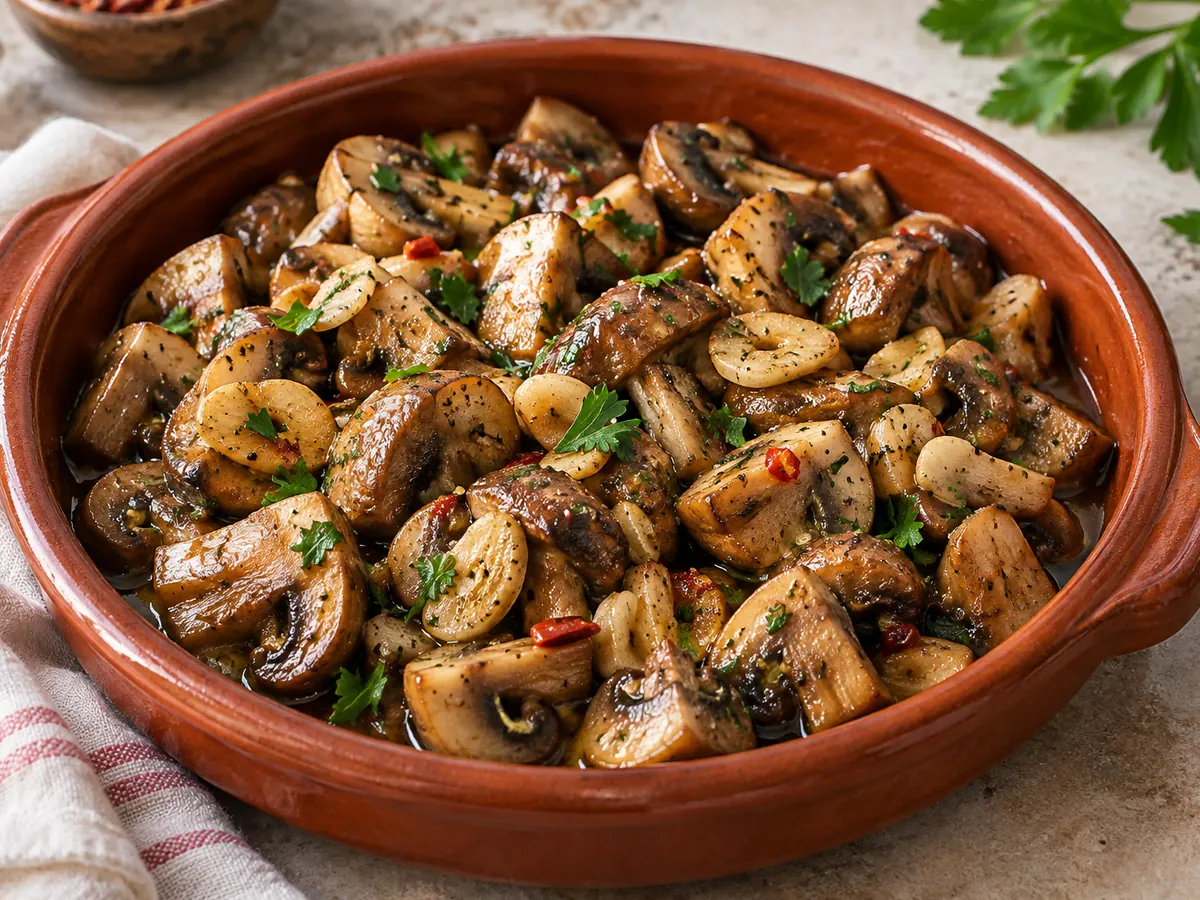
 AI-generated
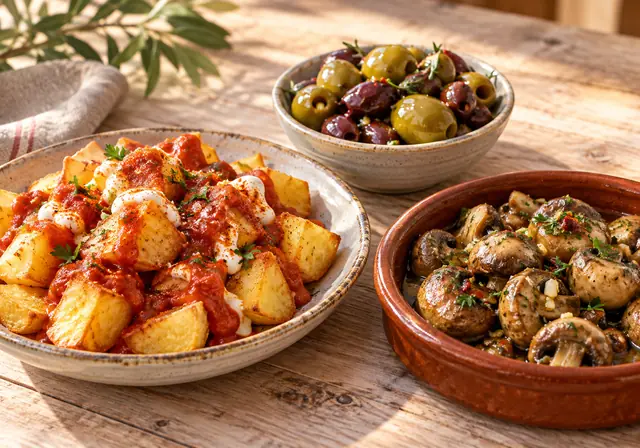 AI-generated
Spanish
Spanish cooking includes tapas, rice dishes and hearty food shared with friends.
Regional flavours and small plates make it particularly sociable.
Spanish cuisine spans coast and inland
Spain's regional cuisines have different ingredients, histories and meal traditions. Coastal communities may feature maritime ingredients, while inland regions have their own approaches to grains, vegetables and savoury food. A single image of tapas does not capture this diversity. Some dishes are fresh and relatively mild, others substantial or strongly flavoured. When exploring the category, start with what the food actually contains and where its style is associated. Regional context is more informative than assuming every Spanish meal follows the same formula or belongs to one particular restaurant culture.
Olive oil and varied regional produce
Olive oil plays an important role in many Spanish kitchens, alongside vegetables, legumes, grains and other local ingredients. These staples are combined differently across regions, creating contrasting textures and flavour profiles. A vegetable dish with fresh herbs has a different role from a rich rice-based main or savoury meat food. The category should communicate those differences without implying that olive oil alone makes every dish healthy. The overall ingredients and serving size matter, particularly for people with dietary restrictions. Traditional flavours deserve an accurate description rather than broad Mediterranean slogans.
Understand the place of tapas
Tapas are associated with social eating and smaller dishes, but their meaning and serving context are not identical across Spain. Some gatherings centre on several shared plates; other meals follow different customs entirely. Describing every small portion as tapas overlooks regional distinctions and the specific cultural setting. For a shared menu, consider the balance between different savoury flavours and how substantial the selection should be. A clear explanation of ingredients, portions and intended role offers more value than pretending that Spanish cuisine can be defined through miniature plates alone.
Rice and maritime traditions
Rice dishes appear in several Spanish culinary contexts, but their ingredients and cultural associations vary. Fish and shellfish also have important places in some coastal food cultures, while inland traditions may use different combinations. A single famous regional dish should not be made to represent all of Spain. For guests with seafood allergies or dietary restrictions, the full recipe and any stocks or sauces require careful checking. Choosing by the desired flavour, texture and purpose of a meal is more helpful than simply asking for something generically Spanish.
Choose Spanish food for the occasion
A relaxed evening with friends might call for several smaller dishes, while a family lunch can feature a more substantial main course. Think about how people will share food and whether you want fresh, herb-led flavours or something richer. The context helps determine side dishes and portion size. Regional traditions may inspire the choices without imposing a single fixed menu. Reading the ingredients remains essential for vegetarian, vegan and allergy-related requirements. The category should support enjoyable decisions instead of promising that every Spanish gathering looks the same.
Spanish cooking is bigger than tapas
Spain has a variety of regional cooking traditions encompassing full meals, breads, vegetables, seafood, grains and desserts. Focusing solely on tapas can erase other important forms of everyday eating. Similarly, treating every rice dish as identical ignores geographic differences. Specific regional information respects local food histories and gives readers more useful context. Contemporary versions can be included without pretending they follow one ancient recipe unchanged. Spanish cuisine is best presented as varied and living, rather than reduced to a few popular labels.
Explore all recipes
ⓘ Ratings come exclusively from approved community contributions.