

 AI-generated






Summer
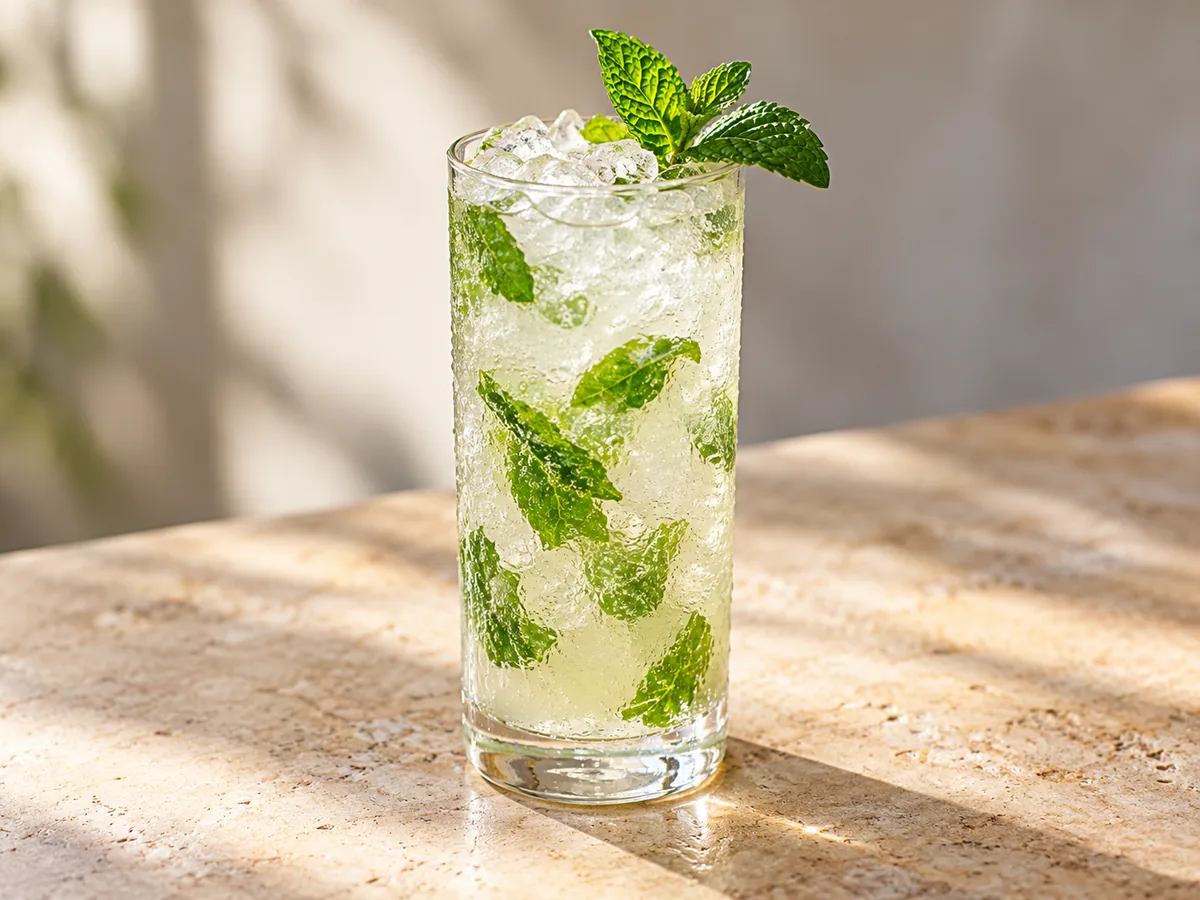
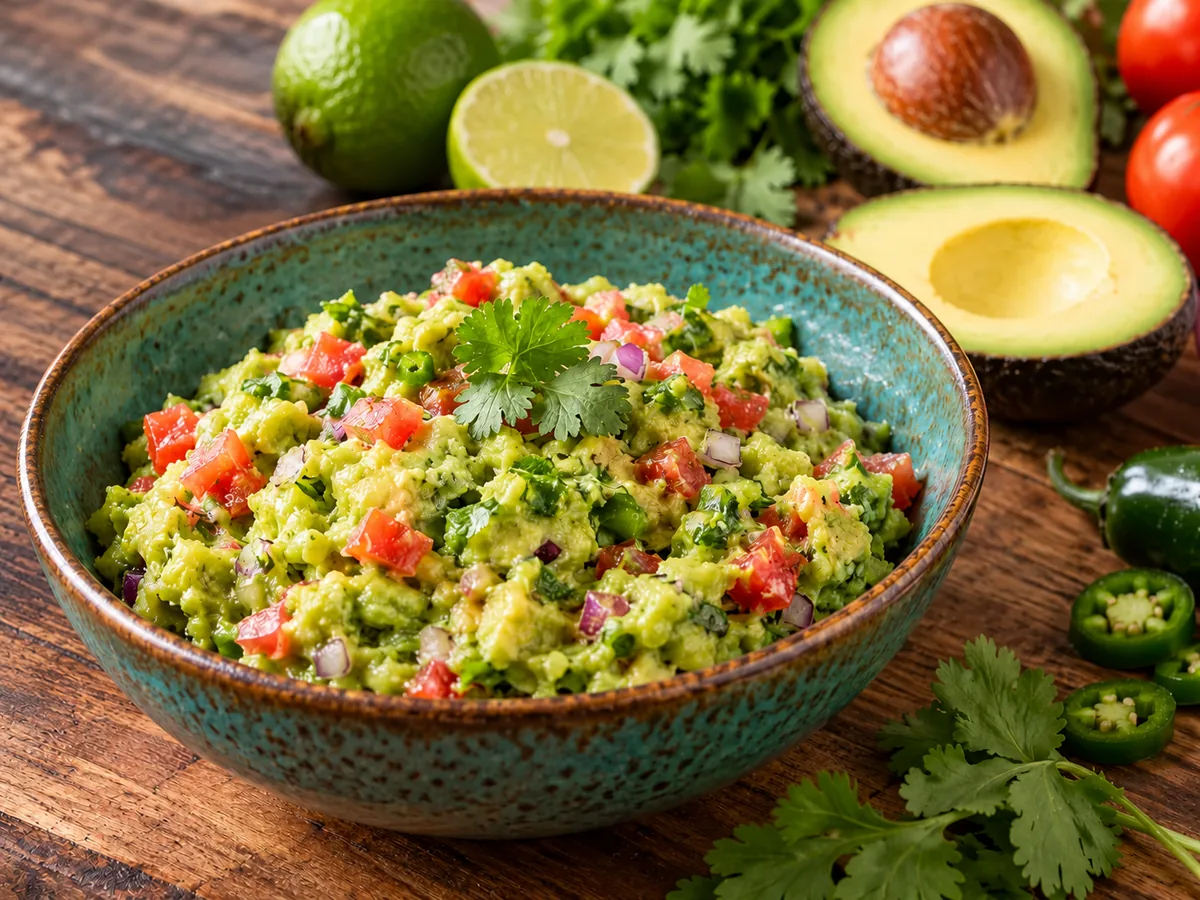
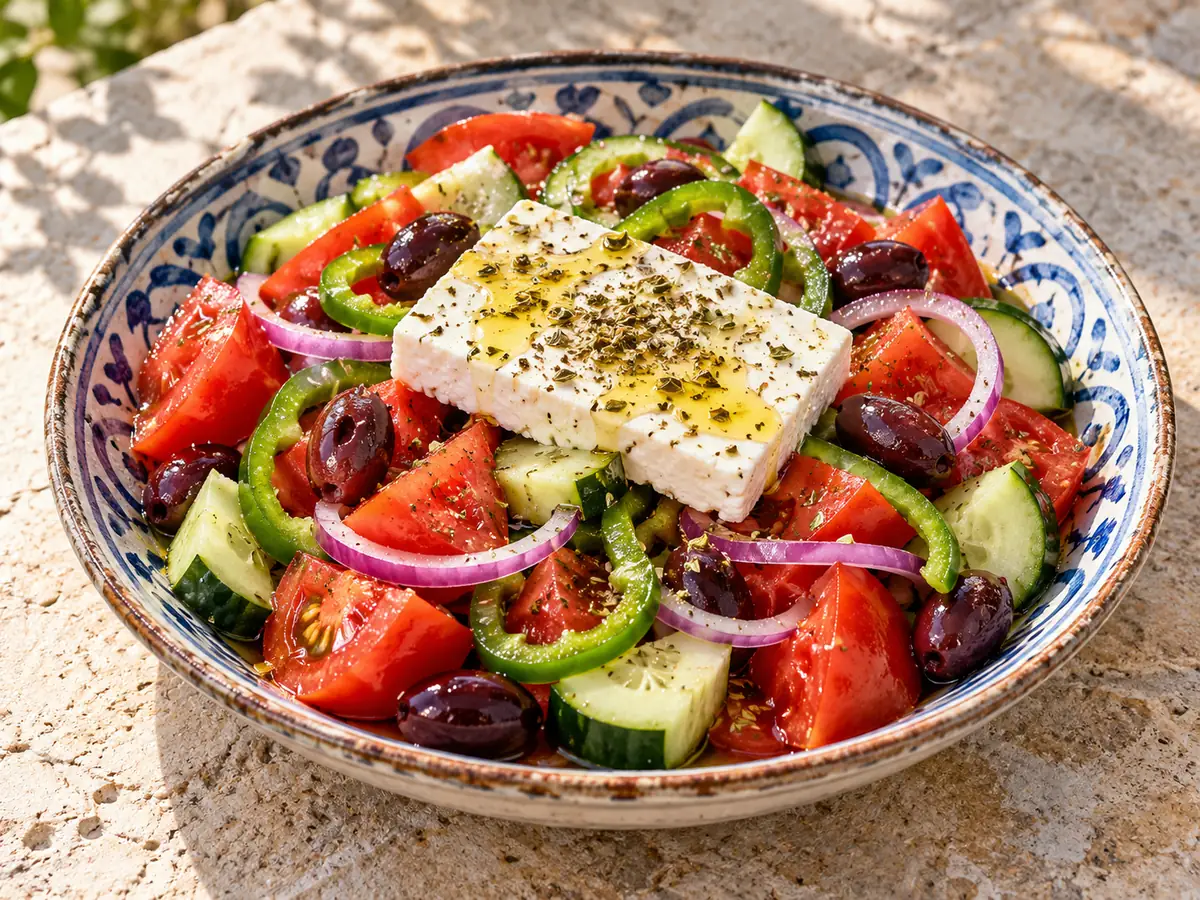
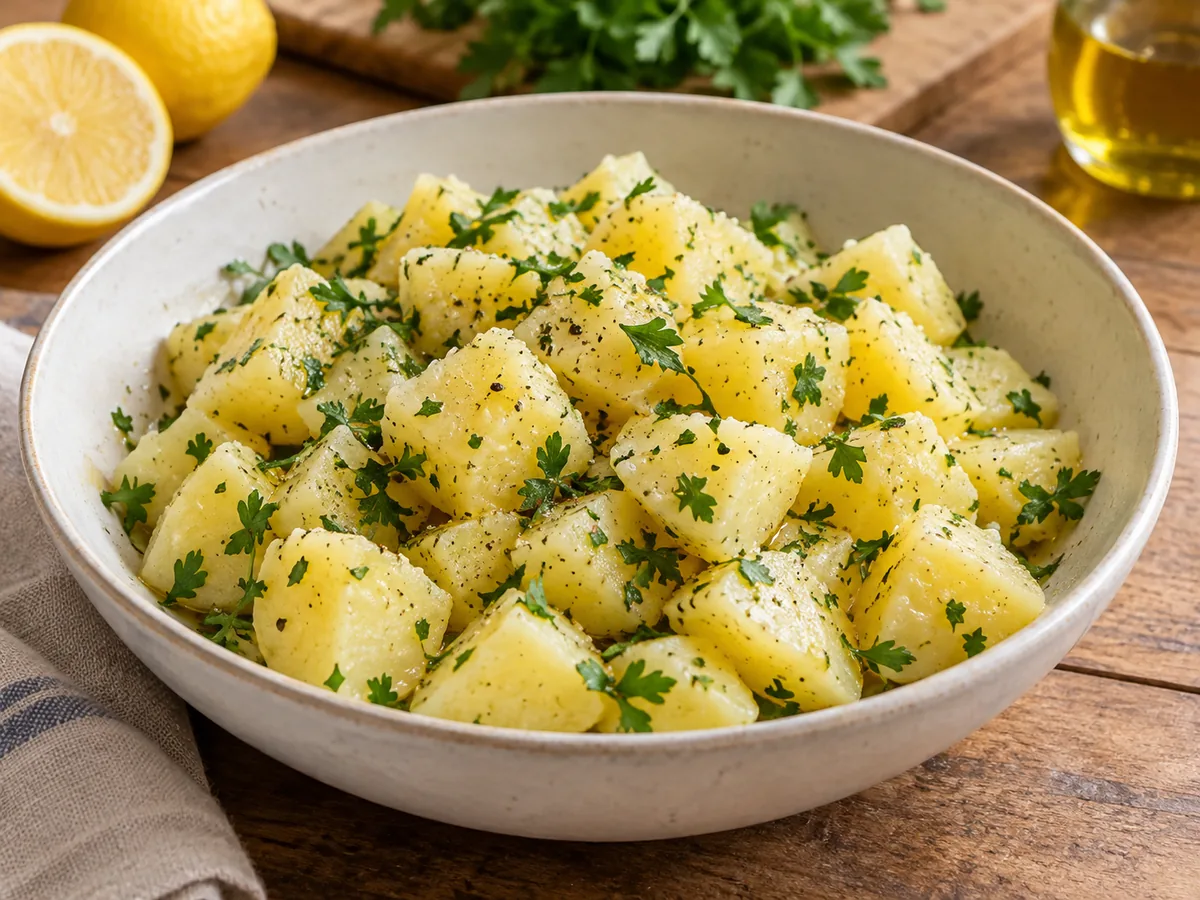
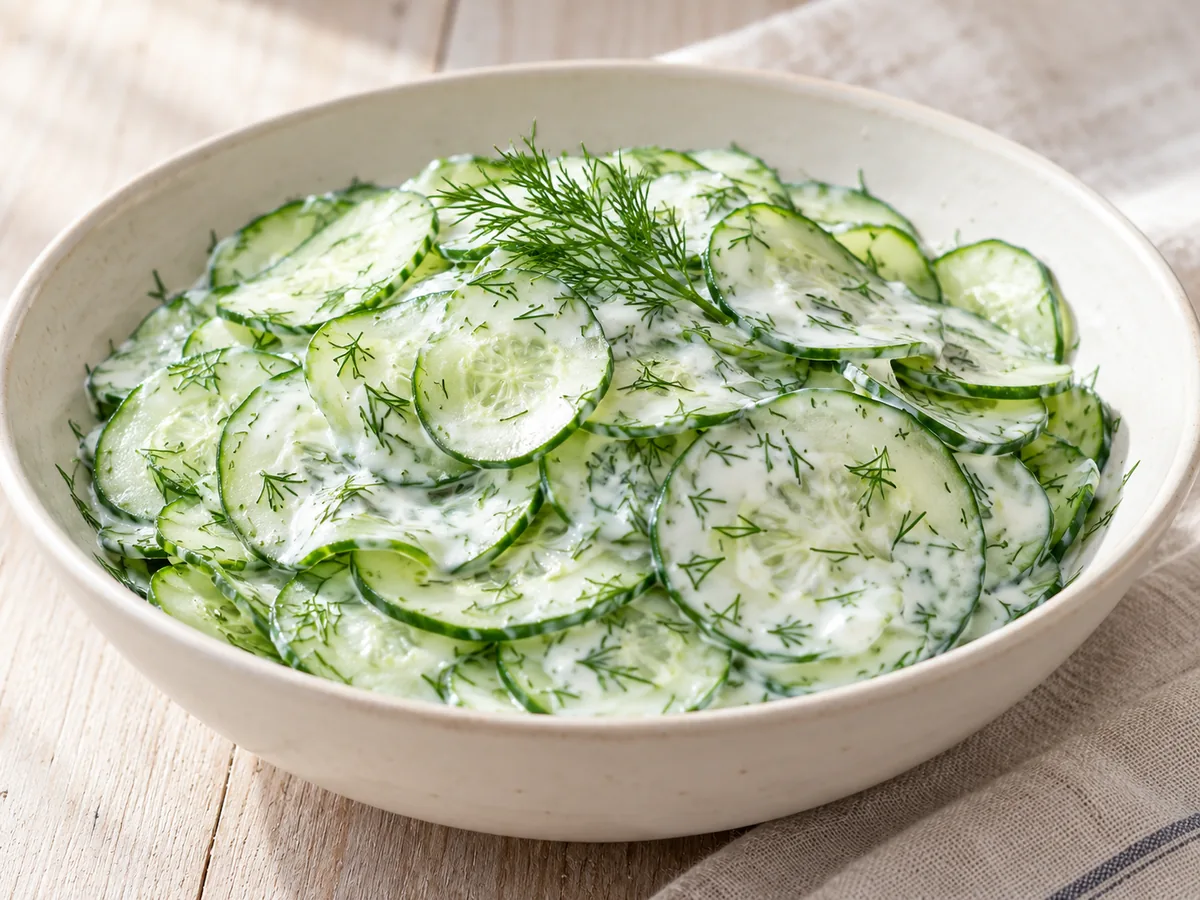
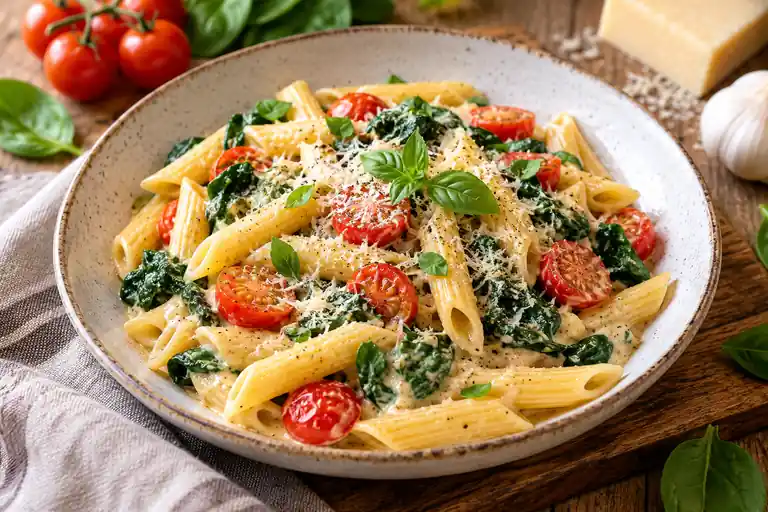
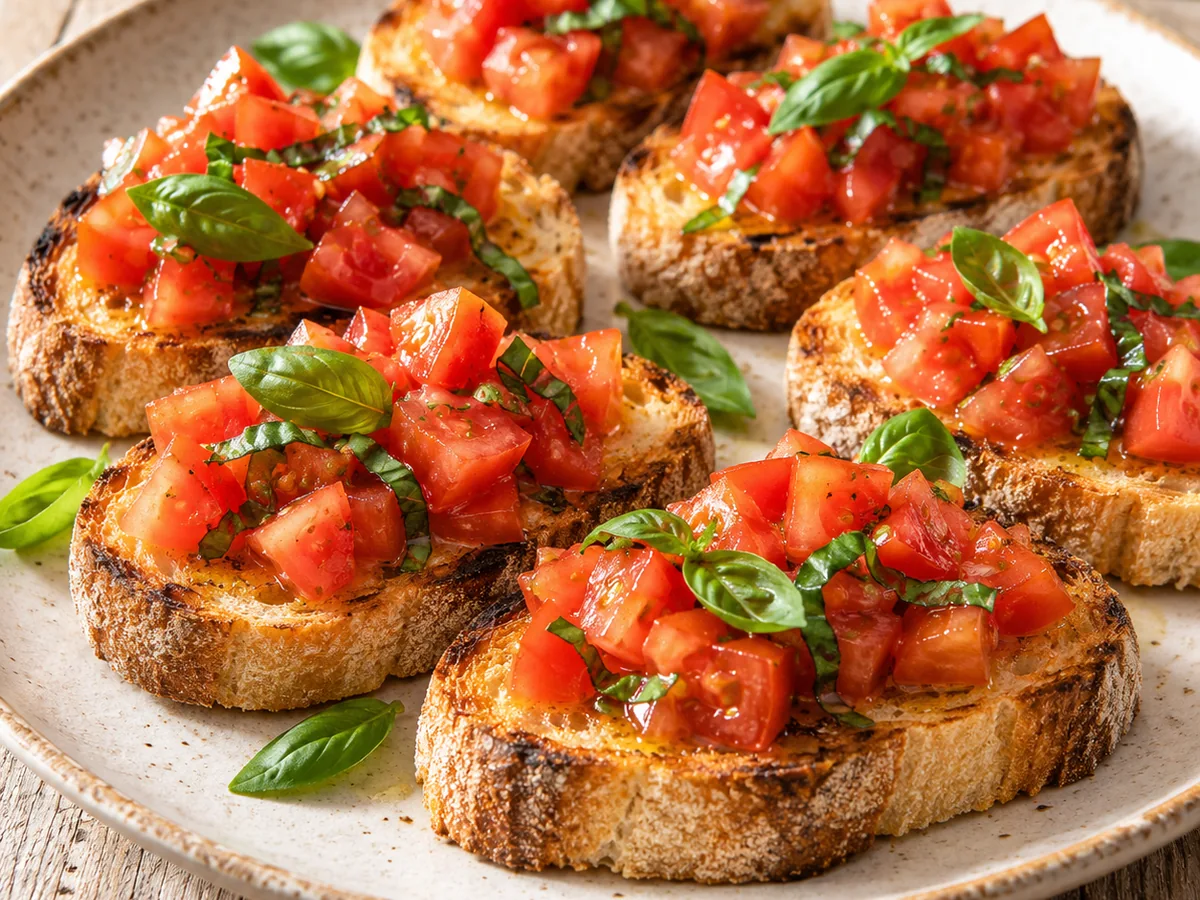
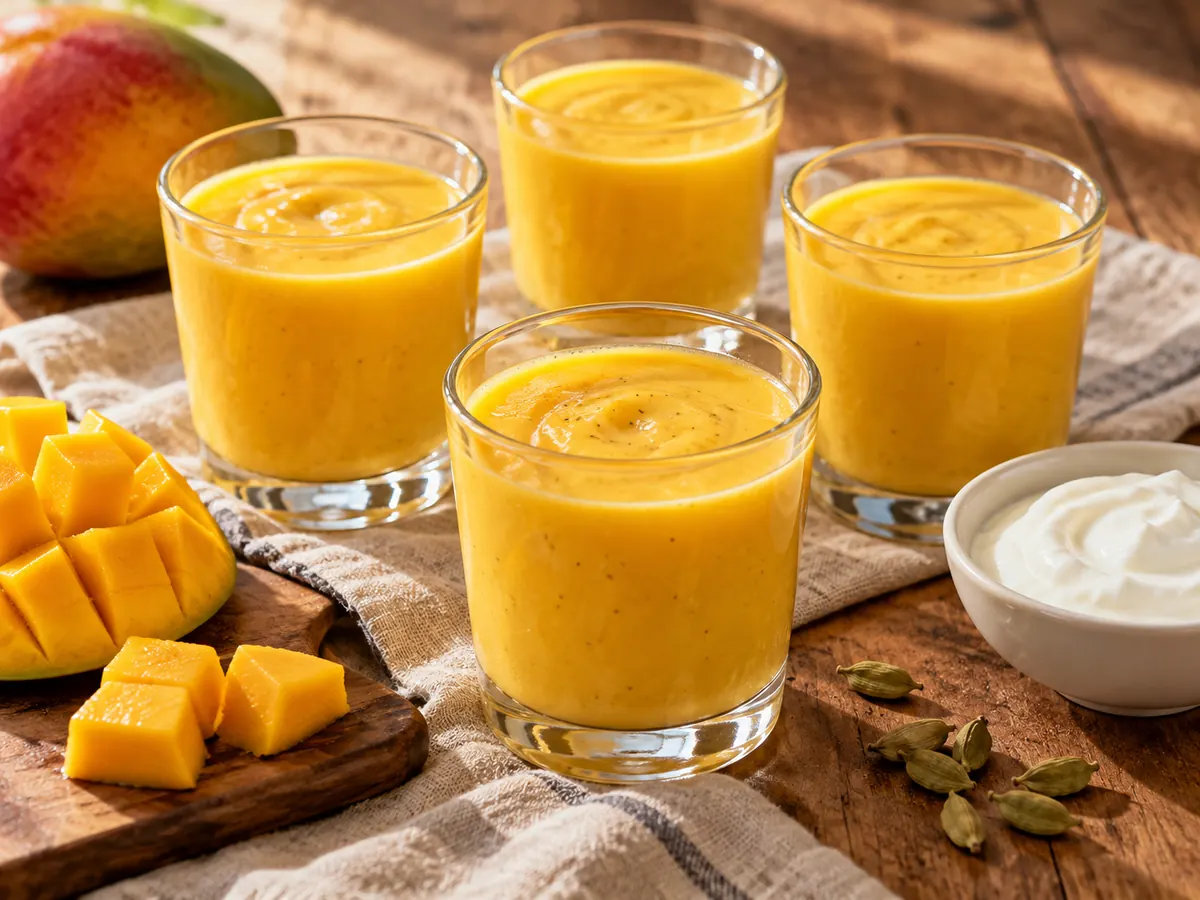
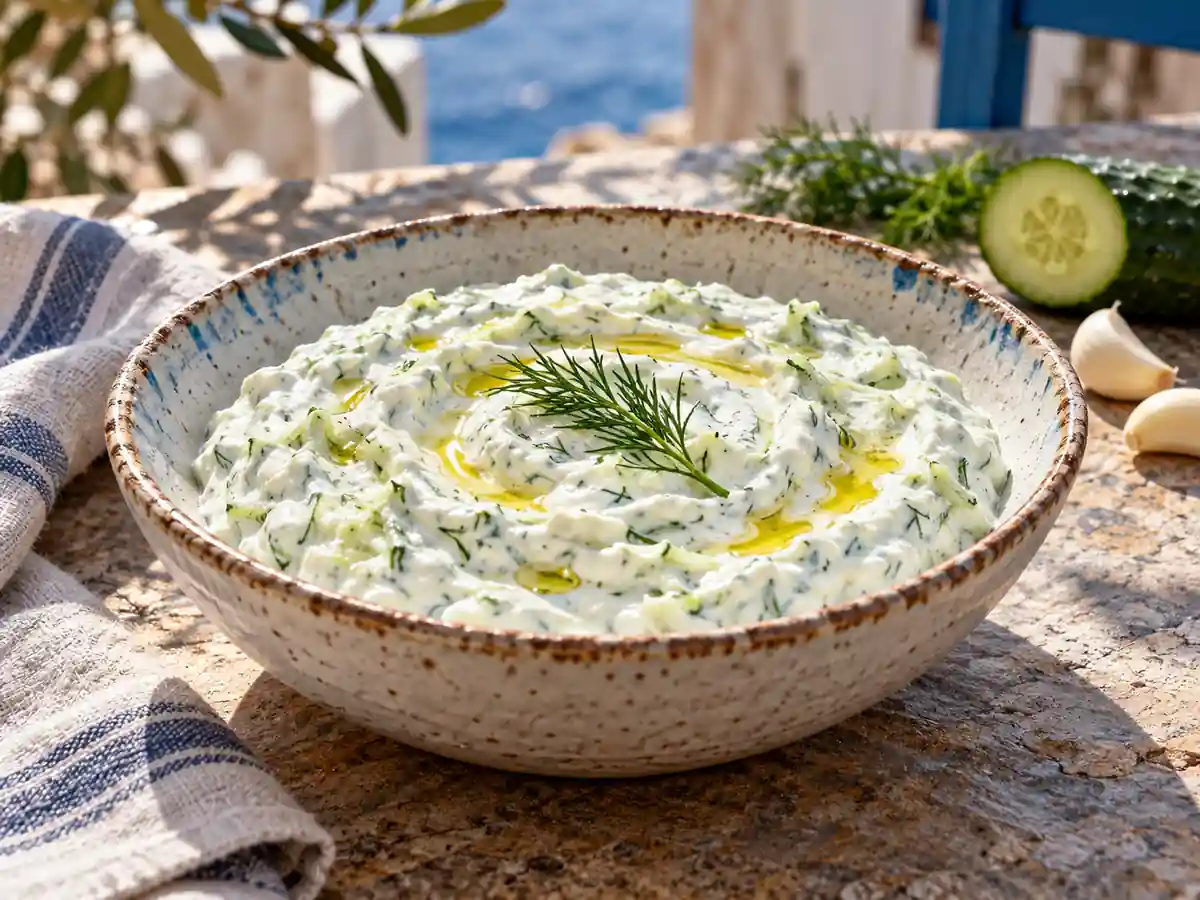
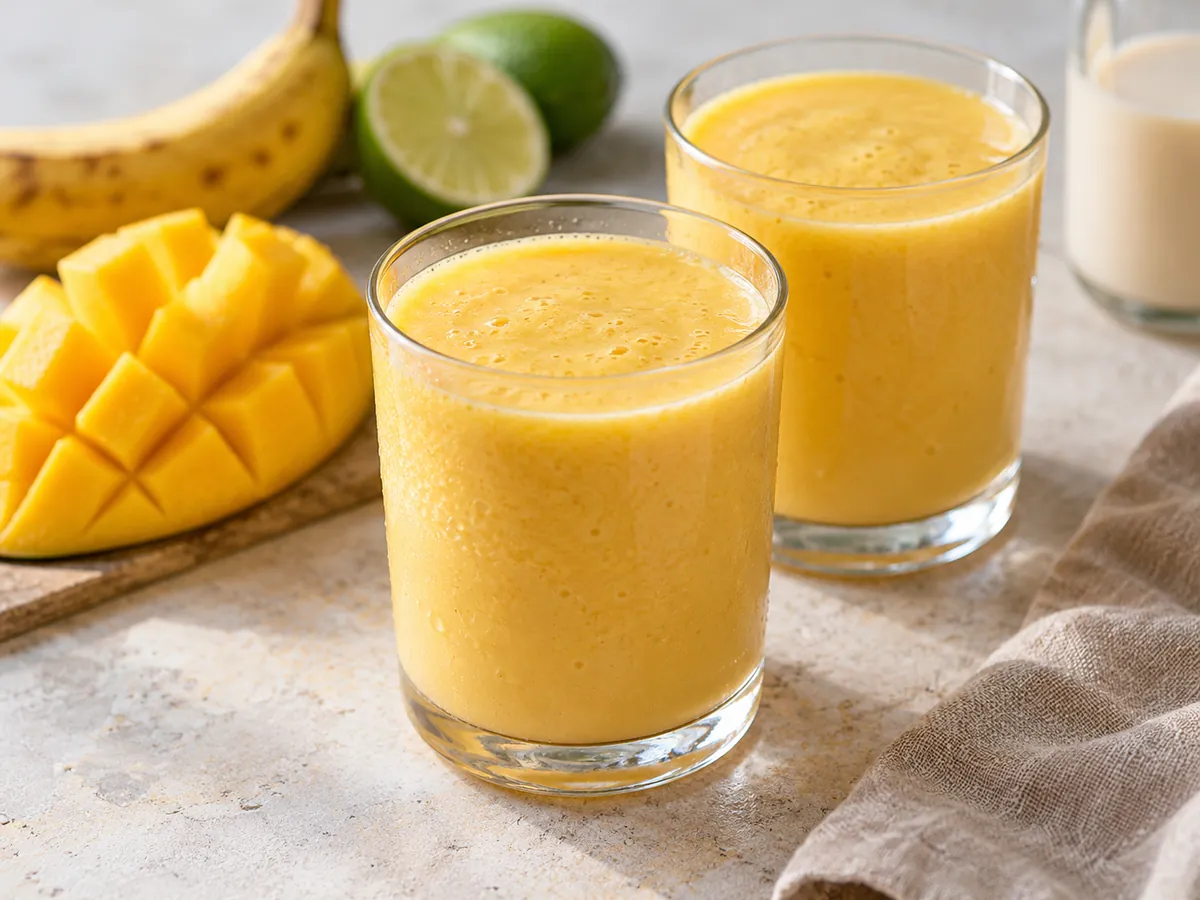
Summer meals are all about fresh salads, cool drinks and lighter dishes.
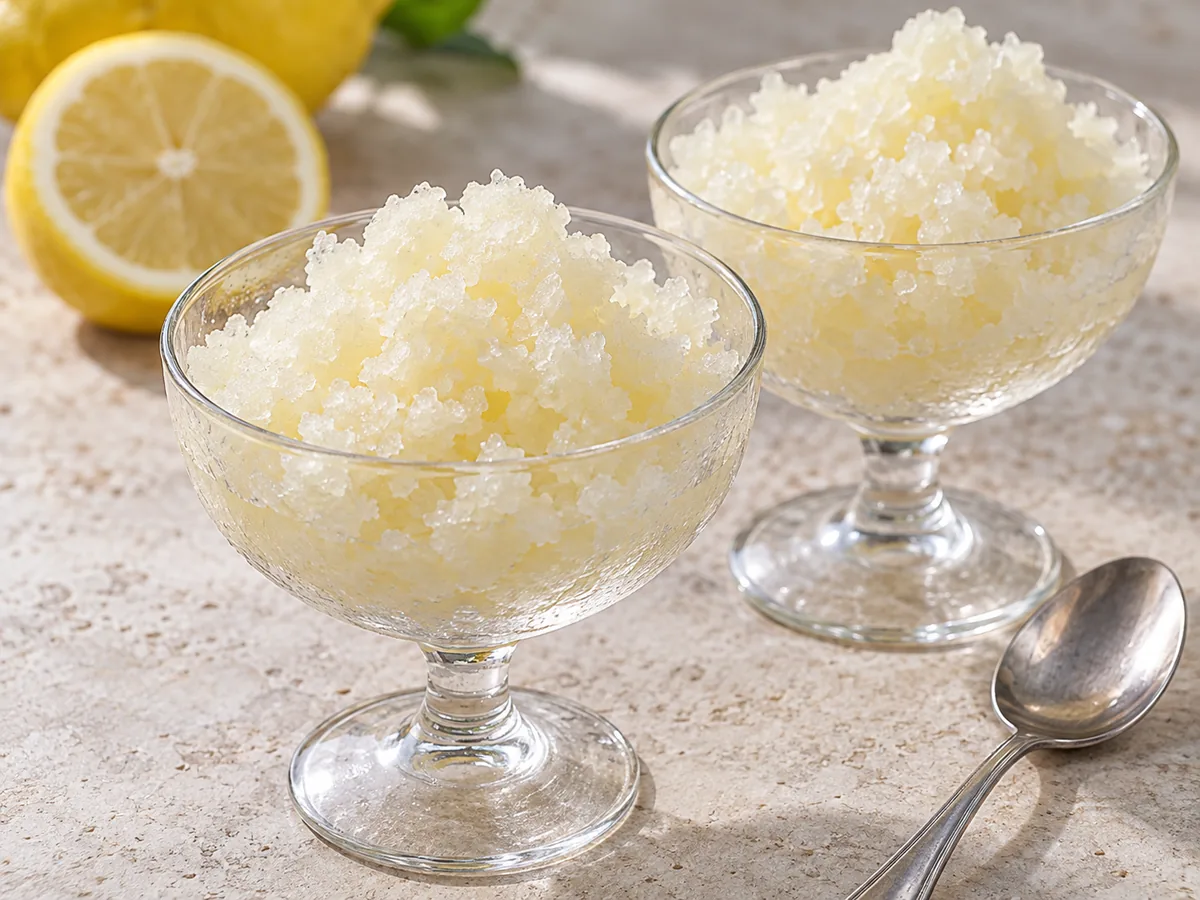
Ice cream and fruity desserts are especially welcome in the sunshine.
Summer food is shaped by climate and occasion
Warm weather often encourages fresh flavours, cold drinks and outdoor meals, but summer is experienced differently across regions. Some places are humid and hot, others mild or rainy. A beach picnic, family lunch and evening barbecue therefore call for different choices. The food may be light and vegetable-focused or more substantial, depending on appetite and what else will be served. Rather than assuming every summer meal should be a salad, explore a variety of flavours and serving styles that fit the actual weather and occasion.
Produce offers colour and contrast
Depending on location, summer can bring a wide range of fruits, vegetables and herbs. Their natural acidity, sweetness and crisp textures can provide refreshing contrasts to rich savoury food. A vegetable dish can stand alone as a meal when combined with other satisfying ingredients, while fresh produce may also accompany a more substantial main course. Local harvest calendars differ, so claims that one ingredient is universally in season can mislead. Choose produce according to availability and taste rather than a generic seasonal checklist.
Outdoor eating needs thoughtful planning
Picnics, garden gatherings and barbecues are common summer occasions in many places. When food is served outdoors, heat and time away from refrigeration can make hygiene especially important. Perishable ingredients must be stored and handled appropriately, and raw foods should be kept separate from ready-to-eat dishes when relevant. A pretty presentation does not guarantee food safety. Consider how long the gathering will last and whether people will eat at once or over several hours. Suitable drinks and access to water are also part of the meal experience.
Sweet, savoury and refreshing choices
Summer tables can mix crisp vegetables, fruit-led desserts, grilled foods and drinks, but none of these should dominate simply because of the season. A rich main course may be balanced by something tangy or fresh, while a lighter lunch might benefit from a substantial grain or pulse component. Guests differ in their preferences for spice, sweetness and temperature. A thoughtful selection offers distinct experiences without producing numerous nearly identical dishes. Consider portions and when the food will be enjoyed.
Summer is not a universal holiday season
School breaks, festivals and family celebrations fall at different times around the world. Even the hottest months differ by hemisphere. When describing summer food, local context and the actual occasion are therefore more meaningful than assumptions about a fixed calendar. Some communities celebrate outdoors, others gather inside away from the heat. The category can help you find food suited to warmer days without implying that all cultures or households have the same seasonal traditions. Always check ingredient details for dietary requirements.
Explore all recipes
ⓘ Ratings come exclusively from approved community contributions.